Blog

  • Healthy Movement Habits for Fetter Aging

    Healthy Movement Habits for Fetter Aging

    I once believed staying active required long workouts and strict plans. Healthy movement habits for better aging may begin with standing more often, walking after meals and practising simple strength or balance exercises. When these actions become routine, they can support mobility, confidence and independence without making daily life feel demanding.

    Why Everyday Movement Matters With Age

    Muscle strength may decline, joints can become stiffer and balance may feel less reliable. Long periods of sitting can make these changes more noticeable. Regular movement can also support energy, sleep and confidence during ordinary routines throughout the day.

    The aim is to preserve the ability to walk comfortably, climb stairs, carry shopping, rise from a chair and enjoy familiar activities. A ten-minute walk completed regularly can be more useful than an ambitious workout abandoned after a few days.

    Begin the Morning With Gentle Mobility

    A few minutes of easy movement can reduce stiffness and prepare the body for the day. Try slow shoulder rolls, ankle circles, side bends and comfortable neck turns. Stay within a pain-free range.

    Link the routine to something already done each morning. Connecting a new action to an established one makes it easier to remember.

    Walk Briefly After Meals

    Walking is an accessible way to add movement without creating a complicated schedule. Start with five or ten minutes at a comfortable pace. Gradually increase the duration. When outdoor walking is unsuitable, move around the home or march gently beside a stable support.

    Break Up Long Periods of Sitting

    Break Up Long Periods of Sitting

    Several hours of uninterrupted sitting can leave the hips, back and legs feeling stiff. Set a reminder to stand or move every 30 to 60 minutes. Walk to another room, refill a glass of water or complete a few controlled chair stands.

    Build Strength Through Daily Actions

    Strength supports carrying bags, opening doors, getting out of bed and recovering after a stumble. A sit-to-stand exercise is a practical starting point.

    Sit near the front of a stable chair, place both feet firmly on the floor and stand with control. Use the hands when needed, then gradually work towards less assistance.

    Other useful options include wall push-ups, supported heel raises and carrying manageable household items.

    Practise Balance Safely

    Stand beside a secure worktop and place one foot slightly in front of the other. Hold briefly, then change sides.

    Another option is standing on one leg while keeping a hand close to support. Pair the habit with brushing the teeth or waiting for food to cook. Stop when feeling dizzy or unwell.

    Maintain Flexibility With Comfortable Stretching

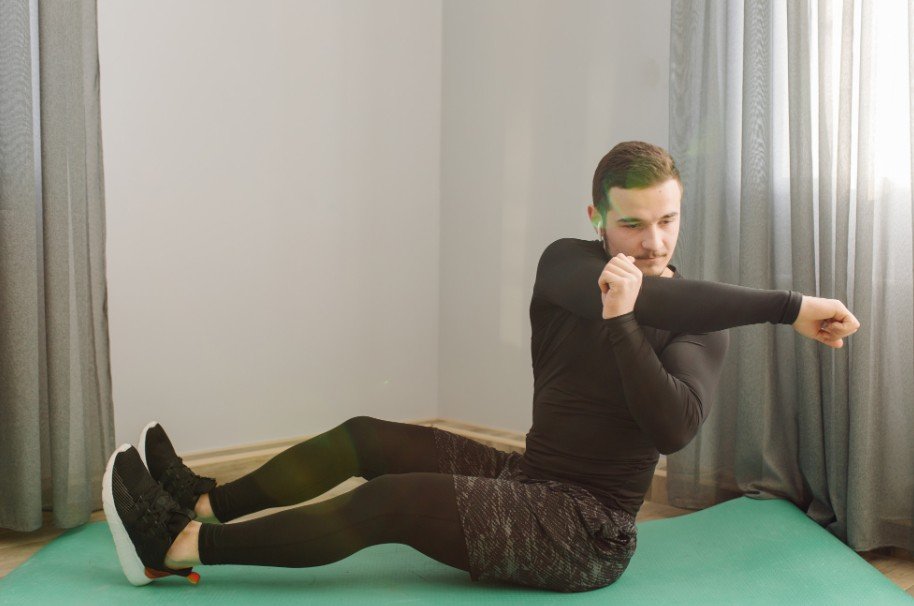
    Flexibility supports reaching, bending, dressing and walking naturally. Gentle stretches for the calves, chest, hips and back can be completed once the body feels warm.

    Hold each position without bouncing and breathe normally. Sharp pain is a reason to stop.

    Make Movement Enjoyable

    Make Movement Enjoyable

    People are more likely to continue activities they enjoy. Walking with a friend, dancing to familiar music, gardening or joining a suitable group class can make movement feel less like a duty.

    Supporting an active routine with simple food choices, such as learning easy ways to use canned beans in healthy meals, can also make healthy ageing feel more practical and sustainable.

    Progress Gradually

    Increasing activity too quickly can lead to soreness and frustration. Begin with an amount that feels manageable and add a little at a time.

    Progress might mean walking for two additional minutes, completing one more chair stand or holding a balance position slightly longer. Rest and lighter days are also valuable.

    Learning the signs your body needs a break from exercise can help you recognise when fatigue, persistent soreness or declining performance means it is time to reduce activity and recover.

    Anyone returning to movement after illness, surgery or a long inactive period should consider professional guidance. New chest discomfort, faintness, severe breathlessness or persistent pain should be assessed.

    A Simple Daily Movement Pattern

    A realistic day could start with five minutes of mobility, include a short walk after one meal and use standing breaks during long periods of sitting. Strength exercises can be added two or three times a week, while balance practice can fit into an existing task.

    Missing one activity does not ruin the routine. The next opportunity to move is simply a chance to continue.

    Frequently Asked Questions

    1. What are the best healthy movement habits for better ageing?

    Useful habits include walking regularly, interrupting sitting time, practising chair stands, adding gentle mobility work and completing safe balance exercises. The best choices suit current ability and can be repeated consistently.

    2. Is walking enough as I get older?

    Walking supports endurance and general activity, but it does not fully replace strength, balance and flexibility work. A well-rounded routine should include all four areas when possible.

    3. How much movement should a beginner do?

    A beginner can start with five-minute sessions and build gradually. The starting level should feel achievable and should not cause unusual pain, dizziness or excessive breathlessness.

    4. Can someone with limited mobility stay active?

    Yes. Seated marching, ankle movements, supported standing and upper-body exercises can all be useful. A physiotherapist or qualified health professional can adapt movements to individual needs.

    A More Active Way Forward

    I have learned that ageing well is not built through occasional bursts of motivation. It develops through ordinary choices repeated with patience. A brief walk, a controlled chair stand or a few minutes of stretching may seem small, but these actions can help preserve the abilities that make daily life independent and enjoyable.

    I would begin with one manageable habit, connect it to an existing routine and allow progress to develop gradually. Movement does not need to be perfect to be valuable. It only needs to remain safe, regular and realistic enough to continue.

  • Walking Workouts for Weight Management: Get Results Now

    Walking Workouts for Weight Management: Get Results Now

    I used to think a walk only counted when it was long, fast, and exhausting. That mindset made consistency difficult. Once I treated walking as a flexible workout, it became much easier to fit movement into ordinary days. 

    Walking workouts for weight management can suit different schedules, fitness levels, and environments. The goal is regular movement, gradual progression, balanced eating, and enough recovery to continue.

    Can Walking Support Weight Management?

    Walking increases daily energy expenditure while placing less stress on the joints than many physical activities. Steady walking can improve cardiovascular fitness, while faster intervals and hills challenge the heart, lungs, and leg muscles.

    However, walking is not a shortcut. Body weight is also influenced by food intake, sleep quality, stress, medical conditions, and total daily activity. Several manageable walks throughout the week are usually more sustainable than one exhausting session followed by days of inactivity.

    Walking can also help preserve physical function and encourage a more active lifestyle. When regular walks become part of your routine, you may naturally spend less time sitting and become more comfortable with other forms of movement.

    How Hard Should You Walk?

    The talk test is a simple way to measure walking intensity. During an easy walk, you should be able to speak in complete sentences. At a brisk pace, conversation should remain possible, although you may need to pause for breath. During a challenging interval, saying more than a few words should feel difficult.

    Beginners should keep most sessions at an easy or moderate intensity. Increase the challenge by changing one factor at a time, such as pace, duration, incline, frequency, or recovery time.

    A brisk pace should feel purposeful without forcing you to lose control of your posture. Keep your shoulders relaxed, look ahead, and allow your arms to swing naturally.

    Five Walking Workouts to Try

    Five Walking Workouts to Try

    1. Beginner Steady Walk

    Warm up at a gentle pace for five minutes. Walk at a comfortable but purposeful speed for 15 to 20 minutes, then cool down for another five minutes.

    Complete this workout three times per week. When the main walking period begins to feel easy, increase it by five minutes. This approach helps develop endurance without creating unnecessary fatigue.

    2. Brisk Interval Walk

    Begin with a five-minute warm-up. Alternate one minute of brisk walking with two minutes of easy walking. Repeat the pattern six to eight times before cooling down.

    Intervals allow you to increase your effort without maintaining a difficult pace for the entire workout. As your fitness improves, lengthen the brisk sections or slightly reduce the recovery periods.

    3. Hill or Incline Walk

    For an effective incline walk, find a safe hill or use a treadmill with an incline setting. Walk uphill for one to two minutes, then recover on flatter ground for two minutes. Complete five or six rounds.

    Keep your body upright and shorten your stride on steeper sections. Avoid leaning too far forward or holding the treadmill rails unless you need them for balance.

    4. Post-Meal Walk

    Walk for 10 to 15 minutes after one or two meals. Maintain a comfortable pace and focus on making the habit easy to repeat.

    These short walks work well on busy days because they remove the pressure to find one uninterrupted hour for exercise. Several brief sessions can still contribute meaningfully to your total daily movement.

    5. Long Endurance Walk

    Once per week, complete a longer walk at an easy-to-moderate pace. Begin with 35 to 40 minutes and gradually build toward 60 minutes when it feels comfortable.

    The purpose is endurance rather than speed. Choose a safe route, wear supportive footwear, and carry water when weather conditions or distance make it necessary.

    A Four-Week Walking Schedule

    Week 1: Build Consistency

    Complete three steady walks lasting 20 to 25 minutes. Add one or two short post-meal walks when convenient. Focus on comfortable footwear and finishing each session with energy remaining.

    Week 2: Increase Duration

    Complete two steady walks, one interval workout, and one longer easy walk. Add approximately five minutes to selected sessions rather than increasing every workout at once.

    Week 3: Add Variety

    Complete one steady walk, one interval session, one hill workout, and one long walk. Leave an easier day between the more demanding sessions to support recovery.

    Week 4: Create a Repeatable Routine

    Choose four or five sessions based on your schedule. Combine easy, brisk, and longer walks. Walking workouts for weight management work best when the plan encourages progress without becoming too difficult to repeat.

    How to Progress Safely

    How to Progress Safely

    Increase workout duration before making major changes to speed or incline. Adding five minutes is often safer than turning every walk into a high-intensity session.

    If you have been inactive for several weeks or months, follow a gradual plan for how to start exercising after a long break before attempting demanding intervals, steep hills, or long-distance walks. Rebuilding the habit slowly can reduce excessive soreness and make your routine easier to maintain.

    Pay attention to persistent pain, unusual fatigue, swelling reaction to injury, or declining performance. Mild muscle tiredness may occur after increasing activity, but sharp or ongoing pain should not be ignored. Reduce the workload and seek professional guidance when symptoms are concerning.

    Track more than body weight. Weekly walking minutes, completed workouts, energy levels, pace, waist measurements, or how easily you climb a familiar hill can all reveal progress.

    Walking, Food, Sleep, and Recovery

    Walking cannot fully compensate for consistently consuming more energy than your body needs. Build meals around vegetables, fruit, whole grains, protein-rich foods, and healthy fats. Sensible portions can support progress without the exhaustion often associated with extreme restriction.

    Sleep and stress also affect appetite, energy, and motivation. After a poor night of sleep, an easy walk may be more productive than forcing a demanding interval workout.

    On less structured days, adding simple daily movement habits for better health can help you stay active without relying on a formal workout. Taking the stairs, walking during phone calls, stretching between tasks, and completing short movement breaks can all support your weekly activity goals.

    Recovery does not always require complete inactivity. Gentle walking, stretching, and normal daily movement can help you remain active between challenging sessions.

    Common Walking Mistakes

    Starting too aggressively is a common mistake. A sudden increase in speed, distance, frequency, or incline can lead to soreness and make walking feel punishing.

    Other mistakes include wearing unsuitable shoes, repeating the same pace indefinitely, ignoring recovery, and expecting rapid results from exercise alone. Keep easy walks comfortable and use harder sessions selectively.

    Another mistake is comparing your plan with someone else’s routine. Your starting point, health, schedule, and recovery needs may be different. Progress should be based on your own performance.

    Frequently Asked Questions

    1. How many minutes should I walk each week?

    A practical starting point is three to five sessions lasting 20 to 30 minutes. Gradually increase the total according to your fitness, health, pace, and normal daily activity.

    2. Are intervals better than steady walking?

    Neither method is always better. Intervals increase intensity and can save time, while steady walking is easier to recover from. Combining both methods can create a balanced routine.

    3. Can I complete walking workouts indoors?

    Yes. Treadmills, indoor tracks, shopping centres, and guided indoor sessions can all be effective. Duration, effort, consistency, and gradual progression matter more than location.

    4. How often should I do walking workouts for weight management?

    Spread your walks across several days instead of completing all your weekly activity at once. Include easier days after demanding interval or hill sessions, particularly when beginning.

    5. Do I need to reach 10,000 steps every day?

    No single step target suits everyone. Begin with your current activity level and add a realistic amount. Walking time, intensity, recovery, and consistency matter alongside the number of steps recorded.

    A Sustainable Way Forward

    I find walking most useful when it fits my life instead of competing with it. A short post-meal walk, a brisk interval session, and a relaxed weekend walk can all support the same goal.

    I would rather follow a moderate routine for several months than an extreme plan for one week. Start where you are, progress patiently, and allow your routine to change as your strength, schedule, and priorities evolve.

  • Easy No-Cook Lunches With Protein and Fiber: 8 Ideas

    Easy No-Cook Lunches With Protein and Fiber: 8 Ideas

    A satisfying lunch should not need a stove, microwave, or half your break. I rely on easy no-cook lunches with protein and fiber on packed days because they are fast, portable, and more substantial than crackers and a snack bar.

    The method is simple: combine a protein anchor, a fiber-rich base, fresh produce, and one bold flavor. Most ingredients can come straight from the pantry or refrigerator.

    Why Protein and Fiber Work Better Together

    Why Protein and Fiber Work Better Together

    Protein gives lunch structure, while fiber adds volume and helps create a more complete meal. The 2025–2030 Dietary Guidelines for Americans encourage protein foods at each meal, including beans, lentils, nuts, seeds, soy, dairy, eggs, poultry, and seafood. They also recommend fiber-rich whole grains, vegetables, and fruits.

    The FDA sets the Daily Value for fiber at 28 grams on a 2,000-calorie diet. Lunch does not need to supply all of it. However, adding beans, vegetables, seeds, or whole grains can make the daily target easier to approach.

    I treat easy no-cook lunches with protein and fiber as a two-anchor system. One ingredient supplies concentrated protein. Another contributes fiber, although beans and lentils can cover both roles.

    My Protein-Fiber-Crunch Formula

    I use three checks rather than following a complicated recipe.

    First, I choose a protein such as tuna, chicken, Greek yogurt, cottage cheese, tofu, or edamame. Next, I add fiber from beans, avocado, cabbage, berries, seeds, or whole-grain bread. I finish with crunch and acidity from cucumbers, slaw, herbs, lemon, vinegar, salsa, or pickles.

    Here is my worked example: combine one cup of canned chickpeas with half a cup of cottage cheese, cucumber, herbs, and lemon. Using typical USDA food-composition values, that bowl can provide roughly 25 to 30 grams of protein and about 12 grams of fiber. Brand and portion differences matter, so check the Nutrition Facts label when exact numbers matter.

    This formula keeps easy no-cook lunches with protein and fiber flexible. I can switch ingredients without rebuilding the whole meal.

    Eight High-Protein Cold Lunch Ideas

    Eight High-Protein Cold Lunch Ideas

    1. Caprese Chickpea Salad

    Toss rinsed chickpeas with cherry tomatoes, mozzarella pearls, basil, olive oil, balsamic vinegar, and black pepper.

    Chickpeas cover both the protein and fiber anchors, while mozzarella contributes more protein and a creamy contrast. Spoon the salad over shredded cabbage when you want more crunch and fiber.

    2. Cucumber, Cottage Cheese, and Miso Sandwich

    Whisk cottage cheese with a small spoonful of white miso. Spread it on sprouted whole-grain bread, then add cucumber, pepper, and sprouts.

    This is one of my favorite easy no-cook lunches with protein and fiber because it feels fresher than a standard cheese sandwich. Miso can taste salty, so I use only enough to sharpen the cottage cheese.

    3. Black Bean Taco Bowl

    Layer black beans, canned corn, shredded cabbage, salsa, avocado, and plain Greek yogurt. Add pumpkin seeds for crunch.

    The beans, cabbage, avocado, and seeds provide several fiber sources. Greek yogurt raises the protein without requiring meat. Lime juice and cilantro keep the bowl bright after several hours in the refrigerator.

    4. Curried Chicken and Chickpea Wrap

    Mix chopped rotisserie chicken with chickpeas, Greek yogurt, curry powder, diced onion, and a few raisins. Roll the mixture inside a high-fiber tortilla with spinach.

    Chicken carries most of the protein load, while chickpeas and the wrap increase fiber. I mash several chickpeas into the dressing to thicken it and help prevent a soggy wrap.

    5. Mediterranean Tuna and White Bean Bowl

    Combine canned tuna, cannellini beans, cucumber, olives, feta, parsley, and fresh lemon juice.

    These easy no-cook lunches with protein and fiber do not need to taste like clinical diet food. This bowl is briny, creamy, crisp, and filling without any reheating. Taste it before adding salt because the tuna, olives, and feta may already provide enough.

    6. Edamame Slaw Crunch Box

    Pack thawed shelled edamame, cabbage slaw, grated carrots, and pumpkin seeds. Add a dressing made from peanut butter, lime juice, and water.

    Keep the dressing separate until lunchtime. Edamame carries the protein, while vegetables and seeds add fiber and texture. This option also works well in offices where opening a container of tuna may not make you popular.

    7. Greek Yogurt Berry Chia Bowl

    Stir chia seeds into plain Greek yogurt. Top it with raspberries, blueberries, walnuts, and cinnamon. Add whole-grain crispbread on the side.

    I let the chia sit for about ten minutes before packing it. The seeds absorb moisture, creating a thicker bowl that travels better. Choosing unsweetened yogurt also lets the berries provide most of the sweetness.

    8. Hummus, Turkey, and Vegetable Wrap

    Spread hummus across a high-fiber wrap. Add sliced turkey, shredded carrots, cucumber, spinach, and bell pepper.

    Hummus contributes chickpeas and tahini, while the vegetables keep the wrap crisp. Replace turkey with ready-to-eat tofu for a meatless version of these easy no-cook lunches with protein and fiber.

    Budget-Friendly No-Cook Meal Prep

    Budget-Friendly No-Cook Meal Prep

    The cheapest easy no-cook lunches with protein and fiber often begin with canned beans, plain yogurt, seasonal produce, and store-brand whole-grain bread. I pay for convenience only where it saves real time, such as shredded cabbage or cooked chicken.

    For a broader shopping plan, add the internal link to Healthy grocery list for one person on a budget. It can help readers purchase flexible staples instead of ingredients that work in only one recipe.

    Keep tuna, beans, lentils, wraps, seeds, and shelf-stable flavor boosters together. In the refrigerator, rotate two proteins, two vegetables, and one sauce. These easy no-cook lunches with protein and fiber also scale well for two or three workdays without creating an overwhelming meal-prep session.

    Choose no-salt-added or lower-sodium beans when possible. When standard canned beans are the available choice, USDA guidance recommends draining and rinsing them to reduce sodium.

    Pack Easy No-Cook Lunches With Protein and Fiber Safely

    Pack Easy No-Cook Lunches With Protein and Fiber Safely

    No-cook does not mean no refrigeration. Lunches containing yogurt, cottage cheese, poultry, tuna, or cut produce should stay cold.

    USDA food-safety guidance says cold foods should remain at 40°F or below. Perishable food should not sit at room temperature longer than two hours, or one hour when temperatures exceed 90°F.

    I use an insulated lunch bag with cold packs when a refrigerator is unavailable. I also keep dressings away from bread and wraps. That small step protects the texture and makes lunch much more appealing.

    Frequently Asked Questions

    1. What are the best no-cook high-protein lunches for work?

    Bean-and-tuna bowls, chicken-chickpea wraps, cottage-cheese sandwiches, and edamame slaw boxes travel well without reheating.

    2. How can I add more fiber to a cold lunch?

    Add beans, lentils, avocado, cabbage, berries, chia seeds, whole-grain bread, or a high-fiber wrap.

    3. Can easy no-cook lunches with protein and fiber be vegetarian?

    Yes; pair Greek yogurt, cottage cheese, tofu, edamame, beans, lentils, nuts, or seeds with produce and whole grains.

    4. How do I stop a no-cook wrap from getting soggy?

    Dry the vegetables, use a thick spread, place greens against the wrap, and pack watery sauces separately.

    Lunch Is Handled—No Microwave Drama Required

    Easy no-cook lunches with protein and fiber solve the real midday problem: limited time, limited equipment, and the need for food that satisfies. I start with one protein, add one strong fiber source, then use crunch and acidity to make the meal worth eating.

    Choose one idea for tomorrow and prepare only the components tonight. Five minutes of assembly beats another expensive, forgettable lunch grabbed in a rush.

  • Signs Your Body Needs a Break From Exercise

    Signs Your Body Needs a Break From Exercise

    I used to think missing a workout meant losing progress. Even when my legs felt heavy, my sleep was poor, or my motivation disappeared, I still pushed through. Eventually, I learned that discipline also means knowing when to stop. 

    Recognising the signs your body needs a break from exercise can protect your health, reduce injury risk, and help you return with more energy. Recovery allows your muscles, joints, and nervous system to adapt to completed training.

    Normal Fatigue or a Real Need for Rest?

    Mild tiredness and soreness after a demanding workout are normal, especially after increasing intensity or trying a new movement. They should gradually improve.

    Pay attention when fatigue lingers, performance declines, or discomfort affects daily life. One difficult session does not prove overtraining, but several warning signs together deserve attention.

    11 Warning Signs You Should Pause Your Workouts

    11 Warning Signs You Should Pause Your Workouts

    1. Your Soreness Is Not Improving

    Ordinary muscle soreness usually fades within a few days. Pain or stiffness that persists, worsens, or affects normal movement suggests the area needs more recovery.

    2. Familiar Workouts Feel Much Harder

    Your normal run, cycling session, or strength routine may suddenly feel exhausting. When manageable weights, distances, or speeds become consistently difficult, incomplete recovery may be the reason.

    3. Your Performance Keeps Declining

    One weak workout is common. Repeatedly lifting less, moving slower, or needing longer breaks may show inadequate recovery.

    4. You Feel Exhausted All Day

    Exercise should challenge you without draining your entire day. Constant sleepiness, poor concentration, or fatigue before training may indicate inadequate recovery.

    This can become more noticeable when demanding workouts are combined with long workdays, making how to stay healthy while working long hours especially relevant to your overall recovery plan.

    5. Your Sleep Has Become Worse

    Excessive training stress can make falling or staying asleep difficult. Poor sleep then limits repair and energy restoration, creating a cycle of fatigue and disappointing workouts.

    6. Your Resting Heart Rate Has Changed

    A resting heart rate that remains above your normal pattern may reflect stress, dehydration, illness, or inadequate recovery. Look for a consistent change.

    7. Small Aches Keep Returning

    Recurring discomfort in your knees, shoulders, hips, feet, or back should not be accepted as the price of fitness. Stop when pain becomes sharp, changes your movement, or worsens during exercise.

    8. You Are Irritable or Mentally Foggy

    Recovery problems can affect mood and concentration. Training stress combines with work, family, and emotional demands.

    9. You Are Getting Sick More Often

    Frequent colds, lingering illnesses, or feeling continuously emotionally exhausted can signal that your workload is too high. Training while unwell may delay recovery.

    10. You No Longer Enjoy Your Workouts

    Motivation naturally changes, but lasting dread, boredom, or resentment may mean your routine is too demanding. A few easier days can restore enthusiasm.

    11. You Feel Guilty About Resting

    Anxiety or guilt about missing exercise deserves attention. When workouts feel compulsory or continue despite illness and pain, support from a healthcare or mental health professional may help.

    Do You Need a Rest Day or a Longer Break?

    Do You Need a Rest Day or a Longer Break?

    One rest day may be enough after mild fatigue, normal soreness, or one difficult session. Several recovery days may be better when symptoms have accumulated or daily energy has declined.

    A deload period lets you continue moving while reducing training stress. You might lower the weight, repetitions, speed, distance, or weekly frequency. Complete rest is more appropriate during illness, injury, severe exhaustion, or pain with normal movement.

    There is no universal timeline. Training experience, sleep, nutrition, age, stress, and symptom severity all influence recovery.

    What to Do During an Exercise Break

    Prioritise sleep, balanced meals, hydration, and relaxed movement. Walking, gentle mobility, or light stretching may support active recovery when they do not increase pain or fatigue.

    A gentle routine of morning stretches to improve flexibility can help maintain comfortable movement during recovery without adding the strain of a full workout.

    Do not turn a recovery day into another hard workout. A demanding hike, intense yoga class, or long bicycle ride still adds physical stress.

    Return gradually when symptoms improve. Start with a shorter, easier session and notice how you feel during it and the next day. Increase the workload only when your energy and movement remain stable.

    When to Speak With a Professional

    Seek medical advice for severe or persistent pain, swelling, weakness, fainting, chest discomfort, breathing difficulty, repeated injuries, or major changes in daily functioning. Ongoing exhaustion, disrupted sleep, significant mood changes, or symptoms continuing despite rest also deserve assessment.

    Frequently Asked Questions

    1. What are the most common signs your body needs a break from exercise?

    Common indicators include persistent soreness, unusual fatigue, falling performance, poor sleep, recurring pain, irritability, frequent illness, and lasting loss of motivation.

    2. Will several days off reduce my fitness?

    A few recovery days are unlikely to erase meaningful progress. Rest may help you return with better energy, movement quality, and motivation.

    3. Does walking count as a rest day?

    Gentle walking can be active recovery when it feels comfortable and does not worsen pain, soreness, or fatigue.

    4. How often should I schedule rest days?

    The right frequency depends on workout intensity, experience, health, sleep, and lifestyle stress. Many people benefit from at least one or two easier days each week.

    The Takeaways

    I now view rest as part of training rather than an interruption. Listening early is easier than being forced to stop because of injury or prolonged exhaustion. When my energy, performance, mood, and sleep change together, I treat the pattern as useful information.

    Progress over time depends on a cycle of effort and recovery. Giving your body time to rebuild can make exercise safer, more sustainable, and more enjoyable.

  • How to Start Exercising After a Long Break: A Restart Plan

    How to Start Exercising After a Long Break: A Restart Plan

    Returning to fitness can feel difficult. I may remember what my body used to do, yet my current energy may not match those memories. That gap can tempt me to train too hard. The safest approach to how to start exercising after a long break is to accept my present ability, begin with manageable movement, and build consistency before intensity.

    A successful comeback gives the muscles, joints, heart, and lungs time to adapt. This four-week plan creates a gradual path from inactivity to a balanced routine.

    What Happens to Your Body During a Break?

    When regular activity stops, cardiovascular endurance may decline, muscles can lose strength, and familiar movements may require more effort. Mobility can also decrease after months of sitting.

    The body often responds well when activity returns, but the pace depends on health, former fitness, sleep, stress, and the break’s length. Resuming an old program immediately can cause excessive soreness, exhaustion, or injury.

    Recovery after a long break may also depend on how previous illnesses affected energy, digestion, and immune function. Ebola and the microbiome facts you need to know explores how a serious infection can influence the body beyond the initial illness.

    Check Your Readiness Before Restarting

    Consider why the break happened. A busy schedule requires a different plan from recovery after illness, surgery, pregnancy, persistent pain, or injury. Anyone experiencing chest pain, unexplained dizziness, unusual breathlessness, or unstable joints should seek professional guidance first.

    Try walking for ten minutes, standing from a chair, reaching overhead, and climbing a few stairs. This simply shows what currently feels comfortable or difficult.

    Start Below Your Previous Fitness Level

    Start Below Your Previous Fitness Level

    The first workout should feel almost too easy. Try a five-minute warm-up, ten to fifteen minutes of light activity, and a gentle cool-down. Finish feeling capable of returning rather than completely drained.

    Walking, cycling, swimming, mobility work, and low-impact home exercises are useful choices. A simple routine performed consistently is more valuable than a perfect program that feels unpleasant.

    Use the talk test to control effort. During moderate activity, breathing should be faster, but you should still speak in complete sentences. Slow down when conversation becomes difficult.

    Follow a Four-Week Exercise Restart Plan

    Treat this as a flexible framework and move rest days around your responsibilities and recovery.

    Week 1: Rebuild the Habit

    Complete three sessions of 15 to 20 minutes using walking, cycling, swimming, or low-impact aerobics. On two other days, spend five to ten minutes on shoulder circles, ankle movements, hip rotations, and controlled stretches.

    Focus on creating a repeatable exercise time and stop while some energy remains.

    Week 2: Add Basic Strength

    Continue three light cardio sessions and add two short strength workouts. Try chair squats, wall push-ups, glute bridges, supported step-ups, and bird dogs.

    Begin with one or two sets of six to ten repetitions. The muscles should feel challenged, but movements should remain controlled and pain-free.

    Week 3: Increase One Variable

    Add five minutes to selected cardio sessions or a few repetitions to strength exercises. Do not increase duration, frequency, resistance, and intensity together.

    Changing one variable makes recovery easier to assess. Keep at least one complete rest day.

    Week 4: Build a Balanced Routine

    Aim for three cardio sessions, two strength sessions, and regular mobility work. One cardio workout can include one minute of brisk walking followed by two easy minutes.

    Review energy, sleep, soreness, mood, and consistency at the week’s end. Progress according to recovery, not pressure to match a former standard.

    Understand Soreness and Warning Signs

    Understand Soreness and Warning Signs

    Mild muscle stiffness that develops later and improves within a few days is common. Gentle movement, hydration, sleep, and easier sessions may help.

    Sharp, sudden, worsening, or joint-specific pain is different. Stop if pain changes normal movement, creates swelling, or causes weakness. Chest pressure, faintness, or severe breathing difficulty requires prompt medical attention.

    Make Exercise Easier to Maintain

    Motivation changes, so reduce the effort required to begin. Schedule sessions, prepare clothing, and choose a convenient location. A ten-minute workout still counts on a difficult day.

    Modern jobs can make regular movement harder through prolonged sitting, unpredictable schedules, screen fatigue, and blurred boundaries between work and personal time. Understanding how modern work is changing healthy living can help me design an exercise routine that fits my actual lifestyle instead of relying on unrealistic expectations.

    Track completed sessions instead of focusing only on weight or appearance. Progress can mean walking farther, recovering faster, sleeping better, moving with more control, or feeling less resistance to starting.

    Missing one workout does not erase progress. Continue with the next planned session rather than using exercise as punishment.

    Frequently Asked Questions

    1. How many days a week should I exercise initially?

    Two or three planned sessions can be enough. Add frequency only when soreness, energy, and sleep remain manageable.

    2. What is the best first workout after inactivity?

    A short walk followed by gentle mobility suits many people. The best activity is low impact, accessible, and easy to repeat.

    3. How long does it take to regain fitness?

    Improvements may appear within a few weeks, but the timeline depends on consistency, recovery, previous experience, and the length of inactivity.

    4. Is soreness normal when starting again?

    Mild muscle soreness can be normal. Sharp pain, swelling, instability, or symptoms that worsen should not be ignored.

    5. What is the safest way to learn how to start exercising after a long break?

    Begin below your former level, choose low-impact movement, increase one training variable at a time, and allow enough recovery between sessions.

    Moving Forward With Confidence

    I do not need to recreate my old routine in one week. I need a starting point that respects my current body and works on busy or low-energy days. When I measure progress through consistency, movement quality, and recovery, exercise becomes a sustainable habit rather than a test.

    My comeback may not be perfectly linear. By staying patient, adjusting when necessary, and returning after interruptions, I can rebuild fitness without turning the process into punishment.

  • Healthy Grocery List for One Person on a Budget Plan

    Healthy Grocery List for One Person on a Budget Plan

    Shopping for myself used to look cheap at checkout and expensive by Friday. I bought oversized produce bags, delicate greens, and ingredients that never became meals. A healthy grocery list for one person on a budget works better when every item is affordable, flexible, and likely to be finished.

    I now judge groceries by cost per eaten serving, not package price. That shift cut waste and made my meals easier to repeat.

    How to Build a Healthy Grocery List for One Person on a Budget

    How to Build a Healthy Grocery List for One Person on a Budget

    The cheapest package is not a bargain when half ends up in the trash. USDA MyPlate recommends checking what you already have, planning meals, using leftovers, and mixing fresh, frozen, and shelf-stable foods. These habits matter even more when one person must finish every package.

    Use the Cost-per-Eaten-Serving Rule

    A large tub of spinach may cost less per ounce than a frozen bag. Yet its real cost doubles when half wilts before you eat it.

    I compare the price with the number of portions I will realistically use. Eggs, oats, potatoes, frozen vegetables, and canned beans usually perform well because they support several meals.

    Make Fresh Food Pass the Three-Meal Test

    Before buying a perishable item, I name three meals that will use it. Spinach can go into eggs, pasta, and lentil soup. Greek yogurt can cover breakfast, snacks, and a creamy sauce.

    When I cannot name three uses, I buy less, choose frozen, or skip it. This test keeps a healthy grocery list for one person on a budget realistic.

    The Master Budget Grocery List for One

    The Master Budget Grocery List for One

    USDA guidance includes varied protein foods and recognizes fresh, frozen, canned, and dried vegetables as useful choices.

    Cheap Proteins for Easy Solo Meals

    For me, a healthy grocery list for one person on a budget starts with three or four proteins: eggs, canned tuna, lentils, black beans, chickpeas, tofu, peanut butter, cottage cheese, or plain Greek yogurt.

    Eggs work in breakfast, fried rice, sandwiches, and soup. Beans can fill tacos, bowls, pasta, and chili. Tofu takes on almost any seasoning. Canned tuna creates a fast lunch without using freezer space.

    Avoid buying every protein option in one trip. Choose a small rotation based on the meals you plan to make.

    Fresh and Frozen Produce With Less Waste

    My dependable fresh choices are bananas, apples, carrots, cabbage, onions, potatoes, and sweet potatoes. They are versatile and usually easier to finish than berries or salad greens.

    I also keep frozen broccoli, spinach, peas, mixed vegetables, and berries. Research comparing fresh and frozen produce found that nutrient retention was often similar, although results differed by food and nutrient.

    Frozen produce makes a healthy grocery list for one person on a budget easier to portion. I cook what I need and return the rest to the freezer.

    Whole Grains and Filling Carbohydrates

    Pick rolled oats, brown rice, whole-wheat pasta, potatoes, tortillas, and one loaf of bread. Keep the selection narrow. Two grain staples plus potatoes are often enough for one week.

    Oats cover breakfast. Rice supports bowls, soups, and stir-fries. Pasta works with vegetables, beans, tuna, or tomato sauce.

    Bread labels can be confusing. Learn to choose whole grain bread at the store before buying a loaf, then freeze half when you know you will not finish it quickly.

    Pantry Staples, Healthy Fats, and Flavor

    Keep canned tomatoes, broth, peanut butter, cooking oil, vinegar, mustard, and a few spices. Garlic powder, cumin, chili flakes, Italian seasoning, and curry powder create variety without five bottled sauces.

    These staples turn the same foods into soup, tacos, pasta, curry, or grain bowls. That flexibility makes a healthy grocery list for one person on a budget sustainable.

    Turn One Basket Into a Week of Meals

    Turn One Basket Into a Week of Meals

    I build meals from four parts: one protein, one vegetable, one filling carbohydrate, and one flavor booster.

    Rice, tofu, broccoli, and soy sauce make a stir-fry. Potatoes, eggs, spinach, and chili flakes become a skillet. Pasta, chickpeas, tomatoes, and Italian seasoning create a quick dinner.

    For breakfast, I rotate oatmeal with banana and peanut butter, eggs with toast, and yogurt with frozen berries. Lunch is usually leftovers, tuna toast, or a chickpea bowl.

    Dinner might be lentil tomato soup, tofu stir-fry, vegetable pasta, bean tacos, or baked potatoes topped with yogurt and beans. This approach gives a healthy grocery list for one person on a budget enough variety without requiring unrelated ingredients.

    I cook three or four portions, refrigerate what I will eat soon, and freeze the rest. FoodSafety.gov advises keeping cooked leftovers in the refrigerator for no more than three to four days. Food that will not be eaten within that period should be frozen.

    Shop Cheap Without Sacrificing Nutrition

    Set a weekly ceiling before choosing recipes. Leave a small cushion for regional price changes or an essential item you forgot.

    Compare Unit Prices With Waste in Mind

    A healthy grocery list for one person on a budget cannot rely on unit prices alone. Unit prices help compare package sizes, but they do not measure spoilage.

    A larger yogurt tub may be valuable when it replaces breakfast, snacks, and sauces. A bulk produce bag may cost more per eaten serving when you live alone.

    Buy bulk only for foods you use consistently, such as oats, rice, dried beans, or frozen vegetables.

    Choose Store Brands Strategically

    Store-brand oats, beans, frozen vegetables, pasta, and spices often meet the same basic need as premium products. Compare ingredient lists and Nutrition Facts instead of treating price as a nutrition score.

    Pre-cut fruit, flavored oatmeal packets, and microwave grain cups charge more for convenience. I buy them only when the saved time helps me avoid takeout.

    Generic does not automatically mean inferior. Premium packaging also does not guarantee better nutrition.

    Freeze Food Before It Looks Tired

    I label leftovers, freeze bread in pairs of slices, and portion cooked soup or rice before storing it. The USDA-developed FoodKeeper provides storage guidance that helps preserve freshness and quality.

    The best time to freeze extra food is while it still looks appealing. This single habit protects a healthy grocery list for one person on a budget from turning into expensive compost.

    Frequently Asked Questions

    1. What should one person buy for a week of healthy meals?

    Choose three proteins, two grains, five produce items, one dairy option, and a few pantry flavor builders.

    2. How much should a healthy grocery list for one person on a budget cost?

    Costs vary by location and diet, so set a weekly ceiling and track the cost of food you actually eat.

    3. Is frozen produce healthy enough for everyday meals?

    Yes. Frozen fruits and vegetables can retain nutrients well while making portions easier to control.

    4. How do I stop wasting groceries when I live alone?

    Plan ingredient overlap, freeze extra portions early, and buy perishables only when they fit three planned meals.

    Your Grocery Cart Does Not Need a Luxury Upgrade

    I once thought healthy shopping required premium snacks and a cart full of fresh produce. It does not. A healthy grocery list for one person on a budget succeeds when simple foods become several satisfying meals.

    Start with three affordable proteins, two carbohydrates, durable produce, and one frozen vegetable. Plan each fresh item into three meals before checkout. Your budget does not need perfection. It needs groceries you will actually eat.

  • Self Care Routine for Night Shift Nurses: A 12-Hour Plan

    Self Care Routine for Night Shift Nurses: A 12-Hour Plan

    Working overnight can disrupt sleep, appetite, energy, mood, and family life. I have found that a self-care routine for night-shift nurses works best when it follows the natural flow of a 12-hour hospital shift. For US nurses working 7 p.m. to 7 a.m., the goal is to protect sleep, maintain alertness, and recover before exhaustion becomes chronic.

    What Should Night-Shift Nurses Do Before Work?

    4:00–6:30 p.m.: Wake, Nap, Hydrate, and Eat

    On consecutive workdays, I protect a consistent daytime sleep block and avoid filling the morning with errands. If I still feel tired, I take a 20- to 30-minute tactical nap. Short naps can improve alertness, although I allow post-nap grogginess to clear before driving or providing care.

    After waking, I drink about 500 mL, or 17 ounces, of water before leaving home. I use that as a practical target rather than a medical rule, especially when fluid restrictions apply. I also turn on bright lights while getting ready because light helps regulate the sleep-wake cycle.

    Around 6 p.m., I eat my largest meal. I combine lean protein, vegetables, a high-fiber carbohydrate, and healthy fat. Simple options include bean chili, salmon with vegetables, or a chicken-and-rice bowl.

    Eating a substantial meal before work helps me avoid depending on fried cafeteria food, vending-machine snacks, or sugary drinks when my energy drops later.

    How Can Nurses Stay Energized During a 12-Hour Night Shift?

    Use Caffeine Early and Stop by 2 a.m.

    Use Caffeine Early and Stop by 2 a.m.

    I drink coffee or tea near the beginning of my shift and aim to stop by 2 a.m. if I expect to sleep around 9 a.m. Sensitivity varies, so some nurses may need an earlier cutoff.

    NIOSH advises night workers to use caffeine during the first part of the shift because it can remain active for several hours and interfere with daytime sleep.

    I avoid using energy drinks as substitutes for food, water, or rest. More caffeine cannot repair serious sleep deprivation, and consuming it near the end of a shift may make recovery harder.

    Choose Light, Nutrient-Dense Food Overnight

    I graze on foods that fit unpredictable breaks, such as Greek yogurt, almonds, hard-boiled eggs, fruit, soup, or a whole-grain sandwich. These options provide protein, fiber, and sustained energy without the heaviness of a large meal.

    Preparing easy no-cook lunches with protein and fiber can make overnight eating more practical when breaks are short or unpredictable. Simple combinations such as yogurt with fruit, hummus with whole-grain crackers, or a bean-and-vegetable wrap can support steadier energy without requiring reheating.

    I avoid greasy, spicy, and high-sugar foods, especially between midnight and 6 a.m. CDC/NIOSH guidance recommends reducing food intake during this window, choosing higher-quality foods, and having only a small breakfast before daytime sleep.

    I sip water throughout the shift without forcing large amounts near bedtime. A practical night shift nurse meal plan should support energy without causing reflux or repeated bathroom trips during sleep.

    Take a Five-Minute Physical and Mental Reset

    Take a Five-Minute Physical and Mental Reset

    During a lull, I spend five minutes breathing slowly, stretching my calves and back, rolling my shoulders, or walking to a brighter area. Small movements can ease stiffness from standing, lifting, charting, or staying in one position for too long.

    After a stressful event, I use the same pause to reset mentally or check in with a peer. Personal habits cannot correct unsafe staffing or missed breaks; employers still carry responsibility for fatigue management.

    What Should Nurses Do Immediately After a Night Shift?

    7:30–9:00 a.m.: Get Home Safely and Wind Down

    I treat the commute home as a safety decision. If I miss exits, drift across lane markings, or struggle to keep my eyes open, I arrange a ride, use public transportation, or rest somewhere safe.

    The National Highway Traffic Safety Administration identifies shift workers as a group at increased risk for drowsy-driving crashes.

    Dark sunglasses can reduce morning-light exposure, but they can also remove an alerting signal while I drive. NIOSH recommends wearing dark sunglasses after a shift only when someone else is driving. If I drive myself, visibility and alertness come first.

    At home, I eat a light breakfast only when hungry. Oatmeal, toast, yogurt, or fruit can prevent hunger from waking me. I then shower, dim the lights, silence notifications, and go to bed instead of starting laundry, errands, or household chores.

    For nurses who return home to children or teenagers, protecting the household wind-down period can make recovery easier for everyone. Simple routines inspired by self care for teens may also help families support healthier sleep, communication, and stress management.

    Keep the Bedroom Cool, Dark, and Quiet

    I use blackout curtains, a comfortable eye mask, and white noise to block daytime disruptions. I also tell family members when I need uninterrupted sleep and silence all nonessential phone alerts.

    I keep the bedroom around 60–67°F when that range feels comfortable. The National Heart, Lung, and Blood Institute recommends a cool, quiet, dark sleep environment, while published shift-worker sleep guidance commonly suggests approximately 60–68°F.

    How Should Nurses Reset Their Sleep Schedule on Days Off?

    How Should Nurses Reset Their Sleep Schedule on Days Off?

    After three or more consecutive night shifts, I usually keep part of my midday sleep block on days off instead of immediately switching to an early schedule. This gives my body some consistent sleep hours across the week.

    After one or two night shifts, I may take a short morning recovery nap after my final shift, wake during the afternoon, and return to nighttime sleep that evening. CDC/NIOSH recommends preserving some overlapping sleep hours rather than repeatedly reversing the entire schedule.

    I take a 15-minute afternoon walk for daylight and movement. Sun exposure can contribute to vitamin D production, but skin tone, season, latitude, clothing, and sunscreen affect the amount, so 15 minutes is not a guaranteed dose.

    I also set firm boundaries by telling family and friends when I am unavailable, protecting recovery days from unnecessary appointments, and declining extra shifts when exhaustion threatens my health or patient safety.

    Frequently Asked Questions 

    1. What Is the Best Self Care Routine for Night Shift Nurses?

    The best routine protects regular sleep, uses light and caffeine strategically, limits heavy overnight eating, supports hydration and movement, and creates a quick transition to daytime sleep. It should also include a safe commute plan and realistic boundaries on days off.

    2. Should Night-Shift Nurses Exercise Before or After Work?

    I usually exercise after waking and before work. Moderate walking, mobility exercises, yoga, or strength training can support alertness, while intense exercise immediately before daytime sleep may make it harder to wind down.

    3. How Much Sleep Should a Night-Shift Nurse Get?

    Sleep needs vary, but I give myself enough time to obtain a full sleep period within each 24-hour day. A dark room, consistent timing, reduced noise, and an early caffeine cutoff can improve the quality of daytime sleep.

    4. When Should I Seek Help for Night-Shift Sleep Problems?

    I contact a healthcare professional when insomnia, excessive sleepiness, mood changes, repeated near-miss driving incidents, or dependence on stimulants or sleep aids continues despite routine changes. NHLBI recommends medical guidance when a shift worker cannot adapt or sleep adequately during the day.

    Protecting My Health Beyond the Next Shift

    A dependable night shift nurse routine helps me protect my judgment, relationships, health, and ability to care for patients. I cannot remove every effect of overnight work, but I can make recovery more predictable.

    I prioritize sleep, eat before work, use caffeine early, choose lighter overnight foods, move when possible, decompress after stressful moments, travel home safely, and defend the hours my body needs to recover. Those repeatable habits make self-care realistic rather than another obligation I cannot maintain.

  • Morning Stretches to Improve Flexibility in 10 Minutes

    Morning Stretches to Improve Flexibility in 10 Minutes

    I once assumed flexibility required advanced yoga or long training sessions. What helped me more was a short routine I could repeat after waking. These morning stretches to improve flexibility move the spine, hips, shoulders, hamstrings, and calves without making the start of the day feel like a demanding workout.

    The sequence takes about ten minutes and needs no special equipment. A chair, wall, cushion, or folded towel can make it more comfortable. Move slowly, breathe normally, and aim for mild tension rather than pain.

    Why Morning Stretching Helps

    The body may feel stiff after remaining in similar sleeping positions for hours. Gentle movement can restore comfortable range of motion and prepare the muscles and joints for daily activity.

    A useful routine combines dynamic mobility with short static holds. Dynamic warm-ups take joints through a controlled range, while static stretches hold one position. Starting with light movement before deeper holds often feels better than forcing cold muscles into a long stretch.

    Consistency matters more than intensity. A short routine performed regularly is more practical than an occasional session that causes soreness.

    Pairing regular movement breaks with healthy screen time habits that reduce digital fatigue may also ease the stiffness and tension associated with spending long periods using phones, computers, and other digital devices.

    A 10-Minute Morning Flexibility Routine

    A 10-Minute Morning Flexibility Routine

    1. March and Circle Your Arms

    March gently in place for 60 seconds. Let your arms swing, then add shoulder circles that gradually become larger. Keep your breathing easy and ribs relaxed. This warms the body before deeper stretching.

    2. Cat-Cow Movement

    Come onto your hands and knees. Inhale as you lift your chest and tilt your pelvis. Exhale as you round your back and draw your belly inward.

    Complete six to eight slow repetitions. Put a towel under your knees if needed, or perform the movement seated by alternating between arching and rounding your spine.

    3. Thread-the-Needle Stretch

    From your hands and knees, perform the thread the needle stretches by sliding your right arm beneath your left until your shoulder approaches the floor. Keep your hips above your knees. Hold the position for 20 seconds, then change sides.

    This movement targets the upper back and rear shoulders, which may feel tight after sleeping or prolonged screen use.

    4. Low Lunge

    Step your right foot forward from a kneeling position. Keep the front knee above the ankle and move your pelvis gently forward until you feel the front of the left hip stretch.

    Hold for 20 to 30 seconds, then switch sides. Avoid arching your lower back. Use a chair for support when necessary.

    5. Half-Split Hamstring Stretch

    From the low lunge, shift your hips backward and straighten the front leg comfortably. Keep a slight bend in the knee and lengthen your spine.

    Hold for 20 seconds per side. This is one of the most useful morning stretches to improve flexibility in the backs of the legs, particularly for people who sit for long periods.

    6. Seated Figure-Four Stretch

    Sit near the front of a stable chair. Place your right ankle over your left thigh and lean forward from the hips without rounding your back.

    Hold for 20 to 30 seconds, then switch sides. You should feel the outer hip and glute area stretching. Keep the crossed foot lower if the position feels too intense.

    7. Child’s Pose With Side Reach

    Bring your hips toward your heels and reach forward. Walk both hands slightly to the right to stretch the left side of your body. Return to the centre and repeat in the opposite direction.

    Hold each side for 20 seconds. Use a cushion between your hips and heels, or perform the reach while seated if kneeling feels uncomfortable.

    8. Standing Calf Stretch

    Face a wall and place both hands against it. Step one foot backward, press the heel down, and keep the toes pointing forward. Bend the front knee while keeping the back leg long.

    Hold for 20 to 30 seconds on each side. Slightly bending the back knee shifts the stretch lower toward the Achilles area.

    How to Progress Safely

    How to Progress Safely

    Beginners should use a smaller range of motion, shorter holds, and stable support. Bent knees are acceptable during hamstring stretches, and a chair can replace many floor positions. Flexibility is not determined by how closely your pose resembles someone else’s.

    Combining this routine with walking workouts for weight management can also create a balanced movement plan that supports mobility, cardiovascular fitness, and consistent daily activity.

    After several comfortable sessions, add five seconds to each hold. You can also repeat the tightest movement or practise the routine five days per week. Avoid bouncing, holding your breath, or pushing through sharp discomfort.

    Track one movement, such as how comfortably you can reach toward your shins. Check it again after two weeks under similar conditions. Small changes may be easier to recognise when you use the same position and technique each time.

    Frequently Asked Questions

    1. Can morning stretches to improve flexibility work in ten minutes?

    Yes. A focused ten-minute routine can support gradual progress when practised consistently. Results depend on your current mobility, technique, activity level, recovery, and regularity.

    2. Should I stretch immediately after waking?

    Start with about one minute of light movement before performing longer holds. Marching, shoulder circles, ankle movements, or gentle spinal motion can help your body transition from rest.

    3. How long should I hold each stretch?

    Hold a comfortable position for approximately 20 to 30 seconds. Beginners can start with 10 to 15 seconds and gradually increase the time as the movement becomes easier.

    4. Can I complete the routine without using the floor?

    Yes. Cat-cow, side reaches, hip stretches, and hamstring movements can all be adapted to a chair or standing position. A wall can provide additional balance and support.

    5. Should morning stretches feel uncomfortable?

    You may notice gentle pulling or tension, but stretching should not cause sharp pain, tingling, numbness, or joint discomfort. Reduce the range or stop the movement when something does not feel right.

    Final Thoughts

    I have found that flexibility becomes easier to develop when the routine is simple enough to repeat without hesitation. Ten calm minutes can build awareness of tight areas and make everyday movement feel less restricted.

    I would focus on comfort, consistency, and gradual progress rather than chasing the deepest possible position. Start with supported variations, track one movement for two weeks, and allow your range of motion to improve at its own pace. A routine you can maintain will always be more valuable than an intense session you rarely repeat.

  • How to Choose Whole Grain Bread at the Store: 7 Tests

    How to Choose Whole Grain Bread at the Store: 7 Tests

    A loaf can look dark, rustic, and healthy while still starting with refined flour. When readers ask me How to choose whole grain bread at the store, I tell them to ignore the bread’s color and turn the package around.

    The strongest loaf is not always the most expensive one or the bread covered with visible seeds. I use a 30-second “Front, First, Fiber, Finish” test to separate meaningful nutrition from clever packaging.

    How to Choose Whole Grain Bread at the Store in 30 Seconds

    How to Choose Whole Grain Bread at the Store in 30 Seconds

    Front: Read the Claim but Do Not Trust It Yet

    Start with packages marked “100% whole grain” or “100% whole wheat.” These claims are more useful than “multigrain,” “wheat,” or “made with whole grains.”

    However, the front panel is only your first filter. The ingredient list must support the marketing claim.

    First: Find the First Grain Ingredient

    The first grain ingredient should contain the word “whole.” Strong examples include whole wheat flour, whole rye flour, whole oats, and whole-grain barley flour.

    The FDA considers a grain whole when its bran, germ, and endosperm remain in the same relative proportions as the intact kernel. FDA guidance also recommends checking whether the first or predominant ingredient is a whole grain.

    Fiber: Compare Equal Serving Sizes

    Compare labels using the same number of slices. One company may provide nutrition information for one slice, while another uses two.

    I aim for about 3 grams of fiber per slice when possible. This is a practical shopping target rather than a legal definition of whole-grain bread.

    Finish: Break Ties With Sugar and Sodium

    After checking the grain base and fiber, compare added sugar and sodium. I favor bread with about 2 grams or less of added sugar per slice and roughly 150–180 milligrams of sodium or less.

    This order is the fastest way to understand How to choose whole grain bread at the store without letting the package design control your decision.

    Decode Whole-Grain Claims Before They Fool You

    Decode Whole-Grain Claims Before They Fool You

    “Multigrain” means the product contains more than one grain. It does not mean those grains are whole. A loaf could combine refined wheat, corn, and oats while still using the term.

    “Made with whole grains” confirms that some whole grain is present. It does not guarantee that every grain ingredient is whole.

    “Wheat bread” can also begin with ordinary refined wheat flour. The word “wheat” is not the same as “whole wheat.”

    Therefore, How to choose whole grain bread at the store cannot be answered by reading the largest words on the bag. Always confirm the claim through the ingredients.

    Read the Ingredient List Like a Buyer

    Look for whole wheat flour, whole rye flour, whole oats, or another named whole grain near the beginning.

    Be cautious when the first flour appears as:

    • Wheat flour
    • Enriched wheat flour
    • Enriched flour
    • Unbleached flour

    These terms indicate refined flour unless the label specifically includes the word “whole.”

    Food ingredients are listed in descending order by weight. The ingredient used in the greatest amount appears first, followed by ingredients used in smaller amounts.

    Do not reject an otherwise suitable bread because it contains yeast, salt, vinegar, oil, or a small amount of sweetener. Concentrate on the grain base first.

    My ingredient rule for How to choose whole grain bread at the store is straightforward: “whole” should appear early and clearly, especially when several flours are listed.

    Use the Nutrition Facts Panel to Compare Loaves

    The Nutrition Facts panel helps you compare similar breads, but it cannot prove that a product is whole grain. Fiber can also come from added ingredients, so check the ingredient list before comparing the numbers.

    Look for Meaningful Fiber

    The FDA Daily Value for dietary fiber is 28 grams for a 2,000-calorie diet. As a general label-reading rule, 5% Daily Value or less is considered low, while 20% or more is considered high.

    A loaf providing around 3 grams per slice makes a useful contribution. If the serving size is two slices, look for approximately 6 grams.

    However, do not let an impressive fiber number replace the ingredient test. Confirm that whole grains appear near the beginning.

    Check Added Sugar, Not Just Total Sugar

    Read the “Includes Added Sugars” line rather than relying only on total sugars. Added sugars must be shown separately on current US Nutrition Facts labels.

    A practical target is 2 grams or less per slice. Still, a refined loaf with zero added sugar does not automatically beat a genuine whole-grain loaf with one gram.

    Grain quality remains the first test.

    Compare Sodium Per Slice

    The FDA Daily Value for sodium is 2,300 milligrams.

    Bread can add considerable sodium because a sandwich normally uses two slices. A difference of 70 milligrams per slice becomes 140 milligrams in one sandwich.

    When two loaves have similar whole-grain ingredients and fiber, choose the lower-sodium option.

    These comparisons turn How to choose whole grain bread at the store into a repeatable process instead of a search for one perfect number.

    Ignore Brown Color and Read the Whole Grain Stamp

    Ignore Brown Color and Read the Whole Grain Stamp

    Brown bread is not automatically whole grain. Ingredients such as molasses, caramel coloring, malt, or brown sugar can create a darker appearance. A pale loaf can also use genuine whole-grain flour.

    Trust the wording on the back rather than the shade of the bread.

    The Whole Grain Stamp can provide additional evidence, but you must identify which version appears on the package.

    The 100% Stamp means every grain ingredient is whole grain. It also requires at least 16 grams of whole grain per labeled serving.

    The 50%+ Stamp and Basic Stamp confirm that a product contains whole grain. However, they do not promise that all its grain ingredients are whole.

    For How to choose whole grain bread at the store, consider the 100% Stamp strong supporting evidence, but still verify the ingredients.

    Compare Two Loaves With a Worked Shelf Example

    Imagine two loaves sitting beside each other.

    Loaf A says “12 Grain,” looks dark, and displays seeds through the bag. Its first ingredient is enriched wheat flour. One slice contains 2 grams of fiber, 3 grams of added sugar, and 190 milligrams of sodium.

    Loaf B looks lighter and says “100% Whole Wheat.” Whole wheat flour is the first ingredient. One slice contains 3 grams of fiber, 1 gram of added sugar, and 150 milligrams of sodium.

    I would choose Loaf B.

    Loaf A wins the beauty contest, but Loaf B wins the label test. This example shows How to choose whole grain bread at the store without becoming distracted by color, grain counts, visible seeds, or rustic branding.

    Handle Sprouted, Sourdough, and Gluten-Free Bread

    Sprouted bread can be a suitable choice, but “sprouted” does not automatically mean 100% whole grain. Check whether the first grain ingredient is explicitly described as whole.

    Sourdough refers to the fermentation method rather than the type of flour. A sourdough loaf may use refined white flour, whole-grain flour, or a mixture.

    Gluten-free bread requires extra attention because some products rely heavily on tapioca starch, potato starch, or refined rice flour. Whole-grain gluten-free options may include brown rice, sorghum, buckwheat, quinoa, millet, or certified gluten-free oats. The FDA recognizes grains such as sorghum, buckwheat, millet, quinoa, rice, oats, and rye as whole grains when their essential components remain intact.

    The same method used for How to choose whole grain bread at the store works across other packaged-food aisles. Compare breakfast cereals by nutrition label before choosing your next breakfast box.

    Your Cart Deserves Better Than Beige Marketing

    Stores make How to choose whole grain bread at the store appear harder than it really is. Packages advertise seeds, ancient grains, protein, and “natural” ingredients, while the most useful evidence sits in small print.

    Turn the loaf around. Confirm that a whole grain comes first, compare fiber using equal serving sizes, and then check added sugar and sodium.

    Give the 100% Whole Grain Stamp extra credit, but never allow brown color to make the final decision. Your next sandwich deserves evidence, not a loaf wearing a healthy-looking costume.

    Frequently Asked Questions

    1. How to choose whole grain bread at the store for more fiber?

    Choose bread with a named whole grain first and aim for around 3 grams of fiber per slice.

    2. Is multigrain bread the same as whole-grain bread?

    No. Multigrain means several grains are present, but some or all may be refined.

    3. What should the first ingredient in whole-grain bread be?

    It should name a whole grain, such as whole wheat flour, whole rye flour, or whole oats.

    4. Is 100% whole wheat bread considered whole grain?

    Yes. Whole wheat flour retains the bran, germ, and endosperm of the wheat kernel.

  • Self Care Routine for Federal Employees: A Practical Daily Plan

    Self Care Routine for Federal Employees: A Practical Daily Plan

    Public service can be meaningful, but strict procedures, heavy caseloads, long commutes, and shifting priorities can drain my energy. I need a self-care routine for federal employees that protects my health without weakening my commitment to the mission.

    The best approach combines personal habits with federal wellness resources. I cannot fix understaffing with breathing exercises, but I can set boundaries, use agency benefits, and recover intentionally.

    How Can Federal Employees Use Their Wellness Benefits?

    I first check what my agency provides. A federal Employee Assistance Program generally offers free, confidential assessments, short-term counseling, referrals, and follow-up support. Depending on the provider, it may also include financial coaching or legal and financial referrals. OPM confirms that employees do not pay for services delivered directly through an agency EAP.

    Federal Occupational Health provides behavioral health and work-life services to participating agencies. Its EAP operates 24 hours a day, 365 days a year and offers counseling, assessments, referrals, coaching, and resilience support. I verify access through my agency intranet or HR office.

    I also ask HR about transit subsidies, fitness discounts, health screenings, wellness programs, and ergonomic services. Benefits vary by agency and location.

    Can an Alternative Work Schedule Improve Work-Life Balance?

    Can an Alternative Work Schedule Improve Work-Life Balance?

    When my position allows it, I ask whether an Alternative Work Schedule fits mission needs. A 4/10 schedule uses four 10-hour days each week. A 5/4/9 plan generally includes eight 9-hour days, one 8-hour day, and one regular day off per pay period.

    Approval depends on agency rules, staffing, bargaining agreements, job duties, and management authorization.

    A predictable day off can support appointments, caregiving, and recovery. Because longer shifts may increase fatigue, I consider my commute, sleep, and family responsibilities before requesting one.

    What Should I Do Before Starting Federal Work?

    I spend five quiet minutes breathing, stretching, praying, or journaling before checking email. This mindful morning helps me begin deliberately instead of immediately reacting to messages and workplace demands.

    I drink water, eat breakfast, and pack a nutritious meal when possible. Preparing clothes, credentials, food, and commuting essentials the night before reduces decision fatigue and return-to-office stress.

    Choosing how to choose whole grain bread at the store can make packed breakfasts and lunches more filling and practical. I look for whole grain listed first, check fiber content, and pair the bread with protein to support steadier energy during long workdays.

    I also choose one intention for the day, such as staying patient, communicating clearly, or focusing on what I can control.

    How Can Government Workers Set Better Boundaries?

    My first boundary is mental. I separate my identity from systemic problems I cannot solve alone. I can document concerns, recommend solutions, follow the chain of command, and complete my work without carrying every agency issue home.

    At the beginning of my shift, I identify three realistic priorities. When deadlines conflict, I ask my supervisor which assignment should come first rather than silently accepting an impossible workload.

    I also enforce a digital sunset. Unless my role requires after-hours availability, I log out of government systems and silence work devices when my shift ends. I record unfinished work and identify tomorrow’s first task before shutting down.

    How Often Should Federal Employees Take Micro-Breaks?

    How Often Should Federal Employees Take Micro-Breaks?

    For desk-based work, I pause or change position every 60 to 90 minutes when my duties permit. A two-minute stretch, short walk, or water refill can reduce continuous screen exposure.

    OSHA recommends regular micro-pauses and suggests taking five minutes away from computer tasks each hour.

    I also protect my designated lunch break whenever operations allow. Eating away from my desk, walking briefly, or sitting outdoors creates a physical boundary between work and recovery.

    How Can I Create a Healthier Federal Workstation?

    I adjust my chair, screen, keyboard, and mouse to support a neutral posture. If discomfort continues, I request an ergonomic assessment and ask about an adjustable task chair, monitor support, keyboard equipment, or sit-stand option.

    OSHA recommends properly adjusted workstations, varied tasks, and recovery pauses to reduce awkward postures and physical strain.

    What Should I Do After a Difficult Public Interaction?

    After an angry call, distressed applicant, emergency, or sensitive case, I pause before moving to my next task. I relax my shoulders, breathe slowly, document the required facts, and follow agency procedures when safety, ethics, or operational concerns are involved.

    That brief reset prevents one stressful encounter from influencing every conversation that follows.

    What Is the Best Evening Recovery Routine?

    At home, I create a clear transition away from government work. I may change clothes, walk, exercise, cook, listen to music during my commute, or connect with family and friends.

    When teleworking, I close my laptop, clear the workspace, and leave the area when possible. These actions recreate the separation that a commute normally provides.

    Federal employees who telework regularly can adapt ideas from a self-care routine for remote workers by using a fixed workspace, scheduling movement breaks, protecting lunch, silencing notifications, and creating a firm end-of-day shutdown ritual.

    I keep a designated water container nearby as a hydration reminder throughout the day. I also protect a consistent sleep schedule. Most adults need at least seven hours of sleep, while many function best with seven to nine hours.

    How Should I Structure My Day?

    How Should I Structure My Day?

    In the morning, I use mindfulness, hydration, movement, and meal preparation for cognitive grounding. At midday, I leave my desk, walk outside when practical, eat, hydrate, and schedule an EAP appointment if stress persists.

    In the evening, I shut down government devices, reconnect socially, and protect my sleep. This pattern makes government employee self care predictable without turning wellness into another demanding checklist.

    When Is Personal Self-Care Not Enough?

    Self-care cannot correct harassment, unsafe conditions, chronic understaffing, or serious mental health concerns.

    If anxiety, hopelessness, sleep disruption, emotional detachment, or difficulty functioning persists, I contact my EAP, review my Federal Employees Health Benefits mental health coverage, or speak with a licensed professional.

    During an immediate crisis, I use emergency services or the 988 Suicide & Crisis Lifeline rather than relying solely on workplace wellness resources.

    Frequently Asked Questions 

    1. Are EAP services free for federal employees?

    Services delivered directly through an agency EAP are generally free and confidential. Outside treatment or specialist services may create additional costs.

    2. Can every federal employee request a 4/10 or 5/4/9 schedule?

    Employees may request one, but approval depends on agency policy, staffing, position requirements, labor agreements, and management authorization.

    3. How can federal employees prevent burnout during busy periods?

    I protect sleep, communicate priorities, take authorized breaks, maintain nutrition and hydration, use leave appropriately, and seek support before stress becomes unmanageable.

    4. What is a realistic daily wellness routine for government workers?

    A practical routine includes a calm morning, three priorities, movement breaks, lunch away from the desk, a secure shutdown ritual, social connection, and consistent sleep.

    A Sustainable Way to Serve Without Burning Out

    The best self-care routine for federal employees does not require perfect mornings or expensive wellness plans. I build it by using federal benefits, protecting lunch, improving my workstation, requesting workable flexibility, shutting down devices on time, and seeking support when needed.

    When I practice these habits consistently, I support federal employee wellness while protecting my health, relationships, and identity outside work.