
I used to think working long hours meant putting my health on hold. If deadlines were piling up, the first things I sacrificed were proper meals, movement, and sleep. It felt normal at the time because everyone around me seemed to be doing the same. After a while, though, I noticed that working more wasn’t helping me accomplish more. I was simply getting tired faster and losing focus.
What surprised me most was how little I actually had to change. I didn’t need a strict fitness plan or expensive wellness products. A few simple habits made my workdays feel completely different. I had more energy in the afternoon, fewer aches by the evening, and I stopped feeling like every workday was a race to the finish. Those small changes are exactly why learning how to stay healthy while working long hours has become more important than ever.
Why Long Work Hours Can Affect Your Health

Working for eight, ten, or even twelve hours isn’t always the problem. The real challenge is what often comes with those hours. Sitting in one position, staring at a screen, skipping meals, and ignoring signs of fatigue can gradually affect both physical and mental well-being.
A sedentary lifestyle can contribute to stiff muscles, poor circulation, eye strain, and lower energy levels. At the same time, constant notifications and back-to-back meetings make it difficult for the brain to recover between tasks. That’s why workplace wellness is no longer just about exercise. It includes movement, nutrition, recovery, and creating a healthier daily routine that fits your schedule.
Build Healthy Habits Into Your Workday
Many people wait until they have free time to take care of themselves, but busy schedules rarely leave room for that. Instead, look for opportunities to build healthy habits into the workday itself.
Standing for a couple of minutes every hour, walking while taking phone calls, or stretching before your next meeting can keep your body active without interrupting productivity. These small movement breaks improve circulation, reduce stiffness, and help you return to work feeling more focused.
Consistency matters far more than doing everything perfectly.
Improve Your Workspace Before Buying More Gadgets
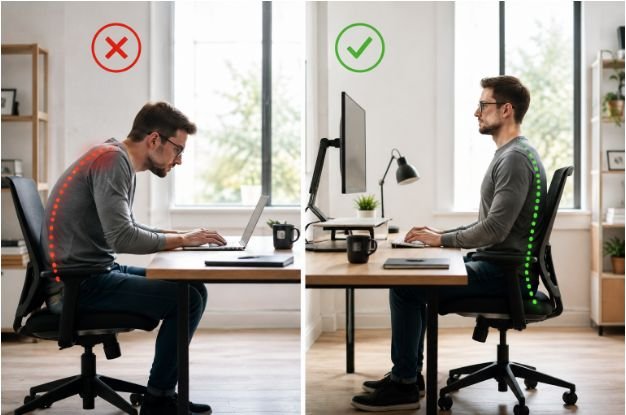
An uncomfortable workstation can make long workdays feel even longer. Neck pain, sore shoulders, and lower back discomfort often have more to do with your setup than the number of hours you work.
Start with the basics. Position your monitor so the top of the screen sits around eye level. Keep your keyboard close enough that your elbows stay relaxed, and make sure both feet rest comfortably on the floor.
If you spend most of your day at a desk, learning posture habits for computer users can make everyday work much more comfortable without requiring expensive equipment.
Small adjustments often create noticeable improvements because your body repeats those positions thousands of times each week.
Eat to Maintain Energy, Not Just Fill Hunger

When work gets busy, grabbing chips or another cup of coffee often feels like the easiest option. Unfortunately, those quick fixes rarely provide lasting energy.
Planning meals ahead of time makes healthier choices much easier. Meals with lean protein, vegetables, whole grains, and healthy fats help maintain steady energy throughout the day instead of causing dramatic highs and lows.
Keeping healthy snacks nearby also prevents the afternoon slump. Fresh fruit, mixed nuts, Greek yogurt, or seeds are simple options that support better concentration while reducing the temptation to order fast food during busy afternoons.
Hydration deserves just as much attention. Even mild dehydration can affect concentration and make you feel more tired than you actually are. Keeping a reusable water bottle within reach is one of the simplest healthy work habits you can build.
Give Your Eyes and Mind a Chance to Recover
Most desk jobs require hours of screen time, but your eyes and brain weren’t designed to stay focused on digital displays without breaks.
Looking away from the screen every so often helps reduce eye strain. Walking away from your desk for a few minutes also gives your mind an opportunity to reset before starting the next task.
Many people also benefit from reducing unnecessary notifications during focused work. Fewer interruptions mean better concentration and less mental fatigue by the end of the day.
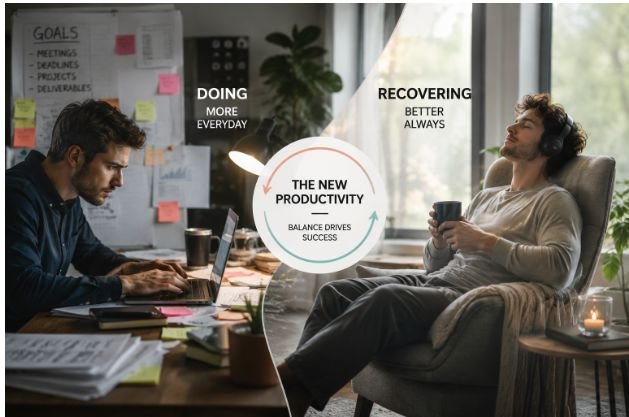
Healthy productivity isn’t about working without stopping. It’s about knowing when short breaks actually help you do better work.
Don’t Ignore Recovery After Work
Staying healthy while working long hours doesn’t end when you log off. Your body still needs time to recover.
Keeping a consistent bedtime helps regulate your internal clock, making it easier to wake up refreshed the next morning. Limiting bright screens before bed also improves sleep quality because it allows your brain to prepare for rest naturally.
Recovery can be simple. Reading, taking a short walk, stretching, or spending time with family gives both your body and mind a chance to recharge before another busy day begins.
Small Changes Usually Last Longer

One reason people struggle with healthy routines is trying to change everything at once. That approach often feels exciting for a week before becoming impossible to maintain.
Instead, choose one habit, make it automatic, and then build another. Drinking more water, taking hourly movement breaks, or preparing tomorrow’s lunch the night before may seem small, but those habits become part of your routine surprisingly quickly.
The healthiest work routine isn’t the most complicated one. It’s the one you can continue even during your busiest weeks.
FAQs: How to Stay Healthy While Working Long Hours Even With a Busy Schedule
Can I stay healthy if I work more than eight hours a day?
Yes. Healthy meals, regular movement, hydration, and proper sleep can help you stay well even during long workdays if practiced consistently.
How often should I take breaks while working?
A short break every hour is a practical goal. Standing, stretching, or walking for a few minutes helps reduce stiffness and refreshes your focus.
What foods help maintain energy during work?
Choose balanced meals with protein, whole grains, vegetables, and healthy fats. Healthy snacks like fruit, yogurt, or nuts also help prevent energy crashes.
Does sleep really affect work performance?
Absolutely. Consistent sleep improves concentration, decision-making, mood, and recovery, making it easier to stay productive throughout the day.
The Best Routine Is the One You Can Keep
I’ve learned that staying healthy isn’t about finding extra hours in the day. It’s comes from making better choices with the time that’s already available. A short walk, a balanced lunch, better posture, or going to bed on time may not seem life-changing on their own, but together they create a routine that supports both your health and your career.
The goal isn’t to work less. It’s to feel better while doing your best work.