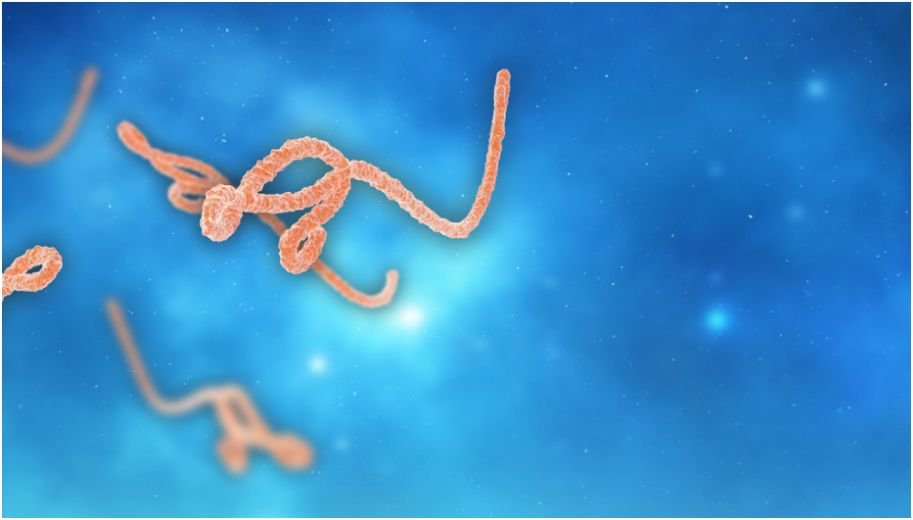
When I reviewed the evidence on Ebola and the microbiome, one finding changed how I understood the disease. The gut is not simply damaged as a secondary effect of severe illness. Laboratory models now show that Ebola virus can infect intestinal cells directly.
Patient research also suggests that microbes may cross a weakened intestinal barrier and enter the bloodstream. However, this does not mean probiotics can prevent or treat Ebola. It means the gut lining, resident microbes, and immune system may interact during severe disease.
A Quick Evidence Snapshot
| Claim | Evidence level | What it means |
| Ebola infects human intestinal cell models | Strong laboratory evidence | Human gut organoids supported infection and viral replication |
| Infection disrupts gut barriers and ion transport | Strong laboratory evidence | These changes may contribute to diarrhea and poor absorption |
| Gut microbes may enter the bloodstream | Human observational evidence | Sequencing and case reports support bacterial translocation |
| Vaginal microbes may influence antibody trapping | Early ex vivo evidence | A small mucus study found differences linked to microbial composition |
| Microbiome therapies improve Ebola outcomes | Not established | No probiotic or microbiome treatment is approved |
This evidence ladder distinguishes proven clinical concerns from findings that remain experimental.
How Ebola Damages the Gut Barrier
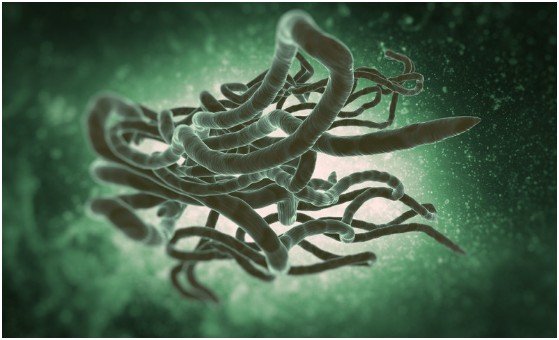
Direct Infection of Intestinal Cells
A 2025 PLOS Pathogens study used human intestinal and colonic organoids grown from induced pluripotent stem cells. These “mini-guts” reproduced important features of intestinal tissue.
Ebola and Marburg viruses infected the organoids, replicated inside them, and produced infectious viral particles. Researchers also found disruption involving apical structures, cellular junctions, and genes responsible for epithelial adhesion.
These findings support a direct explanation for gastrointestinal illness. Ebola can affect tissue responsible for absorbing water, transporting electrolytes, and keeping intestinal microbes contained.
Why Severe Diarrhea Develops
The same study found changes involving adenylate cyclase signaling, CFTR-mediated ion transport, and several absorption pathways. Those disruptions offer a plausible explanation for secretory diarrhea and malabsorption.
Organoids still have important limitations. They cannot reproduce blood flow, nutrition, immune-cell movement, medication effects, or the complete human microbiome. The results explain a possible mechanism rather than the entire disease process.
For patients, fluid and electrolyte loss can become life-threatening. CDC guidance emphasizes fluid replacement, blood-pressure support, oxygenation, nutrition, and active treatment of complications.
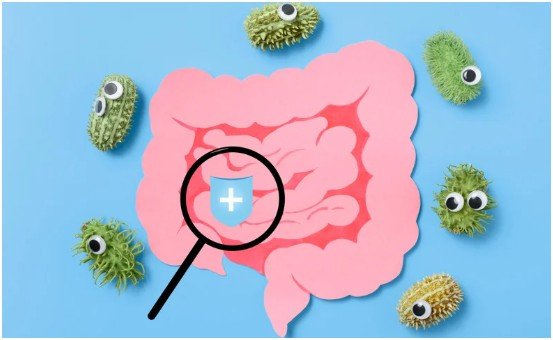
Leaky Gut, Bacterial Translocation, and Sepsis
What Patient Samples Reveal
The relationship between Ebola and the microbiome becomes especially important when the intestinal wall loses integrity.
Microbial translocation happens when bacteria, microbial products, or genetic material move beyond the gut and enter circulation. This process may add a second infectious threat to an already severe viral illness.
A 2017 mSphere study examined blood samples from people with acute Ebola virus disease in Guinea. Researchers detected bacterial genetic material linked to organisms such as:
Escherichia coli, Klebsiella, Enterobacter, Salmonella, Pseudomonas, and Enterococcus.
The pattern was consistent with movement across the bowel wall. However, detecting microbial RNA does not prove that every organism was alive or causing bloodstream infection.
A documented severe Ebola case also involved Gram-negative septicemia thought to result from bacterial movement across an inflamed intestine. Animal research has separately identified intestinal architectural damage and bacterial invasion.
Together, these findings support microbial translocation as a serious possible complication. They do not show that it occurs in every patient.
Why Antibiotics May Be Used
Antibiotics do not kill Ebola virus. Clinicians may use them when bacterial coinfection, bacteremia, or sepsis is suspected.
Current CDC guidance includes treatment of secondary bacterial infections as part of supportive care. It also identifies septic shock as one of the complications medical teams may need to manage.
The microbiome connection may explain why bacterial complications need attention. It does not justify taking leftover antibiotics or attempting treatment without medical supervision.
The Vaginal Microbiome and Sexual Transmission
What the Mucus Study Found
Ebola virus can remain in semen after recovery. CDC confirms that semen from some survivors can transmit the virus and that the duration of viral persistence differs between individuals.
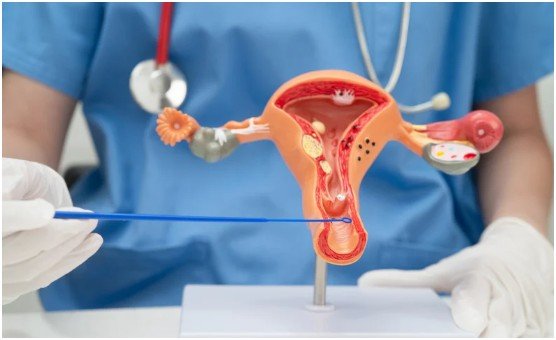
A 2024 study tracked fluorescent Ebola virus-like particles in 50 cervicovaginal mucus samples collected from 17 women. Researchers added ZMapp, an anti-Ebola antibody cocktail, and measured how quickly the particles moved.
The antibodies effectively trapped particles in a subset of samples. Trapping appeared more common in samples dominated by Lactobacillus crispatus.
Among samples with microbiome data, approximately 84% of the trapping group were L. crispatus-dominant. About 43% of the non-trapping samples had the same microbial profile.
What the Research Does Not Prove
This study adds an intriguing dimension to Ebola and the microbiome, but its results remain preliminary.
Researchers used virus-like particles rather than live Ebola virus. The study involved only 17 donors. Slowing particles in mucus is also not the same as preventing infection in a human body.
The research does not prove that probiotics or vaginal microbiome products prevent sexual transmission. Survivors must continue following official guidance on semen testing and safer sexual practices.
Ebola, the Microbiome, and Immune Signaling
A balanced microbiome normally contributes to intestinal barrier maintenance and immune regulation. Microbial metabolites, including short-chain fatty acids, can support epithelial health.
However, direct Ebola-specific evidence remains limited. Scientists have not established that losing beneficial gut bacteria causes a delayed interferon response during Ebola disease.
The organoid study found that Ebola infection altered epithelial immune signaling and suppressed several interferon-response pathways in colonic models. Because those models lacked a complete microbiome, researchers cannot blame the changes on microbial imbalance alone.
This is the main caution surrounding Ebola and the microbiome: association, biological mechanism, and effective treatment represent different levels of evidence.
Researchers still need human studies that track microbiome composition before infection, during acute illness, and throughout recovery.
What US Readers Should Know
Ebola does not spread like influenza or COVID-19. Infection occurs when broken skin or mucous membranes contact infected body fluids, contaminated objects, infected animals, or semen from certain survivors.
People with Ebola cannot transmit the virus before symptoms begin.
For disease caused by Ebola virus, species Orthoebolavirus zairense, the FDA has approved two monoclonal-antibody treatments:
Inmazeb and Ebanga.
These medicines directly target the virus. They are not microbiome therapies. Approved treatments are also unavailable for some other orthoebolavirus species, making accurate identification and supportive care essential.
Anyone with compatible symptoms and a credible exposure should contact healthcare and public-health authorities before arriving at a medical facility. This allows isolation, testing, and protective procedures to be arranged safely.
The Gut Is Not a Side Story
After comparing patient evidence, organoid research, and clinical guidance, I see Ebola and the microbiome as a developing field with genuine clinical relevance and strict scientific limits.
The intestinal lining can become an active site of viral injury. That damage may disrupt fluid control and create a path for bacterial translocation. Mucosal microbes may also influence how antibodies trap viral particles.
The sassy truth is simple: fascinating biology is not a home remedy.
Do not rely on supplements, probiotics, or leftover antibiotics after a suspected exposure. Follow CDC guidance and seek immediate professional assistance.
Frequently Asked Questions
1. Can Ebola directly infect the intestines?
Human gut organoids support direct infection and replication, although more evidence from patients is still needed.
2. Does Ebola cause a leaky gut?
Research supports intestinal barrier damage and possible microbial translocation, but the severity varies between patients.
3. Can probiotics prevent Ebola?
No. No probiotic or microbiome therapy has been proven or approved to prevent or treat Ebola.
4. Does the vaginal microbiome stop sexual transmission?
A small laboratory study found improved particle trapping in some mucus samples, but protection in humans remains unproven.