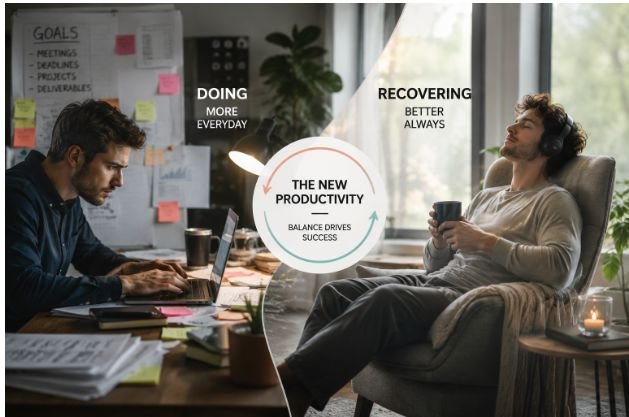
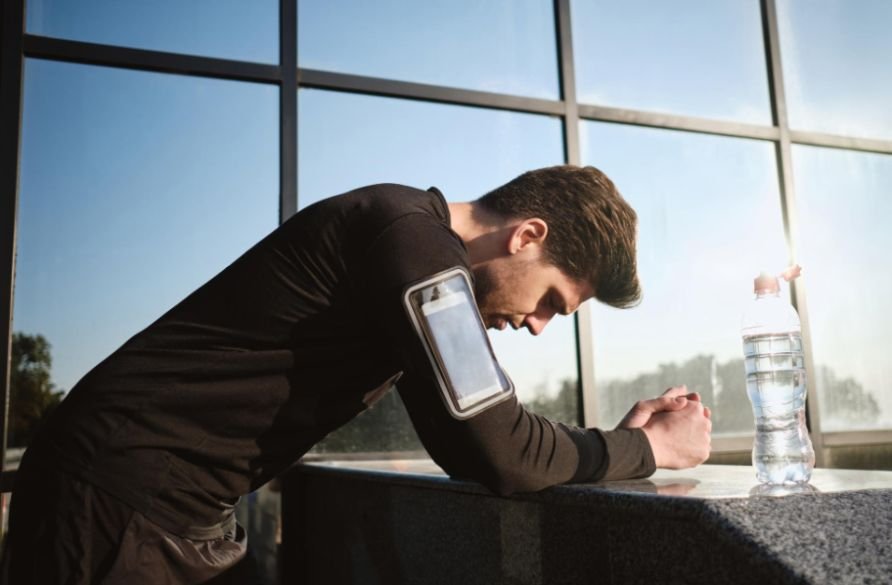
I used to think missing a workout meant losing progress. Even when my legs felt heavy, my sleep was poor, or my motivation disappeared, I still pushed through. Eventually, I learned that discipline also means knowing when to stop.
Recognising the signs your body needs a break from exercise can protect your health, reduce injury risk, and help you return with more energy. Recovery allows your muscles, joints, and nervous system to adapt to completed training.
Normal Fatigue or a Real Need for Rest?
Mild tiredness and soreness after a demanding workout are normal, especially after increasing intensity or trying a new movement. They should gradually improve.
Pay attention when fatigue lingers, performance declines, or discomfort affects daily life. One difficult session does not prove overtraining, but several warning signs together deserve attention.
11 Warning Signs You Should Pause Your Workouts

1. Your Soreness Is Not Improving
Ordinary muscle soreness usually fades within a few days. Pain or stiffness that persists, worsens, or affects normal movement suggests the area needs more recovery.
2. Familiar Workouts Feel Much Harder
Your normal run, cycling session, or strength routine may suddenly feel exhausting. When manageable weights, distances, or speeds become consistently difficult, incomplete recovery may be the reason.
3. Your Performance Keeps Declining
One weak workout is common. Repeatedly lifting less, moving slower, or needing longer breaks may show inadequate recovery.
4. You Feel Exhausted All Day
Exercise should challenge you without draining your entire day. Constant sleepiness, poor concentration, or fatigue before training may indicate inadequate recovery.
This can become more noticeable when demanding workouts are combined with long workdays, making how to stay healthy while working long hours especially relevant to your overall recovery plan.
5. Your Sleep Has Become Worse
Excessive training stress can make falling or staying asleep difficult. Poor sleep then limits repair and energy restoration, creating a cycle of fatigue and disappointing workouts.
6. Your Resting Heart Rate Has Changed
A resting heart rate that remains above your normal pattern may reflect stress, dehydration, illness, or inadequate recovery. Look for a consistent change.
7. Small Aches Keep Returning
Recurring discomfort in your knees, shoulders, hips, feet, or back should not be accepted as the price of fitness. Stop when pain becomes sharp, changes your movement, or worsens during exercise.
8. You Are Irritable or Mentally Foggy
Recovery problems can affect mood and concentration. Training stress combines with work, family, and emotional demands.
9. You Are Getting Sick More Often
Frequent colds, lingering illnesses, or feeling continuously emotionally exhausted can signal that your workload is too high. Training while unwell may delay recovery.
10. You No Longer Enjoy Your Workouts
Motivation naturally changes, but lasting dread, boredom, or resentment may mean your routine is too demanding. A few easier days can restore enthusiasm.
11. You Feel Guilty About Resting
Anxiety or guilt about missing exercise deserves attention. When workouts feel compulsory or continue despite illness and pain, support from a healthcare or mental health professional may help.
Do You Need a Rest Day or a Longer Break?

One rest day may be enough after mild fatigue, normal soreness, or one difficult session. Several recovery days may be better when symptoms have accumulated or daily energy has declined.
A deload period lets you continue moving while reducing training stress. You might lower the weight, repetitions, speed, distance, or weekly frequency. Complete rest is more appropriate during illness, injury, severe exhaustion, or pain with normal movement.
There is no universal timeline. Training experience, sleep, nutrition, age, stress, and symptom severity all influence recovery.
What to Do During an Exercise Break
Prioritise sleep, balanced meals, hydration, and relaxed movement. Walking, gentle mobility, or light stretching may support active recovery when they do not increase pain or fatigue.
A gentle routine of morning stretches to improve flexibility can help maintain comfortable movement during recovery without adding the strain of a full workout.
Do not turn a recovery day into another hard workout. A demanding hike, intense yoga class, or long bicycle ride still adds physical stress.
Return gradually when symptoms improve. Start with a shorter, easier session and notice how you feel during it and the next day. Increase the workload only when your energy and movement remain stable.
When to Speak With a Professional
Seek medical advice for severe or persistent pain, swelling, weakness, fainting, chest discomfort, breathing difficulty, repeated injuries, or major changes in daily functioning. Ongoing exhaustion, disrupted sleep, significant mood changes, or symptoms continuing despite rest also deserve assessment.
Frequently Asked Questions
1. What are the most common signs your body needs a break from exercise?
Common indicators include persistent soreness, unusual fatigue, falling performance, poor sleep, recurring pain, irritability, frequent illness, and lasting loss of motivation.
2. Will several days off reduce my fitness?
A few recovery days are unlikely to erase meaningful progress. Rest may help you return with better energy, movement quality, and motivation.
3. Does walking count as a rest day?
Gentle walking can be active recovery when it feels comfortable and does not worsen pain, soreness, or fatigue.
4. How often should I schedule rest days?
The right frequency depends on workout intensity, experience, health, sleep, and lifestyle stress. Many people benefit from at least one or two easier days each week.
The Takeaways
I now view rest as part of training rather than an interruption. Listening early is easier than being forced to stop because of injury or prolonged exhaustion. When my energy, performance, mood, and sleep change together, I treat the pattern as useful information.
Progress over time depends on a cycle of effort and recovery. Giving your body time to rebuild can make exercise safer, more sustainable, and more enjoyable.