I used to believe a workout plan was working only when a number dropped. Once I learned how to track fitness progress without using a scale, I noticed changes in weight could not explain.
These non-scale wins gave me clearer evidence that my routine was creating useful, lasting physical changes. A scale records total body weight at one moment. It cannot separate muscle, fat, water, food, or normal daily fluctuations.
Why the Scale Can Hide Fitness Progress
Body weight may remain steady while strength and cardiovascular fitness improve. Losing fat while gaining muscle can produce little change on a scale. Hydration, salt, digestion, sleep, stress, and hormonal changes can also affect readings.
Match Your Measurements to Your Goal
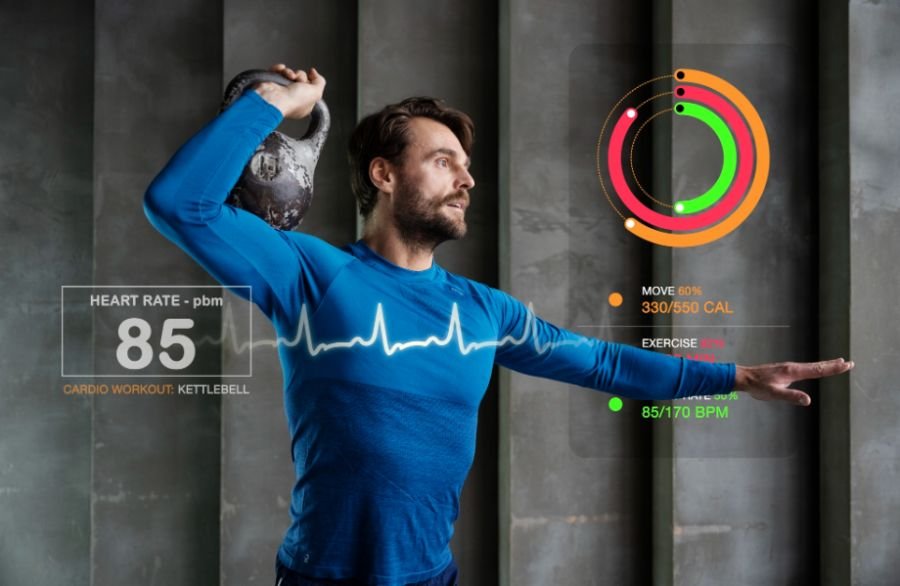
Decide what improvement means to you. A runner may care about pace and recovery. Someone building strength may focus on resistance and repetitions. A person improving general fitness may value energy, mobility, sleep, and daily function. Choose three to five measurements connected to your goal.
Strength and Muscle Goals
Record exercises, resistance, repetitions, sets, and difficulty. Progress may mean lifting more, completing extra repetitions, improving technique, or doing the same workout with less effort.
Endurance and Cardiovascular Goals
Repeat a benchmark under similar conditions. Time a walk, run, cycle, swim, or rowing session over a fixed distance. You can also record how quickly your breathing settles.
Mobility and Functional Goals
Notice whether you can squat comfortably, climb stairs with less fatigue, reach overhead, carry groceries, or get up from the floor without support.
Tracking these everyday abilities can also show whether healthy movement habits for better aging are helping you maintain strength, balance, mobility, and independence over time.
Eight Ways to Measure Progress Without Weighing Yourself
1. Keep a Workout Journal
Record the date, exercises, duration, resistance, repetitions, and how the session felt. Review the journal every few weeks instead of judging individual workouts.
Look for gradual trends. More work completed with good form, shorter recovery, or greater control are signs of improvement.
2. Repeat a Fitness Benchmark
Choose one safe test related to your goal, such as a timed walk, comfortable push-ups, a plank hold, or controlled chair stands completed in one minute.
Repeat it every four to six weeks. Testing too frequently can make normal daily changes seem important.
3. Take Progress Photographs
Take front, side, and back images using similar clothing, lighting, distance, posture, and time of day. Compare them every four weeks rather than daily.
4. Record Body Measurements
Use a flexible tape to measure relevant areas, such as the waist, hips, chest, arms, or thighs. Measure in the same location and under similar conditions.
Every two to four weeks is enough. Keep the tape level and avoid pulling it tightly.
5. Notice How Clothes Fit
A waistband may feel more comfortable, sleeves may fit differently, or workout clothes may allow easier movement. Use the same garment as a reference because different cuts can be misleading.
6. Monitor Energy, Sleep, and Recovery
Improved fitness often appears outside training. You may sleep better, maintain steadier energy, experience less soreness, or recover sooner.
Rate sleep, energy, stress, and soreness from one to five. Weekly averages are more useful than one unusual day.
Nutrition can influence these patterns too, so learning how to compare breakfast cereals by nutrition label may help you choose options that better support steady energy and recovery.
7. Track Consistency and Habits
Record completed workouts, active days, walking breaks, stretching sessions, hydration, or bedtime consistency. A calendar, notebook, or app can make patterns visible.
Aim for sustainable consistency rather than a perfect streak.
8. Review Health and Daily-Life Markers
Progress may include improved blood pressure, easier breathing, better balance, fewer aches, or greater confidence during normal activities. Review health measurements with a qualified professional when appropriate.
Fitness should improve everyday life, not only workout statistics.
How Often Should You Check Progress?
Record workout performance during each session. Review sleep, energy, recovery, and consistency weekly. Take measurements and photographs every two to four weeks. Repeat benchmarks every four to six weeks.
Use similar timing, clothing, equipment, warm-ups, and environments. Consistent conditions make comparisons more reliable.
Frequently Asked Questions
1. How can I track fitness progress at home?
Use a workout journal, repeatable movement tests, photographs, measurements, clothing fit, and weekly ratings for sleep, energy, and soreness.
2. What is the best way to track strength gains?
Record resistance, repetitions, sets, technique, and effort. Improvement includes lifting more, completing additional controlled repetitions, increasing range of motion, or making the same session feel easier.
3. How often should I take progress photos?
Every four weeks is usually enough. Use the same clothing, pose, background, lighting, camera distance, and time of day.
4. Can I learn how to track fitness progress without using a scale while trying to lose fat?
Yes. Combine measurements, photographs, clothing fit, performance, energy, and habit consistency. No single method is perfect, so review several indicators together.
The Bigger Picture
I now see progress as a collection of signals rather than one number. A stronger lift, faster walk, better sleep, easier stairs, and growing confidence can all show that training is working. Reviewing these changes together gives me a fairer picture of what my body can do.
Choose a few meaningful measures, record them consistently, and review trends monthly. Sustainable progress is often visible long before it appears in one measurement.