Blog

  • Hello world!

    Welcome to WordPress. This is your first post. Edit or delete it, then start writing!

  • How to Start Exercising After a Long Break: A Restart Plan

    How to Start Exercising After a Long Break: A Restart Plan

    Returning to fitness can feel difficult. I may remember what my body used to do, yet my current energy may not match those memories. That gap can tempt me to train too hard. The safest approach to how to start exercising after a long break is to accept my present ability, begin with manageable movement, and build consistency before intensity.

    A successful comeback gives the muscles, joints, heart, and lungs time to adapt. This four-week plan creates a gradual path from inactivity to a balanced routine.

    What Happens to Your Body During a Break?

    When regular activity stops, cardiovascular endurance may decline, muscles can lose strength, and familiar movements may require more effort. Mobility can also decrease after months of sitting.

    The body often responds well when activity returns, but the pace depends on health, former fitness, sleep, stress, and the break’s length. Resuming an old program immediately can cause excessive soreness, exhaustion, or injury.

    Recovery after a long break may also depend on how previous illnesses affected energy, digestion, and immune function. Ebola and the microbiome facts you need to know explores how a serious infection can influence the body beyond the initial illness.

    Check Your Readiness Before Restarting

    Consider why the break happened. A busy schedule requires a different plan from recovery after illness, surgery, pregnancy, persistent pain, or injury. Anyone experiencing chest pain, unexplained dizziness, unusual breathlessness, or unstable joints should seek professional guidance first.

    Try walking for ten minutes, standing from a chair, reaching overhead, and climbing a few stairs. This simply shows what currently feels comfortable or difficult.

    Start Below Your Previous Fitness Level

    Start Below Your Previous Fitness Level

    The first workout should feel almost too easy. Try a five-minute warm-up, ten to fifteen minutes of light activity, and a gentle cool-down. Finish feeling capable of returning rather than completely drained.

    Walking, cycling, swimming, mobility work, and low-impact home exercises are useful choices. A simple routine performed consistently is more valuable than a perfect program that feels unpleasant.

    Use the talk test to control effort. During moderate activity, breathing should be faster, but you should still speak in complete sentences. Slow down when conversation becomes difficult.

    Follow a Four-Week Exercise Restart Plan

    Treat this as a flexible framework and move rest days around your responsibilities and recovery.

    Week 1: Rebuild the Habit

    Complete three sessions of 15 to 20 minutes using walking, cycling, swimming, or low-impact aerobics. On two other days, spend five to ten minutes on shoulder circles, ankle movements, hip rotations, and controlled stretches.

    Focus on creating a repeatable exercise time and stop while some energy remains.

    Week 2: Add Basic Strength

    Continue three light cardio sessions and add two short strength workouts. Try chair squats, wall push-ups, glute bridges, supported step-ups, and bird dogs.

    Begin with one or two sets of six to ten repetitions. The muscles should feel challenged, but movements should remain controlled and pain-free.

    Week 3: Increase One Variable

    Add five minutes to selected cardio sessions or a few repetitions to strength exercises. Do not increase duration, frequency, resistance, and intensity together.

    Changing one variable makes recovery easier to assess. Keep at least one complete rest day.

    Week 4: Build a Balanced Routine

    Aim for three cardio sessions, two strength sessions, and regular mobility work. One cardio workout can include one minute of brisk walking followed by two easy minutes.

    Review energy, sleep, soreness, mood, and consistency at the week’s end. Progress according to recovery, not pressure to match a former standard.

    Understand Soreness and Warning Signs

    Understand Soreness and Warning Signs

    Mild muscle stiffness that develops later and improves within a few days is common. Gentle movement, hydration, sleep, and easier sessions may help.

    Sharp, sudden, worsening, or joint-specific pain is different. Stop if pain changes normal movement, creates swelling, or causes weakness. Chest pressure, faintness, or severe breathing difficulty requires prompt medical attention.

    Make Exercise Easier to Maintain

    Motivation changes, so reduce the effort required to begin. Schedule sessions, prepare clothing, and choose a convenient location. A ten-minute workout still counts on a difficult day.

    Modern jobs can make regular movement harder through prolonged sitting, unpredictable schedules, screen fatigue, and blurred boundaries between work and personal time. Understanding how modern work is changing healthy living can help me design an exercise routine that fits my actual lifestyle instead of relying on unrealistic expectations.

    Track completed sessions instead of focusing only on weight or appearance. Progress can mean walking farther, recovering faster, sleeping better, moving with more control, or feeling less resistance to starting.

    Missing one workout does not erase progress. Continue with the next planned session rather than using exercise as punishment.

    Frequently Asked Questions

    1. How many days a week should I exercise initially?

    Two or three planned sessions can be enough. Add frequency only when soreness, energy, and sleep remain manageable.

    2. What is the best first workout after inactivity?

    A short walk followed by gentle mobility suits many people. The best activity is low impact, accessible, and easy to repeat.

    3. How long does it take to regain fitness?

    Improvements may appear within a few weeks, but the timeline depends on consistency, recovery, previous experience, and the length of inactivity.

    4. Is soreness normal when starting again?

    Mild muscle soreness can be normal. Sharp pain, swelling, instability, or symptoms that worsen should not be ignored.

    5. What is the safest way to learn how to start exercising after a long break?

    Begin below your former level, choose low-impact movement, increase one training variable at a time, and allow enough recovery between sessions.

    Moving Forward With Confidence

    I do not need to recreate my old routine in one week. I need a starting point that respects my current body and works on busy or low-energy days. When I measure progress through consistency, movement quality, and recovery, exercise becomes a sustainable habit rather than a test.

    My comeback may not be perfectly linear. By staying patient, adjusting when necessary, and returning after interruptions, I can rebuild fitness without turning the process into punishment.

  • How Modern Work Is Changing Healthy Living One Routine at a Time

    How Modern Work Is Changing Healthy Living One Routine at a Time

    A few years ago, I used to think living a healthy lifestyle simply meant finding time to work out after work. If I could squeeze in a gym session and eat something decent for dinner, I felt like I had done enough. Over time, I realized the hardest part wasn’t exercising. It was everything that happened during the other ten or twelve hours of the day. Sitting for long stretches, rushing through meals, staring at screens, and carrying work into the evening quietly shaped how I felt more than one workout ever could.

    That realization seems to be happening everywhere. Healthy living isn’t being treated as something separate from work anymore. It’s becoming part of the workday itself. Instead of waiting until the weekend to reset, people are finding simple ways to move more, eat better, manage stress, and protect their energy while they’re actually working. Those small changes are creating routines that feel easier to maintain because they fit naturally into everyday life.

    Work Is No Longer Separate From Healthy Living

    Work Is No Longer Separate From Healthy Living

    The modern workplace has changed almost every part of daily life. Flexible schedules, remote work, hybrid offices, and constant digital communication have given people more freedom in some ways while making it harder to switch off in others.

    This shift has changed what healthy living looks like. Instead of depending on one hour at the gym or a strict meal plan, people are building wellness into the spaces between meetings, deadlines, and daily responsibilities. The focus has moved from dramatic lifestyle changes to habits that support both productivity and long-term well-being.

    Small Movement Breaks Are Replacing Long Periods of Sitting

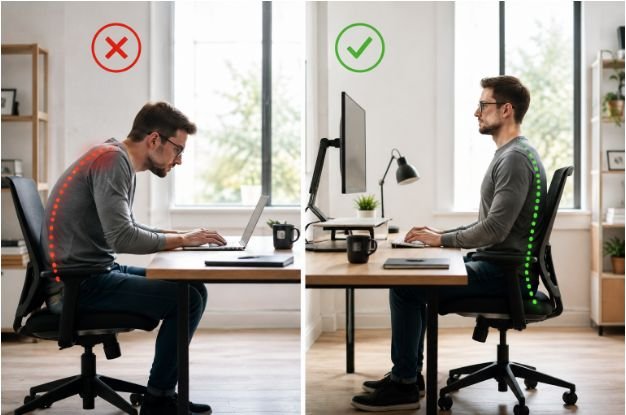
    Many professionals spend most of their day at a desk. Even people who exercise regularly can still experience the effects of sitting for hours without moving.

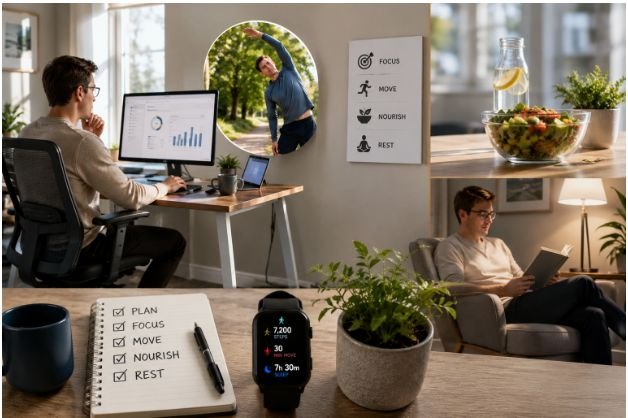
    That’s why short movement breaks are becoming part of healthy work habits. A quick walk around the office, stretching between meetings, or standing during phone calls can improve circulation and reduce stiffness. Some people use standing desks, while others simply set reminders to get up every hour.

    These short bursts of movement may seem minor, but they help break the cycle of prolonged inactivity without disrupting the workday.

    Better Nutrition Starts With Better Timing

    Better Nutrition Starts With Better Timing

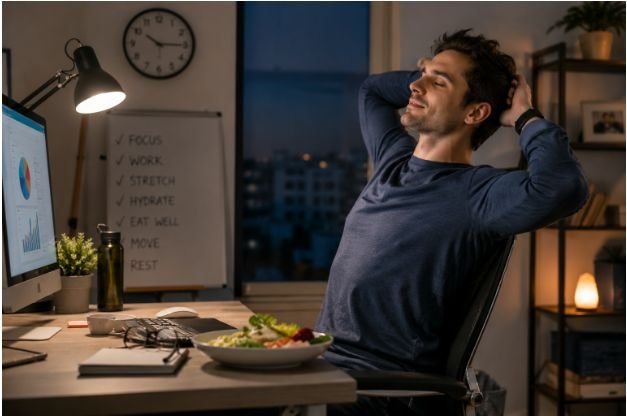
    Busy schedules often lead to skipped meals or grabbing whatever food is most convenient. That habit usually provides a quick burst of energy followed by an afternoon crash.

    Instead of relying on processed snacks, many people now prepare balanced meals ahead of time and keep healthier options nearby during the workday. Drinking enough water has also become a bigger priority because dehydration can affect concentration just as much as poor sleep.

    The goal isn’t eating perfectly every day. It’s creating routines that make healthier choices the easiest option when work gets busy.

    Recovery Is Becoming Part of the Workday

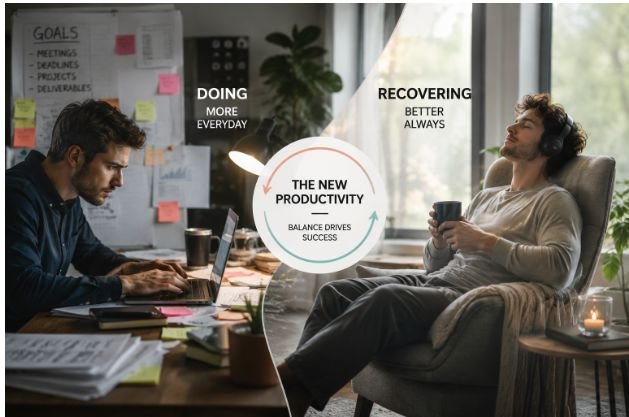
    For years, productivity was often measured by how long someone could stay busy. That mindset is changing.

    More professionals are recognizing that recovery isn’t something earned after burnout. It’s something that helps prevent it in the first place. Short breathing exercises, stepping outside for fresh air, or taking a genuine lunch break can improve focus far more than pushing through mental exhaustion.

    This shift explains why recovery is becoming the new productivity. Rest is no longer viewed as lost time. It’s becoming an important part of performing well throughout the day instead of running on empty.

    Daily Routines Are Supporting Better Mental Health

    Daily Routines Are Supporting Better Mental Health

    Mental health conversations have become much more practical. Rather than waiting until stress becomes overwhelming, people are creating routines that reduce it before it builds up.

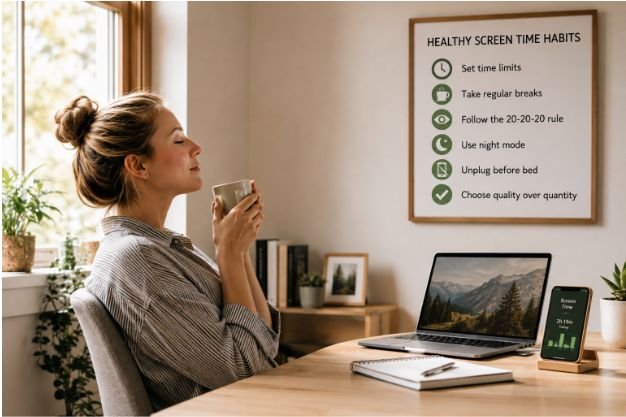
    Simple habits like looking away from a screen every hour, practicing a few minutes of mindful breathing between meetings, or writing down tomorrow’s priorities before ending the workday help create a clearer separation between work and personal life.

    These routines don’t eliminate pressure, but they make it easier to manage without feeling constantly overwhelmed.

    Consistent Schedules Help the Body Work Better

    Irregular work hours can affect much more than sleep. They also influence energy levels, appetite, focus, and overall well-being.

    Many people are trying to keep consistent wake-up times even when their work schedule changes. Morning sunlight, regular meal times, and limiting screen use before bed help support the body’s natural circadian rhythm.

    These habits may sound simple, but they often have a bigger impact than complicated wellness plans because they’re repeated every day.

    Healthy Living Is Becoming More Personal

    Healthy Living Is Becoming More Personal

    One of the biggest changes in recent years is that people are defining health differently. Some focus on walking more. Others prioritize better sleep, meal planning, or spending less time online after work.

    There isn’t a single routine that works for everyone. The healthiest habits are usually the ones that fit naturally into an individual’s schedule instead of adding more pressure to an already busy day.

    Modern work has made healthy living more flexible. Success is no longer measured by following someone else’s routine but by building one that feels realistic enough to continue.

    FAQs: How Modern Work Is Changing Healthy Living One Routine at a Time

    1. How has modern work changed healthy living?
    Modern work has encouraged people to build healthier habits into the workday through movement breaks, better nutrition, consistent routines, and improved work-life boundaries instead of relying only on after-work wellness activities.

    2. Why are small daily habits becoming more popular?
    Small habits are easier to maintain, fit naturally into busy schedules, and often produce better long-term results than making dramatic lifestyle changes all at once.

    3. Can remote or hybrid work improve well-being?
    It can when people use the flexibility wisely by creating structured routines, staying active, taking regular breaks, and protecting personal time after work.

    4. What is the easiest healthy habit to start with?
    Choose one simple routine, such as walking for five minutes every hour, drinking more water, or avoiding screens before bed, then build from there.

    The Best Routine Is the One You Can Keep

    I’ve come to realize that healthy living doesn’t depend on finding more hours in the day. It depends on making better use of the hours that already exist. The routines people are building today aren’t complicated because they don’t need to be. They work because they become part of everyday life instead of something that only happens when there’s extra time.

    The healthiest routine isn’t the most ambitious one. It’s the one you’ll still be following months from now.

  • Simple Daily Movement Habits for Better Health at Home

    Simple Daily Movement Habits for Better Health at Home

    I once believed that staying active required a long workout, special equipment, or an uninterrupted hour at the gym. On busy days, that made movement easy to postpone. What changed my approach was learning that simple daily movement habits for better health can be spread across work, meals, chores, conversations, and relaxation.

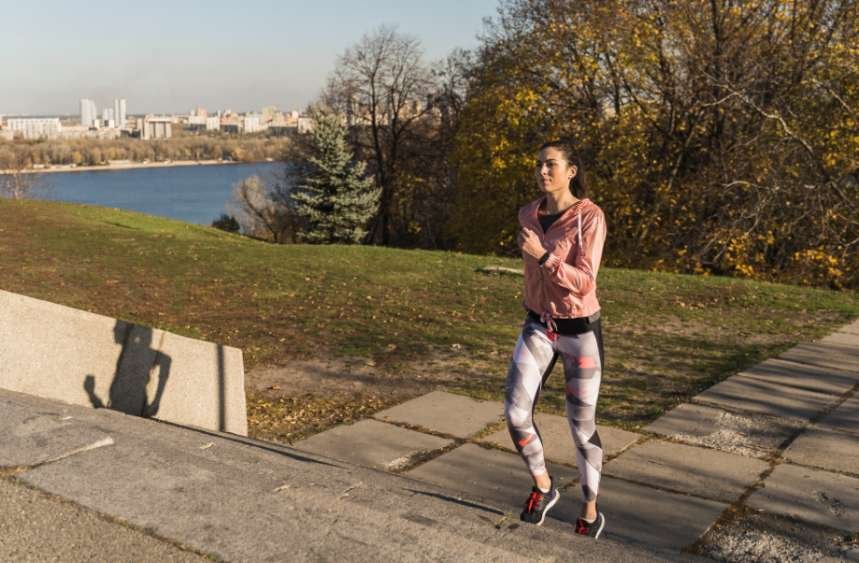
    Movement does not have to look like formal exercise. Walking, standing during a call, stretching, gardening, cleaning, and playing with a pet all require energy. The goal is to reduce long periods of inactivity and give the body regular chances to move.

    What Counts as Daily Movement?

    Daily movement includes workouts and ordinary activities. A short walk, a flight of stairs, household chores, or a few chair rises can all contribute. One- to five-minute activity sessions, sometimes called exercise snacks, are often easier to fit into a normal day.

    Why Moving More Often Matters

    Extended sitting can leave the body stiff. Brief activity breaks engage muscles, support circulation, improve mobility, and provide a mental reset. Sustainable habits work best when attached to activities that already happen.

    10 Easy Movement Habits to Try

    10 Easy Movement Habits to Try

    1. Stretch Before Getting Out of Bed

    Begin with ankle circles, gentle arm reaches, and slow knee bends. One or two minutes can help the body transition from rest to activity.

    2. Walk After a Meal

    Take a short walk after a meal. Walk outdoors, through a workplace, or around the house. Even several laps between rooms can break up sitting.

    3. Move While Using Your Phone

    Stand during calls, pace while listening to messages, or perform calf raises. Pairing movement with an existing habit makes it easier to remember.

    4. Take an Hourly Activity Break

    Set a reminder to stand, stretch, march in place, or refill your water every 30 to 60 minutes. The break can be brief; regularity matters more than duration.

    5. Use Stairs When Safe

    One flight of stairs can add movement to an ordinary trip. Start gradually and use a railing. Choose another option if stairs cause pain or balance problems.

    6. Make Chores More Active

    Vacuuming, sweeping, gardening, washing a car, and carrying laundry all count. Work at a comfortable pace and avoid loads that affect your posture.

    7. Move During Screen Time

    Stand between episodes, stretch during advertisements, or walk in place while watching television. Sit-to-stand repetitions from a sturdy chair can strengthen the legs.

    8. Carry Items in Smaller Trips

    Bring groceries, laundry, or supplies in several light trips instead of one heavy load. This adds walking while reducing unnecessary strain.

    9. Turn Conversations Into Walks

    Walk during informal meetings, phone calls, or conversations with family members. Movement can feel easier when it becomes social.

    10. End With Gentle Mobility

    Before bed, slowly move the shoulders, hips, ankles, and upper back. Keep the routine calm and comfortable.

    A Simple Morning-to-Evening Routine

    In the morning, stretch for two minutes and stand while preparing breakfast. During work, take a short movement break each hour and walk during one phone call. After lunch, walk for five minutes. In the evening, do an active household task, walk after dinner, and finish with gentle mobility.

    Adapt the routine to your environment. At home, walk between rooms. At work, use a farther restroom or refill your water bottle more often.

    How to Make the Habits Last

    How to Make the Habits Last

    Begin with one or two actions rather than changing everything at once. Attach each action to a reliable cue, such as brushing your teeth, finishing a meal, or ending a meeting. Keep the first version easy enough to repeat on a busy day.

    When rebuilding activity after months of inactivity, how to start exercising after a long break provides a gradual approach for improving consistency, strength, and stamina without overwhelming the body.

    Simple tracking can reinforce consistency. Mark a calendar, use a phone reminder, or record completed walks. Increase time or intensity only after the routine feels comfortable.

    Keep comfortable shoes visible or leave room beside a chair for stretching. A supportive environment makes starting easier.

    Movement Options for Limited Mobility

    Seated marching, ankle pumps, arm circles, hand opening, and gentle torso turns are useful options. A sturdy chair or countertop can provide support during standing exercises.

    People with chronic pain, dizziness, recent surgery, heart concerns, or major mobility limitations should speak with a healthcare professional before changing their activity level. Stop if movement causes chest pain, faintness, or unusual shortness of breath.

    Frequently Asked Questions

    1. Are simple daily movement habits for better health enough without formal exercise?

    They are a strong foundation and can reduce prolonged inactivity. Many adults also benefit from planned aerobic, strength, balance, and flexibility activities suited to their ability and medical needs.

    2. How often should I take a movement break?

    A practical starting point is a few minutes of movement after every 30 to 60 minutes of sitting.

    3. Do Household Chores Count as Physical Activity?

    Yes. Cleaning, gardening, carrying laundry, and similar tasks use energy and contribute to an active day.

    4. What Can I Do on a Low-Energy Day?

    Stretch for one minute, walk after one meal, stand during one call, complete five chair rises, and move gently before bed.

    A Healthier Day Through Small Actions

    I now see movement as something that can happen throughout my day rather than only during a workout. I can add it while preparing food, answering calls, completing chores, or relaxing in the evening.

    This broader approach reflects healthy living beyond diet and exercise, where everyday routines, sleep, emotional wellbeing, social connection, and stress management also contribute to long-term health.

    The aim is not to reach a perfect activity score. It is to sit a little less, move a little more, and build confidence gradually. One short walk or stretch may feel small, but repeated actions can change the rhythm of an entire day.

  • Healthy Living Beyond Diet and Exercise Is Easier Than You Might Think

    Healthy Living Beyond Diet and Exercise Is Easier Than You Might Think

    For a long time, I believed I was doing everything right. I ate balanced meals most days, stayed active, and tried to hit my workout goals every week. Still, there were mornings when I felt tired before the day even started, and there were weeks when stress seemed to cancel out every healthy choice I made. It made me realize that feeling healthy isn’t always the same as looking healthy.

    The more I paid attention, the more I noticed that the people who seemed to have the most energy weren’t necessarily spending hours in the gym. They slept well, protected their downtime, stayed connected with people they cared about, and had routines that felt realistic instead of perfect. That completely changed how I looked at healthy living beyond diet and exercise.

    Why Wellness Has Become Bigger Than Food and Fitness

    Why Wellness Has Become Bigger Than Food and Fitness

    Nutrition and physical activity will always be important, but they are only two pieces of a much larger picture. Health is influenced by how well you sleep, how you respond to stress, the quality of your relationships, and even the environment you spend most of your time in.

    Research continues to show that long-term well-being comes from consistent habits rather than extreme changes. Instead of chasing the next wellness trend, more people are building routines that support both physical and mental health every single day.

    Sleep Is One of the Most Overlooked Health Habits

    Many people try to improve their energy by drinking another cup of coffee or squeezing in another workout. In reality, the problem often starts the night before.

    Getting seven to nine hours of quality sleep gives the body time to repair muscles, regulate hormones, strengthen the immune system, and support healthy brain function. Sleep also plays a major role in metabolism, mood, and decision-making.

    Keeping a regular bedtime, limiting bright screens before sleeping, and creating a quiet bedroom can make a noticeable difference without requiring major lifestyle changes.

    Stress Affects More Than Your Mind

    Stress Affects More Than Your Mind

    Stress isn’t only emotional. It can influence blood pressure, digestion, sleep quality, concentration, and even recovery after exercise.

    The good news is that managing stress doesn’t require hours of meditation. Even five minutes of slow breathing, a short walk outside, or stepping away from a busy schedule for a mental reset can help calm the nervous system.

    Many people also find that reading, gardening, listening to music, or spending time with pets creates enough distance from daily pressures to feel refreshed again.

    Strong Relationships Support Better Health

    It’s easy to think of wellness as something personal, but healthy relationships have a powerful influence on overall well-being.

    Talking with a friend, sharing a meal with family, or joining a local club provides emotional support that helps people handle life’s challenges more effectively. Social connections also encourage healthier habits because people naturally motivate and hold each other accountable.

    Even a quick phone call or message during a busy week can strengthen those relationships more than most people expect.

    Your Daily Environment Shapes Your Habits

    Your Daily Environment Shapes Your Habits

    Healthy choices become easier when your surroundings support them.

    A workspace with natural light, fewer distractions, and regular movement breaks can improve focus throughout the day. At home, keeping healthy snacks within reach, reducing clutter, and creating a comfortable place to relax often encourages better routines without relying on constant willpower.

    That’s one reason conversations around how modern work is changing healthy living have become more common. As work and personal life continue to blend together, creating environments that support both productivity and recovery has become just as important as eating well.

    Recovery Is Just as Important as Productivity

    Being busy has long been treated like a sign of success, but constant activity without recovery usually leads to exhaustion.

    Recovery doesn’t always mean taking a vacation. It can be as simple as taking regular breaks, stretching between meetings, spending time outdoors, or protecting an evening from work notifications.

    These moments allow the body and mind to recharge, making it easier to stay productive without feeling overwhelmed. People who recover consistently often maintain healthy routines much longer than those who push themselves every day without slowing down.

    Preventive Care Deserves More Attention

    Preventive Care Deserves More Attention

    Many people wait until something feels wrong before thinking about their health. Preventive care takes a different approach by identifying potential concerns early.

    Regular health checkups, dental visits, vision exams, recommended screenings, and staying current with vaccinations all contribute to long-term wellness. These appointments may not seem exciting, but they often prevent small issues from becoming larger problems.

    Looking after your health before symptoms appear is one of the simplest ways to protect your future well-being.

    Small Habits Create Lasting Change

    One of the biggest mistakes people make is trying to change everything at once.

    Building one small habit, whether it’s sleeping thirty minutes earlier, drinking more water, calling a friend each week, or taking a short walk after dinner, is much easier to maintain than following an unrealistic plan.

    Healthy living beyond diet and exercise isn’t built through perfection. It’s created by repeating manageable habits until they become part of everyday life.

    FAQs: Healthy Living Beyond Diet and Exercise Is Easier Than You Might Think

    1. Is healthy living only about eating well and exercising?
    No. Good health also depends on sleep, stress management, relationships, recovery, preventive care, and daily habits that support overall well-being.

    2. How much sleep should most adults get?
    Most adults benefit from seven to nine hours of quality sleep each night to support physical recovery, brain function, mood, and energy.

    3. Can small lifestyle changes really improve health?
    Yes. Consistent habits like walking regularly, reducing screen time before bed, staying connected with loved ones, and managing stress often produce meaningful long-term benefits.

    4. Why are social connections considered part of wellness?
    Supportive relationships improve emotional health, reduce feelings of isolation, encourage healthy habits, and help people cope with everyday challenges more effectively.

    The Healthiest Lifestyle Is the One You Can Keep

    The healthiest people aren’t usually the ones following the strictest routines. They’re the ones who have found habits that fit naturally into their lives and continue showing up for them day after day. That’s why healthy living extends far beyond what’s on your plate or how often you exercise.

    When everyday choices become easier to maintain, staying healthy stops feeling like a challenge and simply becomes part of how you live.

  • Ebola and the Microbiome: Facts You Need to Know

    Ebola and the Microbiome: Facts You Need to Know

    When I reviewed the evidence on Ebola and the microbiome, one finding changed how I understood the disease. The gut is not simply damaged as a secondary effect of severe illness. Laboratory models now show that Ebola virus can infect intestinal cells directly.

    Patient research also suggests that microbes may cross a weakened intestinal barrier and enter the bloodstream. However, this does not mean probiotics can prevent or treat Ebola. It means the gut lining, resident microbes, and immune system may interact during severe disease.

    A Quick Evidence Snapshot

    Claim Evidence level What it means
    Ebola infects human intestinal cell models Strong laboratory evidence Human gut organoids supported infection and viral replication
    Infection disrupts gut barriers and ion transport Strong laboratory evidence These changes may contribute to diarrhea and poor absorption
    Gut microbes may enter the bloodstream Human observational evidence Sequencing and case reports support bacterial translocation
    Vaginal microbes may influence antibody trapping Early ex vivo evidence A small mucus study found differences linked to microbial composition
    Microbiome therapies improve Ebola outcomes Not established No probiotic or microbiome treatment is approved

    This evidence ladder distinguishes proven clinical concerns from findings that remain experimental.

    How Ebola Damages the Gut Barrier

    How Ebola Damages the Gut Barrier

    Direct Infection of Intestinal Cells

    A 2025 PLOS Pathogens study used human intestinal and colonic organoids grown from induced pluripotent stem cells. These “mini-guts” reproduced important features of intestinal tissue.
    Ebola and Marburg viruses infected the organoids, replicated inside them, and produced infectious viral particles. Researchers also found disruption involving apical structures, cellular junctions, and genes responsible for epithelial adhesion.

    These findings support a direct explanation for gastrointestinal illness. Ebola can affect tissue responsible for absorbing water, transporting electrolytes, and keeping intestinal microbes contained.

    Why Severe Diarrhea Develops

    The same study found changes involving adenylate cyclase signaling, CFTR-mediated ion transport, and several absorption pathways. Those disruptions offer a plausible explanation for secretory diarrhea and malabsorption.

    Organoids still have important limitations. They cannot reproduce blood flow, nutrition, immune-cell movement, medication effects, or the complete human microbiome. The results explain a possible mechanism rather than the entire disease process.

    For patients, fluid and electrolyte loss can become life-threatening. CDC guidance emphasizes fluid replacement, blood-pressure support, oxygenation, nutrition, and active treatment of complications.

    Leaky Gut, Bacterial Translocation, and Sepsis

    Leaky Gut, Bacterial Translocation, and Sepsis

    What Patient Samples Reveal

    The relationship between Ebola and the microbiome becomes especially important when the intestinal wall loses integrity.

    Microbial translocation happens when bacteria, microbial products, or genetic material move beyond the gut and enter circulation. This process may add a second infectious threat to an already severe viral illness.

    A 2017 mSphere study examined blood samples from people with acute Ebola virus disease in Guinea. Researchers detected bacterial genetic material linked to organisms such as:

    Escherichia coli, Klebsiella, Enterobacter, Salmonella, Pseudomonas, and Enterococcus.

    The pattern was consistent with movement across the bowel wall. However, detecting microbial RNA does not prove that every organism was alive or causing bloodstream infection.

    A documented severe Ebola case also involved Gram-negative septicemia thought to result from bacterial movement across an inflamed intestine. Animal research has separately identified intestinal architectural damage and bacterial invasion.

    Together, these findings support microbial translocation as a serious possible complication. They do not show that it occurs in every patient.

    Why Antibiotics May Be Used

    Antibiotics do not kill Ebola virus. Clinicians may use them when bacterial coinfection, bacteremia, or sepsis is suspected.

    Current CDC guidance includes treatment of secondary bacterial infections as part of supportive care. It also identifies septic shock as one of the complications medical teams may need to manage.

    The microbiome connection may explain why bacterial complications need attention. It does not justify taking leftover antibiotics or attempting treatment without medical supervision.

    The Vaginal Microbiome and Sexual Transmission

    The Vaginal Microbiome and Sexual Transmission

    What the Mucus Study Found

    Ebola virus can remain in semen after recovery. CDC confirms that semen from some survivors can transmit the virus and that the duration of viral persistence differs between individuals.

    A 2024 study tracked fluorescent Ebola virus-like particles in 50 cervicovaginal mucus samples collected from 17 women. Researchers added ZMapp, an anti-Ebola antibody cocktail, and measured how quickly the particles moved.

    The antibodies effectively trapped particles in a subset of samples. Trapping appeared more common in samples dominated by Lactobacillus crispatus.

    Among samples with microbiome data, approximately 84% of the trapping group were L. crispatus-dominant. About 43% of the non-trapping samples had the same microbial profile.

    What the Research Does Not Prove

    This study adds an intriguing dimension to Ebola and the microbiome, but its results remain preliminary.

    Researchers used virus-like particles rather than live Ebola virus. The study involved only 17 donors. Slowing particles in mucus is also not the same as preventing infection in a human body.

    The research does not prove that probiotics or vaginal microbiome products prevent sexual transmission. Survivors must continue following official guidance on semen testing and safer sexual practices.

    Ebola, the Microbiome, and Immune Signaling

    Ebola, the Microbiome, and Immune Signaling

    A balanced microbiome normally contributes to intestinal barrier maintenance and immune regulation. Microbial metabolites, including short-chain fatty acids, can support epithelial health.

    However, direct Ebola-specific evidence remains limited. Scientists have not established that losing beneficial gut bacteria causes a delayed interferon response during Ebola disease.

    The organoid study found that Ebola infection altered epithelial immune signaling and suppressed several interferon-response pathways in colonic models. Because those models lacked a complete microbiome, researchers cannot blame the changes on microbial imbalance alone.

    This is the main caution surrounding Ebola and the microbiome: association, biological mechanism, and effective treatment represent different levels of evidence.

    Researchers still need human studies that track microbiome composition before infection, during acute illness, and throughout recovery.

    What US Readers Should Know

    Ebola does not spread like influenza or COVID-19. Infection occurs when broken skin or mucous membranes contact infected body fluids, contaminated objects, infected animals, or semen from certain survivors.

    People with Ebola cannot transmit the virus before symptoms begin.

    For disease caused by Ebola virus, species Orthoebolavirus zairense, the FDA has approved two monoclonal-antibody treatments:

    Inmazeb and Ebanga.

    These medicines directly target the virus. They are not microbiome therapies. Approved treatments are also unavailable for some other orthoebolavirus species, making accurate identification and supportive care essential.

    Anyone with compatible symptoms and a credible exposure should contact healthcare and public-health authorities before arriving at a medical facility. This allows isolation, testing, and protective procedures to be arranged safely.

    The Gut Is Not a Side Story

    After comparing patient evidence, organoid research, and clinical guidance, I see Ebola and the microbiome as a developing field with genuine clinical relevance and strict scientific limits.

    The intestinal lining can become an active site of viral injury. That damage may disrupt fluid control and create a path for bacterial translocation. Mucosal microbes may also influence how antibodies trap viral particles.

    The sassy truth is simple: fascinating biology is not a home remedy.

    Do not rely on supplements, probiotics, or leftover antibiotics after a suspected exposure. Follow CDC guidance and seek immediate professional assistance.

    Frequently Asked Questions

    1. Can Ebola directly infect the intestines?

    Human gut organoids support direct infection and replication, although more evidence from patients is still needed.

    2. Does Ebola cause a leaky gut?

    Research supports intestinal barrier damage and possible microbial translocation, but the severity varies between patients.

    3. Can probiotics prevent Ebola?

    No. No probiotic or microbiome therapy has been proven or approved to prevent or treat Ebola.

    4. Does the vaginal microbiome stop sexual transmission?

    A small laboratory study found improved particle trapping in some mucus samples, but protection in humans remains unproven.