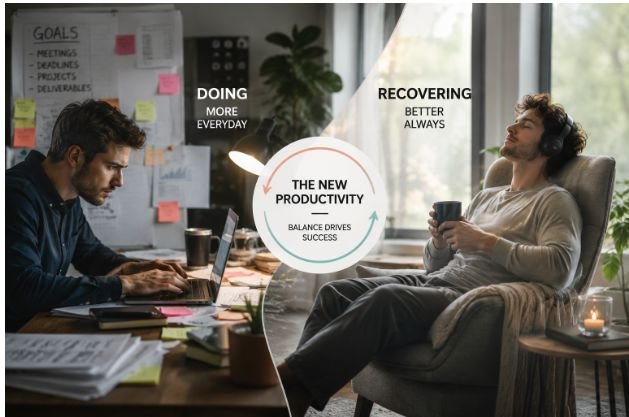
I once believed that staying active required a long workout, special equipment, or an uninterrupted hour at the gym. On busy days, that made movement easy to postpone. What changed my approach was learning that simple daily movement habits for better health can be spread across work, meals, chores, conversations, and relaxation.
Movement does not have to look like formal exercise. Walking, standing during a call, stretching, gardening, cleaning, and playing with a pet all require energy. The goal is to reduce long periods of inactivity and give the body regular chances to move.
What Counts as Daily Movement?
Daily movement includes workouts and ordinary activities. A short walk, a flight of stairs, household chores, or a few chair rises can all contribute. One- to five-minute activity sessions, sometimes called exercise snacks, are often easier to fit into a normal day.
Why Moving More Often Matters
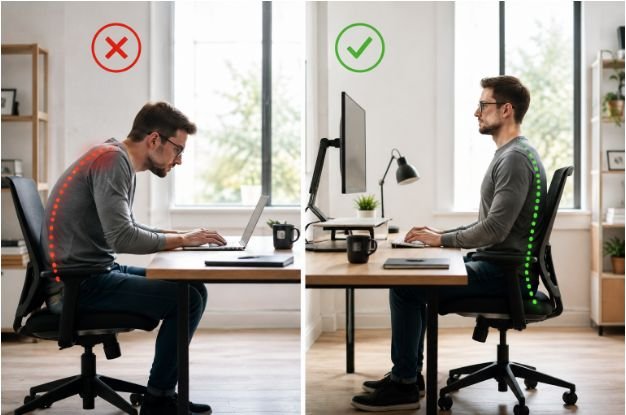
Extended sitting can leave the body stiff. Brief activity breaks engage muscles, support circulation, improve mobility, and provide a mental reset. Sustainable habits work best when attached to activities that already happen.
10 Easy Movement Habits to Try
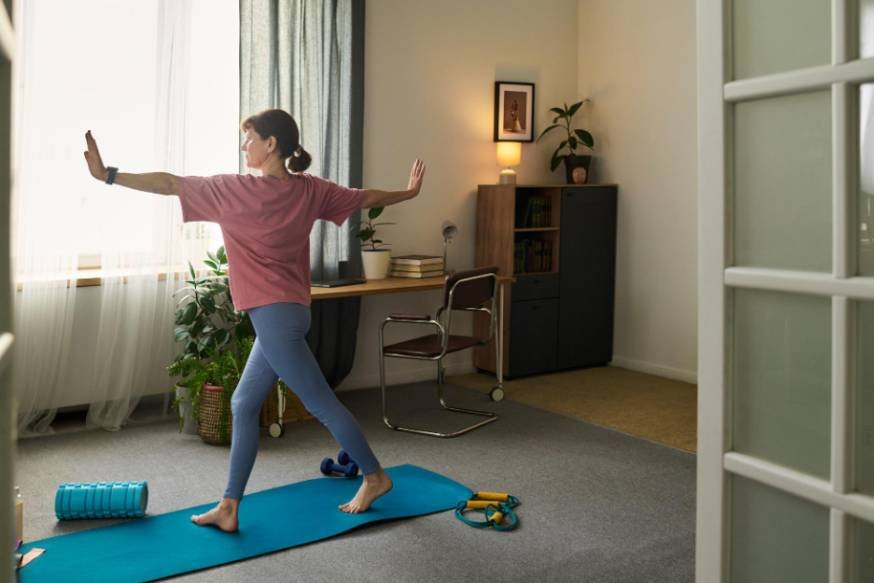
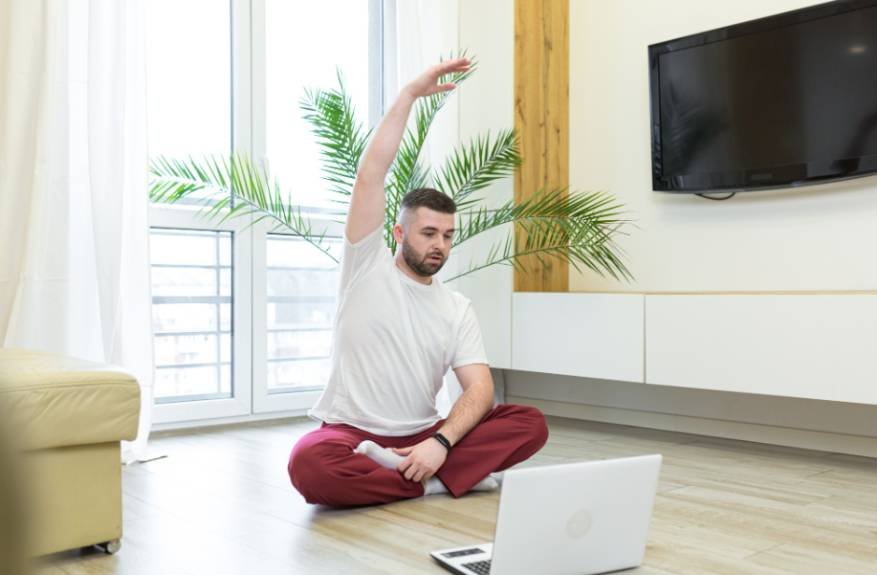
1. Stretch Before Getting Out of Bed
Begin with ankle circles, gentle arm reaches, and slow knee bends. One or two minutes can help the body transition from rest to activity.
2. Walk After a Meal
Take a short walk after a meal. Walk outdoors, through a workplace, or around the house. Even several laps between rooms can break up sitting.
3. Move While Using Your Phone
Stand during calls, pace while listening to messages, or perform calf raises. Pairing movement with an existing habit makes it easier to remember.
4. Take an Hourly Activity Break
Set a reminder to stand, stretch, march in place, or refill your water every 30 to 60 minutes. The break can be brief; regularity matters more than duration.
5. Use Stairs When Safe
One flight of stairs can add movement to an ordinary trip. Start gradually and use a railing. Choose another option if stairs cause pain or balance problems.
6. Make Chores More Active
Vacuuming, sweeping, gardening, washing a car, and carrying laundry all count. Work at a comfortable pace and avoid loads that affect your posture.
7. Move During Screen Time
Stand between episodes, stretch during advertisements, or walk in place while watching television. Sit-to-stand repetitions from a sturdy chair can strengthen the legs.
8. Carry Items in Smaller Trips
Bring groceries, laundry, or supplies in several light trips instead of one heavy load. This adds walking while reducing unnecessary strain.
9. Turn Conversations Into Walks
Walk during informal meetings, phone calls, or conversations with family members. Movement can feel easier when it becomes social.
10. End With Gentle Mobility
Before bed, slowly move the shoulders, hips, ankles, and upper back. Keep the routine calm and comfortable.
A Simple Morning-to-Evening Routine
In the morning, stretch for two minutes and stand while preparing breakfast. During work, take a short movement break each hour and walk during one phone call. After lunch, walk for five minutes. In the evening, do an active household task, walk after dinner, and finish with gentle mobility.
Adapt the routine to your environment. At home, walk between rooms. At work, use a farther restroom or refill your water bottle more often.
How to Make the Habits Last
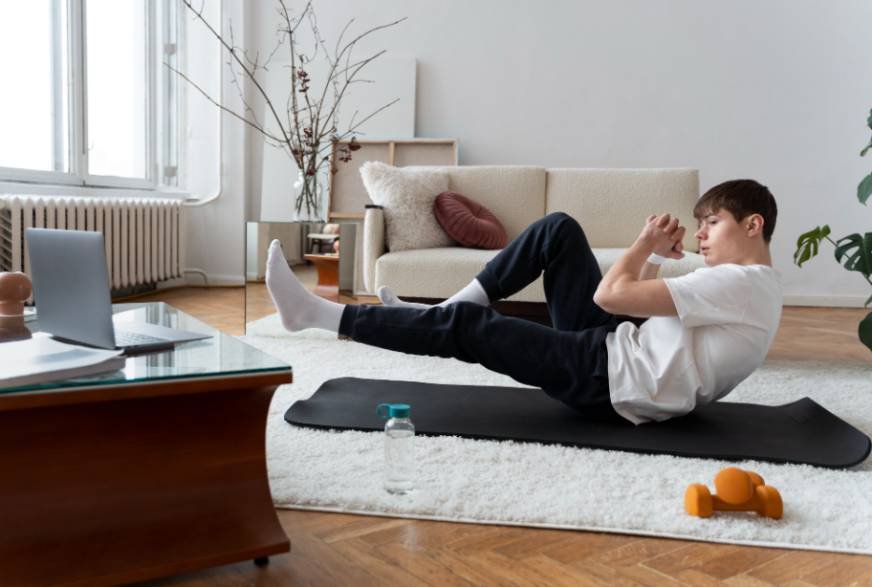
Begin with one or two actions rather than changing everything at once. Attach each action to a reliable cue, such as brushing your teeth, finishing a meal, or ending a meeting. Keep the first version easy enough to repeat on a busy day.
When rebuilding activity after months of inactivity, how to start exercising after a long break provides a gradual approach for improving consistency, strength, and stamina without overwhelming the body.
Simple tracking can reinforce consistency. Mark a calendar, use a phone reminder, or record completed walks. Increase time or intensity only after the routine feels comfortable.
Keep comfortable shoes visible or leave room beside a chair for stretching. A supportive environment makes starting easier.
Movement Options for Limited Mobility
Seated marching, ankle pumps, arm circles, hand opening, and gentle torso turns are useful options. A sturdy chair or countertop can provide support during standing exercises.
People with chronic pain, dizziness, recent surgery, heart concerns, or major mobility limitations should speak with a healthcare professional before changing their activity level. Stop if movement causes chest pain, faintness, or unusual shortness of breath.
Frequently Asked Questions
1. Are simple daily movement habits for better health enough without formal exercise?
They are a strong foundation and can reduce prolonged inactivity. Many adults also benefit from planned aerobic, strength, balance, and flexibility activities suited to their ability and medical needs.
2. How often should I take a movement break?
A practical starting point is a few minutes of movement after every 30 to 60 minutes of sitting.
3. Do Household Chores Count as Physical Activity?
Yes. Cleaning, gardening, carrying laundry, and similar tasks use energy and contribute to an active day.
4. What Can I Do on a Low-Energy Day?
Stretch for one minute, walk after one meal, stand during one call, complete five chair rises, and move gently before bed.
A Healthier Day Through Small Actions
I now see movement as something that can happen throughout my day rather than only during a workout. I can add it while preparing food, answering calls, completing chores, or relaxing in the evening.
This broader approach reflects healthy living beyond diet and exercise, where everyday routines, sleep, emotional wellbeing, social connection, and stress management also contribute to long-term health.
The aim is not to reach a perfect activity score. It is to sit a little less, move a little more, and build confidence gradually. One short walk or stretch may feel small, but repeated actions can change the rhythm of an entire day.