
A few years ago, I used to think living a healthy lifestyle simply meant finding time to work out after work. If I could squeeze in a gym session and eat something decent for dinner, I felt like I had done enough. Over time, I realized the hardest part wasn’t exercising. It was everything that happened during the other ten or twelve hours of the day. Sitting for long stretches, rushing through meals, staring at screens, and carrying work into the evening quietly shaped how I felt more than one workout ever could.
That realization seems to be happening everywhere. Healthy living isn’t being treated as something separate from work anymore. It’s becoming part of the workday itself. Instead of waiting until the weekend to reset, people are finding simple ways to move more, eat better, manage stress, and protect their energy while they’re actually working. Those small changes are creating routines that feel easier to maintain because they fit naturally into everyday life.
Work Is No Longer Separate From Healthy Living
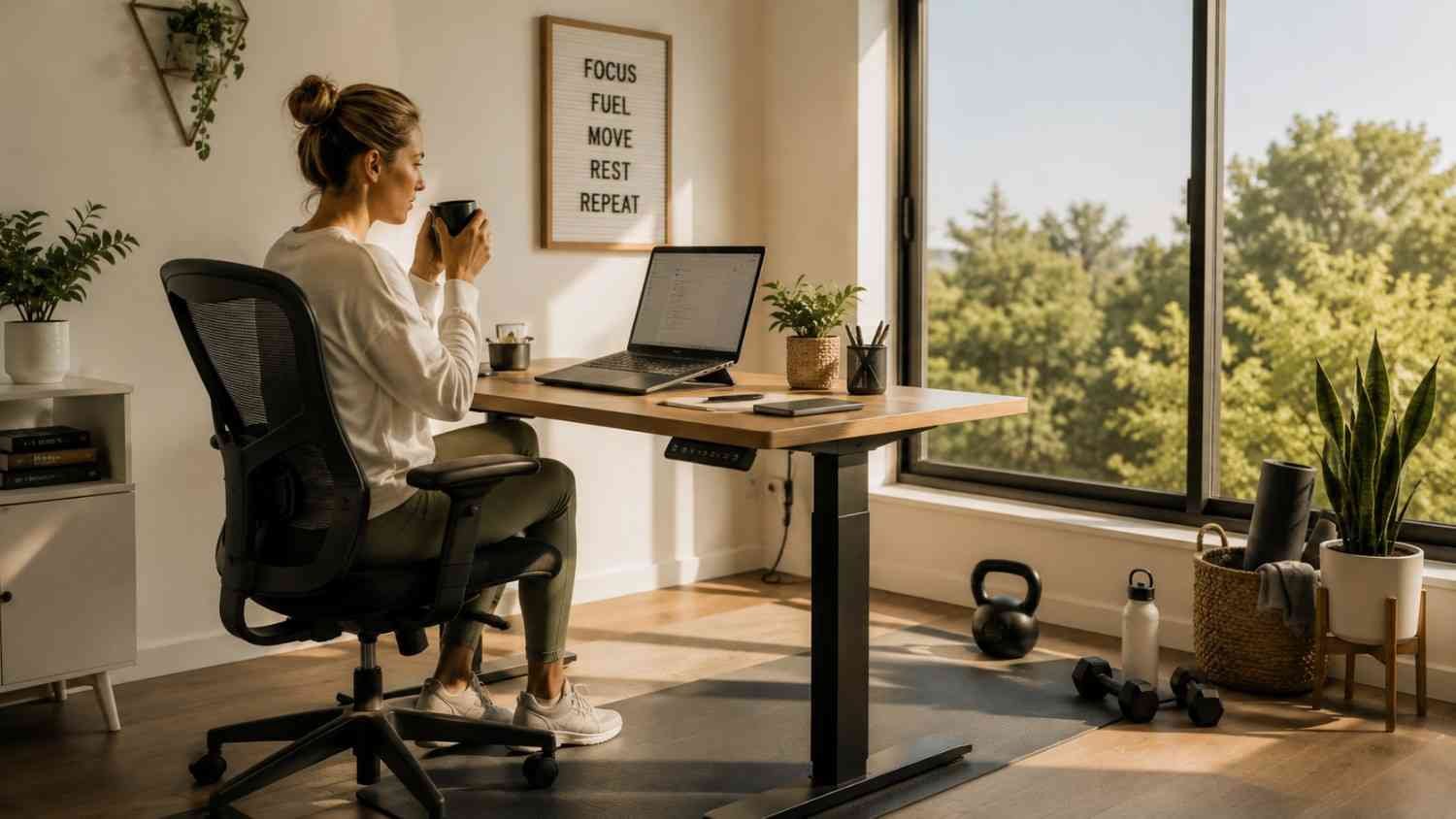
The modern workplace has changed almost every part of daily life. Flexible schedules, remote work, hybrid offices, and constant digital communication have given people more freedom in some ways while making it harder to switch off in others.
This shift has changed what healthy living looks like. Instead of depending on one hour at the gym or a strict meal plan, people are building wellness into the spaces between meetings, deadlines, and daily responsibilities. The focus has moved from dramatic lifestyle changes to habits that support both productivity and long-term well-being.
Small Movement Breaks Are Replacing Long Periods of Sitting
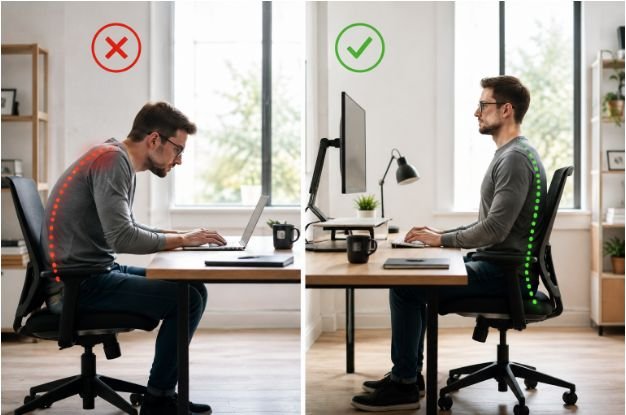
Many professionals spend most of their day at a desk. Even people who exercise regularly can still experience the effects of sitting for hours without moving.
That’s why short movement breaks are becoming part of healthy work habits. A quick walk around the office, stretching between meetings, or standing during phone calls can improve circulation and reduce stiffness. Some people use standing desks, while others simply set reminders to get up every hour.
These short bursts of movement may seem minor, but they help break the cycle of prolonged inactivity without disrupting the workday.
Better Nutrition Starts With Better Timing

Busy schedules often lead to skipped meals or grabbing whatever food is most convenient. That habit usually provides a quick burst of energy followed by an afternoon crash.
Instead of relying on processed snacks, many people now prepare balanced meals ahead of time and keep healthier options nearby during the workday. Drinking enough water has also become a bigger priority because dehydration can affect concentration just as much as poor sleep.
The goal isn’t eating perfectly every day. It’s creating routines that make healthier choices the easiest option when work gets busy.
Recovery Is Becoming Part of the Workday
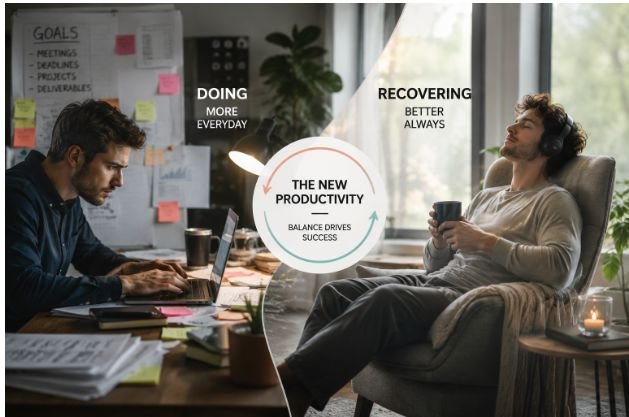
For years, productivity was often measured by how long someone could stay busy. That mindset is changing.
More professionals are recognizing that recovery isn’t something earned after burnout. It’s something that helps prevent it in the first place. Short breathing exercises, stepping outside for fresh air, or taking a genuine lunch break can improve focus far more than pushing through mental exhaustion.
This shift explains why recovery is becoming the new productivity. Rest is no longer viewed as lost time. It’s becoming an important part of performing well throughout the day instead of running on empty.
Daily Routines Are Supporting Better Mental Health

Mental health conversations have become much more practical. Rather than waiting until stress becomes overwhelming, people are creating routines that reduce it before it builds up.
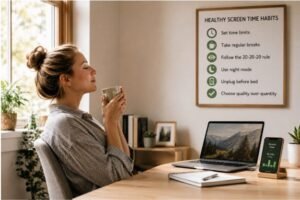
Simple habits like looking away from a screen every hour, practicing a few minutes of mindful breathing between meetings, or writing down tomorrow’s priorities before ending the workday help create a clearer separation between work and personal life.
These routines don’t eliminate pressure, but they make it easier to manage without feeling constantly overwhelmed.
Consistent Schedules Help the Body Work Better
Irregular work hours can affect much more than sleep. They also influence energy levels, appetite, focus, and overall well-being.
Many people are trying to keep consistent wake-up times even when their work schedule changes. Morning sunlight, regular meal times, and limiting screen use before bed help support the body’s natural circadian rhythm.
These habits may sound simple, but they often have a bigger impact than complicated wellness plans because they’re repeated every day.
Healthy Living Is Becoming More Personal
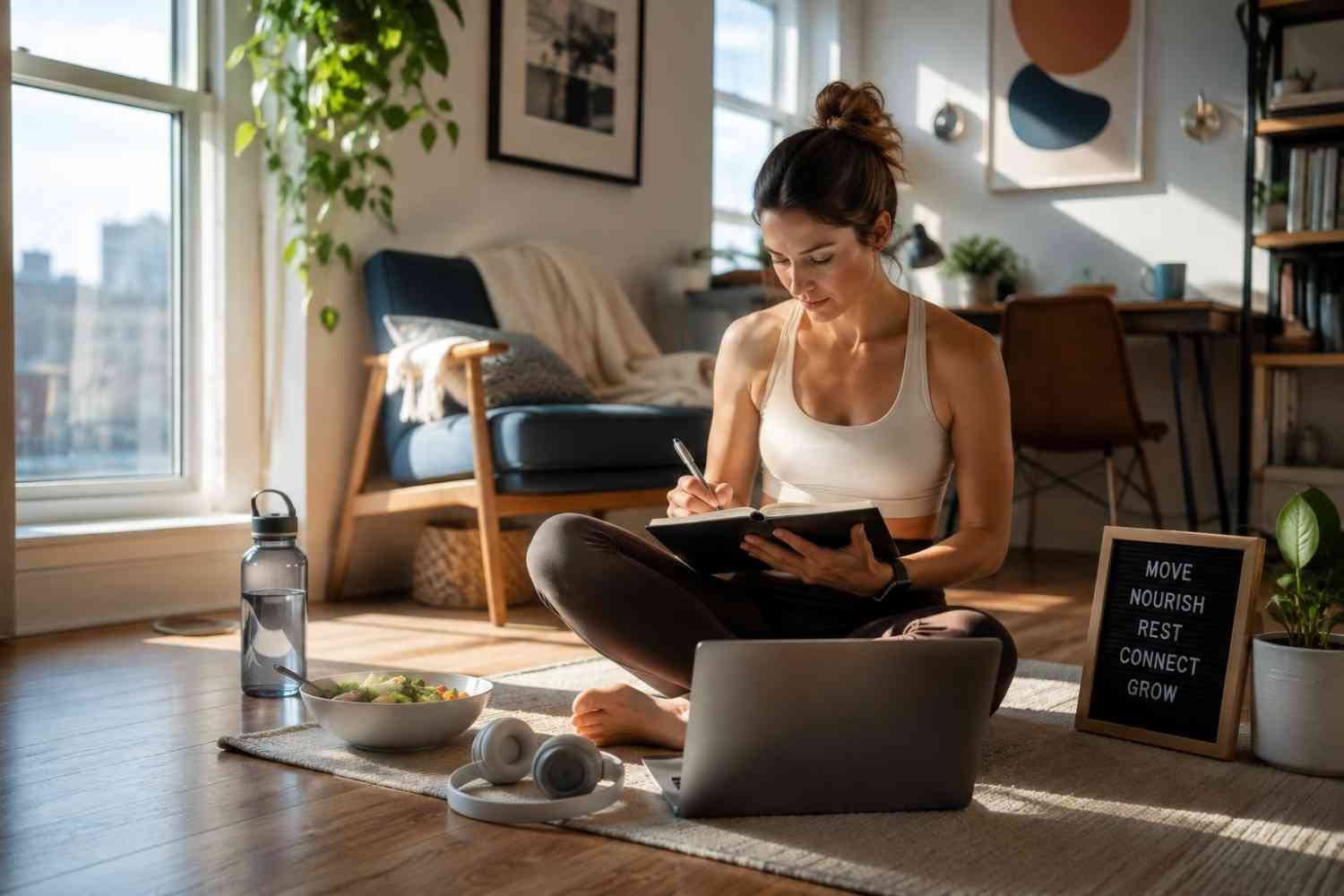
One of the biggest changes in recent years is that people are defining health differently. Some focus on walking more. Others prioritize better sleep, meal planning, or spending less time online after work.
There isn’t a single routine that works for everyone. The healthiest habits are usually the ones that fit naturally into an individual’s schedule instead of adding more pressure to an already busy day.
Modern work has made healthy living more flexible. Success is no longer measured by following someone else’s routine but by building one that feels realistic enough to continue.
FAQs: How Modern Work Is Changing Healthy Living One Routine at a Time
1. How has modern work changed healthy living?
Modern work has encouraged people to build healthier habits into the workday through movement breaks, better nutrition, consistent routines, and improved work-life boundaries instead of relying only on after-work wellness activities.
2. Why are small daily habits becoming more popular?
Small habits are easier to maintain, fit naturally into busy schedules, and often produce better long-term results than making dramatic lifestyle changes all at once.
3. Can remote or hybrid work improve well-being?
It can when people use the flexibility wisely by creating structured routines, staying active, taking regular breaks, and protecting personal time after work.
4. What is the easiest healthy habit to start with?
Choose one simple routine, such as walking for five minutes every hour, drinking more water, or avoiding screens before bed, then build from there.
The Best Routine Is the One You Can Keep
I’ve come to realize that healthy living doesn’t depend on finding more hours in the day. It depends on making better use of the hours that already exist. The routines people are building today aren’t complicated because they don’t need to be. They work because they become part of everyday life instead of something that only happens when there’s extra time.
The healthiest routine isn’t the most ambitious one. It’s the one you’ll still be following months from now.