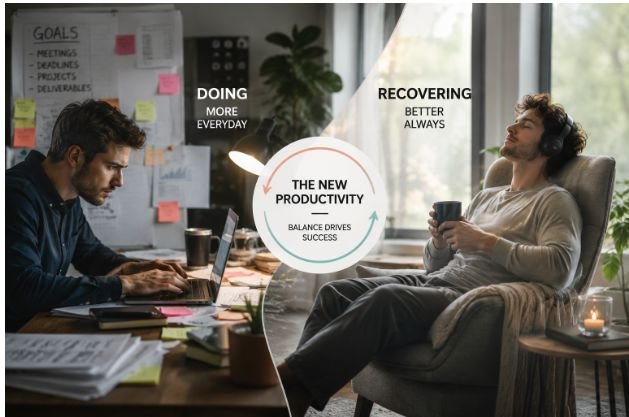

Juggling twenty browser tabs while answering messages used to feel like a badge of honor. Discovering how to practice single tasking at work completely transformed my routine, replacing chaotic rush with calm, focused clarity every afternoon.
Mindful living is all about bringing full awareness to whatever is right in front of you. When you slow down and give your undivided focus to one single objective, work turns into a peaceful, rewarding daily practice.
Key Takeaways
- Single-tasking boosts daily work focus while significantly lowering stress levels.
- Tidy workspaces and closed tabs create immediate mental space for deep work.
- Short timers like the Pomodoro method help build momentum without burnout.
- Parking lot note pads let you capture random thoughts without interrupting flow.
- Clear boundaries with coworkers help guard your attention throughout the day.
Why Multitasking Is a Total Circus?
Trying to juggle five tasks at once is like trying to pat your head, rub your tummy, and ride a unicycle while juggling flaming torches. Your brain gets scrambled, your stress rockets, and you end up doing everything halfway. Learning how to practice single tasking at work saves you from the circus acts and restores real sanity.
Focusing on one item protects your energy and honors your mental peace. It allows you to flow through your tasks with grace rather than rushing toward a frantic finish line.
Clear Your Space
Setting up a clean environment creates an instant feeling of calm before you begin your daily projects.
Close Tabs

Keeping twenty open browser windows creates a constant background hum of mental noise that pulls at your attention. You can instantly restore peace by closing every window or tab that does not directly support your current focus.
Leaving only a single relevant page open lets your eyes settle and your breathing slow down. This visual simplicity gently invites your mind to stay fully present with the project right in front of you.
Silence Alerts
Desktop pop-ups and smartphone pings trigger sudden spikes of cortisol that disrupt your natural flow. Putting your phone inside a desk drawer and turning off app notifications removes the constant urge to check incoming messages.
Silencing digital noise creates a peaceful buffer zone where your creative thoughts can freely bloom. You gain complete control over your attention rather than letting incoming alerts dictate your daily energy.
Clear the Desk
A physical desk cluttered with old notes, coffee mugs, and loose papers creates subtle visual stress for your eyes. Taking two minutes to clear your surface leaves only the exact tools you need for your immediate work block.
A clean desk offers a fresh canvas for your mind, encouraging a light and airy atmosphere. Physical order naturally reflects into mental clarity, making your work feel light and effortless.
Control Your Time

Structuring your hours around gentle focus blocks helps you build steady momentum without feeling overwhelmed.
Use Short Timers
Setting a simple timer for twenty-five minutes gives your brain a defined window to immerse itself entirely in one goal. This classic Pomodoro technique gently anchors your focus, knowing that a peaceful rest period lies right around the corner.
During these short bursts, you can set aside all other concerns and give your chosen task your full affection. Watching the timer count down helps you build a rhythmic, satisfying work tempo.
Take Real Breaks
When your focus timer rings, give yourself full permission to step away and breathe deeply for five full minutes. Resist the temptation to scroll through email or social media, as digital inputs rob your brain of genuine rest.
Use this pause to stretch your body, sip some cool water, gaze out a window, or reflect on something positive. Practicing ways to cultivate daily gratitude practice during a short break can calm mental tension and help you return to work with a clearer perspective.
Use this pause to stretch your body, sip some cool water, or gaze out a window at nature. True rest periods allow your working memory to clear out tension so you return refreshed for your next session.
Start Tiny
When a large project feels daunting, lower your internal stress by committing to work on it for just five tiny minutes. Giving yourself permission to stop after five minutes eliminates the heavy pressure that usually triggers procrastination.
Most of the time, simply taking that first gentle step creates enough warm momentum to keep going comfortably. Small, mindful beginnings pave the path toward big, meaningful accomplishments over time.
Manage Distractions

Guarding your focus requires practical tools and gentle awareness when internal or external interruptions arise.
Keep a Parking Lot Pad
Random thoughts and sudden to-do items will inevitably pop into your head while you are trying to concentrate. Keeping a blank paper notepad right beside your keyboard gives those wandering thoughts a safe place to land instantly.
Writing an idea down takes it out of your head so you can forget about it without losing it. You can return to your main work knowing that your random thought is safely preserved for later.
Notice the Pull
When your hand automatically reaches to open a new tab or check your phone, pause and take a gentle breath. Simply notice the internal urge to switch tasks without judging yourself or feeling frustrated.
This same awareness supports how to practice mindful eating every day, where noticing impulses, sensations, and habits helps you make more intentional choices instead of acting automatically.
Acknowledging the itch gives you the power to choose presence over habit, allowing the urge to pass naturally. You can then softly guide your awareness right back to the comforting rhythm of your current task.
Set Boundaries
Communicating your quiet focus periods to colleagues or family members helps build a supportive, peaceful work dynamic. Let others know that you are stepping into a dedicated work block and will happily return their messages later.
Setting clear availability boundaries honors both your own time and the quality of your relationships. People quickly learn to respect your focus time when you communicate your intentions with warmth and clarity.
Frequently Asked Questions
1. What is the 3-3-3 rule for tasks?
The 3-3-3 rule is a focus strategy where you dedicate three hours to one deep project, finish three short urgent tasks, and complete three routine maintenance chores each day.
2. How to practice single tasking?
You can discover how to practice single tasking at work by choosing one goal, closing extra tabs, setting a focused timer, and working peacefully until your timer rings.
3. What is the 1/3/5 rule for tasks?
The 1/3/5 rule helps you organize your daily to-do list by choosing one major project, three medium tasks, and five small administrative duties to keep your workload balanced and manageable.
4. Can you give me some examples of single-tasking?
Great examples of single-tasking include writing an email without checking social media, attending a meeting without looking at your phone, or reading a report with only one browser tab open.
Single-Task Your Way to Serene Workplace Success
Embracing how to practice single tasking at work is ultimately a gift of presence that you give to yourself every day. By closing extra tabs, setting gentle timers, and honoring clear boundaries, you transform busyness into calm efficiency. Choose one small action right now, take a deep breath, and offer your full attention to the present moment.