Returning to fitness can feel difficult. I may remember what my body used to do, yet my current energy may not match those memories. That gap can tempt me to train too hard. The safest approach to how to start exercising after a long break is to accept my present ability, begin with manageable movement, and build consistency before intensity.
A successful comeback gives the muscles, joints, heart, and lungs time to adapt. This four-week plan creates a gradual path from inactivity to a balanced routine.
What Happens to Your Body During a Break?
When regular activity stops, cardiovascular endurance may decline, muscles can lose strength, and familiar movements may require more effort. Mobility can also decrease after months of sitting.
The body often responds well when activity returns, but the pace depends on health, former fitness, sleep, stress, and the break’s length. Resuming an old program immediately can cause excessive soreness, exhaustion, or injury.
Recovery after a long break may also depend on how previous illnesses affected energy, digestion, and immune function. Ebola and the microbiome facts you need to know explores how a serious infection can influence the body beyond the initial illness.
Check Your Readiness Before Restarting
Consider why the break happened. A busy schedule requires a different plan from recovery after illness, surgery, pregnancy, persistent pain, or injury. Anyone experiencing chest pain, unexplained dizziness, unusual breathlessness, or unstable joints should seek professional guidance first.
Try walking for ten minutes, standing from a chair, reaching overhead, and climbing a few stairs. This simply shows what currently feels comfortable or difficult.
Start Below Your Previous Fitness Level
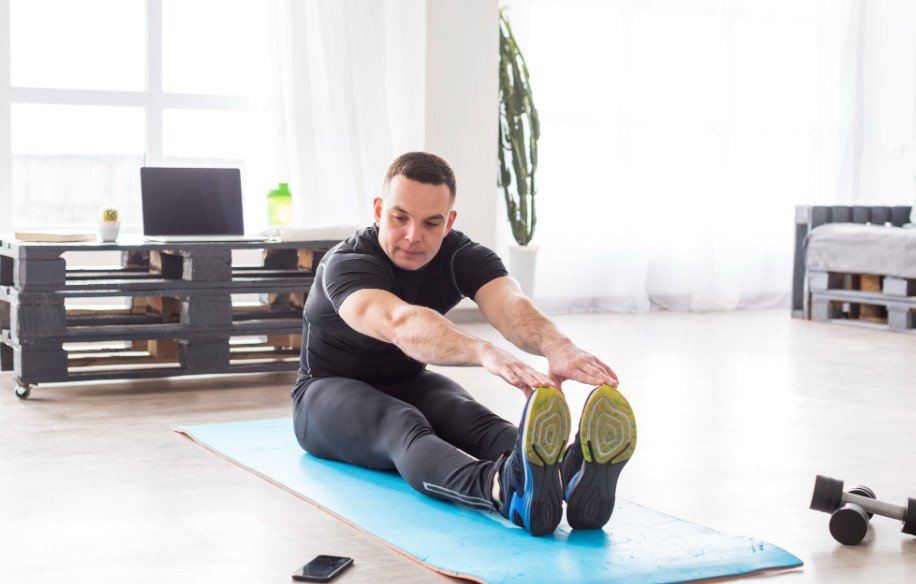
The first workout should feel almost too easy. Try a five-minute warm-up, ten to fifteen minutes of light activity, and a gentle cool-down. Finish feeling capable of returning rather than completely drained.
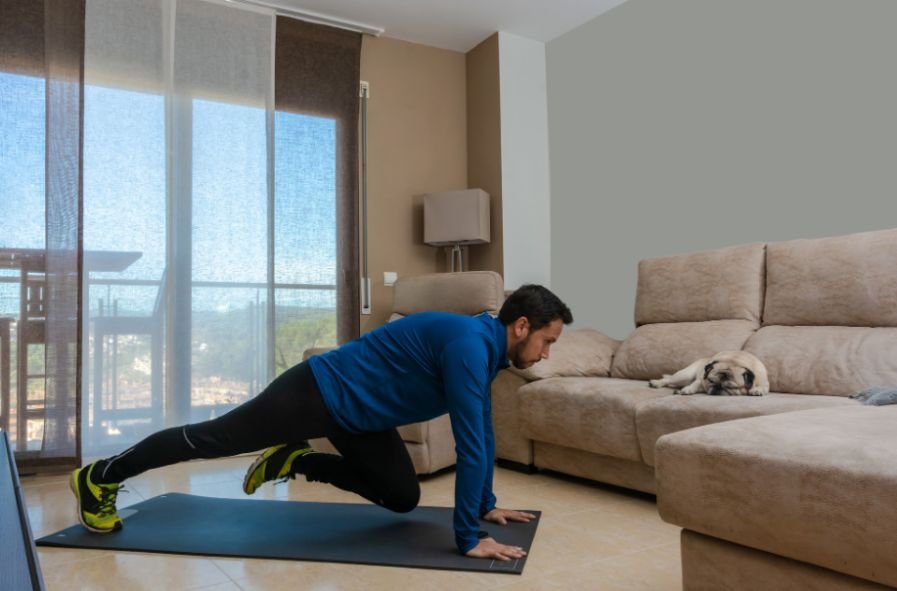
Walking, cycling, swimming, mobility work, and low-impact home exercises are useful choices. A simple routine performed consistently is more valuable than a perfect program that feels unpleasant.
Use the talk test to control effort. During moderate activity, breathing should be faster, but you should still speak in complete sentences. Slow down when conversation becomes difficult.
Follow a Four-Week Exercise Restart Plan
Treat this as a flexible framework and move rest days around your responsibilities and recovery.
Week 1: Rebuild the Habit
Complete three sessions of 15 to 20 minutes using walking, cycling, swimming, or low-impact aerobics. On two other days, spend five to ten minutes on shoulder circles, ankle movements, hip rotations, and controlled stretches.
Focus on creating a repeatable exercise time and stop while some energy remains.
Week 2: Add Basic Strength
Continue three light cardio sessions and add two short strength workouts. Try chair squats, wall push-ups, glute bridges, supported step-ups, and bird dogs.
Begin with one or two sets of six to ten repetitions. The muscles should feel challenged, but movements should remain controlled and pain-free.
Week 3: Increase One Variable
Add five minutes to selected cardio sessions or a few repetitions to strength exercises. Do not increase duration, frequency, resistance, and intensity together.
Changing one variable makes recovery easier to assess. Keep at least one complete rest day.
Week 4: Build a Balanced Routine
Aim for three cardio sessions, two strength sessions, and regular mobility work. One cardio workout can include one minute of brisk walking followed by two easy minutes.
Review energy, sleep, soreness, mood, and consistency at the week’s end. Progress according to recovery, not pressure to match a former standard.
Understand Soreness and Warning Signs
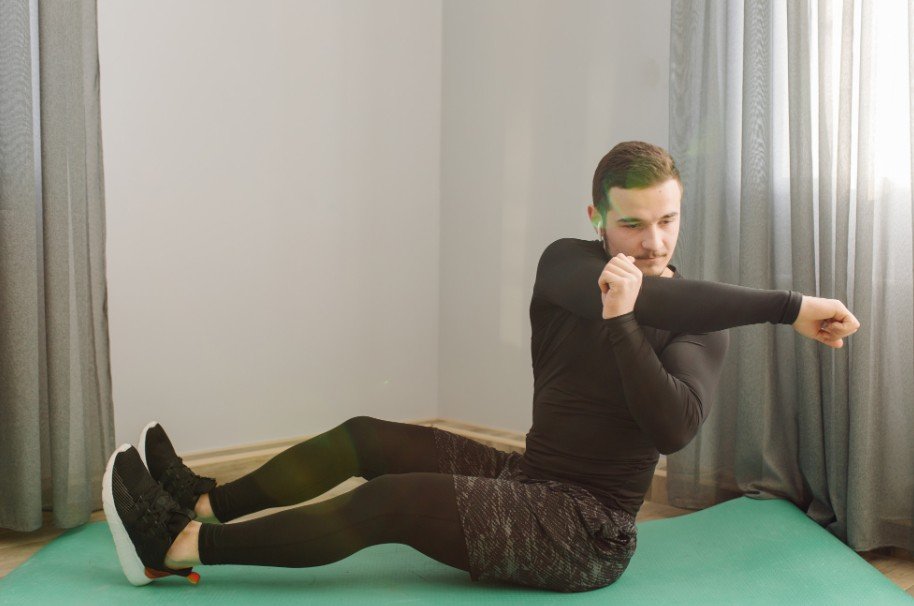
Mild muscle stiffness that develops later and improves within a few days is common. Gentle movement, hydration, sleep, and easier sessions may help.
Sharp, sudden, worsening, or joint-specific pain is different. Stop if pain changes normal movement, creates swelling, or causes weakness. Chest pressure, faintness, or severe breathing difficulty requires prompt medical attention.
Make Exercise Easier to Maintain
Motivation changes, so reduce the effort required to begin. Schedule sessions, prepare clothing, and choose a convenient location. A ten-minute workout still counts on a difficult day.
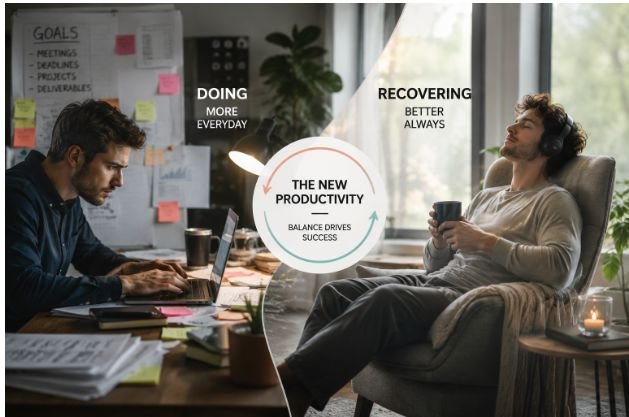
Modern jobs can make regular movement harder through prolonged sitting, unpredictable schedules, screen fatigue, and blurred boundaries between work and personal time. Understanding how modern work is changing healthy living can help me design an exercise routine that fits my actual lifestyle instead of relying on unrealistic expectations.
Track completed sessions instead of focusing only on weight or appearance. Progress can mean walking farther, recovering faster, sleeping better, moving with more control, or feeling less resistance to starting.
Missing one workout does not erase progress. Continue with the next planned session rather than using exercise as punishment.
Frequently Asked Questions
1. How many days a week should I exercise initially?
Two or three planned sessions can be enough. Add frequency only when soreness, energy, and sleep remain manageable.
2. What is the best first workout after inactivity?
A short walk followed by gentle mobility suits many people. The best activity is low impact, accessible, and easy to repeat.
3. How long does it take to regain fitness?
Improvements may appear within a few weeks, but the timeline depends on consistency, recovery, previous experience, and the length of inactivity.
4. Is soreness normal when starting again?
Mild muscle soreness can be normal. Sharp pain, swelling, instability, or symptoms that worsen should not be ignored.
5. What is the safest way to learn how to start exercising after a long break?
Begin below your former level, choose low-impact movement, increase one training variable at a time, and allow enough recovery between sessions.
Moving Forward With Confidence
I do not need to recreate my old routine in one week. I need a starting point that respects my current body and works on busy or low-energy days. When I measure progress through consistency, movement quality, and recovery, exercise becomes a sustainable habit rather than a test.
My comeback may not be perfectly linear. By staying patient, adjusting when necessary, and returning after interruptions, I can rebuild fitness without turning the process into punishment.