Author: Dr. Alan Petrov

  • Healthy Grocery List for One Person on a Budget Plan

    Healthy Grocery List for One Person on a Budget Plan

    Shopping for myself used to look cheap at checkout and expensive by Friday. I bought oversized produce bags, delicate greens, and ingredients that never became meals. A healthy grocery list for one person on a budget works better when every item is affordable, flexible, and likely to be finished.

    I now judge groceries by cost per eaten serving, not package price. That shift cut waste and made my meals easier to repeat.

    How to Build a Healthy Grocery List for One Person on a Budget

    How to Build a Healthy Grocery List for One Person on a Budget

    The cheapest package is not a bargain when half ends up in the trash. USDA MyPlate recommends checking what you already have, planning meals, using leftovers, and mixing fresh, frozen, and shelf-stable foods. These habits matter even more when one person must finish every package.

    Use the Cost-per-Eaten-Serving Rule

    A large tub of spinach may cost less per ounce than a frozen bag. Yet its real cost doubles when half wilts before you eat it.

    I compare the price with the number of portions I will realistically use. Eggs, oats, potatoes, frozen vegetables, and canned beans usually perform well because they support several meals.

    Make Fresh Food Pass the Three-Meal Test

    Before buying a perishable item, I name three meals that will use it. Spinach can go into eggs, pasta, and lentil soup. Greek yogurt can cover breakfast, snacks, and a creamy sauce.

    When I cannot name three uses, I buy less, choose frozen, or skip it. This test keeps a healthy grocery list for one person on a budget realistic.

    The Master Budget Grocery List for One

    The Master Budget Grocery List for One

    USDA guidance includes varied protein foods and recognizes fresh, frozen, canned, and dried vegetables as useful choices.

    Cheap Proteins for Easy Solo Meals

    For me, a healthy grocery list for one person on a budget starts with three or four proteins: eggs, canned tuna, lentils, black beans, chickpeas, tofu, peanut butter, cottage cheese, or plain Greek yogurt.

    Eggs work in breakfast, fried rice, sandwiches, and soup. Beans can fill tacos, bowls, pasta, and chili. Tofu takes on almost any seasoning. Canned tuna creates a fast lunch without using freezer space.

    Avoid buying every protein option in one trip. Choose a small rotation based on the meals you plan to make.

    Fresh and Frozen Produce With Less Waste

    My dependable fresh choices are bananas, apples, carrots, cabbage, onions, potatoes, and sweet potatoes. They are versatile and usually easier to finish than berries or salad greens.

    I also keep frozen broccoli, spinach, peas, mixed vegetables, and berries. Research comparing fresh and frozen produce found that nutrient retention was often similar, although results differed by food and nutrient.

    Frozen produce makes a healthy grocery list for one person on a budget easier to portion. I cook what I need and return the rest to the freezer.

    Whole Grains and Filling Carbohydrates

    Pick rolled oats, brown rice, whole-wheat pasta, potatoes, tortillas, and one loaf of bread. Keep the selection narrow. Two grain staples plus potatoes are often enough for one week.

    Oats cover breakfast. Rice supports bowls, soups, and stir-fries. Pasta works with vegetables, beans, tuna, or tomato sauce.

    Bread labels can be confusing. Learn to choose whole grain bread at the store before buying a loaf, then freeze half when you know you will not finish it quickly.

    Pantry Staples, Healthy Fats, and Flavor

    Keep canned tomatoes, broth, peanut butter, cooking oil, vinegar, mustard, and a few spices. Garlic powder, cumin, chili flakes, Italian seasoning, and curry powder create variety without five bottled sauces.

    These staples turn the same foods into soup, tacos, pasta, curry, or grain bowls. That flexibility makes a healthy grocery list for one person on a budget sustainable.

    Turn One Basket Into a Week of Meals

    Turn One Basket Into a Week of Meals

    I build meals from four parts: one protein, one vegetable, one filling carbohydrate, and one flavor booster.

    Rice, tofu, broccoli, and soy sauce make a stir-fry. Potatoes, eggs, spinach, and chili flakes become a skillet. Pasta, chickpeas, tomatoes, and Italian seasoning create a quick dinner.

    For breakfast, I rotate oatmeal with banana and peanut butter, eggs with toast, and yogurt with frozen berries. Lunch is usually leftovers, tuna toast, or a chickpea bowl.

    Dinner might be lentil tomato soup, tofu stir-fry, vegetable pasta, bean tacos, or baked potatoes topped with yogurt and beans. This approach gives a healthy grocery list for one person on a budget enough variety without requiring unrelated ingredients.

    I cook three or four portions, refrigerate what I will eat soon, and freeze the rest. FoodSafety.gov advises keeping cooked leftovers in the refrigerator for no more than three to four days. Food that will not be eaten within that period should be frozen.

    Shop Cheap Without Sacrificing Nutrition

    Set a weekly ceiling before choosing recipes. Leave a small cushion for regional price changes or an essential item you forgot.

    Compare Unit Prices With Waste in Mind

    A healthy grocery list for one person on a budget cannot rely on unit prices alone. Unit prices help compare package sizes, but they do not measure spoilage.

    A larger yogurt tub may be valuable when it replaces breakfast, snacks, and sauces. A bulk produce bag may cost more per eaten serving when you live alone.

    Buy bulk only for foods you use consistently, such as oats, rice, dried beans, or frozen vegetables.

    Choose Store Brands Strategically

    Store-brand oats, beans, frozen vegetables, pasta, and spices often meet the same basic need as premium products. Compare ingredient lists and Nutrition Facts instead of treating price as a nutrition score.

    Pre-cut fruit, flavored oatmeal packets, and microwave grain cups charge more for convenience. I buy them only when the saved time helps me avoid takeout.

    Generic does not automatically mean inferior. Premium packaging also does not guarantee better nutrition.

    Freeze Food Before It Looks Tired

    I label leftovers, freeze bread in pairs of slices, and portion cooked soup or rice before storing it. The USDA-developed FoodKeeper provides storage guidance that helps preserve freshness and quality.

    The best time to freeze extra food is while it still looks appealing. This single habit protects a healthy grocery list for one person on a budget from turning into expensive compost.

    Frequently Asked Questions

    1. What should one person buy for a week of healthy meals?

    Choose three proteins, two grains, five produce items, one dairy option, and a few pantry flavor builders.

    2. How much should a healthy grocery list for one person on a budget cost?

    Costs vary by location and diet, so set a weekly ceiling and track the cost of food you actually eat.

    3. Is frozen produce healthy enough for everyday meals?

    Yes. Frozen fruits and vegetables can retain nutrients well while making portions easier to control.

    4. How do I stop wasting groceries when I live alone?

    Plan ingredient overlap, freeze extra portions early, and buy perishables only when they fit three planned meals.

    Your Grocery Cart Does Not Need a Luxury Upgrade

    I once thought healthy shopping required premium snacks and a cart full of fresh produce. It does not. A healthy grocery list for one person on a budget succeeds when simple foods become several satisfying meals.

    Start with three affordable proteins, two carbohydrates, durable produce, and one frozen vegetable. Plan each fresh item into three meals before checkout. Your budget does not need perfection. It needs groceries you will actually eat.

  • Self Care Routine for Night Shift Nurses: A 12-Hour Plan

    Self Care Routine for Night Shift Nurses: A 12-Hour Plan

    Working overnight can disrupt sleep, appetite, energy, mood, and family life. I have found that a self-care routine for night-shift nurses works best when it follows the natural flow of a 12-hour hospital shift. For US nurses working 7 p.m. to 7 a.m., the goal is to protect sleep, maintain alertness, and recover before exhaustion becomes chronic.

    What Should Night-Shift Nurses Do Before Work?

    4:00–6:30 p.m.: Wake, Nap, Hydrate, and Eat

    On consecutive workdays, I protect a consistent daytime sleep block and avoid filling the morning with errands. If I still feel tired, I take a 20- to 30-minute tactical nap. Short naps can improve alertness, although I allow post-nap grogginess to clear before driving or providing care.

    After waking, I drink about 500 mL, or 17 ounces, of water before leaving home. I use that as a practical target rather than a medical rule, especially when fluid restrictions apply. I also turn on bright lights while getting ready because light helps regulate the sleep-wake cycle.

    Around 6 p.m., I eat my largest meal. I combine lean protein, vegetables, a high-fiber carbohydrate, and healthy fat. Simple options include bean chili, salmon with vegetables, or a chicken-and-rice bowl.

    Eating a substantial meal before work helps me avoid depending on fried cafeteria food, vending-machine snacks, or sugary drinks when my energy drops later.

    How Can Nurses Stay Energized During a 12-Hour Night Shift?

    Use Caffeine Early and Stop by 2 a.m.

    Use Caffeine Early and Stop by 2 a.m.

    I drink coffee or tea near the beginning of my shift and aim to stop by 2 a.m. if I expect to sleep around 9 a.m. Sensitivity varies, so some nurses may need an earlier cutoff.

    NIOSH advises night workers to use caffeine during the first part of the shift because it can remain active for several hours and interfere with daytime sleep.

    I avoid using energy drinks as substitutes for food, water, or rest. More caffeine cannot repair serious sleep deprivation, and consuming it near the end of a shift may make recovery harder.

    Choose Light, Nutrient-Dense Food Overnight

    I graze on foods that fit unpredictable breaks, such as Greek yogurt, almonds, hard-boiled eggs, fruit, soup, or a whole-grain sandwich. These options provide protein, fiber, and sustained energy without the heaviness of a large meal.

    Preparing easy no-cook lunches with protein and fiber can make overnight eating more practical when breaks are short or unpredictable. Simple combinations such as yogurt with fruit, hummus with whole-grain crackers, or a bean-and-vegetable wrap can support steadier energy without requiring reheating.

    I avoid greasy, spicy, and high-sugar foods, especially between midnight and 6 a.m. CDC/NIOSH guidance recommends reducing food intake during this window, choosing higher-quality foods, and having only a small breakfast before daytime sleep.

    I sip water throughout the shift without forcing large amounts near bedtime. A practical night shift nurse meal plan should support energy without causing reflux or repeated bathroom trips during sleep.

    Take a Five-Minute Physical and Mental Reset

    Take a Five-Minute Physical and Mental Reset

    During a lull, I spend five minutes breathing slowly, stretching my calves and back, rolling my shoulders, or walking to a brighter area. Small movements can ease stiffness from standing, lifting, charting, or staying in one position for too long.

    After a stressful event, I use the same pause to reset mentally or check in with a peer. Personal habits cannot correct unsafe staffing or missed breaks; employers still carry responsibility for fatigue management.

    What Should Nurses Do Immediately After a Night Shift?

    7:30–9:00 a.m.: Get Home Safely and Wind Down

    I treat the commute home as a safety decision. If I miss exits, drift across lane markings, or struggle to keep my eyes open, I arrange a ride, use public transportation, or rest somewhere safe.

    The National Highway Traffic Safety Administration identifies shift workers as a group at increased risk for drowsy-driving crashes.

    Dark sunglasses can reduce morning-light exposure, but they can also remove an alerting signal while I drive. NIOSH recommends wearing dark sunglasses after a shift only when someone else is driving. If I drive myself, visibility and alertness come first.

    At home, I eat a light breakfast only when hungry. Oatmeal, toast, yogurt, or fruit can prevent hunger from waking me. I then shower, dim the lights, silence notifications, and go to bed instead of starting laundry, errands, or household chores.

    For nurses who return home to children or teenagers, protecting the household wind-down period can make recovery easier for everyone. Simple routines inspired by self care for teens may also help families support healthier sleep, communication, and stress management.

    Keep the Bedroom Cool, Dark, and Quiet

    I use blackout curtains, a comfortable eye mask, and white noise to block daytime disruptions. I also tell family members when I need uninterrupted sleep and silence all nonessential phone alerts.

    I keep the bedroom around 60–67°F when that range feels comfortable. The National Heart, Lung, and Blood Institute recommends a cool, quiet, dark sleep environment, while published shift-worker sleep guidance commonly suggests approximately 60–68°F.

    How Should Nurses Reset Their Sleep Schedule on Days Off?

    How Should Nurses Reset Their Sleep Schedule on Days Off?

    After three or more consecutive night shifts, I usually keep part of my midday sleep block on days off instead of immediately switching to an early schedule. This gives my body some consistent sleep hours across the week.

    After one or two night shifts, I may take a short morning recovery nap after my final shift, wake during the afternoon, and return to nighttime sleep that evening. CDC/NIOSH recommends preserving some overlapping sleep hours rather than repeatedly reversing the entire schedule.

    I take a 15-minute afternoon walk for daylight and movement. Sun exposure can contribute to vitamin D production, but skin tone, season, latitude, clothing, and sunscreen affect the amount, so 15 minutes is not a guaranteed dose.

    I also set firm boundaries by telling family and friends when I am unavailable, protecting recovery days from unnecessary appointments, and declining extra shifts when exhaustion threatens my health or patient safety.

    Frequently Asked Questions 

    1. What Is the Best Self Care Routine for Night Shift Nurses?

    The best routine protects regular sleep, uses light and caffeine strategically, limits heavy overnight eating, supports hydration and movement, and creates a quick transition to daytime sleep. It should also include a safe commute plan and realistic boundaries on days off.

    2. Should Night-Shift Nurses Exercise Before or After Work?

    I usually exercise after waking and before work. Moderate walking, mobility exercises, yoga, or strength training can support alertness, while intense exercise immediately before daytime sleep may make it harder to wind down.

    3. How Much Sleep Should a Night-Shift Nurse Get?

    Sleep needs vary, but I give myself enough time to obtain a full sleep period within each 24-hour day. A dark room, consistent timing, reduced noise, and an early caffeine cutoff can improve the quality of daytime sleep.

    4. When Should I Seek Help for Night-Shift Sleep Problems?

    I contact a healthcare professional when insomnia, excessive sleepiness, mood changes, repeated near-miss driving incidents, or dependence on stimulants or sleep aids continues despite routine changes. NHLBI recommends medical guidance when a shift worker cannot adapt or sleep adequately during the day.

    Protecting My Health Beyond the Next Shift

    A dependable night shift nurse routine helps me protect my judgment, relationships, health, and ability to care for patients. I cannot remove every effect of overnight work, but I can make recovery more predictable.

    I prioritize sleep, eat before work, use caffeine early, choose lighter overnight foods, move when possible, decompress after stressful moments, travel home safely, and defend the hours my body needs to recover. Those repeatable habits make self-care realistic rather than another obligation I cannot maintain.

  • Ways to Cultivate Daily Gratitude Practice for Joyful Living

    Ways to Cultivate Daily Gratitude Practice for Joyful Living

    Standing at the kitchen counter waiting for water to boil used to feel like a complete waste of time. Discovering simple ways to cultivate daily gratitude practice completely shifted how these quiet moments feel. Transforming routine waiting into grounding reflection brings fresh perspective to chaotic afternoons. Let us explore how you can easily bring this soothing habit into your own home.

    Key Takeaways

    • Cultivating mindfulness starts by noticing tiny moments rather than waiting for giant milestones.
    • Simple habit stacking turns brief daily pauses into long-lasting personal rituals.
    • Savoring sensory details deepens your emotional connections and keeps your mindset grounded.
    • Mental subtraction helps you appreciate ordinary blessings before they disappear.
    • Consistency creates meaningful brain rewiring far faster than forced perfection ever could.

    Why You Need to Cultivate Daily Gratitude Practice Now

    Understanding why you need ways to cultivate daily gratitude practice helps make life feel less like a endless obstacle course and more like a fun treasure hunt. Your brain naturally acts like a grumpy security guard focused on problems. 

    Infusing lighthearted appreciation into your routine acts as a cozy software update for your soul. It swaps daily exhaustion for easy smiles, turning ordinary chores into delightful, joyful moments.

    Daily Writing and Reflection

    Writing down quiet moments helps your mind slow down and absorb positive experiences.

    Daily Writing and Reflection

    Keep a Gratitude Journal

    Taking a few calm minutes each morning or evening to write down three specific blessings grounds your focus. Rather than listing broad topics like health or family, try capturing small details like the warmth of your morning tea or a sweet text from a friend. This simple writing habit trains your brain to seek out brightness throughout your busiest hours.

    Use Thoughtful Prompts

    When staring at a blank page feels intimidating, answering simple guided prompts makes reflection effortless. Asking yourself what made you smile today or who offered unexpected help opens up fresh creative perspectives. Gentle prompts remove all pressure and turn daily writing into an enjoyable highlight of your self care routine.

    Try the GLAD Technique

    The GLAD method offers a structured four step reflection that brings variety into your daily journaling routine. You simply note one thing you are grateful for, one thing you learned, one joy you experienced, and one delight that made you smile. This comprehensive technique ensures you celebrate personal growth alongside simple everyday comforts.

    Actionable and Social Habits

    Sharing warm appreciation with people around you deepens your daily bonds and spreads joy naturally.

    Actionable and Social Habits

    Send a Quick Note

    Reaching out to someone with a sudden text or short thank you note brightens two days at once. Acknowledging a coworker for their help or thanking a family member for their support builds strong emotional bridges. These quick micro actions require under a minute yet create long lasting ripples of warmth for everyone involved.

    Share at Meals

    Gathering around the dinner table creates a perfect opportunity to talk about the high points of your day. Inviting loved ones to share one pleasant moment encourages positive conversations instead of venting about routine stress. This gentle mealtime tradition helps families connect deeply and finish their evenings on a peaceful, happy note.

    Compliment Others

    Offering sincere, unexpected compliments to people you meet turns ordinary daily interactions into uplifting highlights. Pointing out a barista’s cheerful energy or praising a teammate’s clever idea creates instant human connection. Expressing genuine kindness keeps your awareness focused outward on the innate goodness present in people around you.

    Mindful Awareness

    Slowing down your physical pace or giving your body a break from exercise allows you to experience your immediate environment with vibrant clarity.

    Mindful Awareness

    Take a Gratitude Walk

    Stepping outside for a short walk turns ordinary exercise into a rich sensory meditation for your spirit. Focus your complete attention on the crisp sound of rustling leaves, soft breezes, and bright colors along your path. Immersing your physical senses in nature clears away mental noise and restores a deep sense of peaceful grounding.

    Use Visual Triggers

    Placing bright sticky notes or smooth stones on your workspace serves as an effortless reminder to pause. Whenever your eyes land on these special triggers, take one deep breath and name something good in your life right now. These simple environmental cues pull your busy mind back to the present moment throughout hectic workdays.

    Apply Ways For Daily Gratitude Practice in Easy Steps

    Taking immediate action requires clear steps you can easily weave into your real life starting today.

    First, select a specific trigger that happens every single day, such as unlocking your front door or starting your morning shower. Next, pause for ten seconds as soon as that trigger occurs, taking one slow, deep breath into your belly. 

    Then, identify one tiny, specific detail right in front of you that brings comfort or ease, like soft lighting or quiet space. Finally, express a quiet thank you in your mind or out loud, letting the warm feeling settle before moving on to your next task.

    Frequently Asked Questions

    1. What are 5 ways you can practice gratitude?

    You can keep a journal, send thank you notes, take sensory walks, use visual prompts, and share daily high points during meals. Each habit anchors your mind in present moment awareness, making appreciation an effortless part of your routine.

    2. How can I start a daily gratitude practice?

    Pick one existing habit, like drinking morning coffee or waiting at red lights, and pair it with naming one small comfort. Keeping your initial steps tiny ensures you stay consistent without feeling overwhelmed by new expectations.

    3. What are some daily gratitude practices?

    Popular daily practices include writing down three blessings, trying the GLAD method, giving genuine compliments, and reflecting before bedtime. Choosing methods that feel naturally enjoyable ensures your daily routine stays refreshing rather than feeling like another chore.

    4. How can we cultivate gratitude in our daily lives?

    Cultivate appreciation by slowing down, noticing small physical comforts, using sticky note triggers, and shifting focus away from what is lacking. Consistently acknowledging simple everyday gifts gradually rewires your brain toward greater peace, joy, and lasting contentment.

    Wrapping Up Your Journey Toward Present Moment Joy

    Embracing simple ways to cultivate daily gratitude practice gently shifts how you experience every single day. You do not need hours of free time or elaborate journals to build a meaningful mindset shift. By noticing small everyday blessings and staying gentle with yourself, you naturally create a calmer, more joyful life. Start small today, and let peaceful awareness grow organically.

  • Morning Stretches to Improve Flexibility in 10 Minutes

    Morning Stretches to Improve Flexibility in 10 Minutes

    I once assumed flexibility required advanced yoga or long training sessions. What helped me more was a short routine I could repeat after waking. These morning stretches to improve flexibility move the spine, hips, shoulders, hamstrings, and calves without making the start of the day feel like a demanding workout.

    The sequence takes about ten minutes and needs no special equipment. A chair, wall, cushion, or folded towel can make it more comfortable. Move slowly, breathe normally, and aim for mild tension rather than pain.

    Why Morning Stretching Helps

    The body may feel stiff after remaining in similar sleeping positions for hours. Gentle movement can restore comfortable range of motion and prepare the muscles and joints for daily activity.

    A useful routine combines dynamic mobility with short static holds. Dynamic warm-ups take joints through a controlled range, while static stretches hold one position. Starting with light movement before deeper holds often feels better than forcing cold muscles into a long stretch.

    Consistency matters more than intensity. A short routine performed regularly is more practical than an occasional session that causes soreness.

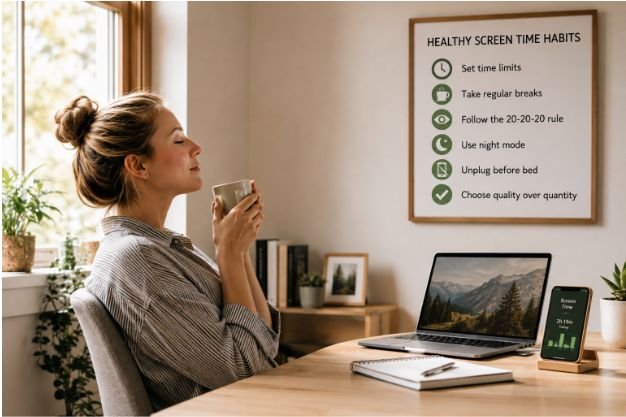
    Pairing regular movement breaks with healthy screen time habits that reduce digital fatigue may also ease the stiffness and tension associated with spending long periods using phones, computers, and other digital devices.

    A 10-Minute Morning Flexibility Routine

    A 10-Minute Morning Flexibility Routine

    1. March and Circle Your Arms

    March gently in place for 60 seconds. Let your arms swing, then add shoulder circles that gradually become larger. Keep your breathing easy and ribs relaxed. This warms the body before deeper stretching.

    2. Cat-Cow Movement

    Come onto your hands and knees. Inhale as you lift your chest and tilt your pelvis. Exhale as you round your back and draw your belly inward.

    Complete six to eight slow repetitions. Put a towel under your knees if needed, or perform the movement seated by alternating between arching and rounding your spine.

    3. Thread-the-Needle Stretch

    From your hands and knees, perform the thread the needle stretches by sliding your right arm beneath your left until your shoulder approaches the floor. Keep your hips above your knees. Hold the position for 20 seconds, then change sides.

    This movement targets the upper back and rear shoulders, which may feel tight after sleeping or prolonged screen use.

    4. Low Lunge

    Step your right foot forward from a kneeling position. Keep the front knee above the ankle and move your pelvis gently forward until you feel the front of the left hip stretch.

    Hold for 20 to 30 seconds, then switch sides. Avoid arching your lower back. Use a chair for support when necessary.

    5. Half-Split Hamstring Stretch

    From the low lunge, shift your hips backward and straighten the front leg comfortably. Keep a slight bend in the knee and lengthen your spine.

    Hold for 20 seconds per side. This is one of the most useful morning stretches to improve flexibility in the backs of the legs, particularly for people who sit for long periods.

    6. Seated Figure-Four Stretch

    Sit near the front of a stable chair. Place your right ankle over your left thigh and lean forward from the hips without rounding your back.

    Hold for 20 to 30 seconds, then switch sides. You should feel the outer hip and glute area stretching. Keep the crossed foot lower if the position feels too intense.

    7. Child’s Pose With Side Reach

    Bring your hips toward your heels and reach forward. Walk both hands slightly to the right to stretch the left side of your body. Return to the centre and repeat in the opposite direction.

    Hold each side for 20 seconds. Use a cushion between your hips and heels, or perform the reach while seated if kneeling feels uncomfortable.

    8. Standing Calf Stretch

    Face a wall and place both hands against it. Step one foot backward, press the heel down, and keep the toes pointing forward. Bend the front knee while keeping the back leg long.

    Hold for 20 to 30 seconds on each side. Slightly bending the back knee shifts the stretch lower toward the Achilles area.

    How to Progress Safely

    How to Progress Safely

    Beginners should use a smaller range of motion, shorter holds, and stable support. Bent knees are acceptable during hamstring stretches, and a chair can replace many floor positions. Flexibility is not determined by how closely your pose resembles someone else’s.

    Combining this routine with walking workouts for weight management can also create a balanced movement plan that supports mobility, cardiovascular fitness, and consistent daily activity.

    After several comfortable sessions, add five seconds to each hold. You can also repeat the tightest movement or practise the routine five days per week. Avoid bouncing, holding your breath, or pushing through sharp discomfort.

    Track one movement, such as how comfortably you can reach toward your shins. Check it again after two weeks under similar conditions. Small changes may be easier to recognise when you use the same position and technique each time.

    Frequently Asked Questions

    1. Can morning stretches to improve flexibility work in ten minutes?

    Yes. A focused ten-minute routine can support gradual progress when practised consistently. Results depend on your current mobility, technique, activity level, recovery, and regularity.

    2. Should I stretch immediately after waking?

    Start with about one minute of light movement before performing longer holds. Marching, shoulder circles, ankle movements, or gentle spinal motion can help your body transition from rest.

    3. How long should I hold each stretch?

    Hold a comfortable position for approximately 20 to 30 seconds. Beginners can start with 10 to 15 seconds and gradually increase the time as the movement becomes easier.

    4. Can I complete the routine without using the floor?

    Yes. Cat-cow, side reaches, hip stretches, and hamstring movements can all be adapted to a chair or standing position. A wall can provide additional balance and support.

    5. Should morning stretches feel uncomfortable?

    You may notice gentle pulling or tension, but stretching should not cause sharp pain, tingling, numbness, or joint discomfort. Reduce the range or stop the movement when something does not feel right.

    Final Thoughts

    I have found that flexibility becomes easier to develop when the routine is simple enough to repeat without hesitation. Ten calm minutes can build awareness of tight areas and make everyday movement feel less restricted.

    I would focus on comfort, consistency, and gradual progress rather than chasing the deepest possible position. Start with supported variations, track one movement for two weeks, and allow your range of motion to improve at its own pace. A routine you can maintain will always be more valuable than an intense session you rarely repeat.

  • How to Choose Whole Grain Bread at the Store: 7 Tests

    How to Choose Whole Grain Bread at the Store: 7 Tests

    A loaf can look dark, rustic, and healthy while still starting with refined flour. When readers ask me How to choose whole grain bread at the store, I tell them to ignore the bread’s color and turn the package around.

    The strongest loaf is not always the most expensive one or the bread covered with visible seeds. I use a 30-second “Front, First, Fiber, Finish” test to separate meaningful nutrition from clever packaging.

    How to Choose Whole Grain Bread at the Store in 30 Seconds

    How to Choose Whole Grain Bread at the Store in 30 Seconds

    Front: Read the Claim but Do Not Trust It Yet

    Start with packages marked “100% whole grain” or “100% whole wheat.” These claims are more useful than “multigrain,” “wheat,” or “made with whole grains.”

    However, the front panel is only your first filter. The ingredient list must support the marketing claim.

    First: Find the First Grain Ingredient

    The first grain ingredient should contain the word “whole.” Strong examples include whole wheat flour, whole rye flour, whole oats, and whole-grain barley flour.

    The FDA considers a grain whole when its bran, germ, and endosperm remain in the same relative proportions as the intact kernel. FDA guidance also recommends checking whether the first or predominant ingredient is a whole grain.

    Fiber: Compare Equal Serving Sizes

    Compare labels using the same number of slices. One company may provide nutrition information for one slice, while another uses two.

    I aim for about 3 grams of fiber per slice when possible. This is a practical shopping target rather than a legal definition of whole-grain bread.

    Finish: Break Ties With Sugar and Sodium

    After checking the grain base and fiber, compare added sugar and sodium. I favor bread with about 2 grams or less of added sugar per slice and roughly 150–180 milligrams of sodium or less.

    This order is the fastest way to understand How to choose whole grain bread at the store without letting the package design control your decision.

    Decode Whole-Grain Claims Before They Fool You

    Decode Whole-Grain Claims Before They Fool You

    “Multigrain” means the product contains more than one grain. It does not mean those grains are whole. A loaf could combine refined wheat, corn, and oats while still using the term.

    “Made with whole grains” confirms that some whole grain is present. It does not guarantee that every grain ingredient is whole.

    “Wheat bread” can also begin with ordinary refined wheat flour. The word “wheat” is not the same as “whole wheat.”

    Therefore, How to choose whole grain bread at the store cannot be answered by reading the largest words on the bag. Always confirm the claim through the ingredients.

    Read the Ingredient List Like a Buyer

    Look for whole wheat flour, whole rye flour, whole oats, or another named whole grain near the beginning.

    Be cautious when the first flour appears as:

    • Wheat flour
    • Enriched wheat flour
    • Enriched flour
    • Unbleached flour

    These terms indicate refined flour unless the label specifically includes the word “whole.”

    Food ingredients are listed in descending order by weight. The ingredient used in the greatest amount appears first, followed by ingredients used in smaller amounts.

    Do not reject an otherwise suitable bread because it contains yeast, salt, vinegar, oil, or a small amount of sweetener. Concentrate on the grain base first.

    My ingredient rule for How to choose whole grain bread at the store is straightforward: “whole” should appear early and clearly, especially when several flours are listed.

    Use the Nutrition Facts Panel to Compare Loaves

    The Nutrition Facts panel helps you compare similar breads, but it cannot prove that a product is whole grain. Fiber can also come from added ingredients, so check the ingredient list before comparing the numbers.

    Look for Meaningful Fiber

    The FDA Daily Value for dietary fiber is 28 grams for a 2,000-calorie diet. As a general label-reading rule, 5% Daily Value or less is considered low, while 20% or more is considered high.

    A loaf providing around 3 grams per slice makes a useful contribution. If the serving size is two slices, look for approximately 6 grams.

    However, do not let an impressive fiber number replace the ingredient test. Confirm that whole grains appear near the beginning.

    Check Added Sugar, Not Just Total Sugar

    Read the “Includes Added Sugars” line rather than relying only on total sugars. Added sugars must be shown separately on current US Nutrition Facts labels.

    A practical target is 2 grams or less per slice. Still, a refined loaf with zero added sugar does not automatically beat a genuine whole-grain loaf with one gram.

    Grain quality remains the first test.

    Compare Sodium Per Slice

    The FDA Daily Value for sodium is 2,300 milligrams.

    Bread can add considerable sodium because a sandwich normally uses two slices. A difference of 70 milligrams per slice becomes 140 milligrams in one sandwich.

    When two loaves have similar whole-grain ingredients and fiber, choose the lower-sodium option.

    These comparisons turn How to choose whole grain bread at the store into a repeatable process instead of a search for one perfect number.

    Ignore Brown Color and Read the Whole Grain Stamp

    Ignore Brown Color and Read the Whole Grain Stamp

    Brown bread is not automatically whole grain. Ingredients such as molasses, caramel coloring, malt, or brown sugar can create a darker appearance. A pale loaf can also use genuine whole-grain flour.

    Trust the wording on the back rather than the shade of the bread.

    The Whole Grain Stamp can provide additional evidence, but you must identify which version appears on the package.

    The 100% Stamp means every grain ingredient is whole grain. It also requires at least 16 grams of whole grain per labeled serving.

    The 50%+ Stamp and Basic Stamp confirm that a product contains whole grain. However, they do not promise that all its grain ingredients are whole.

    For How to choose whole grain bread at the store, consider the 100% Stamp strong supporting evidence, but still verify the ingredients.

    Compare Two Loaves With a Worked Shelf Example

    Imagine two loaves sitting beside each other.

    Loaf A says “12 Grain,” looks dark, and displays seeds through the bag. Its first ingredient is enriched wheat flour. One slice contains 2 grams of fiber, 3 grams of added sugar, and 190 milligrams of sodium.

    Loaf B looks lighter and says “100% Whole Wheat.” Whole wheat flour is the first ingredient. One slice contains 3 grams of fiber, 1 gram of added sugar, and 150 milligrams of sodium.

    I would choose Loaf B.

    Loaf A wins the beauty contest, but Loaf B wins the label test. This example shows How to choose whole grain bread at the store without becoming distracted by color, grain counts, visible seeds, or rustic branding.

    Handle Sprouted, Sourdough, and Gluten-Free Bread

    Sprouted bread can be a suitable choice, but “sprouted” does not automatically mean 100% whole grain. Check whether the first grain ingredient is explicitly described as whole.

    Sourdough refers to the fermentation method rather than the type of flour. A sourdough loaf may use refined white flour, whole-grain flour, or a mixture.

    Gluten-free bread requires extra attention because some products rely heavily on tapioca starch, potato starch, or refined rice flour. Whole-grain gluten-free options may include brown rice, sorghum, buckwheat, quinoa, millet, or certified gluten-free oats. The FDA recognizes grains such as sorghum, buckwheat, millet, quinoa, rice, oats, and rye as whole grains when their essential components remain intact.

    The same method used for How to choose whole grain bread at the store works across other packaged-food aisles. Compare breakfast cereals by nutrition label before choosing your next breakfast box.

    Your Cart Deserves Better Than Beige Marketing

    Stores make How to choose whole grain bread at the store appear harder than it really is. Packages advertise seeds, ancient grains, protein, and “natural” ingredients, while the most useful evidence sits in small print.

    Turn the loaf around. Confirm that a whole grain comes first, compare fiber using equal serving sizes, and then check added sugar and sodium.

    Give the 100% Whole Grain Stamp extra credit, but never allow brown color to make the final decision. Your next sandwich deserves evidence, not a loaf wearing a healthy-looking costume.

    Frequently Asked Questions

    1. How to choose whole grain bread at the store for more fiber?

    Choose bread with a named whole grain first and aim for around 3 grams of fiber per slice.

    2. Is multigrain bread the same as whole-grain bread?

    No. Multigrain means several grains are present, but some or all may be refined.

    3. What should the first ingredient in whole-grain bread be?

    It should name a whole grain, such as whole wheat flour, whole rye flour, or whole oats.

    4. Is 100% whole wheat bread considered whole grain?

    Yes. Whole wheat flour retains the bran, germ, and endosperm of the wheat kernel.

  • Self Care Routine for Federal Employees: A Practical Daily Plan

    Self Care Routine for Federal Employees: A Practical Daily Plan

    Public service can be meaningful, but strict procedures, heavy caseloads, long commutes, and shifting priorities can drain my energy. I need a self-care routine for federal employees that protects my health without weakening my commitment to the mission.

    The best approach combines personal habits with federal wellness resources. I cannot fix understaffing with breathing exercises, but I can set boundaries, use agency benefits, and recover intentionally.

    How Can Federal Employees Use Their Wellness Benefits?

    I first check what my agency provides. A federal Employee Assistance Program generally offers free, confidential assessments, short-term counseling, referrals, and follow-up support. Depending on the provider, it may also include financial coaching or legal and financial referrals. OPM confirms that employees do not pay for services delivered directly through an agency EAP.

    Federal Occupational Health provides behavioral health and work-life services to participating agencies. Its EAP operates 24 hours a day, 365 days a year and offers counseling, assessments, referrals, coaching, and resilience support. I verify access through my agency intranet or HR office.

    I also ask HR about transit subsidies, fitness discounts, health screenings, wellness programs, and ergonomic services. Benefits vary by agency and location.

    Can an Alternative Work Schedule Improve Work-Life Balance?

    Can an Alternative Work Schedule Improve Work-Life Balance?

    When my position allows it, I ask whether an Alternative Work Schedule fits mission needs. A 4/10 schedule uses four 10-hour days each week. A 5/4/9 plan generally includes eight 9-hour days, one 8-hour day, and one regular day off per pay period.

    Approval depends on agency rules, staffing, bargaining agreements, job duties, and management authorization.

    A predictable day off can support appointments, caregiving, and recovery. Because longer shifts may increase fatigue, I consider my commute, sleep, and family responsibilities before requesting one.

    What Should I Do Before Starting Federal Work?

    I spend five quiet minutes breathing, stretching, praying, or journaling before checking email. This mindful morning helps me begin deliberately instead of immediately reacting to messages and workplace demands.

    I drink water, eat breakfast, and pack a nutritious meal when possible. Preparing clothes, credentials, food, and commuting essentials the night before reduces decision fatigue and return-to-office stress.

    Choosing how to choose whole grain bread at the store can make packed breakfasts and lunches more filling and practical. I look for whole grain listed first, check fiber content, and pair the bread with protein to support steadier energy during long workdays.

    I also choose one intention for the day, such as staying patient, communicating clearly, or focusing on what I can control.

    How Can Government Workers Set Better Boundaries?

    My first boundary is mental. I separate my identity from systemic problems I cannot solve alone. I can document concerns, recommend solutions, follow the chain of command, and complete my work without carrying every agency issue home.

    At the beginning of my shift, I identify three realistic priorities. When deadlines conflict, I ask my supervisor which assignment should come first rather than silently accepting an impossible workload.

    I also enforce a digital sunset. Unless my role requires after-hours availability, I log out of government systems and silence work devices when my shift ends. I record unfinished work and identify tomorrow’s first task before shutting down.

    How Often Should Federal Employees Take Micro-Breaks?

    How Often Should Federal Employees Take Micro-Breaks?

    For desk-based work, I pause or change position every 60 to 90 minutes when my duties permit. A two-minute stretch, short walk, or water refill can reduce continuous screen exposure.

    OSHA recommends regular micro-pauses and suggests taking five minutes away from computer tasks each hour.

    I also protect my designated lunch break whenever operations allow. Eating away from my desk, walking briefly, or sitting outdoors creates a physical boundary between work and recovery.

    How Can I Create a Healthier Federal Workstation?

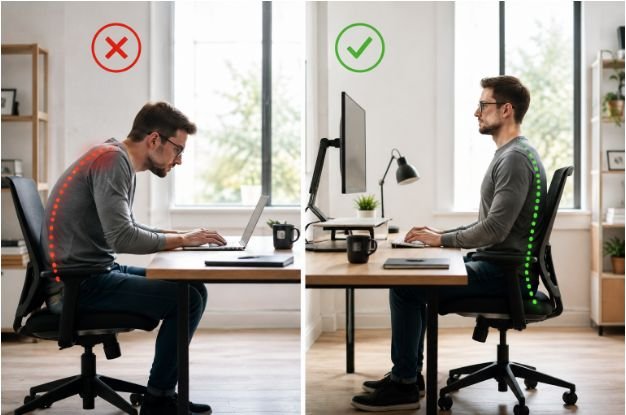
    I adjust my chair, screen, keyboard, and mouse to support a neutral posture. If discomfort continues, I request an ergonomic assessment and ask about an adjustable task chair, monitor support, keyboard equipment, or sit-stand option.

    OSHA recommends properly adjusted workstations, varied tasks, and recovery pauses to reduce awkward postures and physical strain.

    What Should I Do After a Difficult Public Interaction?

    After an angry call, distressed applicant, emergency, or sensitive case, I pause before moving to my next task. I relax my shoulders, breathe slowly, document the required facts, and follow agency procedures when safety, ethics, or operational concerns are involved.

    That brief reset prevents one stressful encounter from influencing every conversation that follows.

    What Is the Best Evening Recovery Routine?

    At home, I create a clear transition away from government work. I may change clothes, walk, exercise, cook, listen to music during my commute, or connect with family and friends.

    When teleworking, I close my laptop, clear the workspace, and leave the area when possible. These actions recreate the separation that a commute normally provides.

    Federal employees who telework regularly can adapt ideas from a self-care routine for remote workers by using a fixed workspace, scheduling movement breaks, protecting lunch, silencing notifications, and creating a firm end-of-day shutdown ritual.

    I keep a designated water container nearby as a hydration reminder throughout the day. I also protect a consistent sleep schedule. Most adults need at least seven hours of sleep, while many function best with seven to nine hours.

    How Should I Structure My Day?

    How Should I Structure My Day?

    In the morning, I use mindfulness, hydration, movement, and meal preparation for cognitive grounding. At midday, I leave my desk, walk outside when practical, eat, hydrate, and schedule an EAP appointment if stress persists.

    In the evening, I shut down government devices, reconnect socially, and protect my sleep. This pattern makes government employee self care predictable without turning wellness into another demanding checklist.

    When Is Personal Self-Care Not Enough?

    Self-care cannot correct harassment, unsafe conditions, chronic understaffing, or serious mental health concerns.

    If anxiety, hopelessness, sleep disruption, emotional detachment, or difficulty functioning persists, I contact my EAP, review my Federal Employees Health Benefits mental health coverage, or speak with a licensed professional.

    During an immediate crisis, I use emergency services or the 988 Suicide & Crisis Lifeline rather than relying solely on workplace wellness resources.

    Frequently Asked Questions 

    1. Are EAP services free for federal employees?

    Services delivered directly through an agency EAP are generally free and confidential. Outside treatment or specialist services may create additional costs.

    2. Can every federal employee request a 4/10 or 5/4/9 schedule?

    Employees may request one, but approval depends on agency policy, staffing, position requirements, labor agreements, and management authorization.

    3. How can federal employees prevent burnout during busy periods?

    I protect sleep, communicate priorities, take authorized breaks, maintain nutrition and hydration, use leave appropriately, and seek support before stress becomes unmanageable.

    4. What is a realistic daily wellness routine for government workers?

    A practical routine includes a calm morning, three priorities, movement breaks, lunch away from the desk, a secure shutdown ritual, social connection, and consistent sleep.

    A Sustainable Way to Serve Without Burning Out

    The best self-care routine for federal employees does not require perfect mornings or expensive wellness plans. I build it by using federal benefits, protecting lunch, improving my workstation, requesting workable flexibility, shutting down devices on time, and seeking support when needed.

    When I practice these habits consistently, I support federal employee wellness while protecting my health, relationships, and identity outside work.

  • Self Care Routine for Remote Workers: A Daily Reset Plan

    Self Care Routine for Remote Workers: A Daily Reset Plan

    Working from home removes a commute, but it can also erase the boundary between my job and personal life. When my laptop is always nearby, I may start too early, sit for hours, eat at my desk, and check messages after dinner. 

    Remote employees commonly face blurred work-life boundaries and social isolation, making deliberate daily structure especially important. That is why I treat a self-care routine for remote workers as daily structure rather than an occasional reward.

    My goal is a practical routine that protects my energy, supports my physical and mental health, and lets me enjoy remote-work flexibility without feeling permanently on call.

    How Do I Build a Healthy Morning Routine Before Remote Work?

    Simulate a Commute Before Opening Your Laptop

    I start with a transition instead of moving directly from bed to work. A 10-minute walk outside works well, but sitting on a balcony or stretching near a bright window can send the same signal. This simulated commute gives me a clear moment when home life ends and the workday begins.

    I avoid checking email in bed. I drink water, eat breakfast, and change out of my pajamas into comfortable daytime clothes. Dressing for work does not require formal office wear. It simply shifts me into a more focused mindset and prevents my morning from feeling like an extension of sleep.

    Prepare a Clear, Well-Lit Workspace

    Before logging in, I remove household clutter and maximize natural light. I position the screen near eye level, relax my shoulders, support my feet, and keep the keyboard where my elbows remain near my sides. OSHA recommends arranging computer equipment to support neutral body positions and making regular posture changes.

    I avoid working from bed whenever possible. Even in a small apartment, I can choose one consistent work zone and put my laptop away afterward. That small separation helps me associate the bed with rest instead of deadlines.

    What Self-Care Habits Should I Follow During Working Hours?

    What Self-Care Habits Should I Follow During Working Hours?

    Use the 20-20-20 Rule for Digital Eye Strain

    Every 20 minutes, I look at something about 20 feet away for at least 20 seconds. The American Academy of Ophthalmology recommends this approach to give the eyes regular breaks during prolonged screen use.

    I also reduce glare, enlarge small text, and blink intentionally when my eyes feel dry. Persistent eye pain, headaches, or vision changes require professional eye care rather than another productivity trick.

    Take a Five-Minute Movement Break Every Hour

    I use a phone alarm, calendar reminder, Pomodoro timer, or ClickUp-compatible timer to prompt a five-minute break every hour. I stand, stretch my neck and shoulders, refill my water, or walk through the house.

    NIOSH reports that short hourly breaks can reduce discomfort among people who work on computers, while OSHA advises workers to change positions and walk around periodically.

    Movement supports circulation, eases muscle fatigue, and contributes to physical-activity habits associated with healthier blood pressure. I treat these pauses as necessary maintenance, not wasted time.

    Eat Lunch Away From the Workstation

    I protect lunch as a real break instead of answering Slack messages between bites. Eating in another room, on a patio, or at a nearby park allows my attention to reset. When possible, I take a short walk before returning to work.

    I keep a water bottle nearby and refill it during my movement breaks. I also limit high-caffeine drinks after midday when they disturb my sleep. The FDA notes that people differ in their sensitivity to caffeine, so I pay attention to how coffee, tea, and energy drinks affect my evenings.

    How Can I Prevent Remote Work Burnout?

    Set Clear Availability Boundaries

    Set Clear Availability Boundaries

    I communicate my normal working hours and block focused time on my calendar. I group similar tasks, close unnecessary browser tabs, and check messages at planned intervals instead of reacting to every alert. These habits reduce digital overload and help me complete meaningful work.

    Remote work can also feel isolating despite frequent video calls. I schedule a casual conversation, coworking session, lunch with a friend, or after-work activity so my social life does not depend entirely on task-focused meetings.

    Keep a Smaller Routine on Busy Days

    Parents, caregivers, workers across US time zones, and employees collaborating with global teams cannot follow the same schedule every day. On demanding days, I keep the essentials: a morning transition, one protected meal, regular movement, and a defined ending.

    I make these habits easier by connecting them to actions that already happen. I stretch after meetings, refill my water after restroom breaks, and write tomorrow’s first priority before closing my computer.

    Remote workers who collaborate closely with educators may also benefit from ideas found in self-care for teachers during the school year. Protecting work hours, limiting after-hours messages, using brief stress resets, and maintaining social support can make demanding schedules feel more sustainable.

    How Do I End the Remote Workday on Time?

    Set a Hard Stop and Close the Device

    I choose a firm clock-out time that fits my role and employer expectations. Before stopping, I record unfinished tasks, select tomorrow’s priority, close work tabs, shut the laptop, tidy my notepad, and clear the desk.

    This device-close ritual tells me that the workday is over. In a shared room, I store work equipment in a drawer, cabinet, or bag so the space feels personal again.

    Learning more about balancing productivity with personal wellbeing can help remote workers recognize that a clear stopping time is not a sign of poor commitment. It is a practical boundary that protects recovery, sleep, relationships, and long-term performance.

    Silence Work Notifications Automatically

    Silence Work Notifications Automatically

    I schedule a Personal or Do Not Disturb mode on my phone to mute work email and messaging apps after hours. Apple allows users to schedule Focus settings, while Slack and Microsoft Teams offer notification schedules or quiet-time controls.

    I keep exceptions only for genuine emergencies or formal on-call duties. After logging off, I move directly into a non-screen activity such as cooking, exercising, listening to music, reading, or walking. This tells my brain that personal time has started.

    What Should My Daily Self-Care Targets Be?

    My physical target is regular movement and stretching instead of prolonged sitting. This can reduce muscle fatigue and support cardiovascular health.

    My mental target is a designated, uncluttered workspace that reduces work-from-home stress and guilt. My digital target is automatic notification silencing that prevents work from expanding deep into the evening.

    I also protect my sleep with a consistent bedtime and seek professional support when stress, anxiety, low mood, exhaustion, or sleep problems persist. Self-care can support well-being, but it should not replace appropriate medical or mental-health care.

    Frequently Asked Questions 

    1. What Is the Best Self Care Routine for Remote Workers?

    The best routine includes a morning transition, an ergonomic workspace, hourly movement and eye breaks, a protected lunch, clear availability boundaries, and a firm shutdown ritual.

    2. How Often Should Remote Employees Take Breaks?

    I aim for a brief posture or movement change every 30 to 60 minutes and a longer meal break away from the workstation. Personal health needs and employer break policies may require a different schedule.

    3. How Can I Separate Work From Home in a Small Space?

    I use one consistent work area, avoid working from bed, store equipment after hours, change clothes or lighting at clock-out time, and take a short walk to create a physical transition.

    Make Remote Work Fit Into Your Life

    Clear signals make my routine effective: I am starting, I am pausing, and I am finished. By combining a simulated commute, ergonomic setup, micro-breaks, hydration, a protected lunch, social connection, notification limits, and a hard stop, I can protect my health without turning self-care into another demanding project.

  • Real Life Benefits of Slow Living in Modern Society Unlocked 

    Real Life Benefits of Slow Living in Modern Society Unlocked 

    Stepping off the high-speed treadmill of daily busyness felt terrifying at first, but unlocking the true benefits of slow living in modern society completely transformed my daily health and sanity. We live in a world that treats constant hustle like a shiny badge of honor. We run on caffeine, chase endless deadlines, and scroll through screens late into the night. It leaves us feeling drained, disconnected, and perpetually exhausted.

    Slow living is not about throwing away your smartphone or moving to an isolated cabin. It is a conscious choice to do things at the right speed so you can actually enjoy your life. When you slow down, you give your mind and body room to breathe. You start making space for what truly matters instead of reacting to every single notification on your device.

    Key Takeaways

    • Slow living reduces chronic stress by lowering cortisol levels and calming your nervous system.
    • Unplugging restores focus, boosts creative output, and prevents severe daily burnout.
    • Doing less deepens personal relationships and creates meaningful time for your passions.
    • Embracing slowness improves physical health, aiding sleep quality, digestion, and heart health.
    • Small intentional habits protect your mental boundaries without requiring you to quit your job.

    Mindful Ways Slowness Unlocks Psychological Strength

    Living in a constant rush forces your mind into a permanent state of high alert, draining your mental reserves and dulling your daily focus.

    Overcoming Chronic Burnout

    Resisting the urge to react to every urgent demand allows your nervous system to reset naturally. When you stop sprinting through your day, elevated cortisol levels drop, relieving the constant pressure on your mind. This intentional pause shields you from emotional exhaustion and keeps your mental health grounded for the long run.

    Expanding Your Experience of Time

    Rushing through life on autopilot compresses your memories, making years feel like brief blinks. Mindfulness stretches your perception of time by anchoring your focus firmly in the present moment. By fully experiencing each hour, your days feel richer, longer, and filled with memorable detail instead of blurring together.

    Sharpening Focus and Creative Flow

    Bouncing between multiple tasks fragments your attention span and clutters your thinking. Single-tasking allows your brain to process information deeply, improving short-term memory and sharp problem-solving skills.

    Practicing quick mindfulness exercises for busy people between focused work sessions can calm mental overload and restore attention.

    Creating unstructured pauses gives your mind the whitespace it needs for fresh, innovative ideas to surface effortlessly.

    Surprising Ways Pacing Improves Physical Health

    Surprising Ways Pacing Improves Physical Health

    Your physical body pays a heavy price for constant hurry, but slowing your daily pace works wonders for your vital organs.

    Supporting Heart Health and Blood Pressure

    Consciously slowing down your breath and physical pacing directly calms your autonomic nervous system. This mindful shift lowers your resting heart rate and reduces elevated blood pressure naturally. Over time, giving your body these quiet moments protects your cardiovascular system from the cumulative damage of chronic daily stress.

    Unlocking Deep Restorative Sleep

    Distancing yourself from digital pings and frantic energy before bed sets the stage for genuine rest. Quieting your racing thoughts allows your body to transition smoothly into deep, uninterrupted sleep cycles. You wake up feeling truly restored, energized, and physically prepared to handle demanding days ahead.

    Optimizing Digestion and Immune Defense

    Gulping down meals while multitasking causes stress-induced gastrointestinal issues that disrupt nutrient absorption. Mindful eating patterns give your digestive system the space it needs to function smoothly without strain. Furthermore, minimizing physical exhaustion preserves your immune system, ensuring your body maintains a robust defense against everyday illnesses.

    Building Stronger Connections and Sustainable Habits

    Building Stronger Connections and Sustainable Habits

    Slowness creates a powerful ripple effect that enriches your personal relationships while protecting the surrounding environment.

    As how modern work is changing healthy living becomes increasingly clear, setting a calmer pace can help protect personal time, improve recovery, and prevent professional demands from overwhelming everyday well-being.

    Nurturing Authentic Relationships

    Offering your undivided attention to the people around you transforms ordinary interactions into deep bonds. Active listening allows you to connect empathetically without the distraction of looming schedules or pending tasks. These meaningful exchanges build trust, strengthen family ties, and foster a warm sense of community belonging.

    Embracing Intentional Consumption

    Aligning your daily choices with slow fashion and minimalism significantly cuts down on household waste. By pausing before buying unnecessary items, you ease personal financial strain while treading lighter on the planet. Intentional consumption ensures you spend your time and resources only on things that add real value to your life.

    Benefits of Slow Living in Modern Society: Practical Daily Steps

    Benefits of Slow Living in Modern Society: Practical Daily Steps

    Applying the benefits of slow living in modern society requires simple, practical steps that fit seamlessly into your existing daily routine.

    First, transform your morning by keeping your phone away for the first twenty minutes after waking up. Use this quiet buffer to sip water, stretch gently, or enjoy the sunrise before checking emails. This peaceful start protects your mental space from feeling instantly hijacked by external demands.

    Second, practice dedicated single-tasking during your daily work hours instead of juggling multiple projects at once. Pick one core priority, close extra browser tabs, and work with full focus for forty-five minutes at a time. You can outbound link to structured resources like Mindful to learn guided breathing techniques that keep you centered during busy work sessions.

    Third, establish clear digital boundaries each evening to give your mind a break from constant screen stimuli. Set a digital curfew two hours before sleep, silence non-essential notifications, and replace late-night scrolling with reading or relaxed conversation. Protecting your evenings allows your body to unwind naturally and prepare for deep rest.

    Finally, guard your personal calendar by learning to say a polite, firm no to non-essential commitments. Curating your schedule ensures you reserve energy for true priorities, meaningful hobbies, and essential rest without feeling guilty.

    Frequently Asked Questions

    1. What are the benefits of living a slow life?

    Living a slow life lowers cortisol levels, prevents mental burnout, improves sleep quality, and deepens personal relationships. It gives you the mental clarity needed to enjoy daily moments with genuine gratitude and focus.

    2. Where is the most laid back place to live?

    Coastal towns, rural mountain communities, and countries that prioritize work-life balance like Costa Rica, Portugal, or Denmark offer relaxed environments where communities naturally practice an unhurried, peaceful lifestyle.

    3. What are the benefits of living in a modern society?

    Modern society provides advanced medical care, rapid transportation, convenient technology, and broad access to information, which collectively keep us safe, comfortable, and seamlessly connected across the world.

    4. What are the benefits of moving slowly?

    Moving slowly lowers your heart rate, reduces muscle tension, prevents accidental physical injuries, and gives your mind the time required to process complex emotions effectively throughout busy days.

    5. How do I start practicing slowness at work?

    Start by blocking dedicated time for single-tasking, taking short screen-free breaks between meetings, setting firm end-of-day boundaries, and turning off desktop notifications during deep focus hours.

    Stop Rushing, Start Living, and Win at Life

    Unlocking the benefits of slow living in modern society is the ultimate cheat code for a healthier, happier life. You do not need to move to a quiet remote island to find peace; you simply need to make small, intentional choices right where you are. Take a deep breath, slow down your pace today, and reclaim the joy you truly deserve.

  • How Modern Work Is Changing Healthy Living One Routine at a Time

    How Modern Work Is Changing Healthy Living One Routine at a Time

    A few years ago, I used to think living a healthy lifestyle simply meant finding time to work out after work. If I could squeeze in a gym session and eat something decent for dinner, I felt like I had done enough. Over time, I realized the hardest part wasn’t exercising. It was everything that happened during the other ten or twelve hours of the day. Sitting for long stretches, rushing through meals, staring at screens, and carrying work into the evening quietly shaped how I felt more than one workout ever could.

    That realization seems to be happening everywhere. Healthy living isn’t being treated as something separate from work anymore. It’s becoming part of the workday itself. Instead of waiting until the weekend to reset, people are finding simple ways to move more, eat better, manage stress, and protect their energy while they’re actually working. Those small changes are creating routines that feel easier to maintain because they fit naturally into everyday life.

    Work Is No Longer Separate From Healthy Living

    Work Is No Longer Separate From Healthy Living

    The modern workplace has changed almost every part of daily life. Flexible schedules, remote work, hybrid offices, and constant digital communication have given people more freedom in some ways while making it harder to switch off in others.

    This shift has changed what healthy living looks like. Instead of depending on one hour at the gym or a strict meal plan, people are building wellness into the spaces between meetings, deadlines, and daily responsibilities. The focus has moved from dramatic lifestyle changes to habits that support both productivity and long-term well-being.

    Small Movement Breaks Are Replacing Long Periods of Sitting

    Many professionals spend most of their day at a desk. Even people who exercise regularly can still experience the effects of sitting for hours without moving.

    That’s why short movement breaks are becoming part of healthy work habits. A quick walk around the office, stretching between meetings, or standing during phone calls can improve circulation and reduce stiffness. Some people use standing desks, while others simply set reminders to get up every hour.

    These short bursts of movement may seem minor, but they help break the cycle of prolonged inactivity without disrupting the workday.

    Better Nutrition Starts With Better Timing

    Better Nutrition Starts With Better Timing

    Busy schedules often lead to skipped meals or grabbing whatever food is most convenient. That habit usually provides a quick burst of energy followed by an afternoon crash.

    Instead of relying on processed snacks, many people now prepare balanced meals ahead of time and keep healthier options nearby during the workday. Drinking enough water has also become a bigger priority because dehydration can affect concentration just as much as poor sleep.

    The goal isn’t eating perfectly every day. It’s creating routines that make healthier choices the easiest option when work gets busy.

    Recovery Is Becoming Part of the Workday

    For years, productivity was often measured by how long someone could stay busy. That mindset is changing.

    More professionals are recognizing that recovery isn’t something earned after burnout. It’s something that helps prevent it in the first place. Short breathing exercises, stepping outside for fresh air, or taking a genuine lunch break can improve focus far more than pushing through mental exhaustion.

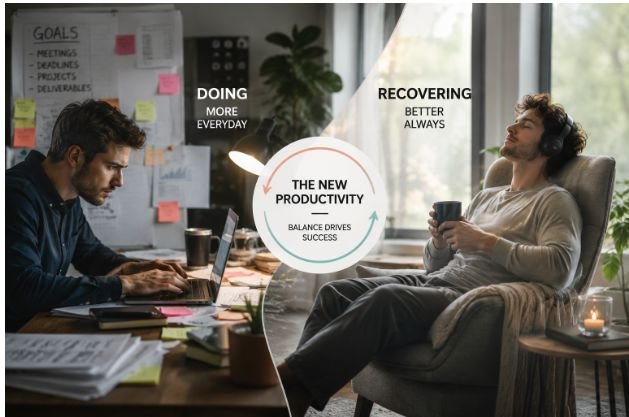
    This shift explains why recovery is becoming the new productivity. Rest is no longer viewed as lost time. It’s becoming an important part of performing well throughout the day instead of running on empty.

    Daily Routines Are Supporting Better Mental Health

    Daily Routines Are Supporting Better Mental Health

    Mental health conversations have become much more practical. Rather than waiting until stress becomes overwhelming, people are creating routines that reduce it before it builds up.

    Simple habits like looking away from a screen every hour, practicing a few minutes of mindful breathing between meetings, or writing down tomorrow’s priorities before ending the workday help create a clearer separation between work and personal life.

    These routines don’t eliminate pressure, but they make it easier to manage without feeling constantly overwhelmed.

    Consistent Schedules Help the Body Work Better

    Irregular work hours can affect much more than sleep. They also influence energy levels, appetite, focus, and overall well-being.

    Many people are trying to keep consistent wake-up times even when their work schedule changes. Morning sunlight, regular meal times, and limiting screen use before bed help support the body’s natural circadian rhythm.

    These habits may sound simple, but they often have a bigger impact than complicated wellness plans because they’re repeated every day.

    Healthy Living Is Becoming More Personal

    Healthy Living Is Becoming More Personal

    One of the biggest changes in recent years is that people are defining health differently. Some focus on walking more. Others prioritize better sleep, meal planning, or spending less time online after work.

    There isn’t a single routine that works for everyone. The healthiest habits are usually the ones that fit naturally into an individual’s schedule instead of adding more pressure to an already busy day.

    Modern work has made healthy living more flexible. Success is no longer measured by following someone else’s routine but by building one that feels realistic enough to continue.

    FAQs: How Modern Work Is Changing Healthy Living One Routine at a Time

    1. How has modern work changed healthy living?
    Modern work has encouraged people to build healthier habits into the workday through movement breaks, better nutrition, consistent routines, and improved work-life boundaries instead of relying only on after-work wellness activities.

    2. Why are small daily habits becoming more popular?
    Small habits are easier to maintain, fit naturally into busy schedules, and often produce better long-term results than making dramatic lifestyle changes all at once.

    3. Can remote or hybrid work improve well-being?
    It can when people use the flexibility wisely by creating structured routines, staying active, taking regular breaks, and protecting personal time after work.

    4. What is the easiest healthy habit to start with?
    Choose one simple routine, such as walking for five minutes every hour, drinking more water, or avoiding screens before bed, then build from there.

    The Best Routine Is the One You Can Keep

    I’ve come to realize that healthy living doesn’t depend on finding more hours in the day. It depends on making better use of the hours that already exist. The routines people are building today aren’t complicated because they don’t need to be. They work because they become part of everyday life instead of something that only happens when there’s extra time.

    The healthiest routine isn’t the most ambitious one. It’s the one you’ll still be following months from now.

  • Self-Care for Emotional Health: 12 Daily Habits That Help

    Self-Care for Emotional Health: 12 Daily Habits That Help

    I used to reach for self-care only after stress had taken over. A quiet evening helped temporarily, but it did not explain why I felt overwhelmed, irritable, lonely, or emotionally drained.

    I now see self-care for emotional health as the daily practice of noticing my feelings, protecting my energy, supporting my body, and responding before stress becomes burnout. Emotional well-being does not mean staying positive all the time. The CDC connects it with managing emotions, finding meaning, and maintaining supportive relationships.

    How Can I Tell My Emotional Health Needs Attention?

    I pay attention when ordinary problems feel unusually heavy. Warning signs may include irritability, emotional numbness, overthinking, trouble concentrating, disrupted sleep, appetite changes, social withdrawal, or guilt whenever I rest. Stress can affect sleep, appetite, energy, and emotional reactions.

    What Daily Habits Support Better Emotional Well-Being?

    1. Name and Journal My Feelings

    I replace “I feel bad” with clearer words such as anxious, disappointed, lonely, resentful, or exhausted. I write what happened, what triggered me, what I needed, and what I can do next. The CDC recommends journaling to help people understand and work through feelings.

    2. Practice Slow, Deep Breathing

    Practice Slow, Deep Breathing

    When my thoughts race, I take slow breaths and make the exhale slightly longer than the inhale. This gives me space to respond instead of reacting. The CDC includes deep breathing, yoga, stretching, and meditation among useful relaxation techniques.

    3. Challenge Negative Thoughts

    I question thoughts such as “I always fail” or “Everyone is judging me.” Then I replace them with something balanced: “This was difficult, but one moment does not define me.”

    This is not forced positivity. It is a realistic way to keep stressful situations in perspective and prevent harsh internal monologues from controlling my mood.

    4. Keep a Specific Gratitude Log

    Each evening, I write three specific things I appreciated, such as a supportive phone call, a good meal, or help with a difficult task.

    Gratitude should not silence anger, sadness, or disappointment. I use it alongside emotional processing rather than as a way to avoid uncomfortable feelings.

    5. Create a Personal “No” List

    My “No” list may include routine work messages after hours, unnecessary commitments, one-sided relationships, or requests that exceed my capacity.

    In a culture that often rewards constant availability, clear boundaries protect my time, sleep, health, and relationships. Saying no does not make me selfish. It helps me reserve energy for responsibilities and people that genuinely matter.

    6. Take a 30-Minute Digital Detox Before Bed

    I turn off phones, television, tablets, and work screens at least 30 minutes before bedtime. This keeps late emails, upsetting headlines, and social media comparisons from following me into sleep.

    The CDC specifically recommends turning off electronic devices at least 30 minutes before bed as part of a healthy sleep routine.

    7. Schedule “Nothing” Days

    Schedule “Nothing” Days

    When possible, I reserve an occasional day or half-day without errands, productivity goals, or social obligations. Unstructured rest gives me space to recover without feeling guilty for not accomplishing something.

    However, I do not use a “nothing” day to avoid a conflict, deadline, or decision that still requires action. Healthy rest should restore me, not create more stress later.

    8. Spend Time With Supportive People

    I choose people who respect my boundaries and allow honest conversation. When loneliness grows, I prioritize face-to-face contact through coffee, a walk, a family visit, a faith community, or a local group.

    Loneliness and social isolation are associated with higher risks of depression and other health concerns. Quality matters more than having a large social circle.

    9. Share Screen-Free Meals and Positive Moments

    I put devices away during some meals so I can listen, make eye contact, and enjoy the experience. Technology-free meals give conversations room to develop without constant notifications.

    I also share small wins, humor, memories, and enjoyable activities with people I trust. Emotional connection is not limited to discussing problems. Sharing positive experiences can also strengthen relationships.

    10. Prioritize Quality Sleep

    I aim for seven to nine hours of sleep and keep my bedtime and wake time consistent. The CDC recommends at least seven hours for adults ages 18 to 60 and seven to nine hours for adults ages 61 to 64.

    A cool, quiet bedroom and a screen-free wind-down routine can make quality rest easier. When I am underslept, minor frustrations often feel much larger than they normally would.

    11. Move My Body Every Day

    I walk, stretch, dance, run, lift weights, garden, or complete active chores instead of waiting for a perfect workout.

    NIMH notes that a 30-minute daily walk can support mood and overall health, while smaller amounts of activity still add up. Daily movement also gives me a healthy outlet when I feel restless, tense, or frustrated.

    12. Eat Foods That Support Overall Health

    I build regular meals around vegetables, whole grains, protein, healthy fats, and water. Leafy greens, nuts, seeds, beans, eggs, and fatty fish can contribute useful nutrients within a balanced diet.

    I avoid describing any single food as a cure for anxiety, depression, or burnout. Nutrition creates a physical foundation for well-being, but it works alongside sleep, movement, relationships, emotional coping skills, and appropriate health care.

    How Do I Match Self-Care to What I Feel?

    but it works alongside sleep, movement, relationships, emotional coping skills, and appropriate health care.

How Do I Match Self-Care to What I Feel?

    The best response depends on the need beneath the emotion. When I feel overwhelmed, I reduce commitments and choose one manageable task. When I feel lonely, I contact someone instead of automatically isolating.

    When I feel angry, I breathe, move, or journal before responding. When I feel emotionally numb, I use music, a warm shower, time outdoors, or another gentle sensory experience to reconnect with the present.

    This emotion-to-action approach makes self-care more useful than randomly choosing a popular activity.

    When Is Professional Mental Health Support Necessary?

    Self-care cannot replace professional treatment. While practices such as healthy screen time habits may support emotional balance, I consider contacting a licensed therapist, counselor, primary care professional, or another qualified provider when emotional distress persists, disrupts sleep, interferes with work or relationships, or makes everyday tasks difficult.

    NIMH advises seeking professional help when severe or distressing symptoms persist, including concentration problems, loss of interest, sleep changes, or difficulty completing usual activities.

    In an immediate crisis or when self-harm is a concern, people in the United States can call or text 988 to reach the Suicide & Crisis Lifeline.

    Frequently Asked Questions {FAQs)

    1. What is a simple example of self care for emotional health?

    I can pause, name the emotion, identify its trigger, and choose a matching response, such as resting, setting a boundary, walking, journaling, or contacting someone supportive.

    2. Can emotional self-care prevent burnout?

    Emotional self-care can help me notice stress earlier and reduce avoidable overload, but prevention may also require changes in workload, expectations, relationships, support, or professional care.

    3. How long should a daily emotional-care routine take?

    Even five to ten minutes can help. A quick emotional check-in, breathing exercise, journal entry, gratitude practice, or screen-free break is easier to repeat than an elaborate routine.

    Final Thoughts

    I no longer treat emotional care as a reward I earn after finishing everything else. I treat it as basic maintenance that helps me think clearly, communicate honestly, and recover before daily pressure becomes emotional exhaustion.

    The best routine is not the most expensive or impressive one. It is the routine that helps me recognize what I feel, protect what matters, support my physical health, and take one realistic action each day.