Author: Dr. Alan Petrov

  • Self Care for Teens: Simple Habits for Stressful Days

    Self Care for Teens: Simple Habits for Stressful Days

    Teen life can feel nonstop. School deadlines, sports, college planning, friendships, family expectations, social media, and changing emotions all compete for attention. 

    I see self-care for teens as a practical way to recharge the mind and body before stress becomes overwhelming. It does not require expensive products or a perfect routine. Small, consistent habits can protect energy and build resilience.

    What Does Self-Care Mean for a Teenager?

    Self-care means noticing what you need and choosing a healthy response. Sleeping, eating, moving, setting a boundary, or asking for help can all count. Healthy self-care restores you; it does not help you avoid every difficult task.

    How Can Teens Care for Their Minds and Emotions?

    Learning about self-care for emotional health can help teenagers recognize stress, understand difficult feelings, and choose healthy coping strategies before emotions become overwhelming.

    Journal Without Making It Homework

    Write what happened, name the emotion, and decide what you need next. A few sentences can reveal patterns involving grades, friendships, sleep, or social comparison. A notes app or sketchbook also works.

    Set Boundaries and Say No

    Set Boundaries and Say No

    Decline plans when you need rest, leave a hostile group chat, or tell a friend you cannot talk during homework. Healthy relationships allow reasonable limits.

    Take a Real Brain Break

    Complete a puzzle, read one chapter, sketch, listen to music, or organize a small space. These activities shift attention without trapping you in endless scrolling.

    Name Feelings and Use Kinder Self-Talk

    “Bad” may actually mean anxious, lonely, angry, embarrassed, or exhausted. Naming the feeling makes the next step clearer. Replace “I ruin everything” with “I made a mistake, but I can repair it.”

    What Physical Self-Care Habits Help Teens Feel Better?

    Build a Consistent Sleep Routine

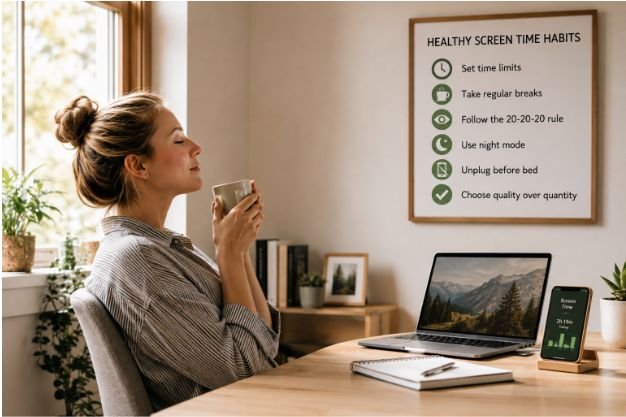
    Teens ages 13 to 18 generally need 8 to 10 hours of sleep. Keep a steady bedtime and create a quieter final hour. The American Academy of Pediatrics advises turning screens off about one hour before bed because media use can interfere with sleep.

    Move Your Body in Enjoyable Ways

    US guidance recommends at least 60 minutes of moderate-to-vigorous activity daily for ages 6 to 17. Dancing, biking, sports, swimming, brisk walking, skateboarding, and active games all count, and the movement does not need to happen at once.

    Stay Hydrated and Maintain Basic Routines

    Keep water nearby and eat regular meals or nourishing snacks when possible. Brushing your teeth, showering, wearing clean clothes, and following prescribed health routines can restore control.

    Balanced meals can support steady energy, concentration, and mood during demanding school days. Learning how to make frozen vegetables taste good and healthy can also help teens prepare quick, affordable food without relying only on highly processed snacks.

    How Can Teens Build Connection and Purpose?

    How Can Teens Build Connection and Purpose?

    Spend 15 Minutes Outside

    Walk through your neighborhood, around the school track, or in a local park. Notice the weather, sounds, or your breathing without turning the walk into another performance goal.

    Spend Time With a Pet

    Cuddling, grooming, walking, or playing with a pet can create a calming pause. The American Academy of Pediatrics includes pet care, nature walks, creativity, journaling, music, volunteering, and tutoring among affordable coping activities.

    Talk to Someone You Trust

    Speak with a parent, sibling, friend, coach, teacher, school counselor, pediatrician, or another trusted adult. Begin with, “I’ve been feeling overwhelmed lately.”

    Help Others Without Overloading Yourself

    Volunteer, tutor, help a neighbor, or support a classmate. Choose a manageable commitment. Helping should create connection and purpose, not take away needed sleep or study time.

    How Can Teens Use a Before-During-After Stress Plan?

    What Should I Do Before a Stressful Event?

    Prepare one practical item, then calm your body. Pack what you need, listen to favorite hype music, or sit somewhere quiet before an exam, presentation, tryout, or difficult conversation.

    What Can I Do During the Stressful Moment?

    Take slow belly breaths, relax your shoulders, and focus only on the next question, sentence, or movement. When appropriate, briefly step away, drink water, or request a short break if emotions feel too intense.

    How Should I Recover Afterward?

    Notice what went well before reviewing mistakes. Then choose a snack, shower, walk, pet time, music, or conversation. Reflection should help you learn, not replay the event for hours.

    How Can Teens Practice Self-Care During School?

    Break a large assignment into the smallest useful step: open the document, write the heading, find one source, or email the teacher. Ask for clarification before confusion becomes a crisis. Between classes, stretch, refill your water bottle, or take three controlled breaths.

    Attach habits to existing routines. Journal after homework or leave your phone outside the bedroom. On low-energy days, shrink the habit: stretch for five minutes, write one sentence, or send one honest text.

    When Should a Teen Ask for Professional Help?

    When Should a Teen Ask for Professional Help?

    Self-care supports mental health, but it does not replace treatment. Talk with a trusted adult or health professional when distress lasts for weeks or interferes with school, home, friendships, sleep, eating, or normal activities. Seek immediate help when behavior becomes unsafe or a young person talks about hurting themselves or someone else.

    In the United States, call or text 988 or use the 988 Lifeline chat during a suicidal, mental health, or substance-use crisis. Call 911 when there is immediate physical danger.

    Frequently Asked Questions 

    1. What are the best self care for teens habits to start with?

    Begin with sleep, regular meals, hydration, enjoyable movement, one trusted person, and a realistic digital boundary. Choose only one or two habits at first.

    2. What Are Free Self-Care Activities for Teenagers?

    Journaling, reading, drawing, walking, breathing exercises, listening to music, visiting a library, spending time with a pet, and talking with someone supportive cost little or nothing.

    3. How Can Parents Support a Teen’s Self-Care Routine?

    Parents can listen without immediately correcting, model healthy technology habits, protect sleep routines, invite honest conversations, and help teens reach professional support when needed.

    A Realistic Way to Begin

    I do not believe teenagers need another perfect routine. Start with one action that meets a real need today: drink water, finish one assignment step, say no, go outside, put down the phone, or tell someone you are struggling. Repeated small choices can create a stronger routine than an ambitious plan that disappears after three days.

  • Quick Mindfulness Exercises for Busy People:Resets for Peace

    Quick Mindfulness Exercises for Busy People:Resets for Peace

    Sitting at my desk with a lukewarm mug of coffee and a mountain of unread messages, finding inner peace used to feel like an impossible dream. Everything shifted when discovering quick mindfulness exercises for busy people turned my chaotic schedule into small pockets of calm. Living a packed life does not mean you have to sacrifice your personal sanity.

    Key Takeaways for Instant Daily Balance

    • Micro-practices take under two minutes to restore mental clarity. 
    • Habit-stacking links awareness seamlessly to existing routine chores. 
    • Sensory grounding stops runaway anxiety instantly. 
    • Deep breathing triggers immediate physical relaxation. 
    • Daily consistency matters far more than exercise duration.

    Quick Mindfulness Exercises for Busy People Are Necessary

    Your brain is not a smartphone charging cable, so stop trying to run twenty mental apps at once on three percent battery! Practicing quick mindfulness exercises for busy people gives your overworked mind a fast reboot without requiring hours of total silence or fancy yoga pants. These simple micro-resets turn high-stress moments into quiet personal victories right when you need them most.

    The Power of Micro-Meditations

    Micro-meditation techniques allow your brain to rest without disrupting your workflow. Taking brief, thirty-second pauses throughout the day alters how your brain handles incoming pressure. When deadlines stack up, your nervous system often slips into a state of chronic alarm. 

    Stepping back for just a moment activates your parasympathetic nervous system, lowering your heart rate and soothing mental tension. According to research from Harvard Health, brief relaxation responses lower stress hormones and improve cognitive resilience over time.

    Habit Stacking for Natural Awareness

    Habit Stacking for Natural Awareness

    Linking small pauses to existing habits creates effortless daily consistency. Trying to add brand-new routines to an already overwhelming calendar usually leads to frustration. Habit stacking solves this problem by pairing a new micro-practice with something you already do every single day. 

    You might practice intentional breathing while waiting for your morning coffee to brew or pay close attention to physical sensations while washing your hands. These small moments stack up, creating built-in peaceful pauses throughout your afternoon.

    This same habit-stacking approach can also support self-care for stay-at-home moms, making it easier to build restorative pauses into childcare, meal preparation, and household routines.

    Dispelling the Thirty-Minute Meditation Myth

    Believing you need long quiet sessions often keeps you from starting at all. Many people believe that mindfulness only counts if you sit cross-legged on a cushion for half an hour. That common myth creates an unnecessary barrier for anyone juggling full-time work, family duties, or personal projects. 

    Studies highlighted by the American Psychological Association demonstrate that frequent, short bursts of present-moment awareness train your brain just as effectively as longer sessions. Small efforts made consistently produce sustainable mental well-being.

    How to Practice Quick Mindfulness Exercises for Busy People

    How to Practice Quick Mindfulness Exercises for Busy People

    Applying these simple micro-habits turns everyday stress triggers into refreshing mental breaks.

    Breathing and Grounding Practices

    Simple physical focus routines quickly anchor your mind during overwhelming days.

    Box Breathing takes just one minute to calm your nervous system. Inhale slowly for four seconds, hold your breath for four seconds, exhale completely for four seconds, and hold empty for four seconds. Repeating this simple box breathing cycle four times lowers your heart rate and restores steady focus.

    The 5-4-3-2-1 Method takes two minutes to pull your brain back into the present room. Name five things you can see around you, four things you can physically touch, three things you can hear, two things you can smell, and one thing you can taste. This sensory grounding technique disrupts racing thoughts instantly.

    For moments when sensory awareness alone is not enough, combining this exercise with grounding techniques for anxiety and stress relief can help settle racing thoughts and restore a stronger sense of emotional control.

    Everyday Actions turned Mindful

    Transforming routine daily habits creates built-in moments of true mental relaxation.

    Mindful Hand-Washing takes thirty seconds to turn a routine chore into a soothing reset. Feel the warm water running over your hands, smell the fresh soap, and listen to the splashing water instead of rushing through the task. Treating this simple daily action with full attention refreshes your tired mind.

    One Mindful Sip takes only fifteen seconds to bring total presence to your busy morning. Pause completely before gulping down your warm coffee or cold water. Notice the exact temperature, the weight of the cup, and the rich taste of a single swallow before returning to your busy day.

    Science-Backed Mental Health Benefits

    Science-Backed Mental Health Benefits

    Exploring the physical changes in your body reveals why tiny breaks carry immense restorative power.

    Lowering Cortisol and Daily Stress

    Shifting your physiological state reduces stress hormones before they cause physical fatigue.

    When you race through your day without resting, your body constantly pumps out cortisol, keeping you in an anxious state of high alert. Pausing for just sixty seconds signals safety to your nervous system, allowing elevated blood pressure and racing heart rates to settle naturally. Clinical insights from the Mayo Clinic show that regular relaxation practices reduce muscle tension and protect your long-term cardiovascular health.

    Sharpening Focus and Reducing Fatigue

    Giving your brain frequent brief breaks restores cognitive energy and sharpens concentration. Multitasking drains your attention reserves, leaving you exhausted by mid-afternoon.  

    Micro-practices serve as a gentle reboot for your brain, clearing away cognitive fatigue and improving task accuracy. By training your mind to return to the present moment, you boost your productivity while preserving energy for the things you enjoy after work.

    Frequently Asked Questions

    1. How to practice mindfulness when busy?

    Attach short thirty-second pauses to existing daily routines like boiling water or waiting on hold. Focus completely on your breathing or physical surroundings during those brief gaps to stay grounded without adding extra appointments to your packed calendar.

    2. What are some quick mindfulness exercises I can do with my group?

    Try a one-minute collective silent breathing session before starting big meetings, or guide the team through a fast three-sound listening game. These quick exercises build authentic connection, reduce group stress, and focus collective attention in under two minutes.

    3. What is the 5-4-3-2-1 mindfulness activity?

    It is a sensory grounding exercise where you intentionally notice five things you see, four you can touch, three you hear, two you smell, and one you taste. This simple technique quickly pulls your focus out of anxious thoughts and back to reality.

    4. What are some effective mindfulness exercises for busy professionals?

    Box breathing during video calls, mindful walking between conference rooms, and single-tasking email processing are highly effective options. These simple routines regulate your nervous system while keeping your personal productivity steady throughout chaotic workdays.

    Micro-Pauses, Mega-Peace: You Have Got This

    Embracing brief micro-resets brings lasting peace to your daily routine. Finding inner peace does not require changing your entire schedule or sitting silently on a cushion for hours. Integrating quick mindfulness exercises for busy people into your regular day creates steady balance amidst surrounding noise. Take one deep breath right now and let your shoulders drop. Your journey toward a calmer, more present life starts with this single, simple moment today.

  • How to Compare Breakfast Cereals by Nutrition Label

    How to Compare Breakfast Cereals by Nutrition Label

    A cereal box can promise whole grains, heart health, and lasting energy while still delivering a small serving packed with added sugar. When I assess how to compare breakfast cereals by nutrition label, I ignore the front panel and turn straight to the serving size, Nutrition Facts, and ingredient list.

    That order stops bright packaging from making the decision for me.

    Ignore the Front of the Box First

    Claims such as “made with whole grains,” “natural,” or “good source of vitamins” provide limited context. They do not show how much whole grain, sugar, fiber, or sodium the cereal contains.

    The FDA recommends using the Nutrition Facts label to choose foods higher in fiber and lower in saturated fat, sodium, and added sugars.

    My rule is simple: treat the front as advertising and the side panel as evidence.

    Start With Serving Size and Compare Equal Weights

    Start With Serving Size and Compare Equal Weights

    Every number on the label applies to the stated serving. One cereal may list one cup as 30 grams. Dense granola may list one-third cup as 55 grams.

    Comparing one printed serving against another can therefore distort the result.

    The FDA explains that serving sizes reflect amounts people typically consume, not recommended portions. Eating two servings doubles every calorie and nutrient shown.

    Use My 40-Gram Reality Check

    When serving sizes differ, I convert both cereals to 40 grams:

    Nutrient per serving ÷ serving weight in grams × 40

    Suppose Cereal A has 9 grams of added sugar per 30 grams. It contains 12 grams per 40 grams.

    Cereal B has 8 grams per 55 grams. That works out to approximately 5.8 grams per 40 grams.

    Cereal A appears lower in sugar on the printed label. After standardising the weight, it contains more than twice as much.

    This calculation makes how to compare breakfast cereals by nutrition label far more accurate.

    Read the Ingredients Before Judging the Numbers

    Read the Ingredients Before Judging the Numbers

    The Nutrition Facts panel shows quantities. The ingredient list explains where those numbers come from.

    FDA rules require ingredients to appear in descending order by weight. The first few ingredients therefore reveal the cereal’s basic structure.

    For a deeper method, learn to read ingredient lists on packaged foods.

    Look for a Specific Whole Grain First

    I prefer cereals that name a specific whole grain first, such as:

    • Whole wheat
    • Whole oats
    • Barley
    • Brown rice
    • Whole-grain corn

    USDA MyPlate guidance also recommends looking for a whole-grain term as the first ingredient.

    A vague term such as “wheat flour” does not confirm that the grain is whole. A cereal may contain some whole grain while still relying mainly on refined flour.

    Check Added Sugar, Not Marketing Language

    Sugar may appear as cane sugar, corn syrup, honey, molasses, dextrose, brown rice syrup, malt syrup, or fruit juice concentrate.

    Manufacturers may use several sweeteners. Because each one weighs less individually, they can appear farther down the ingredient list.

    The clearer test is the “Includes X g Added Sugars” line.

    The FDA defines added sugars as sweeteners introduced during processing, including sugars from syrups and honey. The Daily Value is 50 grams on a 2,000-calorie diet.

    Compare Five Core Nutrients Together

    Compare Five Core Nutrients Together

    No single number makes a cereal nutritious. I compare five figures and use them as practical shopping targets rather than medical cutoffs.

    Nutrient Practical target per serving
    Added sugars Under 6 grams
    Dietary fiber At least 3 grams
    Protein At least 3 grams
    Sodium Under 140 milligrams
    Saturated fat 0–1 gram

    These targets help me eliminate weaker options quickly. I still consider serving weight, ingredients, allergies, dietary needs, and the rest of the meal.

    Balance Added Sugar With Fiber and Protein

    Compare added sugars rather than total sugars. Total sugars may include naturally occurring sugar from dried fruit or milk-based ingredients.

    Fiber often separates a substantial grain product from refined starch. A cereal with high carbohydrates but almost no fiber may digest quickly and provide limited fullness.

    Protein also helps make breakfast more substantial. However, the cereal does not need to provide all the protein. Milk, soy milk, Greek yogurt, nuts, and seeds can increase the meal’s total.

    One randomized crossover trial found that oatmeal containing more fiber and protein produced greater fullness than a ready-to-eat cereal. The finding does not prove that every high-fiber cereal is filling, but it supports checking more than calories alone.

    Watch Sodium and Saturated Fat

    Sweet cereal can still contain considerable sodium. The American Heart Association recommends no more than 2,300 milligrams of sodium daily for most adults.

    Compare sodium after adjusting for serving weight. A dense cereal can look high simply because its listed serving is larger.

    Granola deserves a fat check too. Nuts and seeds may add beneficial unsaturated fats, while coconut or palm oil can increase saturated fat.

    I read the ingredients before rejecting a cereal based on total fat alone.

    Use Percent Daily Value as a Shortcut

    Percent Daily Value helps me compare products without memorising every recommended intake.

    The FDA offers a useful rule:

    • 5% Daily Value or less is considered low.
    • 20% Daily Value or more is considered high.

    For cereal, I prefer a higher Daily Value for fiber and lower values for added sugar, sodium, and saturated fat.

    I use grams when serving weights differ. I use %DV as a second check when the serving sizes are reasonably similar.

    Avoid Four Common Cereal Label Traps

    The first trap is comparing cups rather than grams. Light flakes and dense clusters occupy very different amounts of space.

    The second is using a “with milk” column. Milk can increase protein, calcium, vitamin D, sugar, and calories. Compare the cereal-alone column first, then add the nutrition from the milk you actually use.

    The third is assuming added vitamins cancel out heavy processing. Fortified iron, vitamin D, and B vitamins can be useful. They do not erase high added sugar or refined grain.

    The fourth is ignoring your real bowl size.

    I recommend measuring your usual pour once. If it equals 1.8 servings, multiply every listed value by 1.8.

    A label may show 7 grams of added sugar, but your bowl would contain 12.6 grams. This makes how to compare breakfast cereals by nutrition label a real-life decision rather than a packaging exercise.

    A Worked Side-by-Side Example

    Imagine that I am choosing between these two cereals:

    Nutrition detail Cereal A Cereal B
    Listed serving 30 g 55 g
    Added sugar 9 g 8 g
    Fiber 2 g 5 g
    Protein 2 g 6 g
    Sodium 180 mg 200 mg

    Cereal A initially appears lower in sodium and only slightly higher in added sugar. However, the serving sizes are not equal.

    After converting both to 40 grams:

    Nutrition detail Cereal A Cereal B
    Added sugar 12 g 5.8 g
    Fiber 2.7 g 3.6 g
    Protein 2.7 g 4.4 g
    Sodium 240 mg 145 mg

    Cereal B becomes the stronger choice. It provides less added sugar and sodium while delivering more fiber and protein at the same weight.

    The printed serving comparison hid that difference.

    Frequently Asked Questions

    1. What should I check first on a cereal nutrition label?

    Check the serving weight in grams first, followed by added sugar, fiber, protein, sodium, and the first ingredient.

    2. How much sugar is too much in breakfast cereal?

    There is no cereal-specific federal limit, but under 6 grams of added sugar per serving is a useful shopping target.

    3. Is whole-grain cereal always healthy?

    No. Whole-grain cereal can still contain high added sugar, excess sodium, saturated fat, or an unrealistically small serving.

    4. How do I compare cereals with different serving sizes?

    For how to compare breakfast cereals by nutrition label fairly, convert both products to the same weight, such as 40 grams.

    The Box Is Loud. The Label Tells the Truth.

    Once I compare equal weights, check the first ingredient, and judge added sugar beside fiber and protein, cereal shopping becomes much less confusing.

    The best box is not always the one shouting about whole grains or vitamins. It is the one whose numbers still look good after the marketing disappears.

    Use the 40-gram reality check on two cereals during your next grocery trip. The better choice will usually reveal itself before you reach the checkout.

  • Stop Overeating: How to Practice Mindful Eating Every Day?

    Stop Overeating: How to Practice Mindful Eating Every Day?

    Living in a fast-paced world often means scarfed-down breakfasts in the car and rushed dinners in front of the television. Learning how to practice mindful eating every day offers a gentle path back to presence, helping you nourish your body without stress or restrictive diet rules.

    Key Takeaways

    • Mindful eating tunes into natural physical hunger cues rather than strict diet rules.
    • Practicing presence during meals improves digestive comfort, energy levels, and overall wellness.
    • Busy schedules only require micro-pauses and five-minute awareness resets to build lasting habits.
    • Navigating real-world scenarios like desk lunches and family dinners keeps mindfulness flexible.
    • Small daily shifts create a healthier, more peaceful relationship with food over time.

    Decoding the Mindful Plate

    Understanding the foundation of conscious nutrition helps you build a grounded, sustainable routine.

    Physical Hunger Versus Emotional Cravings

    Recognizing what your body actually needs is the first step toward harmony. Physical hunger builds gradually in your stomach, accompanied by gentle rumbling or low energy, and almost any wholesome food sounds appealing. 

    Emotional cravings, on the other hand, strike suddenly, demanding specific comfort foods like sugary treats or salty snacks to soothe stress, boredom, or sadness. When you pause to check in with your emotional state before opening the pantry, you honor your body’s true physical signals instead of automatically reacting to daily stress.

    The Brain-Gut Connection Unlocked

    Your nervous system plays a direct role in how well your body digests every bite. When you rush through a meal while reading work emails or driving, your body remains in a sympathetic fight-or-flight state, which can impair digestion and lead to bloating. 

    Eating slowly and taking deep breaths activates your parasympathetic rest-and-digest system, optimizing nutrient absorption and enzyme production. According to medical insights on gastrointestinal health from the Harvard T.H. Chan School of Public Health, slowing down directly supports your gut-brain axis and long-term metabolic health.

    Daily Steps to Eat Mindfully

    Daily Steps to Eat Mindfully

    Remove Distractions

    Clear your eating environment to give your food complete center stage. Put away your smartphone, power off the television, and sit at a clean dining table instead of eating on the go or slumping over your work desk. Eliminating digital screen noise allows your brain to register sensory satisfaction immediately.

    Creating a dedicated space for meals anchors your mind to the present moment. When you eat without constant notifications or work demands, your digestive system stays calm, processing nutrients efficiently while preventing mindless overeating.

    Engage Your Senses

    Immerse yourself completely in the rich sensory world sitting on your plate. Take a full five seconds to observe the vibrant colors, smell the rich aromas, and appreciate the distinct textures of your food before taking that first bite.

    Noticing these sensory details transforms eating from a mechanical chore into a deeply enjoyable experience. Engaging your eyes and nose primes your digestive enzymes early, preparing your stomach for optimal absorption and deeper satisfaction.

    Slow Down

    Pace your meal with conscious intention from start to finish. Take noticeably smaller bites, physically put your fork or spoon down between every single bite, and chew your food thoroughly before picking up your utensils again.

    Slowing your overall eating speed allows your brain the necessary twenty minutes to register fullness signals. Giving your mouth time to break down food completely eases the burden on your stomach and significantly reduces post-meal bloating.

    Check Your Hunger

    Assess your internal fullness cues halfway through your plate. Pause for ten seconds to ask yourself if you are still truly physically hungry or if you are simply continuing to chew out of habit or momentum.

    Tune into gentle internal signals rather than relying on an empty plate to tell you when dinner is over. This mid-meal check-in builds lasting intuitive trust between your mind and your body’s true energy requirements.

    Stop Without Guilt

    Conclude your high-protein breakfast or dining experience as soon as you feel comfortably satisfied. Stop eating the moment your body feels nourished, even if there is still food left on your plate, pushing away any lingering feelings of obligation or guilt.

    Leaving food behind or saving it for later honors your physical boundaries. Remembering that excess food can easily become tomorrow’s delicious lunch keeps you from overeating just to clean your dish.

    Overcoming Common Daily Roadblocks

    Navigating real-world obstacles ensures your new awareness habits remain sustainable when life gets messy.

    Taming Afternoon Sugar Cravings

    Taming Afternoon Sugar Cravings

    Mid-afternoon energy slumps often trigger automatic trips to the office vending machine or snack drawer. When the urge to grab a sweet treat hits around three o’clock, pause and drink a full glass of water first while taking five deep breaths. Ask yourself if your body is truly hungry for food, or if it is actually signaling a need for hydration, a short walk, or a mental break from your computer screen. If you still want the treat, enjoy a small portion with complete presence rather than eating it mindlessly at your desk.

    Handling Social Dinners and Events

    Eating out with friends or attending gatherings can easily derail conscious habits if you feel pressured. Approach restaurant meals by scanning the menu ahead of time so you can choose options that leave you feeling light and energized. 

    During the event, shift your primary focus toward the joy of conversation and connection rather than treating food as the main event. Pace yourself with the slowest eater at the table to naturally harmonize your rhythm without drawing unwanted attention to your habits.

    Moving Past Slip-Ups Without Guilt

    Perfection is never the goal when building a sustainable, present lifestyle. If you find yourself speeding through a meal or overeating while watching a movie, avoid judging yourself or dwelling on feelings of guilt. 

    Simply notice what happened with soft curiosity, recognize the stress or distraction that triggered the behavior, and reset your intention for your next meal. Consistency is built on self-compassion, and every single meal provides a fresh opportunity to reconnect with your body.

    Frequently Asked Questions

    1. How can you practice mindful eating in your daily life?

    You can practice mindful eating daily by minimizing screen distractions during meals, chewing food thoroughly, tuning into physical hunger scale cues, and taking brief pauses between bites to check your fullness levels accurately.

    2. What is the 3-3-3 rule for eating?

    The 3-3-3 rule involves identifying three distinct visual colors on your plate, noticing three pleasant food aromas, and taking three deliberate, slow bites before picking up speed to ground your sensory awareness before eating.

    3. What are the 5 S’s of mindful eating?

    The 5 S’s stand for Sit down, Chew Slowly, Savor the flavors, Simplify your environment by removing screens, and Listen to your Stomach’s natural fullness signals throughout the duration of your entire meal.

    4. What are 8 strategies for mindful eating?

    Eight effective strategies include using smaller plates, honoring physical hunger, serving balanced portions, putting utensils down between bites, eating on a set schedule, chewing completely, avoiding screen multitasking, and expressing gratitude.

    Embracing Your Mindful Food Journey

    Learning how to practice mindful eating every day is an ongoing journey of self-discovery rather than a rigid set of rules. By incorporating micro-pauses, honoring your body’s physical hunger, and treating slip-ups with kindness, you cultivate lasting vitality and peace of mind. Start small today with your very next meal, trusting that gentle awareness will transform your health one intentional bite at a time.

  • Simple Daily Movement Habits for Better Health at Home

    Simple Daily Movement Habits for Better Health at Home

    I once believed that staying active required a long workout, special equipment, or an uninterrupted hour at the gym. On busy days, that made movement easy to postpone. What changed my approach was learning that simple daily movement habits for better health can be spread across work, meals, chores, conversations, and relaxation.

    Movement does not have to look like formal exercise. Walking, standing during a call, stretching, gardening, cleaning, and playing with a pet all require energy. The goal is to reduce long periods of inactivity and give the body regular chances to move.

    What Counts as Daily Movement?

    Daily movement includes workouts and ordinary activities. A short walk, a flight of stairs, household chores, or a few chair rises can all contribute. One- to five-minute activity sessions, sometimes called exercise snacks, are often easier to fit into a normal day.

    Why Moving More Often Matters

    Extended sitting can leave the body stiff. Brief activity breaks engage muscles, support circulation, improve mobility, and provide a mental reset. Sustainable habits work best when attached to activities that already happen.

    10 Easy Movement Habits to Try

    10 Easy Movement Habits to Try

    1. Stretch Before Getting Out of Bed

    Begin with ankle circles, gentle arm reaches, and slow knee bends. One or two minutes can help the body transition from rest to activity.

    2. Walk After a Meal

    Take a short walk after a meal. Walk outdoors, through a workplace, or around the house. Even several laps between rooms can break up sitting.

    3. Move While Using Your Phone

    Stand during calls, pace while listening to messages, or perform calf raises. Pairing movement with an existing habit makes it easier to remember.

    4. Take an Hourly Activity Break

    Set a reminder to stand, stretch, march in place, or refill your water every 30 to 60 minutes. The break can be brief; regularity matters more than duration.

    5. Use Stairs When Safe

    One flight of stairs can add movement to an ordinary trip. Start gradually and use a railing. Choose another option if stairs cause pain or balance problems.

    6. Make Chores More Active

    Vacuuming, sweeping, gardening, washing a car, and carrying laundry all count. Work at a comfortable pace and avoid loads that affect your posture.

    7. Move During Screen Time

    Stand between episodes, stretch during advertisements, or walk in place while watching television. Sit-to-stand repetitions from a sturdy chair can strengthen the legs.

    8. Carry Items in Smaller Trips

    Bring groceries, laundry, or supplies in several light trips instead of one heavy load. This adds walking while reducing unnecessary strain.

    9. Turn Conversations Into Walks

    Walk during informal meetings, phone calls, or conversations with family members. Movement can feel easier when it becomes social.

    10. End With Gentle Mobility

    Before bed, slowly move the shoulders, hips, ankles, and upper back. Keep the routine calm and comfortable.

    A Simple Morning-to-Evening Routine

    In the morning, stretch for two minutes and stand while preparing breakfast. During work, take a short movement break each hour and walk during one phone call. After lunch, walk for five minutes. In the evening, do an active household task, walk after dinner, and finish with gentle mobility.

    Adapt the routine to your environment. At home, walk between rooms. At work, use a farther restroom or refill your water bottle more often.

    How to Make the Habits Last

    How to Make the Habits Last

    Begin with one or two actions rather than changing everything at once. Attach each action to a reliable cue, such as brushing your teeth, finishing a meal, or ending a meeting. Keep the first version easy enough to repeat on a busy day.

    When rebuilding activity after months of inactivity, how to start exercising after a long break provides a gradual approach for improving consistency, strength, and stamina without overwhelming the body.

    Simple tracking can reinforce consistency. Mark a calendar, use a phone reminder, or record completed walks. Increase time or intensity only after the routine feels comfortable.

    Keep comfortable shoes visible or leave room beside a chair for stretching. A supportive environment makes starting easier.

    Movement Options for Limited Mobility

    Seated marching, ankle pumps, arm circles, hand opening, and gentle torso turns are useful options. A sturdy chair or countertop can provide support during standing exercises.

    People with chronic pain, dizziness, recent surgery, heart concerns, or major mobility limitations should speak with a healthcare professional before changing their activity level. Stop if movement causes chest pain, faintness, or unusual shortness of breath.

    Frequently Asked Questions

    1. Are simple daily movement habits for better health enough without formal exercise?

    They are a strong foundation and can reduce prolonged inactivity. Many adults also benefit from planned aerobic, strength, balance, and flexibility activities suited to their ability and medical needs.

    2. How often should I take a movement break?

    A practical starting point is a few minutes of movement after every 30 to 60 minutes of sitting.

    3. Do Household Chores Count as Physical Activity?

    Yes. Cleaning, gardening, carrying laundry, and similar tasks use energy and contribute to an active day.

    4. What Can I Do on a Low-Energy Day?

    Stretch for one minute, walk after one meal, stand during one call, complete five chair rises, and move gently before bed.

    A Healthier Day Through Small Actions

    I now see movement as something that can happen throughout my day rather than only during a workout. I can add it while preparing food, answering calls, completing chores, or relaxing in the evening.

    This broader approach reflects healthy living beyond diet and exercise, where everyday routines, sleep, emotional wellbeing, social connection, and stress management also contribute to long-term health.

    The aim is not to reach a perfect activity score. It is to sit a little less, move a little more, and build confidence gradually. One short walk or stretch may feel small, but repeated actions can change the rhythm of an entire day.

  • Healthy Living Beyond Diet and Exercise Is Easier Than You Might Think

    Healthy Living Beyond Diet and Exercise Is Easier Than You Might Think

    For a long time, I believed I was doing everything right. I ate balanced meals most days, stayed active, and tried to hit my workout goals every week. Still, there were mornings when I felt tired before the day even started, and there were weeks when stress seemed to cancel out every healthy choice I made. It made me realize that feeling healthy isn’t always the same as looking healthy.

    The more I paid attention, the more I noticed that the people who seemed to have the most energy weren’t necessarily spending hours in the gym. They slept well, protected their downtime, stayed connected with people they cared about, and had routines that felt realistic instead of perfect. That completely changed how I looked at healthy living beyond diet and exercise.

    Why Wellness Has Become Bigger Than Food and Fitness

    Why Wellness Has Become Bigger Than Food and Fitness

    Nutrition and physical activity will always be important, but they are only two pieces of a much larger picture. Health is influenced by how well you sleep, how you respond to stress, the quality of your relationships, and even the environment you spend most of your time in.

    Research continues to show that long-term well-being comes from consistent habits rather than extreme changes. Instead of chasing the next wellness trend, more people are building routines that support both physical and mental health every single day.

    Sleep Is One of the Most Overlooked Health Habits

    Many people try to improve their energy by drinking another cup of coffee or squeezing in another workout. In reality, the problem often starts the night before.

    Getting seven to nine hours of quality sleep gives the body time to repair muscles, regulate hormones, strengthen the immune system, and support healthy brain function. Sleep also plays a major role in metabolism, mood, and decision-making.

    Keeping a regular bedtime, limiting bright screens before sleeping, and creating a quiet bedroom can make a noticeable difference without requiring major lifestyle changes.

    Stress Affects More Than Your Mind

    Stress Affects More Than Your Mind

    Stress isn’t only emotional. It can influence blood pressure, digestion, sleep quality, concentration, and even recovery after exercise.

    The good news is that managing stress doesn’t require hours of meditation. Even five minutes of slow breathing, a short walk outside, or stepping away from a busy schedule for a mental reset can help calm the nervous system.

    Many people also find that reading, gardening, listening to music, or spending time with pets creates enough distance from daily pressures to feel refreshed again.

    Strong Relationships Support Better Health

    It’s easy to think of wellness as something personal, but healthy relationships have a powerful influence on overall well-being.

    Talking with a friend, sharing a meal with family, or joining a local club provides emotional support that helps people handle life’s challenges more effectively. Social connections also encourage healthier habits because people naturally motivate and hold each other accountable.

    Even a quick phone call or message during a busy week can strengthen those relationships more than most people expect.

    Your Daily Environment Shapes Your Habits

    Your Daily Environment Shapes Your Habits

    Healthy choices become easier when your surroundings support them.

    A workspace with natural light, fewer distractions, and regular movement breaks can improve focus throughout the day. At home, keeping healthy snacks within reach, reducing clutter, and creating a comfortable place to relax often encourages better routines without relying on constant willpower.

    That’s one reason conversations around how modern work is changing healthy living have become more common. As work and personal life continue to blend together, creating environments that support both productivity and recovery has become just as important as eating well.

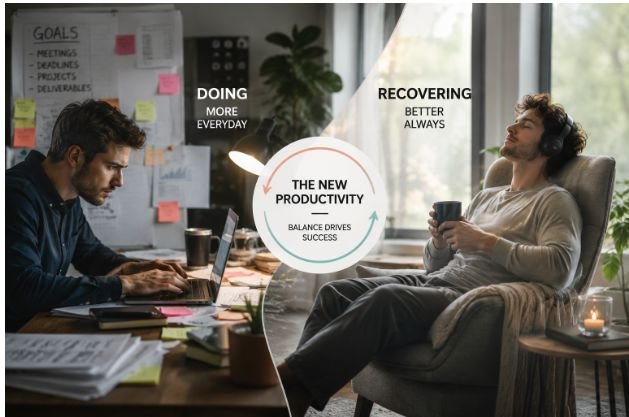
    Recovery Is Just as Important as Productivity

    Being busy has long been treated like a sign of success, but constant activity without recovery usually leads to exhaustion.

    Recovery doesn’t always mean taking a vacation. It can be as simple as taking regular breaks, stretching between meetings, spending time outdoors, or protecting an evening from work notifications.

    These moments allow the body and mind to recharge, making it easier to stay productive without feeling overwhelmed. People who recover consistently often maintain healthy routines much longer than those who push themselves every day without slowing down.

    Preventive Care Deserves More Attention

    Preventive Care Deserves More Attention

    Many people wait until something feels wrong before thinking about their health. Preventive care takes a different approach by identifying potential concerns early.

    Regular health checkups, dental visits, vision exams, recommended screenings, and staying current with vaccinations all contribute to long-term wellness. These appointments may not seem exciting, but they often prevent small issues from becoming larger problems.

    Looking after your health before symptoms appear is one of the simplest ways to protect your future well-being.

    Small Habits Create Lasting Change

    One of the biggest mistakes people make is trying to change everything at once.

    Building one small habit, whether it’s sleeping thirty minutes earlier, drinking more water, calling a friend each week, or taking a short walk after dinner, is much easier to maintain than following an unrealistic plan.

    Healthy living beyond diet and exercise isn’t built through perfection. It’s created by repeating manageable habits until they become part of everyday life.

    FAQs: Healthy Living Beyond Diet and Exercise Is Easier Than You Might Think

    1. Is healthy living only about eating well and exercising?
    No. Good health also depends on sleep, stress management, relationships, recovery, preventive care, and daily habits that support overall well-being.

    2. How much sleep should most adults get?
    Most adults benefit from seven to nine hours of quality sleep each night to support physical recovery, brain function, mood, and energy.

    3. Can small lifestyle changes really improve health?
    Yes. Consistent habits like walking regularly, reducing screen time before bed, staying connected with loved ones, and managing stress often produce meaningful long-term benefits.

    4. Why are social connections considered part of wellness?
    Supportive relationships improve emotional health, reduce feelings of isolation, encourage healthy habits, and help people cope with everyday challenges more effectively.

    The Healthiest Lifestyle Is the One You Can Keep

    The healthiest people aren’t usually the ones following the strictest routines. They’re the ones who have found habits that fit naturally into their lives and continue showing up for them day after day. That’s why healthy living extends far beyond what’s on your plate or how often you exercise.

    When everyday choices become easier to maintain, staying healthy stops feeling like a challenge and simply becomes part of how you live.

  • Self-Care for Teachers During the School Year: A Realistic Plan

    Self-Care for Teachers During the School Year: A Realistic Plan

    Teaching can consume every part of my day. Before the first bell, I may already be adjusting lessons, answering parent emails, and preparing materials. After dismissal, grading can follow me home. That is why self-care for teachers during the school year must rely on small, repeatable habits rather than waiting for weekends, holidays, or summer break.

    This matters in US schools, where 84% of public K–12 teachers say regular work hours do not provide enough time for grading, lesson planning, paperwork, and email. Teacher burnout prevention requires daily recovery habits and firm workplace boundaries.

    How Can Teachers Reset During a Busy School Day?

    Effective self-care during the school day can take less than five minutes. I use a “60-second clear” after students leave the room. I wait one minute, breathe slowly, and avoid touching paperwork. This pause helps me begin the next task without carrying the previous class’s tension forward.

    Square breathing offers another quick reset. I inhale for four seconds, hold for four, exhale for four, and hold again for four. The CDC recommends deep breathing, stretching, and other brief relaxation practices as practical stress-management tools.

    On difficult days, I open a “smile folder” filled with student notes, drawings, positive evaluations, or encouraging parent emails. It reminds me that one challenging period does not define my entire impact as a teacher.

    I also use the 5-4-3-2-1 sensory grounding method. I notice five things I see, four I hear, three I feel, two I smell, and one I taste. A stress ball or lightly scented aromatherapy roller can provide additional physical re-centering, provided fragrances follow school policies and respect student sensitivities.

    How Do I Protect My Evenings From Schoolwork?

    How Do I Protect My Evenings From Schoolwork?

    Strong teacher boundaries begin with a stopping point. On two or three days each week, I leave the building about 15 minutes after contract hours end. I may not finish everything, but I protect enough recovery time to return with better focus.

    I remove school email from my personal phone or disable notifications after 5:00 p.m. I also tell students and families when they can expect a response, such as within one or two school days. This supports work-life balance for teachers without reducing professionalism.

    Batching prevents grading from taking over the entire evening. I schedule one focused grading block, set a timer, and stop when it ends—even when papers remain. Rubrics, completion checks, verbal feedback, peer review, and selective grading can also reduce unnecessary work while still supporting learning goals.

    My commute becomes a transition out of “teacher mode.” An audiobook, podcast, playlist, or quiet drive creates distance between school and home. When I arrive, I may change clothes, shower, walk, or sit quietly before beginning household or family responsibilities.

    Understanding how modern work is changing healthy living can help teachers recognize why constant notifications, blurred work hours, prolonged screen use, and limited recovery time make healthy routines harder to maintain. Creating a clear transition between school and home can protect both physical and emotional well-being.

    Which Physical Habits Help Teachers Maintain Energy?

    A realistic daily self-care routine for teachers begins with basic physical needs. I keep a labeled water bottle at my desk and connect drinking water to predictable transitions, such as attendance, lunch, or the end of each class period.

    I also store protein-rich snacks such as nuts, seeds, or protein bars to reduce midafternoon energy crashes. Naturally, I follow classroom allergy policies and avoid bringing foods that could place students at risk.

    After school, I aim for 20 to 30 minutes of walking, yoga, stretching, or another form of movement. The goal is not to complete an intense workout. I simply want to release the physical tension that builds after hours of standing, speaking, monitoring, and responding.

    I also set a bedtime alarm instead of relying only on a morning alarm. The CDC says adults generally need at least seven hours of sleep, so I plan my evening backward from the time I must wake up.

    Teachers who work evening programs, supervise late events, or manage irregular schedules may benefit from ideas used in a self-care routine for night shift nurses. Protecting sleep, timing caffeine carefully, planning light meals, and creating a clear wind-down routine can help reduce fatigue after unusually long school days.

    How Can Teachers Build Emotional and Social Support?

    How Can Teachers Build Emotional and Social Support?

    Teacher mental health improves when I stop carrying every challenge alone. I maintain a small “vent circle” of trusted colleagues, but I limit venting to about five minutes. This creates space for validation without allowing every conversation to spiral into repeated negativity.

    Before leaving my classroom, I write down exactly two positive moments from the day. A student may have asked a thoughtful question, a lesson may have worked, or a colleague may have offered help. This gratitude practice prevents difficult moments from becoming the only story I remember.

    I also separate what I can control from what I cannot. I can control my reactions, lesson choices, communication, boundaries, and decision to ask for help. I cannot control district policies, staffing shortages, testing mandates, or a student’s home circumstances.

    This mindset supports stress management for teachers without pretending that systemic problems are personal failures.

    Which Teacher Self-Care Strategies Have the Greatest Impact?

    Strategy Time Required Impact Why It Helps
    Square breathing 1–2 minutes Immediate Creates a quick pause during stress
    Leaving work on time No added time Long-term Protects evenings and reduces resentment
    Removing phone email About 1 minute High Ends constant psychological availability
    Time-limited peer support 5–10 minutes Moderate Validates stress without prolonged negativity

    The highest-impact teacher self-care strategies are often boundaries rather than additional wellness tasks. Breathing helps during an immediate stress response, while a protected exit time and email cutoff change how much work enters my personal life.

    How Should Self-Care Change Across the School Year?

    How Should Self-Care Change Across the School Year?

    Back-to-school weeks, October fatigue, report cards, parent-teacher conferences, standardized testing, and the final weeks of school create different pressures. During these periods, I simplify before adding anything new.

    I reuse proven resources, decline nonessential committees, reduce decorative classroom projects, and schedule recovery after conference nights or major school events. I also protect at least one evening or weekend period from grading whenever possible.

    Personal habits cannot fix unsafe conditions, chronic understaffing, poor leadership, or unreasonable workloads. The CDC explains that school employee wellness also depends on coordinated programs, workplace policies, benefits, and environmental support.

    When stress disrupts my sleep, health, relationships, or daily functioning, I contact an administrator, union representative, employee assistance program, counselor, or health care professional. Together, these habits and support systems create a sustainable self-care plan for teachers.

    Frequently Asked Questions 

    1. What Is the Best Self Care for Teachers During the School Year?

    The best approach combines brief daily resets, protected sleep and meals, limited after-hours email, efficient grading, supportive colleagues, and clear times when work ends.

    2. How Can Teachers Avoid Burnout Without Adding Another Task?

    Start by removing demands. Set an exit time, silence school notifications, simplify grading, decline optional commitments, and protect one evening or weekend period from work.

    3. What Are Quick Teacher Self-Care Tips Between Classes?

    Try the 60-second clear, square breathing, sensory grounding, shoulder stretches, drinking water, eating a protein-rich snack, or looking through a smile folder.

    4. When Should a Teacher Seek Professional Support?

    A teacher should seek help when stress, anxiety, sadness, exhaustion, or emotional detachment persists and interferes with sleep, relationships, health, classroom performance, or everyday life.

    Final Thoughts

    Teaching will always demand patience, energy, and emotional strength, but it should not require me to sacrifice my health to prove my dedication. By protecting small moments of rest, setting boundaries, caring for my body, and asking for support, I can stay present without running on empty. 

    The goal is not to create a perfect routine overnight. It is to choose one realistic habit, repeat it consistently, and build from there. When I protect my energy, I do more than prevent burnout—I create a healthier classroom, a stronger personal life, and a teaching career I can sustain with confidence.

  • How to Read Ingredient Lists on Packaged Foods Easily

    How to Read Ingredient Lists on Packaged Foods Easily

    I used to trust the loudest claim on a package. “Natural,” “multigrain,” and “made with real fruit” often won my attention. Learning how to read ingredient lists on packaged foods changed that habit because the back label shows what marketing may leave unclear.

    My method takes about 30 seconds. I check ingredient order, serving size, added sugars, sodium, fats, additives, and allergens. I never judge a product by one unfamiliar word.

    Start With the First Three Ingredients

    Start With the First Three Ingredients

    Under U.S. rules, ingredients generally appear in descending order by weight. The ingredient present in the greatest amount comes first, followed by those used in smaller amounts.

    The first three ingredients help me answer one useful question: “What am I mainly buying?”

    When whole wheat flour leads a whole-wheat bread, the product supports its claim. When refined flour, sugar, or oil dominates the opening positions, those ingredients make up much of the food.

    Context still matters. Water often appears first in soups, beverages, sauces, and yogurts. Ingredient order shows relative weight, not the product’s complete nutritional value.

    Why Ingredient Count Can Mislead You

    A five-ingredient cookie remains a cookie. A longer list may contain spices, cultures, vitamins, stabilizers, or several whole-food ingredients.

    I no longer treat “fewer than ten ingredients” as a universal health rule. The FDA states that food ingredients must meet the same safety standard whether they are naturally or artificially derived.

    The nature of the ingredients, serving size, and nutrient profile matter more than the list’s length.

    How to Read Ingredient Lists on Packaged Foods in 30 Seconds

    This routine makes how to read ingredient lists on packaged foods practical during a busy grocery trip.

    Check What I examine What it reveals
    First three ingredients Main components What makes up most of the food
    Serving size Amount behind the numbers Whether my portion changes the totals
    Added sugars Grams and %DV Sugar added during processing
    Sodium Milligrams and %DV How similar products compare
    Fats Saturated fat, trans fat, and oils Context beyond front-label claims
    Allergens Ingredients and “Contains” line Whether the food may be unsafe

    Serving size reflects the amount people typically consume. It is not a recommendation for how much someone should eat. Consuming two servings doubles the listed calories and nutrients.

    I therefore check the serving size before comparing two products. Otherwise, a smaller listed portion can make one product appear better than it really is.

    Find Added Sugar Without Memorizing Every Name

    Find Added Sugar Without Memorizing Every Name

    Sugar may appear as sucrose, dextrose, fructose, corn syrup, honey, malt syrup, molasses, agave, or concentrated fruit juice. One product may contain several sweeteners.

    While learning how to read ingredient lists on packaged foods, I do not try to estimate their combined weight. I match the ingredients with the “Added Sugars” line instead.

    The FDA includes sugars introduced during processing, syrups, honey, and concentrated fruit or vegetable juices within its definition of added sugars. Naturally occurring sugars in milk, fruit, and vegetables are treated differently.

    A sweetener near the beginning of the list, combined with a high Added Sugars percentage, signals a sweeter product. The FDA considers 5% Daily Value or less low and 20% or more high per serving.

    This cross-check works better than memorizing dozens of sugar aliases.

    Check Sodium and Fats in Context

    Sodium can come from salt, monosodium glutamate, baking soda, sodium nitrite, and sodium benzoate. These ingredients may support flavoring, baking, curing, moisture control, or preservation.

    Taste cannot reliably reveal sodium content. Bread, cereal, and pastries may contain meaningful amounts without tasting especially salty.

    I compare products with equal serving sizes and use the Percent Daily Value. Five percent or less is considered low, while 20% or more is high.

    Look Beyond “0g Trans Fat”

    Partially hydrogenated oils were the main artificial source of trans fat in processed foods. The FDA determined that they were no longer generally recognized as safe and removed their approved uses.

    However, “0g trans fat” does not always mean absolute zero. U.S. labeling rules allow amounts below 0.5 gram per serving to be declared as 0 grams.

    That small amount becomes more relevant when someone consumes several servings. Checking both the serving size and ingredient list provides better context than trusting the front claim alone.

    Understand Food Additives Without Fear

    Understand Food Additives Without Fear

    Long names do not automatically indicate harmful ingredients. Ascorbic acid is vitamin C. Tocopherols are forms of vitamin E. Lecithin helps ingredients mix, while xanthan gum and guar gum help control texture.

    My approach to how to read ingredient lists on packaged foods is to identify an additive’s purpose.

    Is it preserving freshness, preventing separation, adding color, improving texture, or supplying a nutrient? The FDA lists preservatives, emulsifiers, stabilizers, sweeteners, colors, and nutrients among common ingredient categories.

    This approach provides more useful information than describing every chemical-sounding word as “toxic.” Personal sensitivities, allergies, and medically prescribed restrictions still require individual attention.

    Check Allergens Before Everything Else

    For someone with a food allergy, how to read ingredient lists on packaged foods begins with allergen screening.

    The nine major U.S. food allergens are milk, eggs, fish, crustacean shellfish, tree nuts, peanuts, wheat, soybeans, and sesame. Sesame became the ninth federally recognized major allergen on January 1, 2023.

    An allergen may appear in parentheses, such as “lecithin (soy),” or within a nearby “Contains” statement. U.S. law does not require every allergen declaration to appear in bold type.

    Statements such as “may contain” or “processed in a facility” concern possible cross-contact rather than ingredients intentionally added. People with diagnosed allergies should follow guidance from their clinicians.

    A Worked Example: Compare Two Breads

    Imagine Bread A starts with:

    “Enriched wheat flour, water, sugar.”

    Bread B starts with:

    “Whole wheat flour, water, oats.”

    For an equal serving, Bread A contains 4 grams of added sugar and 2 grams of fiber. Bread B contains 1 gram of added sugar and 4 grams of fiber.

    I would usually select Bread B. Its first ingredient supports the whole-grain claim, while the Nutrition Facts strengthen that choice.

    This example demonstrates how to read ingredient lists on packaged foods by combining ingredient order with comparable serving data. The decision does not depend on one magic ingredient or marketing phrase.

    Frequently Asked Questions

    1. How do beginners read ingredient labels?

    Start with the first three ingredients, then check serving size, added sugars, sodium, fats, additives, and allergens.

    2. How can I identify hidden sugar?

    Look for sugars, syrups, honey, and words ending in “-ose,” then confirm the amount under Added Sugars.

    3. Should I avoid ingredients I cannot pronounce?

    No. Identify the ingredient’s function and consider the complete nutrient profile, allergies, and your dietary needs.

    4. Why is how to read ingredient lists on packaged foods useful?

    It helps verify marketing claims, compare products, identify allergens, and select foods that suit your needs.

    Your Grocery Cart Has Receipts

    I stopped searching for a “perfect” ingredient list because one does not exist. A label is a decision tool, not a morality test.

    My method for how to read ingredient lists on packaged foods stays simple: scan the first three ingredients, check the serving size, compare Daily Values, confirm allergens, and judge additives by purpose.

    Practice how to read ingredient lists on packaged foods by comparing two versions of one product during your next shopping trip. That single habit builds useful label-reading skills faster than memorizing dozens of ingredient names.

  • Ebola and the Microbiome: Facts You Need to Know

    Ebola and the Microbiome: Facts You Need to Know

    When I reviewed the evidence on Ebola and the microbiome, one finding changed how I understood the disease. The gut is not simply damaged as a secondary effect of severe illness. Laboratory models now show that Ebola virus can infect intestinal cells directly.

    Patient research also suggests that microbes may cross a weakened intestinal barrier and enter the bloodstream. However, this does not mean probiotics can prevent or treat Ebola. It means the gut lining, resident microbes, and immune system may interact during severe disease.

    A Quick Evidence Snapshot

    Claim Evidence level What it means
    Ebola infects human intestinal cell models Strong laboratory evidence Human gut organoids supported infection and viral replication
    Infection disrupts gut barriers and ion transport Strong laboratory evidence These changes may contribute to diarrhea and poor absorption
    Gut microbes may enter the bloodstream Human observational evidence Sequencing and case reports support bacterial translocation
    Vaginal microbes may influence antibody trapping Early ex vivo evidence A small mucus study found differences linked to microbial composition
    Microbiome therapies improve Ebola outcomes Not established No probiotic or microbiome treatment is approved

    This evidence ladder distinguishes proven clinical concerns from findings that remain experimental.

    How Ebola Damages the Gut Barrier

    How Ebola Damages the Gut Barrier

    Direct Infection of Intestinal Cells

    A 2025 PLOS Pathogens study used human intestinal and colonic organoids grown from induced pluripotent stem cells. These “mini-guts” reproduced important features of intestinal tissue.

    Ebola and Marburg viruses infected the organoids, replicated inside them, and produced infectious viral particles. Researchers also found disruption involving apical structures, cellular junctions, and genes responsible for epithelial adhesion.

    These findings support a direct explanation for gastrointestinal illness. Ebola can affect tissue responsible for absorbing water, transporting electrolytes, and keeping intestinal microbes contained.

    Why Severe Diarrhea Develops

    The same study found changes involving adenylate cyclase signaling, CFTR-mediated ion transport, and several absorption pathways. Those disruptions offer a plausible explanation for secretory diarrhea and malabsorption.

    Organoids still have important limitations. They cannot reproduce blood flow, nutrition, immune-cell movement, medication effects, or the complete human microbiome. The results explain a possible mechanism rather than the entire disease process.

    For patients, fluid and electrolyte loss can become life-threatening. CDC guidance emphasizes fluid replacement, blood-pressure support, oxygenation, nutrition, and active treatment of complications.

    Leaky Gut, Bacterial Translocation, and Sepsis

    Leaky Gut, Bacterial Translocation, and Sepsis

    What Patient Samples Reveal

    The relationship between Ebola and the microbiome becomes especially important when the intestinal wall loses integrity.

    Microbial translocation happens when bacteria, microbial products, or genetic material move beyond the gut and enter circulation. This process may add a second infectious threat to an already severe viral illness.

    A 2017 mSphere study examined blood samples from people with acute Ebola virus disease in Guinea. Researchers detected bacterial genetic material linked to organisms such as:

    Escherichia coli, Klebsiella, Enterobacter, Salmonella, Pseudomonas, and Enterococcus.

    The pattern was consistent with movement across the bowel wall. However, detecting microbial RNA does not prove that every organism was alive or causing bloodstream infection.

    A documented severe Ebola case also involved Gram-negative septicemia thought to result from bacterial movement across an inflamed intestine. Animal research has separately identified intestinal architectural damage and bacterial invasion.

    Together, these findings support microbial translocation as a serious possible complication. They do not show that it occurs in every patient.

    Why Antibiotics May Be Used

    Antibiotics do not kill Ebola virus. Clinicians may use them when bacterial coinfection, bacteremia, or sepsis is suspected.

    Current CDC guidance includes treatment of secondary bacterial infections as part of supportive care. It also identifies septic shock as one of the complications medical teams may need to manage.

    The microbiome connection may explain why bacterial complications need attention. It does not justify taking leftover antibiotics or attempting treatment without medical supervision.

    The Vaginal Microbiome and Sexual Transmission

    The Vaginal Microbiome and Sexual Transmission

    What the Mucus Study Found

    Ebola virus can remain in semen after recovery. CDC confirms that semen from some survivors can transmit the virus and that the duration of viral persistence differs between individuals.

    A 2024 study tracked fluorescent Ebola virus-like particles in 50 cervicovaginal mucus samples collected from 17 women. Researchers added ZMapp, an anti-Ebola antibody cocktail, and measured how quickly the particles moved.

    The antibodies effectively trapped particles in a subset of samples. Trapping appeared more common in samples dominated by Lactobacillus crispatus.

    Among samples with microbiome data, approximately 84% of the trapping group were L. crispatus-dominant. About 43% of the non-trapping samples had the same microbial profile.

    What the Research Does Not Prove

    This study adds an intriguing dimension to Ebola and the microbiome, but its results remain preliminary.

    Researchers used virus-like particles rather than live Ebola virus. The study involved only 17 donors. Slowing particles in mucus is also not the same as preventing infection in a human body.

    The research does not prove that probiotics or vaginal microbiome products prevent sexual transmission. Survivors must continue following official guidance on semen testing and safer sexual practices.

    Ebola, the Microbiome, and Immune Signaling

    Ebola, the Microbiome, and Immune Signaling

    A balanced microbiome normally contributes to intestinal barrier maintenance and immune regulation. Microbial metabolites, including short-chain fatty acids, can support epithelial health.

    However, direct Ebola-specific evidence remains limited. Scientists have not established that losing beneficial gut bacteria causes a delayed interferon response during Ebola disease.

    The organoid study found that Ebola infection altered epithelial immune signaling and suppressed several interferon-response pathways in colonic models. Because those models lacked a complete microbiome, researchers cannot blame the changes on microbial imbalance alone.

    This is the main caution surrounding Ebola and the microbiome: association, biological mechanism, and effective treatment represent different levels of evidence.

    Researchers still need human studies that track microbiome composition before infection, during acute illness, and throughout recovery.

    What US Readers Should Know

    Ebola does not spread like influenza or COVID-19. Infection occurs when broken skin or mucous membranes contact infected body fluids, contaminated objects, infected animals, or semen from certain survivors.

    People with Ebola cannot transmit the virus before symptoms begin.

    For disease caused by Ebola virus, species Orthoebolavirus zairense, the FDA has approved two monoclonal-antibody treatments:

    Inmazeb and Ebanga.

    These medicines directly target the virus. They are not microbiome therapies. Approved treatments are also unavailable for some other orthoebolavirus species, making accurate identification and supportive care essential.

    Anyone with compatible symptoms and a credible exposure should contact healthcare and public-health authorities before arriving at a medical facility. This allows isolation, testing, and protective procedures to be arranged safely.

    The Gut Is Not a Side Story

    After comparing patient evidence, organoid research, and clinical guidance, I see Ebola and the microbiome as a developing field with genuine clinical relevance and strict scientific limits.

    The intestinal lining can become an active site of viral injury. That damage may disrupt fluid control and create a path for bacterial translocation. Mucosal microbes may also influence how antibodies trap viral particles.

    The sassy truth is simple: fascinating biology is not a home remedy.

    Do not rely on supplements, probiotics, or leftover antibiotics after a suspected exposure. Follow CDC guidance and seek immediate professional assistance.

    Frequently Asked Questions

    1. Can Ebola directly infect the intestines?

    Human gut organoids support direct infection and replication, although more evidence from patients is still needed.

    2. Does Ebola cause a leaky gut?

    Research supports intestinal barrier damage and possible microbial translocation, but the severity varies between patients.

    3. Can probiotics prevent Ebola?

    No. No probiotic or microbiome therapy has been proven or approved to prevent or treat Ebola.

    4. Does the vaginal microbiome stop sexual transmission?

    A small laboratory study found improved particle trapping in some mucus samples, but protection in humans remains unproven. 

  • Self – Care for Social Workers: A Sustainable Burnout Plan

    Self – Care for Social Workers: A Sustainable Burnout Plan

    Social workers rely on empathy, judgment, emotional presence, and communication as essential professional tools. When those resources become depleted, personal well-being and client care can suffer. 

    I see self-care for social workers as a professional necessity, not an optional luxury. A sustainable approach must protect the whole person through individual habits, workplace boundaries, professional support, and institutional accountability.

    Why Is Self-Care Essential for Social Workers?

    Social workers across the United States regularly respond to abuse, grief, poverty, housing insecurity, addiction, and behavioral health crises. Heavy caseloads, staffing shortages, documentation demands, and limited resources intensify that burden.

    Burnout may appear as emotional exhaustion, cynicism, poor concentration, detachment, or reduced professional confidence. Compassion fatigue combines burnout with secondary traumatic stress, while vicarious trauma can gradually change how a practitioner views trust, safety, and relationships. These reactions are occupational risks, not proof that someone lacks resilience.

    The NASW Code of Ethics encourages professional self-care and states that social workers should seek consultation and remedial action when personal distress interferes with judgment or performance. Early intervention therefore protects practitioner wellness, professional effectiveness, and client safety.

    How Can Social Workers Set Better Workplace Boundaries?

    How Can Social Workers Set Better Workplace Boundaries?

    Protecting professional time prevents work from consuming personal identity. Establish clear start and stop times when the role allows. At the end of a shift, log out of work email, silence notifications, and avoid checking case updates on personal devices unless formal on-call duties require it.

    Use allotted vacation, personal days, and mental health days without guilt. Time away supports cognitive recovery and a healthier work-life balance. Social workers should also flag unmanageable caseloads during supervision, document specific safety or service risks, and ask leadership to clarify priorities rather than silently absorbing impossible expectations.

    Formal supervision should go beyond deadlines and compliance. Reflective supervision, mentor sessions, and confidential peer debriefing can help practitioners process traumatic cases, examine emotional reactions, and make safer decisions. Client confidentiality must remain protected during every discussion.

    Which Emotional Self-Care Practices Reduce Compassion Fatigue?

    Spend five to ten minutes on grounding mindfulness when possible. Slow breathing, mindful observation, or a brief body scan can help the nervous system leave a prolonged fight-or-flight state.

    Journaling can externalize difficult thoughts without revealing client details. A practitioner might record emotions, stress signals, lessons learned, and the next appropriate action. Personal therapy provides a confidential space to explore triggers, grief, anger, helplessness, and emotional overload that professional supervision cannot fully address.

    Create an unburdening ritual to mark the transition from worker to individual. Changing clothes, taking a walk, showering, or listening to music can signal that the shift has ended. Intentionally limiting distressing news and negative digital content after work may also prevent additional emotional overload.

    What Physical Habits Build Professional Resilience?

    What Physical Habits Build Professional Resilience?

    A resilient body can improve tolerance for chronic stress, although sleep and exercise cannot repair an unhealthy workplace. Prioritize a consistent schedule that provides seven to eight hours of sleep when possible. Pack accessible foods such as berries, leafy greens, nuts, yogurt, or whole grains to maintain energy during unpredictable shifts.

    Regular movement can release physical tension and support stress management. Walking, yoga, swimming, or lifting weights can help when the activity fits the person’s health and schedule. CDC guidance also recognizes that physical activity supports both physical and mental health.

    Creative hobbies protect identity beyond the helping role. Art, cooking, music, sports, or crafts can provide enjoyment without emotional labor. Protect family time by setting aside challenging work discussions, silencing workplace notifications, and focusing on shared activities. Social workers can discuss their feelings without disclosing confidential client information.

    How Do I Create a Realistic Social Worker Self-Care Plan?

    Start by identifying warning signs such as jaw tension, headaches, missed meals, irritability, emotional numbness, intrusive thoughts, sleep disruption, or constant after-hours work. Then choose one daily recovery practice, one firm professional boundary, one source of peer support, and one action for periods of severe stress. This practical approach supports balancing productivity with personal wellbeing without adding another overwhelming obligation.

    The plan should name support resources, including a supervisor, colleague, therapist, physician, employee assistance program, or professional association. Review it monthly as caseloads, roles, and personal responsibilities change. A short, consistent plan is more useful than one that creates guilt.

    What Responsibility Do Social Work Employers Have?

    What Responsibility Do Social Work Employers Have?

    Self-care cannot rest solely on individual workers. Agencies should provide manageable caseloads, adequate staffing, regular supervision, realistic documentation expectations, safe working conditions, and access to mental health support. CDC guidance emphasizes changing workplace policies and practices to address occupational burnout.

    Before accepting or remaining in a role, assess employer culture by examining turnover, overtime expectations, supervisor availability, leave practices, safety procedures, and leadership responses to workload concerns.

    Social workers can also advocate collectively for trauma-informed workplace structures, peer-support programs, protected breaks, flexible scheduling, and secure digital wellness platforms. A meditation app or occasional wellness seminar should complement meaningful organizational changes rather than replace them.

    When Is Self-Care No Longer Enough?

    Professional help may be necessary when stress causes persistent insomnia, panic, depression, substance misuse, intrusive memories, severe irritability, relationship problems, or reduced ability to perform duties safely.

    Seeking therapy, medical care, professional consultation, or workload adjustments reflects responsibility rather than weakness. Social workers should act promptly when personal distress begins affecting professional judgment, client assessments, or workplace safety.

    Frequently Asked Questions (FAQs)

    1. How Can Social Workers Prevent Burnout With Limited Time?

    Use short recovery practices during transitions, protect after-hours boundaries, raise workload concerns in supervision, and schedule leave before exhaustion becomes severe.

    2. What Is the Difference Between Burnout and Compassion Fatigue?

    Burnout generally reflects chronic job stress. SAMHSA describes compassion fatigue as a combination of burnout and secondary traumatic stress connected to repeated exposure to suffering.

    3. How Can Social Workers Protect Their Family Time?

    Create an end-of-shift ritual, silence notifications, avoid detailed case discussions, and focus on personal feelings without revealing confidential client information.

    4. What Should Employers Do to Improve Social Worker Well-Being?

    Employers should improve workloads, staffing, supervision, safety, leave access, psychological support, and workplace culture instead of relying only on individual wellness activities.

    A Healthier Way to Sustain the Work

    I believe effective self-care for social workers combines personal recovery, firm boundaries, reflective supervision, supportive relationships, and institutional change. Social workers should not have to become endlessly resilient to survive preventable workplace harm. 

    Sustainable care protects the practitioner, strengthens professional judgment, and supports safer, more compassionate client service.