Category: Food and Nutrition

  • Easy Ways to Use Canned Beans in Healthy Meals Fast

    Easy Ways to Use Canned Beans in Healthy Meals Fast

    A can of beans can rescue dinner before takeout becomes the default. My favorite easy ways to use canned beans in healthy meals follow one rule: add contrast. Beans bring creaminess and substance, while crisp vegetables, citrus, herbs, and spices keep every bite lively.

    Beans provide plant protein, fiber, resistant starch, and minerals such as iron, magnesium, and potassium. Research also associates bean-rich eating patterns with better overall diet quality and greater intake of nutrients that many Americans lack.

    Why Canned Beans Deserve a Permanent Pantry Spot

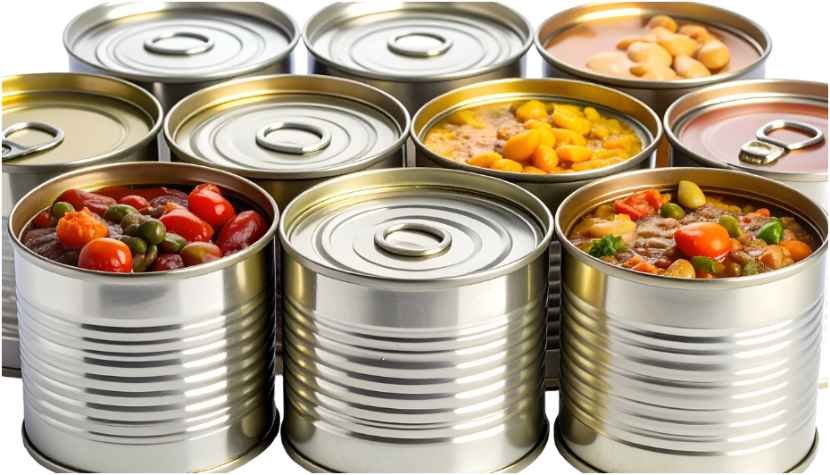
    Canned beans are cooked, affordable, portionable, and ready whenever fresh groceries run low. They work in cold lunches, warm dinners, snacks, spreads, and even selected desserts.

    The best easy ways to use canned beans in healthy meals treat beans as the base rather than a bland side. Add vegetables for volume, whole grains for energy, healthy fats for richness, and an acidic ingredient for brightness.

    Beans can also make meals more satisfying because they combine protein with fiber. Recent research has examined this combination as a useful way to support fullness after meals.

    Start With the Two-Minute Bean Prep

    Drain the beans into a colander and rinse them under cool water. This removes packing liquid, loose starch, and some sodium.

    The American Heart Association states that draining and rinsing canned beans and vegetables may reduce sodium by up to 40 percent. 

    Buying no-salt-added or low-sodium cans can lower it further. USDA and FDA guidance also recommends rinsing canned beans to remove some sodium.

    After rinsing, pat beans dry for roasting or salads. Leave them slightly damp for dips, soups, or mashed fillings. This tiny choice improves texture without adding work.

    Easy Ways to Use Canned Beans in Healthy Meals Without Cooking

    Easy Ways to Use Canned Beans in Healthy Meals Without Cooking

    Build a Dense Bean Salad

    Combine cannellini beans or chickpeas with cucumber, tomatoes, bell pepper, red onion, parsley, and olives. Dress everything with olive oil, lemon juice, black pepper, and oregano.

    For a fuller lunch, add cottage cheese, feta, tuna, or leftover chicken. Add tender greens just before eating so they stay crisp.

    Bean salad is among the simplest easy ways to use canned beans in healthy meals because the flavor improves as it rests. Prepare it at night, refrigerate it, and lunch is ready the next morning.

    Make a Creamy Sandwich or Wrap Filling

    Mash white beans with avocado, lemon juice, garlic, capers, and basil. Keep a few beans whole for texture.

    Spread the mixture on whole-grain toast, spoon it into pita, or tuck it into lettuce leaves. For another version, mash chickpeas with Greek yogurt, Dijon mustard, celery, and dill.

    The result feels familiar while adding more plant-based fiber than many mayonnaise-heavy sandwich fillings.

    Blend a Fast Dip or Spread

    Blend chickpeas with parsley, garlic, olive oil, lemon juice, and a splash of water. This tahini-free spread works with raw vegetables, crackers, sandwiches, and grain bowls.

    For a smoky dip, blend black beans with lime juice, cumin, paprika, and salsa. Top it with chopped tomatoes, corn, and avocado.

    Fast Hot Meals With Canned Beans

    Fast Hot Meals With Canned Beans

    These easy ways to use canned beans in healthy meals require little more than a saucepan, skillet, or microwave.

    Simmer a 30-Minute Soup

    Sauté onion, carrots, celery, and garlic. Add low-sodium broth, cannellini beans, chopped kale, and Italian herbs. Simmer until the vegetables soften.

    Mash a small scoop of beans into the broth before serving. This creates a creamy texture without heavy cream. It is one of the most practical easy ways to use canned beans in healthy meals during colder weeks.

    Make a Weeknight Chili

    Combine black beans, kidney beans, and pinto beans with diced tomatoes, frozen corn, onion, cumin, chili powder, and smoked paprika.

    Simmer the chili for about 20 minutes. Serve it over brown rice or a baked potato. Finish it with Greek yogurt, cilantro, avocado, or fresh lime juice.

    Fill Tacos, Bowls, and Quesadillas

    Warm pinto or black beans with cumin, chili powder, spinach, and salsa. Spoon the mixture into corn tortillas with shredded cabbage and avocado.

    The same filling works in quesadillas or grain bowls. Keep cheese as a topping rather than the main ingredient, then add vegetables for color and crunch.

    Use Beans as a Hidden Nutrition Booster

    Use Beans as a Hidden Nutrition Booster

    Thicken Sauces and Soups

    Blend white beans into tomato sauce, vegetable soup, or a creamy pasta sauce. Start with one-quarter cup, blend, and adjust.

    The mild flavor adds body without overwhelming the dish. This method also works well for people who dislike the texture of whole beans.

    Depending on the recipe, blended beans can replace part of the cream while making the sauce feel thicker and more substantial.

    Upgrade Brownies Carefully

    Black bean brownies can work, but technique matters. Rinse the beans well and blend them until completely smooth.

    Follow a recipe designed for black beans instead of adding them randomly to any boxed mix. Otherwise, the brownies may become wet, dense, or noticeably bean-flavored.

    Beans may add moisture and fiber, but brownies remain dessert. Treat them as a creative variation, not a replacement for balanced meals.

    My One-Can, Three-Texture Formula

    When I need easy ways to use canned beans in healthy meals without following a recipe, I combine three contrasting textures.

    The creamy element comes from beans, avocado, yogurt, or dressing. The crisp element comes from cucumber, cabbage, peppers, radishes, or toasted seeds. Brightness comes from tomatoes, salsa, citrus, pickled onions, or vinaigrette.

    I then choose one flavor direction. Mediterranean meals get lemon, garlic, parsley, and oregano. Southwest meals get lime, cumin, chili powder, and cilantro.

    This method prevents the soft-on-soft texture that makes many bean meals feel dull.

    For two quick lunches, combine one can of chickpeas with chopped cucumber, one cup of tomatoes, feta, lemon juice, olive oil, and oregano. Serve it with whole-grain pita.

    Choose the Right Bean for the Meal

    Chickpeas hold their shape, making them ideal for salads, hummus, roasting, and chunky fillings.

    Cannellini and navy beans mash easily. Use them in soups, spreads, pasta sauces, and creamy sandwich mixtures.

    Black beans suit tacos, chili, salsa, grain bowls, and cocoa-based desserts. Pinto beans work well in refried beans, burrito bowls, stews, and quesadillas.

    Kidney beans remain firm during simmering, so they fit chili and mixed-bean salads. Keeping two or three varieties nearby makes easy ways to use canned beans in healthy meals much easier to improvise.

    Frequently Asked Questions

    1. Are canned beans healthy for everyday meals?

    Yes. Choose low-sodium beans, rinse them, and pair them with vegetables, whole grains, lean proteins, or healthy fats.

    2. What can I make with canned beans in five minutes?

    Try mashed bean toast, chickpea salad, black bean dip, layered bean dip, or a bean-and-avocado wrap.

    3. How can I reduce gas from canned beans?

    Start with smaller portions and increase your fiber intake gradually; NIDDK guidance notes that gradual increases may help prevent gas and bloating.

    4. What are easy ways to use canned beans in healthy meals for lunch?

    Use beans in dense salads, grain bowls, soups, wraps, tacos, or mashed sandwich fillings.

    Your Pantry Just Won Dinner

    I no longer treat canned beans as emergency food. I treat them as a ready-cooked base waiting for crunch, acidity, color, and bold seasoning.

    Start tonight with one can, one crisp vegetable, and one punchy dressing. That small formula turns easy ways to use canned beans in healthy meals into a practical habit rather than a one-time recipe.

  • How to Make Frozen Vegetables Taste Good and Healthy

    How to Make Frozen Vegetables Taste Good and Healthy

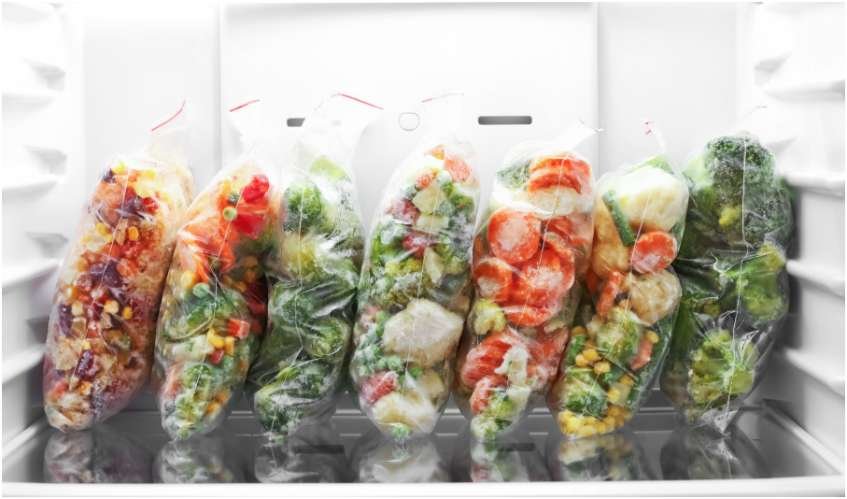
    Frozen vegetables should not taste watery, limp, or like a last-minute compromise. When I explain how to make frozen vegetables taste good and healthy, I start with the real problem: surface moisture.

    My method is “dry first, flavor second.” Use enough heat and space to remove moisture quickly. Then finish with acid, herbs, or a small savory boost. This creates better texture without heavy cream sauces or excessive butter.

    Frozen produce can also be nutritionally comparable with fresh produce. Studies comparing fresh and frozen fruits and vegetables found similar levels of many vitamins, minerals, fiber, and phenolic compounds. 

    The FDA also states that freezing causes little nutrient change when food is stored and handled correctly. 

    The Quick Answer

    The simplest way to make frozen vegetables taste good and healthy is to cook them straight from frozen. Roast, air-fry, or sauté them with a light coating of oil. Avoid crowding, keep wet sauces until the end, and stop cooking once the vegetables are tender and browned.

    Use this table whenever you need a quick answer for how to make frozen vegetables taste good and healthy without guessing at the method.

    Vegetable Best method Heat Approximate time Healthy finish
    Broccoli or cauliflower Roast 425°F 18–24 minutes Lemon and Parmesan
    Green beans Air-fry 400°F 10–14 minutes Garlic and balsamic
    Mixed vegetables Sauté Medium-high 8–12 minutes Lime and chili flakes
    Corn or peas Sauté Medium-high 6–9 minutes Paprika and herbs
    Spinach Microwave or sauté Medium 4–7 minutes Garlic and lemon

    Cooking times vary by appliance, vegetable size, and package directions.

    Why Frozen Vegetables Become Soggy

    Ice crystals melt as frozen vegetables heat. If the pan is cool or crowded, that water cannot escape quickly. The vegetables steam instead of developing browned edges. Freezing can also soften plant tissue, which makes moisture control especially important during cooking. 

    rarely recommend thawing broccoli, cauliflower, carrots, green beans, or stir-fry blends before cooking. Frozen spinach is an exception when a recipe requires squeezing out liquid.

    The Best Cooking Methods for Crisp Frozen Vegetables

    The Best Cooking Methods for Crisp Frozen Vegetables

    Choosing how to make frozen vegetables taste good and healthy depends on their size and water content. Large florets tolerate longer roasting. Smaller pieces cook faster in a skillet.

    Oven roasting

    Preheat the oven and an empty sheet pan to 425°F. Toss a 12-ounce bag of frozen vegetables with about two teaspoons of olive oil and dry seasoning. Spread everything in one layer.

    Roast until the edges brown, turning once. The hot sheet pan starts evaporation quickly, while the open space prevents trapped steam.

    Roasting, searing, and sautéing can bring out natural flavors and reduce the amount of salt needed at the table. g

    Air-fry broccoli, cauliflower, Brussels sprouts, carrots, or green beans at 400°F for about 10–15 minutes. Shake the basket once during cooking.

    Do not pack the basket tightly. Two smaller batches usually produce better texture than one crowded batch.

    Sautéing and stir-frying

    Heat a wide skillet before adding oil. Add the frozen vegetables and leave them undisturbed for about two minutes. Stir when the first side begins to color.

    Keep the skillet uncovered so steam can escape. Add soy sauce, broth, or bottled sauce only after most visible water has evaporated.

    Microwaving and steaming

    Microwaving will not create roasted edges, but it is quick. Research comparing cooking methods found that microwaving often retained nutrients better than prolonged boiling. Steaming also performed well for several vegetables. no extra water. Stop when the vegetables are just tender, drain excess liquid, and season immediately.

    Always follow the package directions. The FDA advises consumers to follow cooking instructions on commercially frozen foods to help ensure safety

    How to Season Frozen Vegetables Without Making Them Unhealthy

    How to Season Frozen Vegetables Without Making Them Unhealthy

    The best answer to how to make frozen vegetables taste good and healthy is not removing flavor. It is concentrating flavor so a small amount does more work.

    Add dry spices before cooking

    Garlic powder, onion powder, smoked paprika, cumin, curry powder, oregano, black pepper, and chili flakes work well with a thin oil coating.

    For frost-heavy vegetables, I save most of the salt for the end. This gives me better control after the vegetables shrink and any salty sauce is added.

    Try these simple combinations:

    Broccoli works well with garlic powder, black pepper, and lemon.

    Corn tastes sweeter with smoked paprika, cumin, and lime.

    Green beans pair well with garlic, balsamic vinegar, and toasted almonds.

    Cauliflower handles curry powder, turmeric, pepper, and lemon.

    Add brightness and umami after cooking

    Finish the vegetables with lemon, lime, balsamic vinegar, fresh herbs, citrus zest, ginger, nutritional yeast, or a light Parmesan dusting.

    The American Heart Association recommends choosing frozen vegetables without salty sauces. It also suggests herbs, spices, onions, garlic, citrus, and vinegar as alternatives to excessive salt. Compare nutrition labels when using soy sauce, miso, chili crisp, teriyaki sauce, or bottled dressing. 

    These ingredients can add flavor quickly, but their sodium levels can vary widely between brands.

    For a more complete meal, combine the vegetables with beans, lentils, tofu, fish, chicken, or ideas from High-protein breakfast ideas without eggs or protein powder.

    My 1-1-1 Flavor Formula

    My 1-1-1 Flavor Formula

    This is the shortcut I use when planning how to make frozen vegetables taste good and healthy:

    Choose one dry seasoning, one high-heat cooking method, and one bright finishing ingredient.

    For one 12-ounce bag of broccoli, add garlic powder, roast it at 425°F, and finish it with lemon juice. Add one tablespoon of grated Parmesan only when it needs more savoriness.

    For green beans, use black pepper, an air fryer, and balsamic vinegar.

    For corn, use smoked paprika, a hot skillet, and lime juice.

    This formula keeps the process flexible. It also prevents every vegetable from tasting like the same bottled sauce.

    Mistakes That Flatten the Flavor

    Learning how to make frozen vegetables taste good and healthy becomes easier when you avoid four common errors: thawing most vegetables, crowding the pan, covering the skillet, and adding wet sauce too early.

    Boiling works for soups, but it rarely creates a crisp side dish. Longer boiling can also allow water-soluble nutrients to move into the cooking liquid. When boiling is necessary, use less water and keep the liquid in the finished recipe when practical. vegetables onto a cold sheet pan. The vegetables begin releasing moisture before the pan becomes hot enough to encourage browning.

    Do not keep stirring skillet vegetables. Constant movement reduces their contact with the hot surface.

    Choose plain frozen vegetables whenever possible. USDA MyPlate notes that sauces and seasonings may add fat and calories. The American Heart Association also recommends comparing sodium and choosing frozen vegetables without salty sauces. 

    Frequently Asked Questions

    1. How do I make frozen vegetables crispy without an air fryer?

    Roast them from frozen on a preheated sheet pan at 425°F, leaving space between each piece.

    2. Should frozen vegetables be thawed before cooking?

    Usually not; cook them frozen for roasting or sautéing, but thaw and squeeze spinach for low-moisture recipes.

    3. What healthy seasonings work best?

    Try garlic, paprika, herbs, pepper, lemon, vinegar, ginger, or a salt-free seasoning blend.

    4. How to make frozen vegetables taste good and healthy for kids?

    Roast them until lightly browned, then add mild Parmesan, lemon, or a yogurt-based dip.

    Your Freezer Vegetables Deserve Better

    From comparing the cooking methods and nutrition evidence, I keep one rule: remove moisture before adding wet flavor.

    Pick one plain bag tonight. Add one dry spice, cook it with high heat, and finish it with something bright. That is how to make frozen vegetables taste good and healthy without serving a bowl of sad, soggy peas.

  • High-Protein Breakfast Ideas Without Eggs or Protein Powder

    High-Protein Breakfast Ideas Without Eggs or Protein Powder

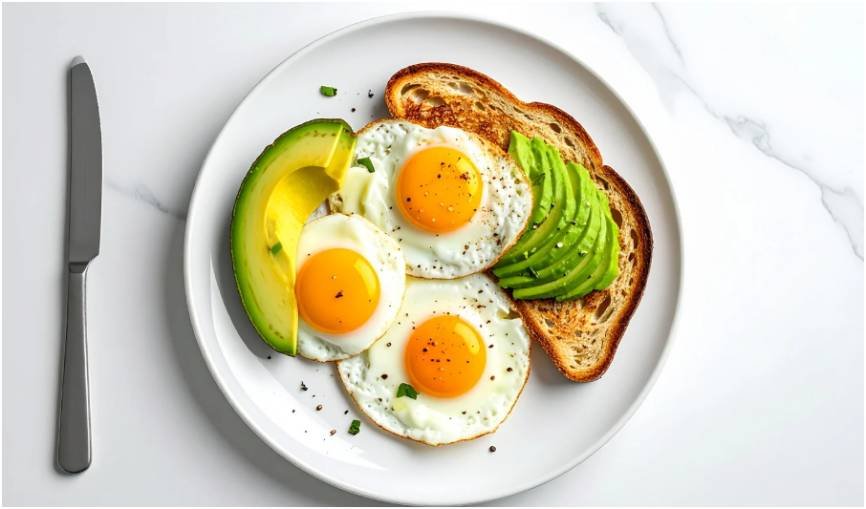
    I used to think a protein-heavy breakfast required scrambled eggs or a chalky scoop of powder. It does not. The best high-protein breakfast ideas without eggs or protein powder rely on familiar foods such as Greek yogurt, cottage cheese, tofu, beans, oats, seeds, salmon, and chicken sausage.

    Current US dietary guidance prioritizes nutrient-dense protein from both animal and plant sources at meals. That makes an egg-free breakfast easier to build than many people assume.

    Why a Whole-Food Protein Breakfast Works

    Protein powder can be convenient, but it is not essential. USDA MyPlate recognizes seafood, poultry, beans, peas, lentils, nuts, seeds, and soy foods as protein sources. Yogurt, milk, and fortified soy alternatives can also contribute protein.

    I aim for a breakfast with a clear protein base, not only a decorative sprinkle of nuts. A 2024 randomized crossover study found that a dairy-based, high-protein breakfast increased fullness before lunch. It also improved a concentration-test score compared with skipping breakfast, although it did not lower total daily calorie intake.

    That distinction matters. High-protein breakfast ideas without eggs or protein powder may support satisfaction, but one meal cannot guarantee weight loss or perfect energy.

    My Three-Part Formula for a Better Breakfast

    My Three-Part Formula for a Better Breakfast

    I build breakfast with one protein base, one booster, and one fiber-rich finishing ingredient. This simple structure prevents me from mistaking a few seeds on toast for a complete high-protein meal.

    Choose a Protein Base

    Start with a useful portion of Greek yogurt, cottage cheese, tofu, chickpeas, sprouted moong, salmon, or chicken sausage. The base should supply most of the meal’s protein.

    Add a Protein Booster

    Use hemp seeds, pumpkin seeds, peanut butter, fortified soy milk, dairy milk, or extra beans. A booster strengthens the meal without changing its basic character.

    Finish With Fiber and Produce

    Add berries, vegetables, oats, sweet potato, or whole-grain toast. Oats contain beta-glucan, a soluble fiber studied for its effects on digestion, appetite, and satiety.

    This formula makes high-protein breakfast ideas without eggs or protein powder easier to adjust for your appetite, budget, and dietary preferences.

    Dairy-Based Breakfasts With Staying Power

    Dairy-Based Breakfasts With Staying Power

    Dairy makes high-protein breakfast ideas without eggs or protein powder especially simple because yogurt and cottage cheese need little preparation.

    Greek Yogurt Power Bowl

    Mix one cup of plain Greek yogurt with chia seeds, pumpkin seeds, berries, and cinnamon. Depending on the yogurt and portions, this bowl can provide roughly 25 to 30 grams of protein.

    Choose plain yogurt and sweeten it with fresh fruit. Protein levels vary by brand, so compare the Nutrition Facts labels before buying.

    Savory Cottage Cheese Bowl

    Top one cup of cottage cheese with cucumber, tomato, fresh herbs, black pepper, and olive oil. Add a slice of whole-grain toast when you need more carbohydrates.

    This option can provide approximately 24 to 28 grams of protein, depending on the cottage cheese. The cool vegetables also keep the bowl from feeling too rich.

    Cottage Cheese Oat Pancakes

    Blend cottage cheese, rolled oats, milk, baking powder, and cinnamon until the batter looks mostly smooth. Cook small pancakes and serve them with berries or peanut butter.

    Egg-free pancakes remain softer than traditional versions. Keep them small and wait until the edges set before flipping.

    Plant-Based High-Protein Breakfast Ideas

    Plant-Based High-Protein Breakfast Ideas

    Tofu Vegetable Scramble

    Crumble firm tofu into a skillet with turmeric, nutritional yeast, peppers, spinach, and black pepper. Add beans or whole-grain toast for a larger meal.

    Plant-based proteins do not need to come from one perfect food. NIH explains that eating different plant foods can supply the essential amino acids the body needs.

    Sprouted Moong Breakfast Chaat

    Combine boiled sprouted moong with tomatoes, onion, cilantro, lemon juice, cumin, green chile, and peanuts. It tastes fresh while providing protein, fiber, and satisfying texture.

    I recommend cooking the moong in advance. You can then assemble the bowl in about five minutes. It is one of the most refreshing high-protein breakfast ideas without eggs or protein powder when a hot meal feels too heavy.

    Chickpea and Sweet Potato Hash

    Sauté one cup of cooked chickpeas with diced sweet potato, spinach, garlic, and smoked paprika. A cup of chickpeas contributes roughly 15 grams of plant protein.

    Use canned chickpeas and leftover roasted sweet potato on busy mornings. Rinse canned chickpeas before cooking to remove some of the packing liquid and sodium.

    Oats, Seeds, and Besan Breakfasts

    Oats, Seeds, and Besan Breakfasts

    Grains can support high-protein breakfast ideas without eggs or protein powder, but they need to be paired with stronger protein sources.

    Seed-Boosted Oatmeal

    Cook half a cup of rolled oats in dairy milk or fortified soy milk. Stir in hemp seeds and peanut butter after cooking, then add banana slices or berries.

    The milk, seeds, and nut butter turn ordinary oatmeal into a more balanced breakfast. Oats alone usually do not provide enough protein to carry the entire meal.

    Overnight Chia Pudding

    Soak three tablespoons of chia seeds in one cup of dairy or soy milk overnight. In the morning, add Greek yogurt, soy yogurt, almonds, or peanut butter.

    Chia pudding can look more protein-rich than it is. The milk, yogurt, and toppings do most of the heavy lifting, so choose them carefully.

    Besan Beetroot Cheela

    Whisk chickpea flour, also called besan, with water, grated beetroot, ginger, cumin, salt, and chopped cilantro. Cook the batter like thin savory pancakes.

    Besan works well without eggs and offers a useful mix of plant protein and carbohydrates. Serve the cheela with plain yogurt, tofu dip, or mint chutney.

    Savory Meat and Seafood Options

    Smoked Salmon Toast

    Layer three ounces of smoked salmon over whole-grain toast spread with cream cheese or mashed avocado. Add tomato, dill, black pepper, and lemon.

    This breakfast can provide around 20 grams of protein. Check the sodium information when comparing smoked salmon products.

    Chicken Sausage and Sweet Potato Skillet

    Cook sliced chicken sausage with peppers, onions, and pre-cooked sweet potato. Compare brands for protein, sodium, saturated fat, and ingredients.

    I recommend preparing the vegetables in advance. The weekday skillet can then be ready in less than ten minutes.

    A Five-Minute Formula I Actually Use

    My simplest worked example combines one cup of Greek yogurt, two tablespoons of hemp seeds, one tablespoon of peanut butter, and a handful of berries. The exact total changes by brand, but the combination can approach 30 grams of protein.

    For a dairy-free version, replace Greek yogurt with a higher-protein soy yogurt. Add roasted soy nuts or extra hemp seeds when the yogurt contains less protein.

    This example shows why the base matters. Coconut yogurt topped with a few chia seeds may look substantial while remaining relatively low in protein.

    For midday planning, apply the same formula to Easy no-cook lunches with protein and fiber: select a substantial protein, add produce, and finish with a fiber-rich grain, bean, or seed.

    Match the Breakfast to Your Morning

    Choose Greek yogurt, cottage cheese, or overnight chia pudding when you need a no-cook meal. Pick tofu scramble, chickpea hash, or besan cheela when you want a hot plant-based breakfast. Use salmon toast or chicken sausage when savory food feels more satisfying.

    Your ideal protein amount depends on your body size, activity level, health, and total diet. NIH notes that athletes can often meet their needs through food. It cites approximately 20 grams of high-quality protein every three to five hours as a sports-nutrition benchmark. That figure provides useful context, but it is not a universal breakfast prescription.

    Research on breakfast protein and muscle health remains promising rather than final. A 2025 scoping review found possible muscle-mass benefits in several adult studies, while also calling for stronger randomized trials.

    Choose high-protein breakfast ideas without eggs or protein powder that fit your health needs, daily activity, total diet, and morning appetite.

    Frequently Asked Questions

    1. What are easy high-protein breakfasts without eggs?

    Try Greek yogurt with seeds, cottage cheese toast, tofu scramble, chickpea hash, or oatmeal cooked with soy milk.

    2. Can breakfast be high in protein without protein powder?

    Yes. Dairy, soy foods, beans, lentils, seafood, poultry, nuts, and seeds can provide substantial protein.

    3. What vegan breakfast has the most protein?

    A tofu scramble with beans and whole-grain toast usually provides more protein than fruit, plain oatmeal, or chia pudding alone.

    4. Are high-protein breakfast ideas without eggs or protein powder good for meal prep?

    Yes. Overnight oats, chia pudding, cooked chickpeas, roasted sweet potatoes, and chopped vegetables can all be prepared ahead.

    Breakfast Called—It Wants More Than Toast

    The strongest high-protein breakfast ideas without eggs or protein powder depend on smart portions and pairings, not expensive specialty products.

    Start with one protein base. Add one booster and one fiber-rich ingredient. Tomorrow morning, try yogurt with seeds, tofu with beans, or oats with soy milk and peanut butter. Your breakfast does not need eggs, powder, or a personality crisis.

  • Easy No-Cook Lunches With Protein and Fiber: 8 Ideas

    Easy No-Cook Lunches With Protein and Fiber: 8 Ideas

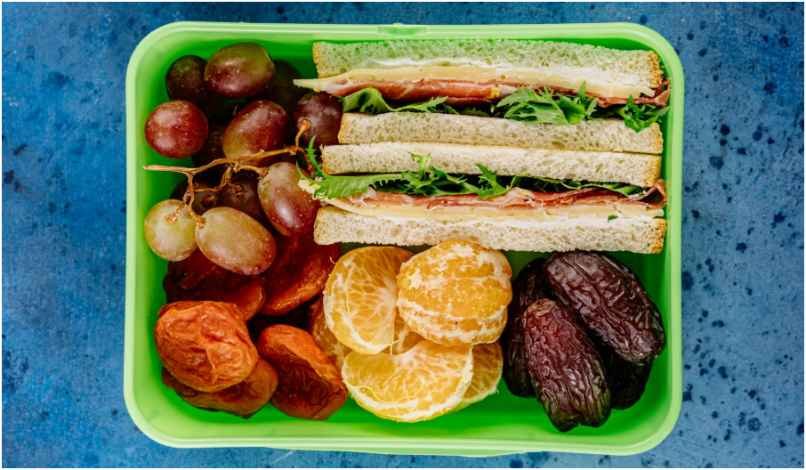
    A satisfying lunch should not need a stove, microwave, or half your break. I rely on easy no-cook lunches with protein and fiber on packed days because they are fast, portable, and more substantial than crackers and a snack bar.

    The method is simple: combine a protein anchor, a fiber-rich base, fresh produce, and one bold flavor. Most ingredients can come straight from the pantry or refrigerator.

    Why Protein and Fiber Work Better Together

    Why Protein and Fiber Work Better Together

    Protein gives lunch structure, while fiber adds volume and helps create a more complete meal. The 2025–2030 Dietary Guidelines for Americans encourage protein foods at each meal, including beans, lentils, nuts, seeds, soy, dairy, eggs, poultry, and seafood. They also recommend fiber-rich whole grains, vegetables, and fruits.

    The FDA sets the Daily Value for fiber at 28 grams on a 2,000-calorie diet. Lunch does not need to supply all of it. However, adding beans, vegetables, seeds, or whole grains can make the daily target easier to approach.

    I treat easy no-cook lunches with protein and fiber as a two-anchor system. One ingredient supplies concentrated protein. Another contributes fiber, although beans and lentils can cover both roles.

    My Protein-Fiber-Crunch Formula

    I use three checks rather than following a complicated recipe.

    First, I choose a protein such as tuna, chicken, Greek yogurt, cottage cheese, tofu, or edamame. Next, I add fiber from beans, avocado, cabbage, berries, seeds, or whole-grain bread. I finish with crunch and acidity from cucumbers, slaw, herbs, lemon, vinegar, salsa, or pickles.

    Here is my worked example: combine one cup of canned chickpeas with half a cup of cottage cheese, cucumber, herbs, and lemon. Using typical USDA food-composition values, that bowl can provide roughly 25 to 30 grams of protein and about 12 grams of fiber. Brand and portion differences matter, so check the Nutrition Facts label when exact numbers matter.

    This formula keeps easy no-cook lunches with protein and fiber flexible. I can switch ingredients without rebuilding the whole meal.

    Eight High-Protein Cold Lunch Ideas

    Eight High-Protein Cold Lunch Ideas

    1. Caprese Chickpea Salad

    Toss rinsed chickpeas with cherry tomatoes, mozzarella pearls, basil, olive oil, balsamic vinegar, and black pepper.

    Chickpeas cover both the protein and fiber anchors, while mozzarella contributes more protein and a creamy contrast. Spoon the salad over shredded cabbage when you want more crunch and fiber.

    2. Cucumber, Cottage Cheese, and Miso Sandwich

    Whisk cottage cheese with a small spoonful of white miso. Spread it on sprouted whole-grain bread, then add cucumber, pepper, and sprouts.

    This is one of my favorite easy no-cook lunches with protein and fiber because it feels fresher than a standard cheese sandwich. Miso can taste salty, so I use only enough to sharpen the cottage cheese.

    3. Black Bean Taco Bowl

    Layer black beans, canned corn, shredded cabbage, salsa, avocado, and plain Greek yogurt. Add pumpkin seeds for crunch.

    The beans, cabbage, avocado, and seeds provide several fiber sources. Greek yogurt raises the protein without requiring meat. Lime juice and cilantro keep the bowl bright after several hours in the refrigerator.

    4. Curried Chicken and Chickpea Wrap

    Mix chopped rotisserie chicken with chickpeas, Greek yogurt, curry powder, diced onion, and a few raisins. Roll the mixture inside a high-fiber tortilla with spinach.

    Chicken carries most of the protein load, while chickpeas and the wrap increase fiber. I mash several chickpeas into the dressing to thicken it and help prevent a soggy wrap.

    5. Mediterranean Tuna and White Bean Bowl

    Combine canned tuna, cannellini beans, cucumber, olives, feta, parsley, and fresh lemon juice.

    These easy no-cook lunches with protein and fiber do not need to taste like clinical diet food. This bowl is briny, creamy, crisp, and filling without any reheating. Taste it before adding salt because the tuna, olives, and feta may already provide enough.

    6. Edamame Slaw Crunch Box

    Pack thawed shelled edamame, cabbage slaw, grated carrots, and pumpkin seeds. Add a dressing made from peanut butter, lime juice, and water.

    Keep the dressing separate until lunchtime. Edamame carries the protein, while vegetables and seeds add fiber and texture. This option also works well in offices where opening a container of tuna may not make you popular.

    7. Greek Yogurt Berry Chia Bowl

    Stir chia seeds into plain Greek yogurt. Top it with raspberries, blueberries, walnuts, and cinnamon. Add whole-grain crispbread on the side.

    I let the chia sit for about ten minutes before packing it. The seeds absorb moisture, creating a thicker bowl that travels better. Choosing unsweetened yogurt also lets the berries provide most of the sweetness.

    8. Hummus, Turkey, and Vegetable Wrap

    Spread hummus across a high-fiber wrap. Add sliced turkey, shredded carrots, cucumber, spinach, and bell pepper.

    Hummus contributes chickpeas and tahini, while the vegetables keep the wrap crisp. Replace turkey with ready-to-eat tofu for a meatless version of these easy no-cook lunches with protein and fiber.

    Budget-Friendly No-Cook Meal Prep

    Budget-Friendly No-Cook Meal Prep

    The cheapest easy no-cook lunches with protein and fiber often begin with canned beans, plain yogurt, seasonal produce, and store-brand whole-grain bread. I pay for convenience only where it saves real time, such as shredded cabbage or cooked chicken.

    For a broader shopping plan, add the internal link to Healthy grocery list for one person on a budget. It can help readers purchase flexible staples instead of ingredients that work in only one recipe.

    Keep tuna, beans, lentils, wraps, seeds, and shelf-stable flavor boosters together. In the refrigerator, rotate two proteins, two vegetables, and one sauce. These easy no-cook lunches with protein and fiber also scale well for two or three workdays without creating an overwhelming meal-prep session.

    Choose no-salt-added or lower-sodium beans when possible. When standard canned beans are the available choice, USDA guidance recommends draining and rinsing them to reduce sodium.

    Pack Easy No-Cook Lunches With Protein and Fiber Safely

    Pack Easy No-Cook Lunches With Protein and Fiber Safely

    No-cook does not mean no refrigeration. Lunches containing yogurt, cottage cheese, poultry, tuna, or cut produce should stay cold.

    USDA food-safety guidance says cold foods should remain at 40°F or below. Perishable food should not sit at room temperature longer than two hours, or one hour when temperatures exceed 90°F.

    I use an insulated lunch bag with cold packs when a refrigerator is unavailable. I also keep dressings away from bread and wraps. That small step protects the texture and makes lunch much more appealing.

    Frequently Asked Questions

    1. What are the best no-cook high-protein lunches for work?

    Bean-and-tuna bowls, chicken-chickpea wraps, cottage-cheese sandwiches, and edamame slaw boxes travel well without reheating.

    2. How can I add more fiber to a cold lunch?

    Add beans, lentils, avocado, cabbage, berries, chia seeds, whole-grain bread, or a high-fiber wrap.

    3. Can easy no-cook lunches with protein and fiber be vegetarian?

    Yes; pair Greek yogurt, cottage cheese, tofu, edamame, beans, lentils, nuts, or seeds with produce and whole grains.

    4. How do I stop a no-cook wrap from getting soggy?

    Dry the vegetables, use a thick spread, place greens against the wrap, and pack watery sauces separately.

    Lunch Is Handled—No Microwave Drama Required

    Easy no-cook lunches with protein and fiber solve the real midday problem: limited time, limited equipment, and the need for food that satisfies. I start with one protein, add one strong fiber source, then use crunch and acidity to make the meal worth eating.

    Choose one idea for tomorrow and prepare only the components tonight. Five minutes of assembly beats another expensive, forgettable lunch grabbed in a rush.

  • Healthy Grocery List for One Person on a Budget Plan

    Healthy Grocery List for One Person on a Budget Plan

    Shopping for myself used to look cheap at checkout and expensive by Friday. I bought oversized produce bags, delicate greens, and ingredients that never became meals. A healthy grocery list for one person on a budget works better when every item is affordable, flexible, and likely to be finished.

    I now judge groceries by cost per eaten serving, not package price. That shift cut waste and made my meals easier to repeat.

    How to Build a Healthy Grocery List for One Person on a Budget

    How to Build a Healthy Grocery List for One Person on a Budget

    The cheapest package is not a bargain when half ends up in the trash. USDA MyPlate recommends checking what you already have, planning meals, using leftovers, and mixing fresh, frozen, and shelf-stable foods. These habits matter even more when one person must finish every package.

    Use the Cost-per-Eaten-Serving Rule

    A large tub of spinach may cost less per ounce than a frozen bag. Yet its real cost doubles when half wilts before you eat it.

    I compare the price with the number of portions I will realistically use. Eggs, oats, potatoes, frozen vegetables, and canned beans usually perform well because they support several meals.

    Make Fresh Food Pass the Three-Meal Test

    Before buying a perishable item, I name three meals that will use it. Spinach can go into eggs, pasta, and lentil soup. Greek yogurt can cover breakfast, snacks, and a creamy sauce.

    When I cannot name three uses, I buy less, choose frozen, or skip it. This test keeps a healthy grocery list for one person on a budget realistic.

    The Master Budget Grocery List for One

    The Master Budget Grocery List for One

    USDA guidance includes varied protein foods and recognizes fresh, frozen, canned, and dried vegetables as useful choices.

    Cheap Proteins for Easy Solo Meals

    For me, a healthy grocery list for one person on a budget starts with three or four proteins: eggs, canned tuna, lentils, black beans, chickpeas, tofu, peanut butter, cottage cheese, or plain Greek yogurt.

    Eggs work in breakfast, fried rice, sandwiches, and soup. Beans can fill tacos, bowls, pasta, and chili. Tofu takes on almost any seasoning. Canned tuna creates a fast lunch without using freezer space.

    Avoid buying every protein option in one trip. Choose a small rotation based on the meals you plan to make.

    Fresh and Frozen Produce With Less Waste

    My dependable fresh choices are bananas, apples, carrots, cabbage, onions, potatoes, and sweet potatoes. They are versatile and usually easier to finish than berries or salad greens.

    I also keep frozen broccoli, spinach, peas, mixed vegetables, and berries. Research comparing fresh and frozen produce found that nutrient retention was often similar, although results differed by food and nutrient.

    Frozen produce makes a healthy grocery list for one person on a budget easier to portion. I cook what I need and return the rest to the freezer.

    Whole Grains and Filling Carbohydrates

    Pick rolled oats, brown rice, whole-wheat pasta, potatoes, tortillas, and one loaf of bread. Keep the selection narrow. Two grain staples plus potatoes are often enough for one week.

    Oats cover breakfast. Rice supports bowls, soups, and stir-fries. Pasta works with vegetables, beans, tuna, or tomato sauce.

    Bread labels can be confusing. Learn to choose whole grain bread at the store before buying a loaf, then freeze half when you know you will not finish it quickly.

    Pantry Staples, Healthy Fats, and Flavor

    Keep canned tomatoes, broth, peanut butter, cooking oil, vinegar, mustard, and a few spices. Garlic powder, cumin, chili flakes, Italian seasoning, and curry powder create variety without five bottled sauces.

    These staples turn the same foods into soup, tacos, pasta, curry, or grain bowls. That flexibility makes a healthy grocery list for one person on a budget sustainable.

    Turn One Basket Into a Week of Meals

    Turn One Basket Into a Week of Meals

    I build meals from four parts: one protein, one vegetable, one filling carbohydrate, and one flavor booster.

    Rice, tofu, broccoli, and soy sauce make a stir-fry. Potatoes, eggs, spinach, and chili flakes become a skillet. Pasta, chickpeas, tomatoes, and Italian seasoning create a quick dinner.

    For breakfast, I rotate oatmeal with banana and peanut butter, eggs with toast, and yogurt with frozen berries. Lunch is usually leftovers, tuna toast, or a chickpea bowl.

    Dinner might be lentil tomato soup, tofu stir-fry, vegetable pasta, bean tacos, or baked potatoes topped with yogurt and beans. This approach gives a healthy grocery list for one person on a budget enough variety without requiring unrelated ingredients.

    I cook three or four portions, refrigerate what I will eat soon, and freeze the rest. FoodSafety.gov advises keeping cooked leftovers in the refrigerator for no more than three to four days. Food that will not be eaten within that period should be frozen.

    Shop Cheap Without Sacrificing Nutrition

    Set a weekly ceiling before choosing recipes. Leave a small cushion for regional price changes or an essential item you forgot.

    Compare Unit Prices With Waste in Mind

    A healthy grocery list for one person on a budget cannot rely on unit prices alone. Unit prices help compare package sizes, but they do not measure spoilage.

    A larger yogurt tub may be valuable when it replaces breakfast, snacks, and sauces. A bulk produce bag may cost more per eaten serving when you live alone.

    Buy bulk only for foods you use consistently, such as oats, rice, dried beans, or frozen vegetables.

    Choose Store Brands Strategically

    Store-brand oats, beans, frozen vegetables, pasta, and spices often meet the same basic need as premium products. Compare ingredient lists and Nutrition Facts instead of treating price as a nutrition score.

    Pre-cut fruit, flavored oatmeal packets, and microwave grain cups charge more for convenience. I buy them only when the saved time helps me avoid takeout.

    Generic does not automatically mean inferior. Premium packaging also does not guarantee better nutrition.

    Freeze Food Before It Looks Tired

    I label leftovers, freeze bread in pairs of slices, and portion cooked soup or rice before storing it. The USDA-developed FoodKeeper provides storage guidance that helps preserve freshness and quality.

    The best time to freeze extra food is while it still looks appealing. This single habit protects a healthy grocery list for one person on a budget from turning into expensive compost.

    Frequently Asked Questions

    1. What should one person buy for a week of healthy meals?

    Choose three proteins, two grains, five produce items, one dairy option, and a few pantry flavor builders.

    2. How much should a healthy grocery list for one person on a budget cost?

    Costs vary by location and diet, so set a weekly ceiling and track the cost of food you actually eat.

    3. Is frozen produce healthy enough for everyday meals?

    Yes. Frozen fruits and vegetables can retain nutrients well while making portions easier to control.

    4. How do I stop wasting groceries when I live alone?

    Plan ingredient overlap, freeze extra portions early, and buy perishables only when they fit three planned meals.

    Your Grocery Cart Does Not Need a Luxury Upgrade

    I once thought healthy shopping required premium snacks and a cart full of fresh produce. It does not. A healthy grocery list for one person on a budget succeeds when simple foods become several satisfying meals.

    Start with three affordable proteins, two carbohydrates, durable produce, and one frozen vegetable. Plan each fresh item into three meals before checkout. Your budget does not need perfection. It needs groceries you will actually eat.

  • How to Choose Whole Grain Bread at the Store: 7 Tests

    How to Choose Whole Grain Bread at the Store: 7 Tests

    A loaf can look dark, rustic, and healthy while still starting with refined flour. When readers ask me How to choose whole grain bread at the store, I tell them to ignore the bread’s color and turn the package around.

    The strongest loaf is not always the most expensive one or the bread covered with visible seeds. I use a 30-second “Front, First, Fiber, Finish” test to separate meaningful nutrition from clever packaging.

    How to Choose Whole Grain Bread at the Store in 30 Seconds

    How to Choose Whole Grain Bread at the Store in 30 Seconds

    Front: Read the Claim but Do Not Trust It Yet

    Start with packages marked “100% whole grain” or “100% whole wheat.” These claims are more useful than “multigrain,” “wheat,” or “made with whole grains.”

    However, the front panel is only your first filter. The ingredient list must support the marketing claim.

    First: Find the First Grain Ingredient

    The first grain ingredient should contain the word “whole.” Strong examples include whole wheat flour, whole rye flour, whole oats, and whole-grain barley flour.

    The FDA considers a grain whole when its bran, germ, and endosperm remain in the same relative proportions as the intact kernel. FDA guidance also recommends checking whether the first or predominant ingredient is a whole grain.

    Fiber: Compare Equal Serving Sizes

    Compare labels using the same number of slices. One company may provide nutrition information for one slice, while another uses two.

    I aim for about 3 grams of fiber per slice when possible. This is a practical shopping target rather than a legal definition of whole-grain bread.

    Finish: Break Ties With Sugar and Sodium

    After checking the grain base and fiber, compare added sugar and sodium. I favor bread with about 2 grams or less of added sugar per slice and roughly 150–180 milligrams of sodium or less.

    This order is the fastest way to understand How to choose whole grain bread at the store without letting the package design control your decision.

    Decode Whole-Grain Claims Before They Fool You

    Decode Whole-Grain Claims Before They Fool You

    “Multigrain” means the product contains more than one grain. It does not mean those grains are whole. A loaf could combine refined wheat, corn, and oats while still using the term.

    “Made with whole grains” confirms that some whole grain is present. It does not guarantee that every grain ingredient is whole.

    “Wheat bread” can also begin with ordinary refined wheat flour. The word “wheat” is not the same as “whole wheat.”

    Therefore, How to choose whole grain bread at the store cannot be answered by reading the largest words on the bag. Always confirm the claim through the ingredients.

    Read the Ingredient List Like a Buyer

    Look for whole wheat flour, whole rye flour, whole oats, or another named whole grain near the beginning.

    Be cautious when the first flour appears as:

    • Wheat flour
    • Enriched wheat flour
    • Enriched flour
    • Unbleached flour

    These terms indicate refined flour unless the label specifically includes the word “whole.”

    Food ingredients are listed in descending order by weight. The ingredient used in the greatest amount appears first, followed by ingredients used in smaller amounts.

    Do not reject an otherwise suitable bread because it contains yeast, salt, vinegar, oil, or a small amount of sweetener. Concentrate on the grain base first.

    My ingredient rule for How to choose whole grain bread at the store is straightforward: “whole” should appear early and clearly, especially when several flours are listed.

    Use the Nutrition Facts Panel to Compare Loaves

    The Nutrition Facts panel helps you compare similar breads, but it cannot prove that a product is whole grain. Fiber can also come from added ingredients, so check the ingredient list before comparing the numbers.

    Look for Meaningful Fiber

    The FDA Daily Value for dietary fiber is 28 grams for a 2,000-calorie diet. As a general label-reading rule, 5% Daily Value or less is considered low, while 20% or more is considered high.

    A loaf providing around 3 grams per slice makes a useful contribution. If the serving size is two slices, look for approximately 6 grams.

    However, do not let an impressive fiber number replace the ingredient test. Confirm that whole grains appear near the beginning.

    Check Added Sugar, Not Just Total Sugar

    Read the “Includes Added Sugars” line rather than relying only on total sugars. Added sugars must be shown separately on current US Nutrition Facts labels.

    A practical target is 2 grams or less per slice. Still, a refined loaf with zero added sugar does not automatically beat a genuine whole-grain loaf with one gram.

    Grain quality remains the first test.

    Compare Sodium Per Slice

    The FDA Daily Value for sodium is 2,300 milligrams.

    Bread can add considerable sodium because a sandwich normally uses two slices. A difference of 70 milligrams per slice becomes 140 milligrams in one sandwich.

    When two loaves have similar whole-grain ingredients and fiber, choose the lower-sodium option.

    These comparisons turn How to choose whole grain bread at the store into a repeatable process instead of a search for one perfect number.

    Ignore Brown Color and Read the Whole Grain Stamp

    Ignore Brown Color and Read the Whole Grain Stamp

    Brown bread is not automatically whole grain. Ingredients such as molasses, caramel coloring, malt, or brown sugar can create a darker appearance. A pale loaf can also use genuine whole-grain flour.

    Trust the wording on the back rather than the shade of the bread.

    The Whole Grain Stamp can provide additional evidence, but you must identify which version appears on the package.

    The 100% Stamp means every grain ingredient is whole grain. It also requires at least 16 grams of whole grain per labeled serving.

    The 50%+ Stamp and Basic Stamp confirm that a product contains whole grain. However, they do not promise that all its grain ingredients are whole.

    For How to choose whole grain bread at the store, consider the 100% Stamp strong supporting evidence, but still verify the ingredients.

    Compare Two Loaves With a Worked Shelf Example

    Imagine two loaves sitting beside each other.

    Loaf A says “12 Grain,” looks dark, and displays seeds through the bag. Its first ingredient is enriched wheat flour. One slice contains 2 grams of fiber, 3 grams of added sugar, and 190 milligrams of sodium.

    Loaf B looks lighter and says “100% Whole Wheat.” Whole wheat flour is the first ingredient. One slice contains 3 grams of fiber, 1 gram of added sugar, and 150 milligrams of sodium.

    I would choose Loaf B.

    Loaf A wins the beauty contest, but Loaf B wins the label test. This example shows How to choose whole grain bread at the store without becoming distracted by color, grain counts, visible seeds, or rustic branding.

    Handle Sprouted, Sourdough, and Gluten-Free Bread

    Sprouted bread can be a suitable choice, but “sprouted” does not automatically mean 100% whole grain. Check whether the first grain ingredient is explicitly described as whole.

    Sourdough refers to the fermentation method rather than the type of flour. A sourdough loaf may use refined white flour, whole-grain flour, or a mixture.

    Gluten-free bread requires extra attention because some products rely heavily on tapioca starch, potato starch, or refined rice flour. Whole-grain gluten-free options may include brown rice, sorghum, buckwheat, quinoa, millet, or certified gluten-free oats. The FDA recognizes grains such as sorghum, buckwheat, millet, quinoa, rice, oats, and rye as whole grains when their essential components remain intact.

    The same method used for How to choose whole grain bread at the store works across other packaged-food aisles. Compare breakfast cereals by nutrition label before choosing your next breakfast box.

    Your Cart Deserves Better Than Beige Marketing

    Stores make How to choose whole grain bread at the store appear harder than it really is. Packages advertise seeds, ancient grains, protein, and “natural” ingredients, while the most useful evidence sits in small print.

    Turn the loaf around. Confirm that a whole grain comes first, compare fiber using equal serving sizes, and then check added sugar and sodium.

    Give the 100% Whole Grain Stamp extra credit, but never allow brown color to make the final decision. Your next sandwich deserves evidence, not a loaf wearing a healthy-looking costume.

    Frequently Asked Questions

    1. How to choose whole grain bread at the store for more fiber?

    Choose bread with a named whole grain first and aim for around 3 grams of fiber per slice.

    2. Is multigrain bread the same as whole-grain bread?

    No. Multigrain means several grains are present, but some or all may be refined.

    3. What should the first ingredient in whole-grain bread be?

    It should name a whole grain, such as whole wheat flour, whole rye flour, or whole oats.

    4. Is 100% whole wheat bread considered whole grain?

    Yes. Whole wheat flour retains the bran, germ, and endosperm of the wheat kernel.

  • How to Compare Breakfast Cereals by Nutrition Label

    How to Compare Breakfast Cereals by Nutrition Label

    A cereal box can promise whole grains, heart health, and lasting energy while still delivering a small serving packed with added sugar. When I assess how to compare breakfast cereals by nutrition label, I ignore the front panel and turn straight to the serving size, Nutrition Facts, and ingredient list.

    That order stops bright packaging from making the decision for me.

    Ignore the Front of the Box First

    Claims such as “made with whole grains,” “natural,” or “good source of vitamins” provide limited context. They do not show how much whole grain, sugar, fiber, or sodium the cereal contains.

    The FDA recommends using the Nutrition Facts label to choose foods higher in fiber and lower in saturated fat, sodium, and added sugars.

    My rule is simple: treat the front as advertising and the side panel as evidence.

    Start With Serving Size and Compare Equal Weights

    Start With Serving Size and Compare Equal Weights

    Every number on the label applies to the stated serving. One cereal may list one cup as 30 grams. Dense granola may list one-third cup as 55 grams.

    Comparing one printed serving against another can therefore distort the result.

    The FDA explains that serving sizes reflect amounts people typically consume, not recommended portions. Eating two servings doubles every calorie and nutrient shown.

    Use My 40-Gram Reality Check

    When serving sizes differ, I convert both cereals to 40 grams:

    Nutrient per serving ÷ serving weight in grams × 40

    Suppose Cereal A has 9 grams of added sugar per 30 grams. It contains 12 grams per 40 grams.

    Cereal B has 8 grams per 55 grams. That works out to approximately 5.8 grams per 40 grams.

    Cereal A appears lower in sugar on the printed label. After standardising the weight, it contains more than twice as much.

    This calculation makes how to compare breakfast cereals by nutrition label far more accurate.

    Read the Ingredients Before Judging the Numbers

    Read the Ingredients Before Judging the Numbers

    The Nutrition Facts panel shows quantities. The ingredient list explains where those numbers come from.

    FDA rules require ingredients to appear in descending order by weight. The first few ingredients therefore reveal the cereal’s basic structure.

    For a deeper method, learn to read ingredient lists on packaged foods.

    Look for a Specific Whole Grain First

    I prefer cereals that name a specific whole grain first, such as:

    • Whole wheat
    • Whole oats
    • Barley
    • Brown rice
    • Whole-grain corn

    USDA MyPlate guidance also recommends looking for a whole-grain term as the first ingredient.

    A vague term such as “wheat flour” does not confirm that the grain is whole. A cereal may contain some whole grain while still relying mainly on refined flour.

    Check Added Sugar, Not Marketing Language

    Sugar may appear as cane sugar, corn syrup, honey, molasses, dextrose, brown rice syrup, malt syrup, or fruit juice concentrate.

    Manufacturers may use several sweeteners. Because each one weighs less individually, they can appear farther down the ingredient list.

    The clearer test is the “Includes X g Added Sugars” line.

    The FDA defines added sugars as sweeteners introduced during processing, including sugars from syrups and honey. The Daily Value is 50 grams on a 2,000-calorie diet.

    Compare Five Core Nutrients Together

    Compare Five Core Nutrients Together

    No single number makes a cereal nutritious. I compare five figures and use them as practical shopping targets rather than medical cutoffs.

    Nutrient Practical target per serving
    Added sugars Under 6 grams
    Dietary fiber At least 3 grams
    Protein At least 3 grams
    Sodium Under 140 milligrams
    Saturated fat 0–1 gram

    These targets help me eliminate weaker options quickly. I still consider serving weight, ingredients, allergies, dietary needs, and the rest of the meal.

    Balance Added Sugar With Fiber and Protein

    Compare added sugars rather than total sugars. Total sugars may include naturally occurring sugar from dried fruit or milk-based ingredients.

    Fiber often separates a substantial grain product from refined starch. A cereal with high carbohydrates but almost no fiber may digest quickly and provide limited fullness.

    Protein also helps make breakfast more substantial. However, the cereal does not need to provide all the protein. Milk, soy milk, Greek yogurt, nuts, and seeds can increase the meal’s total.

    One randomized crossover trial found that oatmeal containing more fiber and protein produced greater fullness than a ready-to-eat cereal. The finding does not prove that every high-fiber cereal is filling, but it supports checking more than calories alone.

    Watch Sodium and Saturated Fat

    Sweet cereal can still contain considerable sodium. The American Heart Association recommends no more than 2,300 milligrams of sodium daily for most adults.

    Compare sodium after adjusting for serving weight. A dense cereal can look high simply because its listed serving is larger.

    Granola deserves a fat check too. Nuts and seeds may add beneficial unsaturated fats, while coconut or palm oil can increase saturated fat.

    I read the ingredients before rejecting a cereal based on total fat alone.

    Use Percent Daily Value as a Shortcut

    Percent Daily Value helps me compare products without memorising every recommended intake.

    The FDA offers a useful rule:

    • 5% Daily Value or less is considered low.
    • 20% Daily Value or more is considered high.

    For cereal, I prefer a higher Daily Value for fiber and lower values for added sugar, sodium, and saturated fat.

    I use grams when serving weights differ. I use %DV as a second check when the serving sizes are reasonably similar.

    Avoid Four Common Cereal Label Traps

    The first trap is comparing cups rather than grams. Light flakes and dense clusters occupy very different amounts of space.

    The second is using a “with milk” column. Milk can increase protein, calcium, vitamin D, sugar, and calories. Compare the cereal-alone column first, then add the nutrition from the milk you actually use.

    The third is assuming added vitamins cancel out heavy processing. Fortified iron, vitamin D, and B vitamins can be useful. They do not erase high added sugar or refined grain.

    The fourth is ignoring your real bowl size.

    I recommend measuring your usual pour once. If it equals 1.8 servings, multiply every listed value by 1.8.

    A label may show 7 grams of added sugar, but your bowl would contain 12.6 grams. This makes how to compare breakfast cereals by nutrition label a real-life decision rather than a packaging exercise.

    A Worked Side-by-Side Example

    Imagine that I am choosing between these two cereals:

    Nutrition detail Cereal A Cereal B
    Listed serving 30 g 55 g
    Added sugar 9 g 8 g
    Fiber 2 g 5 g
    Protein 2 g 6 g
    Sodium 180 mg 200 mg

    Cereal A initially appears lower in sodium and only slightly higher in added sugar. However, the serving sizes are not equal.

    After converting both to 40 grams:

    Nutrition detail Cereal A Cereal B
    Added sugar 12 g 5.8 g
    Fiber 2.7 g 3.6 g
    Protein 2.7 g 4.4 g
    Sodium 240 mg 145 mg

    Cereal B becomes the stronger choice. It provides less added sugar and sodium while delivering more fiber and protein at the same weight.

    The printed serving comparison hid that difference.

    Frequently Asked Questions

    1. What should I check first on a cereal nutrition label?

    Check the serving weight in grams first, followed by added sugar, fiber, protein, sodium, and the first ingredient.

    2. How much sugar is too much in breakfast cereal?

    There is no cereal-specific federal limit, but under 6 grams of added sugar per serving is a useful shopping target.

    3. Is whole-grain cereal always healthy?

    No. Whole-grain cereal can still contain high added sugar, excess sodium, saturated fat, or an unrealistically small serving.

    4. How do I compare cereals with different serving sizes?

    For how to compare breakfast cereals by nutrition label fairly, convert both products to the same weight, such as 40 grams.

    The Box Is Loud. The Label Tells the Truth.

    Once I compare equal weights, check the first ingredient, and judge added sugar beside fiber and protein, cereal shopping becomes much less confusing.

    The best box is not always the one shouting about whole grains or vitamins. It is the one whose numbers still look good after the marketing disappears.

    Use the 40-gram reality check on two cereals during your next grocery trip. The better choice will usually reveal itself before you reach the checkout.

  • How to Read Ingredient Lists on Packaged Foods Easily

    How to Read Ingredient Lists on Packaged Foods Easily

    I used to trust the loudest claim on a package. “Natural,” “multigrain,” and “made with real fruit” often won my attention. Learning how to read ingredient lists on packaged foods changed that habit because the back label shows what marketing may leave unclear.

    My method takes about 30 seconds. I check ingredient order, serving size, added sugars, sodium, fats, additives, and allergens. I never judge a product by one unfamiliar word.

    Start With the First Three Ingredients

    Start With the First Three Ingredients

    Under U.S. rules, ingredients generally appear in descending order by weight. The ingredient present in the greatest amount comes first, followed by those used in smaller amounts.

    The first three ingredients help me answer one useful question: “What am I mainly buying?”

    When whole wheat flour leads a whole-wheat bread, the product supports its claim. When refined flour, sugar, or oil dominates the opening positions, those ingredients make up much of the food.

    Context still matters. Water often appears first in soups, beverages, sauces, and yogurts. Ingredient order shows relative weight, not the product’s complete nutritional value.

    Why Ingredient Count Can Mislead You

    A five-ingredient cookie remains a cookie. A longer list may contain spices, cultures, vitamins, stabilizers, or several whole-food ingredients.

    I no longer treat “fewer than ten ingredients” as a universal health rule. The FDA states that food ingredients must meet the same safety standard whether they are naturally or artificially derived.

    The nature of the ingredients, serving size, and nutrient profile matter more than the list’s length.

    How to Read Ingredient Lists on Packaged Foods in 30 Seconds

    This routine makes how to read ingredient lists on packaged foods practical during a busy grocery trip.

    Check What I examine What it reveals
    First three ingredients Main components What makes up most of the food
    Serving size Amount behind the numbers Whether my portion changes the totals
    Added sugars Grams and %DV Sugar added during processing
    Sodium Milligrams and %DV How similar products compare
    Fats Saturated fat, trans fat, and oils Context beyond front-label claims
    Allergens Ingredients and “Contains” line Whether the food may be unsafe

    Serving size reflects the amount people typically consume. It is not a recommendation for how much someone should eat. Consuming two servings doubles the listed calories and nutrients.

    I therefore check the serving size before comparing two products. Otherwise, a smaller listed portion can make one product appear better than it really is.

    Find Added Sugar Without Memorizing Every Name

    Find Added Sugar Without Memorizing Every Name

    Sugar may appear as sucrose, dextrose, fructose, corn syrup, honey, malt syrup, molasses, agave, or concentrated fruit juice. One product may contain several sweeteners.

    While learning how to read ingredient lists on packaged foods, I do not try to estimate their combined weight. I match the ingredients with the “Added Sugars” line instead.

    The FDA includes sugars introduced during processing, syrups, honey, and concentrated fruit or vegetable juices within its definition of added sugars. Naturally occurring sugars in milk, fruit, and vegetables are treated differently.

    A sweetener near the beginning of the list, combined with a high Added Sugars percentage, signals a sweeter product. The FDA considers 5% Daily Value or less low and 20% or more high per serving.

    This cross-check works better than memorizing dozens of sugar aliases.

    Check Sodium and Fats in Context

    Sodium can come from salt, monosodium glutamate, baking soda, sodium nitrite, and sodium benzoate. These ingredients may support flavoring, baking, curing, moisture control, or preservation.

    Taste cannot reliably reveal sodium content. Bread, cereal, and pastries may contain meaningful amounts without tasting especially salty.

    I compare products with equal serving sizes and use the Percent Daily Value. Five percent or less is considered low, while 20% or more is high.

    Look Beyond “0g Trans Fat”

    Partially hydrogenated oils were the main artificial source of trans fat in processed foods. The FDA determined that they were no longer generally recognized as safe and removed their approved uses.

    However, “0g trans fat” does not always mean absolute zero. U.S. labeling rules allow amounts below 0.5 gram per serving to be declared as 0 grams.

    That small amount becomes more relevant when someone consumes several servings. Checking both the serving size and ingredient list provides better context than trusting the front claim alone.

    Understand Food Additives Without Fear

    Understand Food Additives Without Fear

    Long names do not automatically indicate harmful ingredients. Ascorbic acid is vitamin C. Tocopherols are forms of vitamin E. Lecithin helps ingredients mix, while xanthan gum and guar gum help control texture.

    My approach to how to read ingredient lists on packaged foods is to identify an additive’s purpose.

    Is it preserving freshness, preventing separation, adding color, improving texture, or supplying a nutrient? The FDA lists preservatives, emulsifiers, stabilizers, sweeteners, colors, and nutrients among common ingredient categories.

    This approach provides more useful information than describing every chemical-sounding word as “toxic.” Personal sensitivities, allergies, and medically prescribed restrictions still require individual attention.

    Check Allergens Before Everything Else

    For someone with a food allergy, how to read ingredient lists on packaged foods begins with allergen screening.

    The nine major U.S. food allergens are milk, eggs, fish, crustacean shellfish, tree nuts, peanuts, wheat, soybeans, and sesame. Sesame became the ninth federally recognized major allergen on January 1, 2023.

    An allergen may appear in parentheses, such as “lecithin (soy),” or within a nearby “Contains” statement. U.S. law does not require every allergen declaration to appear in bold type.

    Statements such as “may contain” or “processed in a facility” concern possible cross-contact rather than ingredients intentionally added. People with diagnosed allergies should follow guidance from their clinicians.

    A Worked Example: Compare Two Breads

    Imagine Bread A starts with:

    “Enriched wheat flour, water, sugar.”

    Bread B starts with:

    “Whole wheat flour, water, oats.”

    For an equal serving, Bread A contains 4 grams of added sugar and 2 grams of fiber. Bread B contains 1 gram of added sugar and 4 grams of fiber.

    I would usually select Bread B. Its first ingredient supports the whole-grain claim, while the Nutrition Facts strengthen that choice.

    This example demonstrates how to read ingredient lists on packaged foods by combining ingredient order with comparable serving data. The decision does not depend on one magic ingredient or marketing phrase.

    Frequently Asked Questions

    1. How do beginners read ingredient labels?

    Start with the first three ingredients, then check serving size, added sugars, sodium, fats, additives, and allergens.

    2. How can I identify hidden sugar?

    Look for sugars, syrups, honey, and words ending in “-ose,” then confirm the amount under Added Sugars.

    3. Should I avoid ingredients I cannot pronounce?

    No. Identify the ingredient’s function and consider the complete nutrient profile, allergies, and your dietary needs.

    4. Why is how to read ingredient lists on packaged foods useful?

    It helps verify marketing claims, compare products, identify allergens, and select foods that suit your needs.

    Your Grocery Cart Has Receipts

    I stopped searching for a “perfect” ingredient list because one does not exist. A label is a decision tool, not a morality test.

    My method for how to read ingredient lists on packaged foods stays simple: scan the first three ingredients, check the serving size, compare Daily Values, confirm allergens, and judge additives by purpose.

    Practice how to read ingredient lists on packaged foods by comparing two versions of one product during your next shopping trip. That single habit builds useful label-reading skills faster than memorizing dozens of ingredient names.