Category: Self-care

  • Self Care Routine for Night Shift Nurses: A 12-Hour Plan

    Self Care Routine for Night Shift Nurses: A 12-Hour Plan

    Working overnight can disrupt sleep, appetite, energy, mood, and family life. I have found that a self-care routine for night-shift nurses works best when it follows the natural flow of a 12-hour hospital shift. For US nurses working 7 p.m. to 7 a.m., the goal is to protect sleep, maintain alertness, and recover before exhaustion becomes chronic.

    What Should Night-Shift Nurses Do Before Work?

    4:00–6:30 p.m.: Wake, Nap, Hydrate, and Eat

    On consecutive workdays, I protect a consistent daytime sleep block and avoid filling the morning with errands. If I still feel tired, I take a 20- to 30-minute tactical nap. Short naps can improve alertness, although I allow post-nap grogginess to clear before driving or providing care.

    After waking, I drink about 500 mL, or 17 ounces, of water before leaving home. I use that as a practical target rather than a medical rule, especially when fluid restrictions apply. I also turn on bright lights while getting ready because light helps regulate the sleep-wake cycle.

    Around 6 p.m., I eat my largest meal. I combine lean protein, vegetables, a high-fiber carbohydrate, and healthy fat. Simple options include bean chili, salmon with vegetables, or a chicken-and-rice bowl.

    Eating a substantial meal before work helps me avoid depending on fried cafeteria food, vending-machine snacks, or sugary drinks when my energy drops later.

    How Can Nurses Stay Energized During a 12-Hour Night Shift?

    Use Caffeine Early and Stop by 2 a.m.

    Use Caffeine Early and Stop by 2 a.m.

    I drink coffee or tea near the beginning of my shift and aim to stop by 2 a.m. if I expect to sleep around 9 a.m. Sensitivity varies, so some nurses may need an earlier cutoff.

    NIOSH advises night workers to use caffeine during the first part of the shift because it can remain active for several hours and interfere with daytime sleep.

    I avoid using energy drinks as substitutes for food, water, or rest. More caffeine cannot repair serious sleep deprivation, and consuming it near the end of a shift may make recovery harder.

    Choose Light, Nutrient-Dense Food Overnight

    I graze on foods that fit unpredictable breaks, such as Greek yogurt, almonds, hard-boiled eggs, fruit, soup, or a whole-grain sandwich. These options provide protein, fiber, and sustained energy without the heaviness of a large meal.

    Preparing easy no-cook lunches with protein and fiber can make overnight eating more practical when breaks are short or unpredictable. Simple combinations such as yogurt with fruit, hummus with whole-grain crackers, or a bean-and-vegetable wrap can support steadier energy without requiring reheating.

    I avoid greasy, spicy, and high-sugar foods, especially between midnight and 6 a.m. CDC/NIOSH guidance recommends reducing food intake during this window, choosing higher-quality foods, and having only a small breakfast before daytime sleep.

    I sip water throughout the shift without forcing large amounts near bedtime. A practical night shift nurse meal plan should support energy without causing reflux or repeated bathroom trips during sleep.

    Take a Five-Minute Physical and Mental Reset

    Take a Five-Minute Physical and Mental Reset

    During a lull, I spend five minutes breathing slowly, stretching my calves and back, rolling my shoulders, or walking to a brighter area. Small movements can ease stiffness from standing, lifting, charting, or staying in one position for too long.

    After a stressful event, I use the same pause to reset mentally or check in with a peer. Personal habits cannot correct unsafe staffing or missed breaks; employers still carry responsibility for fatigue management.

    What Should Nurses Do Immediately After a Night Shift?

    7:30–9:00 a.m.: Get Home Safely and Wind Down

    I treat the commute home as a safety decision. If I miss exits, drift across lane markings, or struggle to keep my eyes open, I arrange a ride, use public transportation, or rest somewhere safe.

    The National Highway Traffic Safety Administration identifies shift workers as a group at increased risk for drowsy-driving crashes.

    Dark sunglasses can reduce morning-light exposure, but they can also remove an alerting signal while I drive. NIOSH recommends wearing dark sunglasses after a shift only when someone else is driving. If I drive myself, visibility and alertness come first.

    At home, I eat a light breakfast only when hungry. Oatmeal, toast, yogurt, or fruit can prevent hunger from waking me. I then shower, dim the lights, silence notifications, and go to bed instead of starting laundry, errands, or household chores.

    For nurses who return home to children or teenagers, protecting the household wind-down period can make recovery easier for everyone. Simple routines inspired by self care for teens may also help families support healthier sleep, communication, and stress management.

    Keep the Bedroom Cool, Dark, and Quiet

    I use blackout curtains, a comfortable eye mask, and white noise to block daytime disruptions. I also tell family members when I need uninterrupted sleep and silence all nonessential phone alerts.

    I keep the bedroom around 60–67°F when that range feels comfortable. The National Heart, Lung, and Blood Institute recommends a cool, quiet, dark sleep environment, while published shift-worker sleep guidance commonly suggests approximately 60–68°F.

    How Should Nurses Reset Their Sleep Schedule on Days Off?

    How Should Nurses Reset Their Sleep Schedule on Days Off?

    After three or more consecutive night shifts, I usually keep part of my midday sleep block on days off instead of immediately switching to an early schedule. This gives my body some consistent sleep hours across the week.

    After one or two night shifts, I may take a short morning recovery nap after my final shift, wake during the afternoon, and return to nighttime sleep that evening. CDC/NIOSH recommends preserving some overlapping sleep hours rather than repeatedly reversing the entire schedule.

    I take a 15-minute afternoon walk for daylight and movement. Sun exposure can contribute to vitamin D production, but skin tone, season, latitude, clothing, and sunscreen affect the amount, so 15 minutes is not a guaranteed dose.

    I also set firm boundaries by telling family and friends when I am unavailable, protecting recovery days from unnecessary appointments, and declining extra shifts when exhaustion threatens my health or patient safety.

    Frequently Asked Questions 

    1. What Is the Best Self Care Routine for Night Shift Nurses?

    The best routine protects regular sleep, uses light and caffeine strategically, limits heavy overnight eating, supports hydration and movement, and creates a quick transition to daytime sleep. It should also include a safe commute plan and realistic boundaries on days off.

    2. Should Night-Shift Nurses Exercise Before or After Work?

    I usually exercise after waking and before work. Moderate walking, mobility exercises, yoga, or strength training can support alertness, while intense exercise immediately before daytime sleep may make it harder to wind down.

    3. How Much Sleep Should a Night-Shift Nurse Get?

    Sleep needs vary, but I give myself enough time to obtain a full sleep period within each 24-hour day. A dark room, consistent timing, reduced noise, and an early caffeine cutoff can improve the quality of daytime sleep.

    4. When Should I Seek Help for Night-Shift Sleep Problems?

    I contact a healthcare professional when insomnia, excessive sleepiness, mood changes, repeated near-miss driving incidents, or dependence on stimulants or sleep aids continues despite routine changes. NHLBI recommends medical guidance when a shift worker cannot adapt or sleep adequately during the day.

    Protecting My Health Beyond the Next Shift

    A dependable night shift nurse routine helps me protect my judgment, relationships, health, and ability to care for patients. I cannot remove every effect of overnight work, but I can make recovery more predictable.

    I prioritize sleep, eat before work, use caffeine early, choose lighter overnight foods, move when possible, decompress after stressful moments, travel home safely, and defend the hours my body needs to recover. Those repeatable habits make self-care realistic rather than another obligation I cannot maintain.

  • Self Care Routine for Federal Employees: A Practical Daily Plan

    Self Care Routine for Federal Employees: A Practical Daily Plan

    Public service can be meaningful, but strict procedures, heavy caseloads, long commutes, and shifting priorities can drain my energy. I need a self-care routine for federal employees that protects my health without weakening my commitment to the mission.

    The best approach combines personal habits with federal wellness resources. I cannot fix understaffing with breathing exercises, but I can set boundaries, use agency benefits, and recover intentionally.

    How Can Federal Employees Use Their Wellness Benefits?

    I first check what my agency provides. A federal Employee Assistance Program generally offers free, confidential assessments, short-term counseling, referrals, and follow-up support. Depending on the provider, it may also include financial coaching or legal and financial referrals. OPM confirms that employees do not pay for services delivered directly through an agency EAP.

    Federal Occupational Health provides behavioral health and work-life services to participating agencies. Its EAP operates 24 hours a day, 365 days a year and offers counseling, assessments, referrals, coaching, and resilience support. I verify access through my agency intranet or HR office.

    I also ask HR about transit subsidies, fitness discounts, health screenings, wellness programs, and ergonomic services. Benefits vary by agency and location.

    Can an Alternative Work Schedule Improve Work-Life Balance?

    Can an Alternative Work Schedule Improve Work-Life Balance?

    When my position allows it, I ask whether an Alternative Work Schedule fits mission needs. A 4/10 schedule uses four 10-hour days each week. A 5/4/9 plan generally includes eight 9-hour days, one 8-hour day, and one regular day off per pay period.

    Approval depends on agency rules, staffing, bargaining agreements, job duties, and management authorization.

    A predictable day off can support appointments, caregiving, and recovery. Because longer shifts may increase fatigue, I consider my commute, sleep, and family responsibilities before requesting one.

    What Should I Do Before Starting Federal Work?

    I spend five quiet minutes breathing, stretching, praying, or journaling before checking email. This mindful morning helps me begin deliberately instead of immediately reacting to messages and workplace demands.

    I drink water, eat breakfast, and pack a nutritious meal when possible. Preparing clothes, credentials, food, and commuting essentials the night before reduces decision fatigue and return-to-office stress.

    Choosing how to choose whole grain bread at the store can make packed breakfasts and lunches more filling and practical. I look for whole grain listed first, check fiber content, and pair the bread with protein to support steadier energy during long workdays.

    I also choose one intention for the day, such as staying patient, communicating clearly, or focusing on what I can control.

    How Can Government Workers Set Better Boundaries?

    My first boundary is mental. I separate my identity from systemic problems I cannot solve alone. I can document concerns, recommend solutions, follow the chain of command, and complete my work without carrying every agency issue home.

    At the beginning of my shift, I identify three realistic priorities. When deadlines conflict, I ask my supervisor which assignment should come first rather than silently accepting an impossible workload.

    I also enforce a digital sunset. Unless my role requires after-hours availability, I log out of government systems and silence work devices when my shift ends. I record unfinished work and identify tomorrow’s first task before shutting down.

    How Often Should Federal Employees Take Micro-Breaks?

    How Often Should Federal Employees Take Micro-Breaks?

    For desk-based work, I pause or change position every 60 to 90 minutes when my duties permit. A two-minute stretch, short walk, or water refill can reduce continuous screen exposure.

    OSHA recommends regular micro-pauses and suggests taking five minutes away from computer tasks each hour.

    I also protect my designated lunch break whenever operations allow. Eating away from my desk, walking briefly, or sitting outdoors creates a physical boundary between work and recovery.

    How Can I Create a Healthier Federal Workstation?

    I adjust my chair, screen, keyboard, and mouse to support a neutral posture. If discomfort continues, I request an ergonomic assessment and ask about an adjustable task chair, monitor support, keyboard equipment, or sit-stand option.

    OSHA recommends properly adjusted workstations, varied tasks, and recovery pauses to reduce awkward postures and physical strain.

    What Should I Do After a Difficult Public Interaction?

    After an angry call, distressed applicant, emergency, or sensitive case, I pause before moving to my next task. I relax my shoulders, breathe slowly, document the required facts, and follow agency procedures when safety, ethics, or operational concerns are involved.

    That brief reset prevents one stressful encounter from influencing every conversation that follows.

    What Is the Best Evening Recovery Routine?

    At home, I create a clear transition away from government work. I may change clothes, walk, exercise, cook, listen to music during my commute, or connect with family and friends.

    When teleworking, I close my laptop, clear the workspace, and leave the area when possible. These actions recreate the separation that a commute normally provides.

    Federal employees who telework regularly can adapt ideas from a self-care routine for remote workers by using a fixed workspace, scheduling movement breaks, protecting lunch, silencing notifications, and creating a firm end-of-day shutdown ritual.

    I keep a designated water container nearby as a hydration reminder throughout the day. I also protect a consistent sleep schedule. Most adults need at least seven hours of sleep, while many function best with seven to nine hours.

    How Should I Structure My Day?

    How Should I Structure My Day?

    In the morning, I use mindfulness, hydration, movement, and meal preparation for cognitive grounding. At midday, I leave my desk, walk outside when practical, eat, hydrate, and schedule an EAP appointment if stress persists.

    In the evening, I shut down government devices, reconnect socially, and protect my sleep. This pattern makes government employee self care predictable without turning wellness into another demanding checklist.

    When Is Personal Self-Care Not Enough?

    Self-care cannot correct harassment, unsafe conditions, chronic understaffing, or serious mental health concerns.

    If anxiety, hopelessness, sleep disruption, emotional detachment, or difficulty functioning persists, I contact my EAP, review my Federal Employees Health Benefits mental health coverage, or speak with a licensed professional.

    During an immediate crisis, I use emergency services or the 988 Suicide & Crisis Lifeline rather than relying solely on workplace wellness resources.

    Frequently Asked Questions 

    1. Are EAP services free for federal employees?

    Services delivered directly through an agency EAP are generally free and confidential. Outside treatment or specialist services may create additional costs.

    2. Can every federal employee request a 4/10 or 5/4/9 schedule?

    Employees may request one, but approval depends on agency policy, staffing, position requirements, labor agreements, and management authorization.

    3. How can federal employees prevent burnout during busy periods?

    I protect sleep, communicate priorities, take authorized breaks, maintain nutrition and hydration, use leave appropriately, and seek support before stress becomes unmanageable.

    4. What is a realistic daily wellness routine for government workers?

    A practical routine includes a calm morning, three priorities, movement breaks, lunch away from the desk, a secure shutdown ritual, social connection, and consistent sleep.

    A Sustainable Way to Serve Without Burning Out

    The best self-care routine for federal employees does not require perfect mornings or expensive wellness plans. I build it by using federal benefits, protecting lunch, improving my workstation, requesting workable flexibility, shutting down devices on time, and seeking support when needed.

    When I practice these habits consistently, I support federal employee wellness while protecting my health, relationships, and identity outside work.

  • Self Care Routine for Remote Workers: A Daily Reset Plan

    Self Care Routine for Remote Workers: A Daily Reset Plan

    Working from home removes a commute, but it can also erase the boundary between my job and personal life. When my laptop is always nearby, I may start too early, sit for hours, eat at my desk, and check messages after dinner. 

    Remote employees commonly face blurred work-life boundaries and social isolation, making deliberate daily structure especially important. That is why I treat a self-care routine for remote workers as daily structure rather than an occasional reward.

    My goal is a practical routine that protects my energy, supports my physical and mental health, and lets me enjoy remote-work flexibility without feeling permanently on call.

    How Do I Build a Healthy Morning Routine Before Remote Work?

    Simulate a Commute Before Opening Your Laptop

    I start with a transition instead of moving directly from bed to work. A 10-minute walk outside works well, but sitting on a balcony or stretching near a bright window can send the same signal. This simulated commute gives me a clear moment when home life ends and the workday begins.

    I avoid checking email in bed. I drink water, eat breakfast, and change out of my pajamas into comfortable daytime clothes. Dressing for work does not require formal office wear. It simply shifts me into a more focused mindset and prevents my morning from feeling like an extension of sleep.

    Prepare a Clear, Well-Lit Workspace

    Before logging in, I remove household clutter and maximize natural light. I position the screen near eye level, relax my shoulders, support my feet, and keep the keyboard where my elbows remain near my sides. OSHA recommends arranging computer equipment to support neutral body positions and making regular posture changes.

    I avoid working from bed whenever possible. Even in a small apartment, I can choose one consistent work zone and put my laptop away afterward. That small separation helps me associate the bed with rest instead of deadlines.

    What Self-Care Habits Should I Follow During Working Hours?

    What Self-Care Habits Should I Follow During Working Hours?

    Use the 20-20-20 Rule for Digital Eye Strain

    Every 20 minutes, I look at something about 20 feet away for at least 20 seconds. The American Academy of Ophthalmology recommends this approach to give the eyes regular breaks during prolonged screen use.

    I also reduce glare, enlarge small text, and blink intentionally when my eyes feel dry. Persistent eye pain, headaches, or vision changes require professional eye care rather than another productivity trick.

    Take a Five-Minute Movement Break Every Hour

    I use a phone alarm, calendar reminder, Pomodoro timer, or ClickUp-compatible timer to prompt a five-minute break every hour. I stand, stretch my neck and shoulders, refill my water, or walk through the house.

    NIOSH reports that short hourly breaks can reduce discomfort among people who work on computers, while OSHA advises workers to change positions and walk around periodically.

    Movement supports circulation, eases muscle fatigue, and contributes to physical-activity habits associated with healthier blood pressure. I treat these pauses as necessary maintenance, not wasted time.

    Eat Lunch Away From the Workstation

    I protect lunch as a real break instead of answering Slack messages between bites. Eating in another room, on a patio, or at a nearby park allows my attention to reset. When possible, I take a short walk before returning to work.

    I keep a water bottle nearby and refill it during my movement breaks. I also limit high-caffeine drinks after midday when they disturb my sleep. The FDA notes that people differ in their sensitivity to caffeine, so I pay attention to how coffee, tea, and energy drinks affect my evenings.

    How Can I Prevent Remote Work Burnout?

    Set Clear Availability Boundaries

    Set Clear Availability Boundaries

    I communicate my normal working hours and block focused time on my calendar. I group similar tasks, close unnecessary browser tabs, and check messages at planned intervals instead of reacting to every alert. These habits reduce digital overload and help me complete meaningful work.

    Remote work can also feel isolating despite frequent video calls. I schedule a casual conversation, coworking session, lunch with a friend, or after-work activity so my social life does not depend entirely on task-focused meetings.

    Keep a Smaller Routine on Busy Days

    Parents, caregivers, workers across US time zones, and employees collaborating with global teams cannot follow the same schedule every day. On demanding days, I keep the essentials: a morning transition, one protected meal, regular movement, and a defined ending.

    I make these habits easier by connecting them to actions that already happen. I stretch after meetings, refill my water after restroom breaks, and write tomorrow’s first priority before closing my computer.

    Remote workers who collaborate closely with educators may also benefit from ideas found in self-care for teachers during the school year. Protecting work hours, limiting after-hours messages, using brief stress resets, and maintaining social support can make demanding schedules feel more sustainable.

    How Do I End the Remote Workday on Time?

    Set a Hard Stop and Close the Device

    I choose a firm clock-out time that fits my role and employer expectations. Before stopping, I record unfinished tasks, select tomorrow’s priority, close work tabs, shut the laptop, tidy my notepad, and clear the desk.

    This device-close ritual tells me that the workday is over. In a shared room, I store work equipment in a drawer, cabinet, or bag so the space feels personal again.

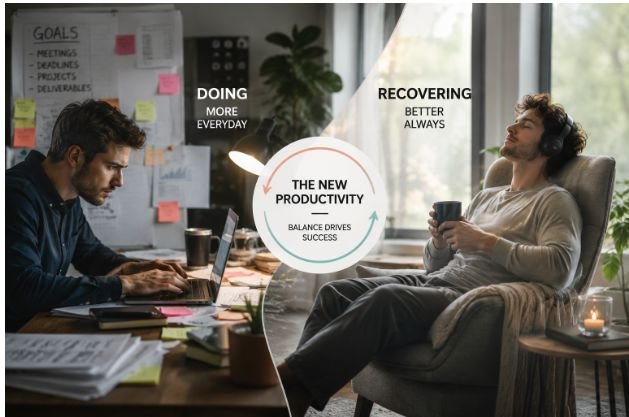
    Learning more about balancing productivity with personal wellbeing can help remote workers recognize that a clear stopping time is not a sign of poor commitment. It is a practical boundary that protects recovery, sleep, relationships, and long-term performance.

    Silence Work Notifications Automatically

    Silence Work Notifications Automatically

    I schedule a Personal or Do Not Disturb mode on my phone to mute work email and messaging apps after hours. Apple allows users to schedule Focus settings, while Slack and Microsoft Teams offer notification schedules or quiet-time controls.

    I keep exceptions only for genuine emergencies or formal on-call duties. After logging off, I move directly into a non-screen activity such as cooking, exercising, listening to music, reading, or walking. This tells my brain that personal time has started.

    What Should My Daily Self-Care Targets Be?

    My physical target is regular movement and stretching instead of prolonged sitting. This can reduce muscle fatigue and support cardiovascular health.

    My mental target is a designated, uncluttered workspace that reduces work-from-home stress and guilt. My digital target is automatic notification silencing that prevents work from expanding deep into the evening.

    I also protect my sleep with a consistent bedtime and seek professional support when stress, anxiety, low mood, exhaustion, or sleep problems persist. Self-care can support well-being, but it should not replace appropriate medical or mental-health care.

    Frequently Asked Questions 

    1. What Is the Best Self Care Routine for Remote Workers?

    The best routine includes a morning transition, an ergonomic workspace, hourly movement and eye breaks, a protected lunch, clear availability boundaries, and a firm shutdown ritual.

    2. How Often Should Remote Employees Take Breaks?

    I aim for a brief posture or movement change every 30 to 60 minutes and a longer meal break away from the workstation. Personal health needs and employer break policies may require a different schedule.

    3. How Can I Separate Work From Home in a Small Space?

    I use one consistent work area, avoid working from bed, store equipment after hours, change clothes or lighting at clock-out time, and take a short walk to create a physical transition.

    Make Remote Work Fit Into Your Life

    Clear signals make my routine effective: I am starting, I am pausing, and I am finished. By combining a simulated commute, ergonomic setup, micro-breaks, hydration, a protected lunch, social connection, notification limits, and a hard stop, I can protect my health without turning self-care into another demanding project.

  • Self-Care for Emotional Health: 12 Daily Habits That Help

    Self-Care for Emotional Health: 12 Daily Habits That Help

    I used to reach for self-care only after stress had taken over. A quiet evening helped temporarily, but it did not explain why I felt overwhelmed, irritable, lonely, or emotionally drained.

    I now see self-care for emotional health as the daily practice of noticing my feelings, protecting my energy, supporting my body, and responding before stress becomes burnout. Emotional well-being does not mean staying positive all the time. The CDC connects it with managing emotions, finding meaning, and maintaining supportive relationships.

    How Can I Tell My Emotional Health Needs Attention?

    I pay attention when ordinary problems feel unusually heavy. Warning signs may include irritability, emotional numbness, overthinking, trouble concentrating, disrupted sleep, appetite changes, social withdrawal, or guilt whenever I rest. Stress can affect sleep, appetite, energy, and emotional reactions.

    What Daily Habits Support Better Emotional Well-Being?

    1. Name and Journal My Feelings

    I replace “I feel bad” with clearer words such as anxious, disappointed, lonely, resentful, or exhausted. I write what happened, what triggered me, what I needed, and what I can do next. The CDC recommends journaling to help people understand and work through feelings.

    2. Practice Slow, Deep Breathing

    Practice Slow, Deep Breathing

    When my thoughts race, I take slow breaths and make the exhale slightly longer than the inhale. This gives me space to respond instead of reacting. The CDC includes deep breathing, yoga, stretching, and meditation among useful relaxation techniques.

    3. Challenge Negative Thoughts

    I question thoughts such as “I always fail” or “Everyone is judging me.” Then I replace them with something balanced: “This was difficult, but one moment does not define me.”

    This is not forced positivity. It is a realistic way to keep stressful situations in perspective and prevent harsh internal monologues from controlling my mood.

    4. Keep a Specific Gratitude Log

    Each evening, I write three specific things I appreciated, such as a supportive phone call, a good meal, or help with a difficult task.

    Gratitude should not silence anger, sadness, or disappointment. I use it alongside emotional processing rather than as a way to avoid uncomfortable feelings.

    5. Create a Personal “No” List

    My “No” list may include routine work messages after hours, unnecessary commitments, one-sided relationships, or requests that exceed my capacity.

    In a culture that often rewards constant availability, clear boundaries protect my time, sleep, health, and relationships. Saying no does not make me selfish. It helps me reserve energy for responsibilities and people that genuinely matter.

    6. Take a 30-Minute Digital Detox Before Bed

    I turn off phones, television, tablets, and work screens at least 30 minutes before bedtime. This keeps late emails, upsetting headlines, and social media comparisons from following me into sleep.

    The CDC specifically recommends turning off electronic devices at least 30 minutes before bed as part of a healthy sleep routine.

    7. Schedule “Nothing” Days

    Schedule “Nothing” Days

    When possible, I reserve an occasional day or half-day without errands, productivity goals, or social obligations. Unstructured rest gives me space to recover without feeling guilty for not accomplishing something.

    However, I do not use a “nothing” day to avoid a conflict, deadline, or decision that still requires action. Healthy rest should restore me, not create more stress later.

    8. Spend Time With Supportive People

    I choose people who respect my boundaries and allow honest conversation. When loneliness grows, I prioritize face-to-face contact through coffee, a walk, a family visit, a faith community, or a local group.

    Loneliness and social isolation are associated with higher risks of depression and other health concerns. Quality matters more than having a large social circle.

    9. Share Screen-Free Meals and Positive Moments

    I put devices away during some meals so I can listen, make eye contact, and enjoy the experience. Technology-free meals give conversations room to develop without constant notifications.

    I also share small wins, humor, memories, and enjoyable activities with people I trust. Emotional connection is not limited to discussing problems. Sharing positive experiences can also strengthen relationships.

    10. Prioritize Quality Sleep

    I aim for seven to nine hours of sleep and keep my bedtime and wake time consistent. The CDC recommends at least seven hours for adults ages 18 to 60 and seven to nine hours for adults ages 61 to 64.

    A cool, quiet bedroom and a screen-free wind-down routine can make quality rest easier. When I am underslept, minor frustrations often feel much larger than they normally would.

    11. Move My Body Every Day

    I walk, stretch, dance, run, lift weights, garden, or complete active chores instead of waiting for a perfect workout.

    NIMH notes that a 30-minute daily walk can support mood and overall health, while smaller amounts of activity still add up. Daily movement also gives me a healthy outlet when I feel restless, tense, or frustrated.

    12. Eat Foods That Support Overall Health

    I build regular meals around vegetables, whole grains, protein, healthy fats, and water. Leafy greens, nuts, seeds, beans, eggs, and fatty fish can contribute useful nutrients within a balanced diet.

    I avoid describing any single food as a cure for anxiety, depression, or burnout. Nutrition creates a physical foundation for well-being, but it works alongside sleep, movement, relationships, emotional coping skills, and appropriate health care.

    How Do I Match Self-Care to What I Feel?

    but it works alongside sleep, movement, relationships, emotional coping skills, and appropriate health care.

How Do I Match Self-Care to What I Feel?

    The best response depends on the need beneath the emotion. When I feel overwhelmed, I reduce commitments and choose one manageable task. When I feel lonely, I contact someone instead of automatically isolating.

    When I feel angry, I breathe, move, or journal before responding. When I feel emotionally numb, I use music, a warm shower, time outdoors, or another gentle sensory experience to reconnect with the present.

    This emotion-to-action approach makes self-care more useful than randomly choosing a popular activity.

    When Is Professional Mental Health Support Necessary?

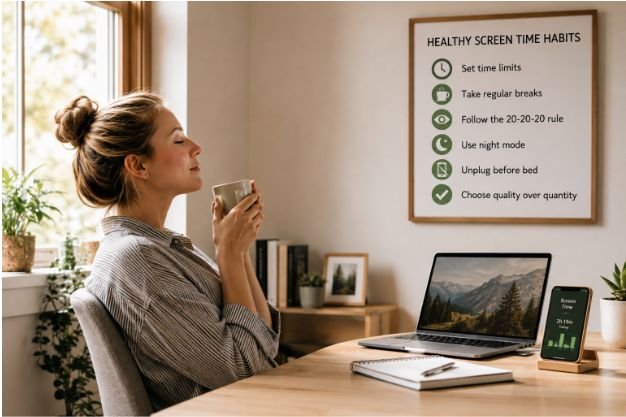
    Self-care cannot replace professional treatment. While practices such as healthy screen time habits may support emotional balance, I consider contacting a licensed therapist, counselor, primary care professional, or another qualified provider when emotional distress persists, disrupts sleep, interferes with work or relationships, or makes everyday tasks difficult.

    NIMH advises seeking professional help when severe or distressing symptoms persist, including concentration problems, loss of interest, sleep changes, or difficulty completing usual activities.

    In an immediate crisis or when self-harm is a concern, people in the United States can call or text 988 to reach the Suicide & Crisis Lifeline.

    Frequently Asked Questions {FAQs)

    1. What is a simple example of self care for emotional health?

    I can pause, name the emotion, identify its trigger, and choose a matching response, such as resting, setting a boundary, walking, journaling, or contacting someone supportive.

    2. Can emotional self-care prevent burnout?

    Emotional self-care can help me notice stress earlier and reduce avoidable overload, but prevention may also require changes in workload, expectations, relationships, support, or professional care.

    3. How long should a daily emotional-care routine take?

    Even five to ten minutes can help. A quick emotional check-in, breathing exercise, journal entry, gratitude practice, or screen-free break is easier to repeat than an elaborate routine.

    Final Thoughts

    I no longer treat emotional care as a reward I earn after finishing everything else. I treat it as basic maintenance that helps me think clearly, communicate honestly, and recover before daily pressure becomes emotional exhaustion.

    The best routine is not the most expensive or impressive one. It is the routine that helps me recognize what I feel, protect what matters, support my physical health, and take one realistic action each day.

  • Self Care for Teens: Simple Habits for Stressful Days

    Self Care for Teens: Simple Habits for Stressful Days

    Teen life can feel nonstop. School deadlines, sports, college planning, friendships, family expectations, social media, and changing emotions all compete for attention. 

    I see self-care for teens as a practical way to recharge the mind and body before stress becomes overwhelming. It does not require expensive products or a perfect routine. Small, consistent habits can protect energy and build resilience.

    What Does Self-Care Mean for a Teenager?

    Self-care means noticing what you need and choosing a healthy response. Sleeping, eating, moving, setting a boundary, or asking for help can all count. Healthy self-care restores you; it does not help you avoid every difficult task.

    How Can Teens Care for Their Minds and Emotions?

    Learning about self-care for emotional health can help teenagers recognize stress, understand difficult feelings, and choose healthy coping strategies before emotions become overwhelming.

    Journal Without Making It Homework

    Write what happened, name the emotion, and decide what you need next. A few sentences can reveal patterns involving grades, friendships, sleep, or social comparison. A notes app or sketchbook also works.

    Set Boundaries and Say No

    Set Boundaries and Say No

    Decline plans when you need rest, leave a hostile group chat, or tell a friend you cannot talk during homework. Healthy relationships allow reasonable limits.

    Take a Real Brain Break

    Complete a puzzle, read one chapter, sketch, listen to music, or organize a small space. These activities shift attention without trapping you in endless scrolling.

    Name Feelings and Use Kinder Self-Talk

    “Bad” may actually mean anxious, lonely, angry, embarrassed, or exhausted. Naming the feeling makes the next step clearer. Replace “I ruin everything” with “I made a mistake, but I can repair it.”

    What Physical Self-Care Habits Help Teens Feel Better?

    Build a Consistent Sleep Routine

    Teens ages 13 to 18 generally need 8 to 10 hours of sleep. Keep a steady bedtime and create a quieter final hour. The American Academy of Pediatrics advises turning screens off about one hour before bed because media use can interfere with sleep.

    Move Your Body in Enjoyable Ways

    US guidance recommends at least 60 minutes of moderate-to-vigorous activity daily for ages 6 to 17. Dancing, biking, sports, swimming, brisk walking, skateboarding, and active games all count, and the movement does not need to happen at once.

    Stay Hydrated and Maintain Basic Routines

    Keep water nearby and eat regular meals or nourishing snacks when possible. Brushing your teeth, showering, wearing clean clothes, and following prescribed health routines can restore control.

    Balanced meals can support steady energy, concentration, and mood during demanding school days. Learning how to make frozen vegetables taste good and healthy can also help teens prepare quick, affordable food without relying only on highly processed snacks.

    How Can Teens Build Connection and Purpose?

    How Can Teens Build Connection and Purpose?

    Spend 15 Minutes Outside

    Walk through your neighborhood, around the school track, or in a local park. Notice the weather, sounds, or your breathing without turning the walk into another performance goal.

    Spend Time With a Pet

    Cuddling, grooming, walking, or playing with a pet can create a calming pause. The American Academy of Pediatrics includes pet care, nature walks, creativity, journaling, music, volunteering, and tutoring among affordable coping activities.

    Talk to Someone You Trust

    Speak with a parent, sibling, friend, coach, teacher, school counselor, pediatrician, or another trusted adult. Begin with, “I’ve been feeling overwhelmed lately.”

    Help Others Without Overloading Yourself

    Volunteer, tutor, help a neighbor, or support a classmate. Choose a manageable commitment. Helping should create connection and purpose, not take away needed sleep or study time.

    How Can Teens Use a Before-During-After Stress Plan?

    What Should I Do Before a Stressful Event?

    Prepare one practical item, then calm your body. Pack what you need, listen to favorite hype music, or sit somewhere quiet before an exam, presentation, tryout, or difficult conversation.

    What Can I Do During the Stressful Moment?

    Take slow belly breaths, relax your shoulders, and focus only on the next question, sentence, or movement. When appropriate, briefly step away, drink water, or request a short break if emotions feel too intense.

    How Should I Recover Afterward?

    Notice what went well before reviewing mistakes. Then choose a snack, shower, walk, pet time, music, or conversation. Reflection should help you learn, not replay the event for hours.

    How Can Teens Practice Self-Care During School?

    Break a large assignment into the smallest useful step: open the document, write the heading, find one source, or email the teacher. Ask for clarification before confusion becomes a crisis. Between classes, stretch, refill your water bottle, or take three controlled breaths.

    Attach habits to existing routines. Journal after homework or leave your phone outside the bedroom. On low-energy days, shrink the habit: stretch for five minutes, write one sentence, or send one honest text.

    When Should a Teen Ask for Professional Help?

    When Should a Teen Ask for Professional Help?

    Self-care supports mental health, but it does not replace treatment. Talk with a trusted adult or health professional when distress lasts for weeks or interferes with school, home, friendships, sleep, eating, or normal activities. Seek immediate help when behavior becomes unsafe or a young person talks about hurting themselves or someone else.

    In the United States, call or text 988 or use the 988 Lifeline chat during a suicidal, mental health, or substance-use crisis. Call 911 when there is immediate physical danger.

    Frequently Asked Questions 

    1. What are the best self care for teens habits to start with?

    Begin with sleep, regular meals, hydration, enjoyable movement, one trusted person, and a realistic digital boundary. Choose only one or two habits at first.

    2. What Are Free Self-Care Activities for Teenagers?

    Journaling, reading, drawing, walking, breathing exercises, listening to music, visiting a library, spending time with a pet, and talking with someone supportive cost little or nothing.

    3. How Can Parents Support a Teen’s Self-Care Routine?

    Parents can listen without immediately correcting, model healthy technology habits, protect sleep routines, invite honest conversations, and help teens reach professional support when needed.

    A Realistic Way to Begin

    I do not believe teenagers need another perfect routine. Start with one action that meets a real need today: drink water, finish one assignment step, say no, go outside, put down the phone, or tell someone you are struggling. Repeated small choices can create a stronger routine than an ambitious plan that disappears after three days.

  • Self-Care for Teachers During the School Year: A Realistic Plan

    Self-Care for Teachers During the School Year: A Realistic Plan

    Teaching can consume every part of my day. Before the first bell, I may already be adjusting lessons, answering parent emails, and preparing materials. After dismissal, grading can follow me home. That is why self-care for teachers during the school year must rely on small, repeatable habits rather than waiting for weekends, holidays, or summer break.

    This matters in US schools, where 84% of public K–12 teachers say regular work hours do not provide enough time for grading, lesson planning, paperwork, and email. Teacher burnout prevention requires daily recovery habits and firm workplace boundaries.

    How Can Teachers Reset During a Busy School Day?

    Effective self-care during the school day can take less than five minutes. I use a “60-second clear” after students leave the room. I wait one minute, breathe slowly, and avoid touching paperwork. This pause helps me begin the next task without carrying the previous class’s tension forward.

    Square breathing offers another quick reset. I inhale for four seconds, hold for four, exhale for four, and hold again for four. The CDC recommends deep breathing, stretching, and other brief relaxation practices as practical stress-management tools.

    On difficult days, I open a “smile folder” filled with student notes, drawings, positive evaluations, or encouraging parent emails. It reminds me that one challenging period does not define my entire impact as a teacher.

    I also use the 5-4-3-2-1 sensory grounding method. I notice five things I see, four I hear, three I feel, two I smell, and one I taste. A stress ball or lightly scented aromatherapy roller can provide additional physical re-centering, provided fragrances follow school policies and respect student sensitivities.

    How Do I Protect My Evenings From Schoolwork?

    How Do I Protect My Evenings From Schoolwork?

    Strong teacher boundaries begin with a stopping point. On two or three days each week, I leave the building about 15 minutes after contract hours end. I may not finish everything, but I protect enough recovery time to return with better focus.

    I remove school email from my personal phone or disable notifications after 5:00 p.m. I also tell students and families when they can expect a response, such as within one or two school days. This supports work-life balance for teachers without reducing professionalism.

    Batching prevents grading from taking over the entire evening. I schedule one focused grading block, set a timer, and stop when it ends—even when papers remain. Rubrics, completion checks, verbal feedback, peer review, and selective grading can also reduce unnecessary work while still supporting learning goals.

    My commute becomes a transition out of “teacher mode.” An audiobook, podcast, playlist, or quiet drive creates distance between school and home. When I arrive, I may change clothes, shower, walk, or sit quietly before beginning household or family responsibilities.

    Understanding how modern work is changing healthy living can help teachers recognize why constant notifications, blurred work hours, prolonged screen use, and limited recovery time make healthy routines harder to maintain. Creating a clear transition between school and home can protect both physical and emotional well-being.

    Which Physical Habits Help Teachers Maintain Energy?

    A realistic daily self-care routine for teachers begins with basic physical needs. I keep a labeled water bottle at my desk and connect drinking water to predictable transitions, such as attendance, lunch, or the end of each class period.

    I also store protein-rich snacks such as nuts, seeds, or protein bars to reduce midafternoon energy crashes. Naturally, I follow classroom allergy policies and avoid bringing foods that could place students at risk.

    After school, I aim for 20 to 30 minutes of walking, yoga, stretching, or another form of movement. The goal is not to complete an intense workout. I simply want to release the physical tension that builds after hours of standing, speaking, monitoring, and responding.

    I also set a bedtime alarm instead of relying only on a morning alarm. The CDC says adults generally need at least seven hours of sleep, so I plan my evening backward from the time I must wake up.

    Teachers who work evening programs, supervise late events, or manage irregular schedules may benefit from ideas used in a self-care routine for night shift nurses. Protecting sleep, timing caffeine carefully, planning light meals, and creating a clear wind-down routine can help reduce fatigue after unusually long school days.

    How Can Teachers Build Emotional and Social Support?

    How Can Teachers Build Emotional and Social Support?

    Teacher mental health improves when I stop carrying every challenge alone. I maintain a small “vent circle” of trusted colleagues, but I limit venting to about five minutes. This creates space for validation without allowing every conversation to spiral into repeated negativity.

    Before leaving my classroom, I write down exactly two positive moments from the day. A student may have asked a thoughtful question, a lesson may have worked, or a colleague may have offered help. This gratitude practice prevents difficult moments from becoming the only story I remember.

    I also separate what I can control from what I cannot. I can control my reactions, lesson choices, communication, boundaries, and decision to ask for help. I cannot control district policies, staffing shortages, testing mandates, or a student’s home circumstances.

    This mindset supports stress management for teachers without pretending that systemic problems are personal failures.

    Which Teacher Self-Care Strategies Have the Greatest Impact?

    Strategy Time Required Impact Why It Helps
    Square breathing 1–2 minutes Immediate Creates a quick pause during stress
    Leaving work on time No added time Long-term Protects evenings and reduces resentment
    Removing phone email About 1 minute High Ends constant psychological availability
    Time-limited peer support 5–10 minutes Moderate Validates stress without prolonged negativity

    The highest-impact teacher self-care strategies are often boundaries rather than additional wellness tasks. Breathing helps during an immediate stress response, while a protected exit time and email cutoff change how much work enters my personal life.

    How Should Self-Care Change Across the School Year?

    How Should Self-Care Change Across the School Year?

    Back-to-school weeks, October fatigue, report cards, parent-teacher conferences, standardized testing, and the final weeks of school create different pressures. During these periods, I simplify before adding anything new.

    I reuse proven resources, decline nonessential committees, reduce decorative classroom projects, and schedule recovery after conference nights or major school events. I also protect at least one evening or weekend period from grading whenever possible.

    Personal habits cannot fix unsafe conditions, chronic understaffing, poor leadership, or unreasonable workloads. The CDC explains that school employee wellness also depends on coordinated programs, workplace policies, benefits, and environmental support.

    When stress disrupts my sleep, health, relationships, or daily functioning, I contact an administrator, union representative, employee assistance program, counselor, or health care professional. Together, these habits and support systems create a sustainable self-care plan for teachers.

    Frequently Asked Questions 

    1. What Is the Best Self Care for Teachers During the School Year?

    The best approach combines brief daily resets, protected sleep and meals, limited after-hours email, efficient grading, supportive colleagues, and clear times when work ends.

    2. How Can Teachers Avoid Burnout Without Adding Another Task?

    Start by removing demands. Set an exit time, silence school notifications, simplify grading, decline optional commitments, and protect one evening or weekend period from work.

    3. What Are Quick Teacher Self-Care Tips Between Classes?

    Try the 60-second clear, square breathing, sensory grounding, shoulder stretches, drinking water, eating a protein-rich snack, or looking through a smile folder.

    4. When Should a Teacher Seek Professional Support?

    A teacher should seek help when stress, anxiety, sadness, exhaustion, or emotional detachment persists and interferes with sleep, relationships, health, classroom performance, or everyday life.

    Final Thoughts

    Teaching will always demand patience, energy, and emotional strength, but it should not require me to sacrifice my health to prove my dedication. By protecting small moments of rest, setting boundaries, caring for my body, and asking for support, I can stay present without running on empty. 

    The goal is not to create a perfect routine overnight. It is to choose one realistic habit, repeat it consistently, and build from there. When I protect my energy, I do more than prevent burnout—I create a healthier classroom, a stronger personal life, and a teaching career I can sustain with confidence.

  • Self – Care for Social Workers: A Sustainable Burnout Plan

    Self – Care for Social Workers: A Sustainable Burnout Plan

    Social workers rely on empathy, judgment, emotional presence, and communication as essential professional tools. When those resources become depleted, personal well-being and client care can suffer. 

    I see self-care for social workers as a professional necessity, not an optional luxury. A sustainable approach must protect the whole person through individual habits, workplace boundaries, professional support, and institutional accountability.

    Why Is Self-Care Essential for Social Workers?

    Social workers across the United States regularly respond to abuse, grief, poverty, housing insecurity, addiction, and behavioral health crises. Heavy caseloads, staffing shortages, documentation demands, and limited resources intensify that burden.

    Burnout may appear as emotional exhaustion, cynicism, poor concentration, detachment, or reduced professional confidence. Compassion fatigue combines burnout with secondary traumatic stress, while vicarious trauma can gradually change how a practitioner views trust, safety, and relationships. These reactions are occupational risks, not proof that someone lacks resilience.

    The NASW Code of Ethics encourages professional self-care and states that social workers should seek consultation and remedial action when personal distress interferes with judgment or performance. Early intervention therefore protects practitioner wellness, professional effectiveness, and client safety.

    How Can Social Workers Set Better Workplace Boundaries?

    How Can Social Workers Set Better Workplace Boundaries?

    Protecting professional time prevents work from consuming personal identity. Establish clear start and stop times when the role allows. At the end of a shift, log out of work email, silence notifications, and avoid checking case updates on personal devices unless formal on-call duties require it.

    Use allotted vacation, personal days, and mental health days without guilt. Time away supports cognitive recovery and a healthier work-life balance. Social workers should also flag unmanageable caseloads during supervision, document specific safety or service risks, and ask leadership to clarify priorities rather than silently absorbing impossible expectations.

    Formal supervision should go beyond deadlines and compliance. Reflective supervision, mentor sessions, and confidential peer debriefing can help practitioners process traumatic cases, examine emotional reactions, and make safer decisions. Client confidentiality must remain protected during every discussion.

    Which Emotional Self-Care Practices Reduce Compassion Fatigue?

    Spend five to ten minutes on grounding mindfulness when possible. Slow breathing, mindful observation, or a brief body scan can help the nervous system leave a prolonged fight-or-flight state.

    Journaling can externalize difficult thoughts without revealing client details. A practitioner might record emotions, stress signals, lessons learned, and the next appropriate action. Personal therapy provides a confidential space to explore triggers, grief, anger, helplessness, and emotional overload that professional supervision cannot fully address.

    Create an unburdening ritual to mark the transition from worker to individual. Changing clothes, taking a walk, showering, or listening to music can signal that the shift has ended. Intentionally limiting distressing news and negative digital content after work may also prevent additional emotional overload.

    What Physical Habits Build Professional Resilience?

    What Physical Habits Build Professional Resilience?

    A resilient body can improve tolerance for chronic stress, although sleep and exercise cannot repair an unhealthy workplace. Prioritize a consistent schedule that provides seven to eight hours of sleep when possible. Pack accessible foods such as berries, leafy greens, nuts, yogurt, or whole grains to maintain energy during unpredictable shifts.

    Regular movement can release physical tension and support stress management. Walking, yoga, swimming, or lifting weights can help when the activity fits the person’s health and schedule. CDC guidance also recognizes that physical activity supports both physical and mental health.

    Creative hobbies protect identity beyond the helping role. Art, cooking, music, sports, or crafts can provide enjoyment without emotional labor. Protect family time by setting aside challenging work discussions, silencing workplace notifications, and focusing on shared activities. Social workers can discuss their feelings without disclosing confidential client information.

    How Do I Create a Realistic Social Worker Self-Care Plan?

    Start by identifying warning signs such as jaw tension, headaches, missed meals, irritability, emotional numbness, intrusive thoughts, sleep disruption, or constant after-hours work. Then choose one daily recovery practice, one firm professional boundary, one source of peer support, and one action for periods of severe stress. This practical approach supports balancing productivity with personal wellbeing without adding another overwhelming obligation.

    The plan should name support resources, including a supervisor, colleague, therapist, physician, employee assistance program, or professional association. Review it monthly as caseloads, roles, and personal responsibilities change. A short, consistent plan is more useful than one that creates guilt.

    What Responsibility Do Social Work Employers Have?

    What Responsibility Do Social Work Employers Have?

    Self-care cannot rest solely on individual workers. Agencies should provide manageable caseloads, adequate staffing, regular supervision, realistic documentation expectations, safe working conditions, and access to mental health support. CDC guidance emphasizes changing workplace policies and practices to address occupational burnout.

    Before accepting or remaining in a role, assess employer culture by examining turnover, overtime expectations, supervisor availability, leave practices, safety procedures, and leadership responses to workload concerns.

    Social workers can also advocate collectively for trauma-informed workplace structures, peer-support programs, protected breaks, flexible scheduling, and secure digital wellness platforms. A meditation app or occasional wellness seminar should complement meaningful organizational changes rather than replace them.

    When Is Self-Care No Longer Enough?

    Professional help may be necessary when stress causes persistent insomnia, panic, depression, substance misuse, intrusive memories, severe irritability, relationship problems, or reduced ability to perform duties safely.

    Seeking therapy, medical care, professional consultation, or workload adjustments reflects responsibility rather than weakness. Social workers should act promptly when personal distress begins affecting professional judgment, client assessments, or workplace safety.

    Frequently Asked Questions (FAQs)

    1. How Can Social Workers Prevent Burnout With Limited Time?

    Use short recovery practices during transitions, protect after-hours boundaries, raise workload concerns in supervision, and schedule leave before exhaustion becomes severe.

    2. What Is the Difference Between Burnout and Compassion Fatigue?

    Burnout generally reflects chronic job stress. SAMHSA describes compassion fatigue as a combination of burnout and secondary traumatic stress connected to repeated exposure to suffering.

    3. How Can Social Workers Protect Their Family Time?

    Create an end-of-shift ritual, silence notifications, avoid detailed case discussions, and focus on personal feelings without revealing confidential client information.

    4. What Should Employers Do to Improve Social Worker Well-Being?

    Employers should improve workloads, staffing, supervision, safety, leave access, psychological support, and workplace culture instead of relying only on individual wellness activities.

    A Healthier Way to Sustain the Work

    I believe effective self-care for social workers combines personal recovery, firm boundaries, reflective supervision, supportive relationships, and institutional change. Social workers should not have to become endlessly resilient to survive preventable workplace harm. 

    Sustainable care protects the practitioner, strengthens professional judgment, and supports safer, more compassionate client service.

  • Self-Care for Stay-at-Home Moms: Realistic Habits That Work

    Self-Care for Stay-at-Home Moms: Realistic Habits That Work

    When I became a full-time caregiver, I learned that being home did not automatically create time to rest. That is why self-care for stay-at-home moms is not an indulgence. It protects the energy, patience, and steadiness that caregiving requires.

    Long-term stress and inadequate sleep can affect mood, attention, and emotional regulation. The National Heart, Lung, and Blood Institute also links sleep deficiency with depression and other health concerns. Self-care cannot replace treatment, but consistent habits can reduce strain.

    How Can a Stay-at-Home Mom Practice Self-Care in Under 10 Minutes?

    I begin with micro-self-care because waiting for an uninterrupted afternoon rarely works. When possible, I wake 15 minutes before the children to drink hot coffee, pray, journal, or sit quietly. After a difficult night, I choose extra sleep instead.

    I turn off social media notifications for one hour daily to reduce comparison and sensory overload. When the house feels noisy, I step outside and take five slow belly breaths.

    I also keep an oversized water bottle in one place and prepare an easy, nutrient-dense snack before I become exhausted. Basic needs often help more than an elaborate wellness routine.

    Which Daily Boundaries Help Prevent Mom Burnout?

    Which Daily Boundaries Help Prevent Mom Burnout?

    Full-time parenting has no natural clock-out time, so I create my own boundaries. A flexible quiet hour gives everyone a reset. Younger children may nap, while older children can read, draw, build, or play quietly. I aim for a calmer rhythm, not perfect silence.

    Changing out of pajamas also marks the start of my day. Comfortable daytime clothes help me feel mentally awake.

    At night, I lower unrealistic housekeeping standards. Dishes do not always need to be washed at midnight. I work backward from bedtime, start the family routine earlier, and protect time for a shower, reading, stretching, or conversation. CDC guidance notes that most adults need at least seven hours of quality sleep, although parents of babies may need to pursue rest in shorter windows.

    How Can I Restore My Identity Without Leaving Home?

    I claim a small physical space that belongs to me, even if it is only a chair or shelf. I keep a favorite book, journal, candle, blanket, or craft there.

    During chores, I listen to non-parenting podcasts, audiobooks, or music through one earbud when it is safe. I may also stream a free 20-minute yoga or home workout while the children play nearby, while maintaining healthy screen time habits for the whole family.

    I encourage age-appropriate independent play too. Children do not need me to remove every moment of boredom. Safe independent play gives them room to create while giving me a brief chance to sit down.

    How Do I Ask My Partner or Family for Real Help?

    How Do I Ask My Partner or Family for Real Help?

    “Help more” is vague, so I make specific requests. When a partner is available, I create a predictable handoff after work or during a weekend window. During that time, the other adult takes full childcare responsibility.

    I may also ask someone to own bath time, school lunches, grocery pickup, or bedtime from planning through completion. Sharing the mental load means another person notices and manages the task.

    When support is reliable, I schedule a two-hour adult outlet each week. It might be a hobby, class, library visit, walk, faith gathering, coffee alone, or quiet grocery trip. Experienced mothers often emphasize that consistent weekly time away works better than waiting for a rare perfect break.

    What If I Have Little or No Support System?

    Advice centered on babysitters and partner handoffs does not work for every mother. When support is limited, I remove demands. I repeat simple meals, use grocery pickup when affordable, reduce optional commitments, and let nonessential housework wait.

    I also fight stay-at-home isolation through text check-ins, playground meetups, library programs, community centers, parent groups, or neighborhood walks.

    When Is Self-Care Not Enough for an Overwhelmed Mom?

    When Is Self-Care Not Enough for an Overwhelmed Mom?

    I pay attention when exhaustion becomes persistent hopelessness, severe anxiety, frequent rage, emotional numbness, ongoing sleep problems, or difficulty completing ordinary tasks. The CDC advises seeking professional support when a low mood lasts two weeks or longer and disrupts daily functioning. ACOG also identifies lack of support and stressful life events as risk factors for postpartum depression.

    A primary care doctor, OB-GYN, or licensed mental health professional can help determine what support is appropriate.

    Frequently Asked Questions (FAQs)

    1. What Is the Best Self-Care for Stay-at-Home Moms With No Free Time?

    Start with one repeatable action connected to an existing moment, such as drinking water after breakfast, breathing outside during quiet play, or taking ten screen-free minutes after bedtime.

    2. How Do I Stop Feeling Guilty About Taking a Break?

    I remind myself that rest supports caregiving rather than competing with it. Children also learn from watching adults communicate needs, accept help, and set healthy limits.

    3. Should I Wake Up Before My Children for Alone Time?

    Only when the extra quiet will not worsen sleep deprivation. Sleeping longer may be healthier after frequent nighttime waking.

    4. How Can I Make a Self-Care Routine Flexible?

    I choose one morning habit, one midday reset, and one evening boundary, then adjust the timing when naps, appointments, illness, or school schedules change.

    A More Sustainable Way to Care for Myself

    I no longer wait for a spotless house or a weekend away before meeting my needs. I use micro-breaks, protect sleep, lower unnecessary standards, encourage independent play, ask for specific support, and maintain interests that remind me who I am.

    Real self-care is not about escaping motherhood. It is about building enough rest, nourishment, structure, connection, and personal space to remain present in my own life while caring for the people I love.