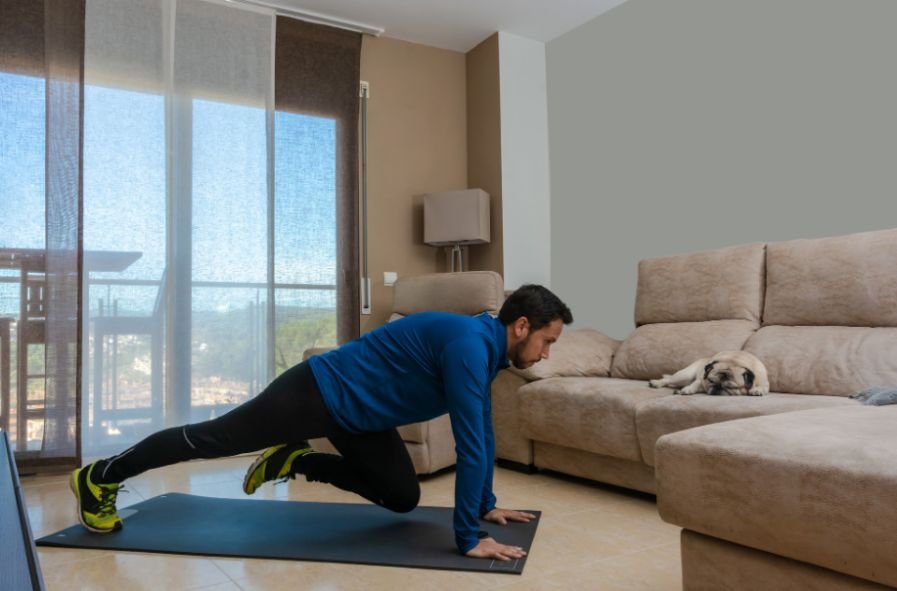
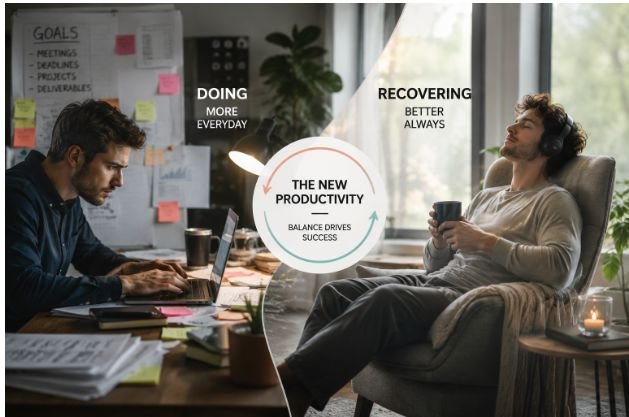
Author: Dr. Alan Petrov

  • Simple Ways to Declutter Your Mind To Restore Calm and Focus

    Simple Ways to Declutter Your Mind To Restore Calm and Focus

    Sitting at a crowded desk while twenty browser tabs play mental tug of war is a feeling we know all too well. Finding simple ways to declutter your mind can feel almost impossible when daily demands pile up constantly.

    Our minds often resemble a chaotic closet packed with old worries, endless to-do lists, and unread notifications. We carry this heavy internal baggage everywhere, wondering why we feel continuously exhausted and unfocused.

    Mindful living offers a gentle path back to clarity. By releasing what no longer serves our emotional health, we create physical and mental breathing room to enjoy the present moment.

    To declutter your mind quickly, try a brain dump, write a to-do list, and practice deep breathing. These easy steps help stop stress and bring back focus.

    Key Takeaways

    1. Write down thoughts to free working memory.
    2. Practice single-tasking to protect cognitive focus.
    3. Audit daily screen time and digital notifications.
    4. Use grounding breathwork during high stress moments.
    5. Simplify daily routines to prevent decision fatigue.

    Why Your Brain Needs an Upgrade Right Now

    Understanding why our minds collect mental trash helps us clear it away with total ease.

    Processing thousands of digital ads, news alerts, and group messages every day overloads our working memory. Our brains were simply not wired for this constant barrage, which creates quiet anxiety and brain fog. Giving yourself permission to slow down is the first step toward building lasting focus and peace.

    Switching rapidly between checking emails and completing projects splits our attention into tiny fragments. Psychologists call this lingering drain attention residue, which leaves us feeling completely drained by noon. Taking charge of your mental real estate allows you to perform better without sacrificing your sanity.

    Write Down Your Thoughts

    Write Down Your Thoughts

    Clearing your head before bed sets the foundation for restful sleep and crisp mornings.

    Brain Dump

    Grab paper and write every single thought, worry, or task in your head without stopping or judging. Do not worry about grammar, neatness, or full sentences during this rapid expressive writing exercise. Letting the ink catch your lingering worries frees up immediate space in your brain.

    Make Lists

    Put tasks onto a to-do list so you do not use brain power trying to remember them. Categorize these actionable items into urgent priorities and simple future goals for maximum clarity. This structured approach prevents daily tasks from swirling through your mind while you try to relax.

    Get It Out

    Moving thoughts to paper tricks your brain into letting go of the loop. Transferring your ideas onto a clean sheet acts as a symbolic physical release of built up pressure. Your working memory stops straining to retain every detail once everything sits safely in ink.

    Fix Your Digital Space

    Fix Your Digital Space

    Reclaiming your attention from screens creates instant breathing room for your nervous system.

    Turn Off Alerts

    Mute all phone notifications except for direct calls from close family or friends. Push alerts trigger small spikes of stress hormones that pull your focus away from reality. Silencing digital noise allows you to live inside the current moment without constant interruptions.

    Clear Tabs

    Close extra internet tabs on your computer and put your phone in another room. Staring at open tabs creates visual clutter that secretly drains your cognitive energy all day long.

    Practicing how to practice single tasking at work can help you concentrate on one priority instead of constantly switching between competing demands. Setting physical distance between yourself and your devices helps quiet an overstimulated mind.

    Keeping only the tools needed for your current task creates a calmer digital space and protects your attention from unnecessary distractions.

    Unfollow Accounts

    Clean up social media feeds by removing accounts that cause stress or sadness. Curating your virtual environment is just as vital as sweeping the physical floors of your living space. Fill your personal feed with uplifting content that nurtures mindfulness and moving towards emotional balance instead.

    Move Your Body and Breathe

    Move Your Body and Breathe

    Stepping outside releases built up tension and reconnects your awareness to the present moment.

    Take Deep Breaths

    Inhale slowly, hold it for a second, and exhale fully five to eight times to lower your heart rate. Deep diaphragmatic breathing signals your autonomic nervous system that you are completely safe. This quick physiological reset melts away sudden spikes of anxiety in under two minutes.

    Go for a Walk

    Step outside for a short walk in nature to clear physical and mental tension. Moving your body outdoors promotes freely flowing creative ideas while lowering stress hormones naturally. The simple rhythm of placing one foot in front of the other grounds your mind back in reality.

    You can also begin with morning stretches to improve flexibility before walking, especially when stiffness or long hours at a desk make movement feel difficult. Gentle stretching loosens tight muscles, reconnects attention with the body, and creates a calmer transition into physical activity.

    Do a Physical Task

    Clean a small area or tidy your desk to shift focus from racing thoughts to physical actions. Tidying an immediate surface provides a fast sense of accomplishment and visual order. Converting chaotic mental energy into external order helps quiet an overactive mind.

    Frequently Asked Questions

    1. What is the 3-3-3 rule for decluttering?

    The 3-3-3 rule is a simple anxiety grounding technique where you name three things you see around you, identify three sounds you hear, and move three body parts to bring your mind back into the present moment.

    2. How to instantly declutter your mind?

    Take three slow deep breaths into your lower belly and write down the single most pressing thought or task occupying your attention on a slip of paper to immediately free up mental bandwidth.

    3. What is the 5 5 5 rule for decluttering?

    The 5 5 5 rule asks if a thought or worry will matter in 5 minutes, 5 months, or 5 years. If it will not matter in 5 years, spend no more than 5 minutes stressing over it.

    4. What are the 4 C’s of decluttering?

    The 4 C’s focus on essential room organization principles: Clear the space, Category organization, Cultivate keeping essentials, and Consistent maintenance to sustain lasting physical and mental clarity.

    Time to Evict the Mental Noise for Good

    Adopting simple ways to declutter your mind is not about achieving a perfectly silent head overnight; it is about gently creating room to breathe amid daily life. By setting intentional digital boundaries, journaling daily worries, and anchoring in the present moment, you reclaim your mental clarity. Start small with one mindful practice today and enjoy the peaceful space you deserve.

  • Healthy Movement Habits for Fetter Aging

    Healthy Movement Habits for Fetter Aging

    I once believed staying active required long workouts and strict plans. Healthy movement habits for better aging may begin with standing more often, walking after meals and practising simple strength or balance exercises. When these actions become routine, they can support mobility, confidence and independence without making daily life feel demanding.

    Why Everyday Movement Matters With Age

    Muscle strength may decline, joints can become stiffer and balance may feel less reliable. Long periods of sitting can make these changes more noticeable. Regular movement can also support energy, sleep and confidence during ordinary routines throughout the day.

    The aim is to preserve the ability to walk comfortably, climb stairs, carry shopping, rise from a chair and enjoy familiar activities. A ten-minute walk completed regularly can be more useful than an ambitious workout abandoned after a few days.

    Begin the Morning With Gentle Mobility

    A few minutes of easy movement can reduce stiffness and prepare the body for the day. Try slow shoulder rolls, ankle circles, side bends and comfortable neck turns. Stay within a pain-free range.

    Link the routine to something already done each morning. Connecting a new action to an established one makes it easier to remember.

    Walk Briefly After Meals

    Walking is an accessible way to add movement without creating a complicated schedule. Start with five or ten minutes at a comfortable pace. Gradually increase the duration. When outdoor walking is unsuitable, move around the home or march gently beside a stable support.

    Break Up Long Periods of Sitting

    Break Up Long Periods of Sitting

    Several hours of uninterrupted sitting can leave the hips, back and legs feeling stiff. Set a reminder to stand or move every 30 to 60 minutes. Walk to another room, refill a glass of water or complete a few controlled chair stands.

    Build Strength Through Daily Actions

    Strength supports carrying bags, opening doors, getting out of bed and recovering after a stumble. A sit-to-stand exercise is a practical starting point.

    Sit near the front of a stable chair, place both feet firmly on the floor and stand with control. Use the hands when needed, then gradually work towards less assistance.

    Other useful options include wall push-ups, supported heel raises and carrying manageable household items.

    Practise Balance Safely

    Stand beside a secure worktop and place one foot slightly in front of the other. Hold briefly, then change sides.

    Another option is standing on one leg while keeping a hand close to support. Pair the habit with brushing the teeth or waiting for food to cook. Stop when feeling dizzy or unwell.

    Maintain Flexibility With Comfortable Stretching

    Flexibility supports reaching, bending, dressing and walking naturally. Gentle stretches for the calves, chest, hips and back can be completed once the body feels warm.

    Hold each position without bouncing and breathe normally. Sharp pain is a reason to stop.

    Make Movement Enjoyable

    Make Movement Enjoyable

    People are more likely to continue activities they enjoy. Walking with a friend, dancing to familiar music, gardening or joining a suitable group class can make movement feel less like a duty.

    Supporting an active routine with simple food choices, such as learning easy ways to use canned beans in healthy meals, can also make healthy ageing feel more practical and sustainable.

    Progress Gradually

    Increasing activity too quickly can lead to soreness and frustration. Begin with an amount that feels manageable and add a little at a time.

    Progress might mean walking for two additional minutes, completing one more chair stand or holding a balance position slightly longer. Rest and lighter days are also valuable.

    Learning the signs your body needs a break from exercise can help you recognise when fatigue, persistent soreness or declining performance means it is time to reduce activity and recover.

    Anyone returning to movement after illness, surgery or a long inactive period should consider professional guidance. New chest discomfort, faintness, severe breathlessness or persistent pain should be assessed.

    A Simple Daily Movement Pattern

    A realistic day could start with five minutes of mobility, include a short walk after one meal and use standing breaks during long periods of sitting. Strength exercises can be added two or three times a week, while balance practice can fit into an existing task.

    Missing one activity does not ruin the routine. The next opportunity to move is simply a chance to continue.

    Frequently Asked Questions

    1. What are the best healthy movement habits for better ageing?

    Useful habits include walking regularly, interrupting sitting time, practising chair stands, adding gentle mobility work and completing safe balance exercises. The best choices suit current ability and can be repeated consistently.

    2. Is walking enough as I get older?

    Walking supports endurance and general activity, but it does not fully replace strength, balance and flexibility work. A well-rounded routine should include all four areas when possible.

    3. How much movement should a beginner do?

    A beginner can start with five-minute sessions and build gradually. The starting level should feel achievable and should not cause unusual pain, dizziness or excessive breathlessness.

    4. Can someone with limited mobility stay active?

    Yes. Seated marching, ankle movements, supported standing and upper-body exercises can all be useful. A physiotherapist or qualified health professional can adapt movements to individual needs.

    A More Active Way Forward

    I have learned that ageing well is not built through occasional bursts of motivation. It develops through ordinary choices repeated with patience. A brief walk, a controlled chair stand or a few minutes of stretching may seem small, but these actions can help preserve the abilities that make daily life independent and enjoyable.

    I would begin with one manageable habit, connect it to an existing routine and allow progress to develop gradually. Movement does not need to be perfect to be valuable. It only needs to remain safe, regular and realistic enough to continue.

  • Top 8 Grounding Techniques for Anxiety and Stress Relief 

    Top 8 Grounding Techniques for Anxiety and Stress Relief 

    Feeling like your brain has thirty tabs open while someone plays loud music in the background is exhausting. Anxiety has a sneaky way of pulling us out of the present moment and dragging us straight into worst-case scenarios. Learning effective grounding techniques for anxiety and stress relief helps gently anchor your mind back to the safety of the present moment.

    Key Takeaways

    • Grounding techniques quickly anchor your drifting mind back into the physical present moment.
    • Physical methods like temperature changes instantly activate your parasympathetic nervous system for quick relief.
    • Discreet mental exercises allow you to reset your stress levels quietly during meetings or public travel.
    • Combining somatic sensory exercises with steady breathwork enhances long-term emotional regulation and calm.
    • Daily grounding practice builds mental resilience, making panic responses far easier to manage over time.

    Power of Grounding Tools for Rapid Anxiety Relief 

    Think of grounding techniques for anxiety and stress relief as your mental circuit breaker. When life turns into an overwhelming circus, these techniques step in to quiet the mental chaos. They keep your mind from running off away from reality, serving as a quick, free, and instantly effective tool for total inner peace.

    Sensory and Mental Reset Tools

    When panic or stress starts building up, your senses and cognitive focus offer the fastest pathway back to mental clarity.

    1. The Iconic 5-4-3-2-1 Sensory Method

    The 5-4-3-2-1 method relies on your environment to pause emotional spirals immediately. Look around your immediate surroundings and name five distinct things you can see right now. Next, reach out and touch four different textures near you, such as your desk, clothes, or a cool smooth cup. 

    Pay close attention to three distinct sounds around you, notice two subtle smells, and focus on one single taste to fully return to reality.

    2. Quick Mental Math and Counting

    Engaging your brain in active focus acts as a powerful distraction mechanism against overwhelming anxiety. Try subtracting seven sequentially starting from one hundred, taking your time with every single calculation. 

    Alternatively, look across your room and silently count every item that shares a specific vibrant color like blue or green. Focusing on strict numerical patterns leaves very little cognitive space for intrusive thoughts to linger in your mind.

    Once the immediate anxiety begins to settle, practicing simple ways to declutter your mind can help reduce the mental overload that often fuels recurring stress and intrusive thoughts.

    3. Deep Everyday Object Descriptions

    Pick up a nearby everyday item like a coffee mug, key ring, or small stone to center your focus. Hold the item gently in your hands and concentrate on every physical property it possesses. Pay attention to its exact weight, surface texture, temperature, and unique color variations under the light. Describing these concrete physical details shifts your awareness directly away from abstract stress and back into present physical reality.

    Somatic Physical Techniques

    Somatic Physical Techniques

    Using your physical body is an incredibly direct way to calm an overactive nervous system during intense stress.

    4. Grounding Through Your Feet

    Press both bare feet firmly into the floor and pause to notice the ground supporting your full weight. Pay attention to how the cool floor feels under your toes and heels as you stand or sit upright. 

    Focus all your mental energy on this downward physical contact, imagining roots anchoring you securely into the earth beneath you. This simple exercise creates an instant feeling of stability when your mind feels like it is spinning out of control.

    5. Sudden Temperature Shifts

    Placing your hands under cold running water or holding an ice cube triggers an immediate physical shock to your system. This rapid temperature change stimulates your mammalian dive reflex, which quickly drops a racing heart rate and slows heavy breathing. 

    Focusing on the crisp physical sensation of cold forces your brain to pivot away from anxious thoughts instantly. Temperature shifts serve as a powerful emergency tool whenever you feel overwhelmed by sudden emotional panic.

    6. Controlled Muscle Release

    Clench your fists or raise your shoulders tightly toward your ears, holding the strong physical tension for five full seconds. Pay close attention to how the tight muscle strain feels throughout your upper body while holding your breath slightly. 

    Release the tension completely on a sudden exhale, letting your muscles drop and go limp instantly. Repeating this simple contract-and-release pattern teaches your physical body how to let go of stored stress effortlessly.

    Soothing Breathing Exercises

    Soothing Breathing Exercises

    Intentional breathwork directly interacts with your nervous system, signaling your brain that you are safe and out of danger.

    7. The Box Breathing Method

    Box breathing is a structured pattern that rapidly restores calm and balance to a stressed mind. Begin by inhaling slowly through your nose for four seconds, filling your lungs evenly with crisp air. 

    Hold that breath comfortably for four seconds, then exhale slowly through your mouth for another four seconds. Hold your lungs completely empty for four seconds before repeating the cycle to regain steady emotional control during high-stress situations.

    8. Diaphragmatic Belly Breathing

    Place one hand flat over your stomach and the other hand over your chest as you sit or lie down comfortably. Inhale deeply through your nose, ensuring your belly expands fully and pushes your lower hand outward while your chest stays still. 

    Exhale slowly through your mouth, watching your lower hand fall as your stomach Contracts naturally inward. Practicing deep belly breathing for a few minutes lowers cortisol levels and restores deep mental tranquility.

    Real-Life Applications for Grounding Techniques 

    Real-Life Applications for Grounding Techniques 

    Integrating these somatic practices into your busy daily schedule makes stress management feel entirely natural and effortless.

    At Work

    When a high-stakes presentation or difficult email thread causes your chest to tighten, try discreet physical grounding under your desk. Press both feet firmly into the floor, feel the solid support beneath your shoes, and trace your thumb across your fingers.

    Combine this subtle somatic movement with slow, measured breaths to lower your stress levels before speaking.

    Building how to stay present during busy workday habits can make these grounding exercises easier to use before stress builds into a stronger physical response.

    In Bed

    Nighttime anxiety often thrives when the bedroom grows quiet and your mind begins replaying the entire day. Place one hand flat over your heart and the other on your belly while lying completely still on your back. Focus entirely on the rising and falling motion of your hands as you inhale deeply for four seconds and exhale slowly for six seconds until sleep naturally takes over.

    While Driving

    Traffic jams and heavy highway driving can trigger sudden waves of unexpected panic and claustrophobia behind the wheel. Firmly grip the steering wheel at the ten and two positions, noticing the exact feel of the leather texture under your palms. Name three red cars ahead of you out loud to stay present, connected, and grounded safely in your lane.

    Frequently Asked Questions

    1. What are the 5 grounding techniques for anxiety?

    The five sensory grounding steps involve identifying five things you see, four you touch, three you hear, two you smell, and one you taste to quickly anchor your mind back in reality.

    2. What are some calming techniques for managing anxiety?

    Effective calming tools include deep diaphragmatic breathing, progressive muscle relaxation, cold water temperature shifts, ambient nature walks, and sensory grounding exercises to gently soothe an overactive nervous system.

    3. What is the 3-3-3 rule for anxiety?

    The 3-3-3 rule requires naming three visible objects around you, identifying three distinct ambient sounds, and moving three different body parts to immediately break anxious thought loops during panic.

    4. What are some natural remedies for anxiety?

    Natural support includes regular somatic movement, herbal chamomile or ashwagandha teas, daily mindfulness practices, consistent sleep hygiene, and intentional sensory grounding techniques for anxiety and stress relief throughout your routine.

    Unlocking Inner Calm with Grounding Techniques 

    Unlocking peaceful living starts with recognizing that anxiety does not have to control your daily experience. Incorporating simple grounding techniques for anxiety and stress relief empowers you to navigate overwhelming moments with steady confidence. Small, intentional pauses throughout your morning and evening will gradually transform your nervous system resilience, helping you cultivate lasting mental harmony every single day.

  • How to Stay Present During Busy Workday Hours for Max Focus?

    How to Stay Present During Busy Workday Hours for Max Focus?

    Sitting at a desk with twenty open browser tabs and a buzzing phone leaves anyone feeling like their mind is constantly running miles ahead of their body. Learning how to stay present during busy workday schedules is the ultimate secret weapon for crushing your to-do list without burning out by five o’clock.

    Mindfulness at work is not about sitting on a quiet cushion or stopping your fast-paced daily routine. It is about bringing gentle, clear awareness to whatever task you are doing right now, whether that means answering an important email or drinking your morning tea. When you anchor your attention in the current moment, daily work becomes far less overwhelming and much more rewarding.

    Stay Present During Busy Workday Chaos

    Think of your brain like an internet browser with fifty tabs open, all playing loud videos at the same time. Learning how to stay present during busy workday madness helps you close those unnecessary background tabs so your mental processor stops freezing up right when you need it most.

    When you practice staying present, you stop wasting energy on hypothetical worst-case scenarios and focus on what actually matters right in front of you. It is the easiest way to keep your sanity intact while work piled high on your desk tries to pull you in a dozen different directions.

    The Hidden Trap of Task Switching

    Jumping constantly between emails, chat messages, and big project tasks creates severe mental friction throughout your schedule. A piece of your focus stays stuck on the previous task, which leaves you feeling scattered and completely drained before lunch even arrives. Avoid it to balance productivity with personal well-being.

    The Problem With Operating on Autopilot

    When schedules get crazy, your brain naturally flips into automatic mode to save precious energy reserves. You rush through your tasks on pure habit without really experiencing them, which increases daily stress and makes simple mistakes far more likely to happen.

    Practical Focus Techniques

    You do not need to pause your entire schedule to find peace during a demanding day.

    Single-Tasking for Deeper Clarity

    Single-Tasking for Deeper Clarity

    Work on only one item at a time instead of switching back and forth, which drains your energy very quickly. When you give a single task your undivided attention, you finish it faster and produce much higher quality work without the extra friction.

    Silencing Digital Noise

    Turn off pings and silence non-essential notifications so digital interruptions do not pull you away from the current moment. Creating quiet boundaries around your focus time gives your brain the space it desperately needs to finish heavy thinking without constant alerts.

    Taking 60-Second Resets

    Pause for one minute to breathe slowly and notice how the air feels moving in and out of your body. These brief moments of quiet breathwork act like a quick system reboot, lowering your heart rate and resetting your focus for the next assignment.

    Checking Your Physical Body

    Checking Your Physical Body

    Notice where you feel tight, like your shoulders or jaw, and consciously let that physical tension go completely. Unconscious physical stress builds up quickly during intense computer work, so periodic body checks keep you relaxed and physically comfortable.

    Daily Transition Habits

    Building intentional boundaries between tasks helps you maintain momentum without compounding fatigue.

    Anchor to Your Senses

    Feel your feet flat on the floor or your hands resting on your desk to bring your mind back to right now. Using simple physical textures and sensations grounds your racing thoughts immediately whenever work stress starts to snowball.

    Boundary Your Working Hours

    Protect the first few minutes of your shift or use natural breaks between tasks to pause and regroup effectively. Setting clear start and stop points for your focus blocks prevents tasks from bleeding together into one continuous, exhausting blur.

    Stay Present During Busy Workday Step by Step

    Putting active presence into daily practice requires simple steps you can use right at your desk during peak rush times.

    Stay Present During Busy Workday Step by Step

    1. Start your morning by setting one clear focus goal before opening your inbox or looking at urgent messages. Ask yourself how you want to handle your workload today, choosing to remain steady and calm rather than rushing through every task. This brief habit gives your mind a strong internal anchor that keeps you grounded even when unexpected workplace disruptions pop up.
    2. Next, dedicate uninterrupted blocks of time to single-tasking your primary projects while silencing unnecessary alerts. Closing background browser windows and putting your phone out of sight lets you dive deep into your assignments. You can review fascinating behavioral research on attention management through resources like the American Psychological Association to see how single-tasking restores cognitive energy.
    3. Finally, establish small breathing bridges into the natural gaps that happen throughout your afternoon. Right after finishing a call or sending a long report, take two slow, conscious breaths to mark the transition. Taking these brief pauses prevents stress from snowballing so you can approach your next task with a clean slate and complete mental clarity.

    Frequently Asked Questions 

    1. What are some effective strategies for staying present?

    Effective strategies for how to stay present during busy workday stress include single-tasking your core projects, practicing quick sensory body checks, taking sixty-second breathing breaks, and muting non-essential digital notifications while focusing deeply on one assignment at a time.

    2. What are some things I can do to keep myself busy at work?

    You can organize your digital files, clean up your physical desk workspace, plan out your upcoming project goals, review professional development guides, or offer a helping hand to a teammate who might be overwhelmed with their workload.

    3. Why is staying present so hard?

    Staying present is difficult because our brains naturally crave new stimulation and switch into automatic pilot mode under heavy stress, making distraction, multi-tasking habits, and future-focused worrying feel like easier default responses during hectic working hours.

    4. What are the signs of not being present?

    Common signs include needing to re-read sentences multiple times, making careless work mistakes, holding physical tension in your neck or jaw, losing track of conversations during meetings, and feeling constantly rushed or mentally exhausted throughout the afternoon.

    Workplace Zen Achieved: Your Simple Path to Unshakable Focus

    Mastering how to stay present during busy workday routines is an ongoing practice rather than a perfect final destination. By weaving simple sensory anchors, single-tasking blocks, and brief breathing resets into your normal schedule, you naturally protect your mental energy while boosting daily focus. Pick just one micro-habit from this guide to try today, and enjoy a calmer, more productive work life step by step.

  • Walking Workouts for Weight Management: Get Results Now

    Walking Workouts for Weight Management: Get Results Now

    I used to think a walk only counted when it was long, fast, and exhausting. That mindset made consistency difficult. Once I treated walking as a flexible workout, it became much easier to fit movement into ordinary days. 

    Walking workouts for weight management can suit different schedules, fitness levels, and environments. The goal is regular movement, gradual progression, balanced eating, and enough recovery to continue.

    Can Walking Support Weight Management?

    Walking increases daily energy expenditure while placing less stress on the joints than many physical activities. Steady walking can improve cardiovascular fitness, while faster intervals and hills challenge the heart, lungs, and leg muscles.

    However, walking is not a shortcut. Body weight is also influenced by food intake, sleep quality, stress, medical conditions, and total daily activity. Several manageable walks throughout the week are usually more sustainable than one exhausting session followed by days of inactivity.

    Walking can also help preserve physical function and encourage a more active lifestyle. When regular walks become part of your routine, you may naturally spend less time sitting and become more comfortable with other forms of movement.

    How Hard Should You Walk?

    The talk test is a simple way to measure walking intensity. During an easy walk, you should be able to speak in complete sentences. At a brisk pace, conversation should remain possible, although you may need to pause for breath. During a challenging interval, saying more than a few words should feel difficult.

    Beginners should keep most sessions at an easy or moderate intensity. Increase the challenge by changing one factor at a time, such as pace, duration, incline, frequency, or recovery time.

    A brisk pace should feel purposeful without forcing you to lose control of your posture. Keep your shoulders relaxed, look ahead, and allow your arms to swing naturally.

    Five Walking Workouts to Try

    Five Walking Workouts to Try

    1. Beginner Steady Walk

    Warm up at a gentle pace for five minutes. Walk at a comfortable but purposeful speed for 15 to 20 minutes, then cool down for another five minutes.

    Complete this workout three times per week. When the main walking period begins to feel easy, increase it by five minutes. This approach helps develop endurance without creating unnecessary fatigue.

    2. Brisk Interval Walk

    Begin with a five-minute warm-up. Alternate one minute of brisk walking with two minutes of easy walking. Repeat the pattern six to eight times before cooling down.

    Intervals allow you to increase your effort without maintaining a difficult pace for the entire workout. As your fitness improves, lengthen the brisk sections or slightly reduce the recovery periods.

    3. Hill or Incline Walk

    For an effective incline walk, find a safe hill or use a treadmill with an incline setting. Walk uphill for one to two minutes, then recover on flatter ground for two minutes. Complete five or six rounds.

    Keep your body upright and shorten your stride on steeper sections. Avoid leaning too far forward or holding the treadmill rails unless you need them for balance.

    4. Post-Meal Walk

    Walk for 10 to 15 minutes after one or two meals. Maintain a comfortable pace and focus on making the habit easy to repeat.

    These short walks work well on busy days because they remove the pressure to find one uninterrupted hour for exercise. Several brief sessions can still contribute meaningfully to your total daily movement.

    5. Long Endurance Walk

    Once per week, complete a longer walk at an easy-to-moderate pace. Begin with 35 to 40 minutes and gradually build toward 60 minutes when it feels comfortable.

    The purpose is endurance rather than speed. Choose a safe route, wear supportive footwear, and carry water when weather conditions or distance make it necessary.

    A Four-Week Walking Schedule

    Week 1: Build Consistency

    Complete three steady walks lasting 20 to 25 minutes. Add one or two short post-meal walks when convenient. Focus on comfortable footwear and finishing each session with energy remaining.

    Week 2: Increase Duration

    Complete two steady walks, one interval workout, and one longer easy walk. Add approximately five minutes to selected sessions rather than increasing every workout at once.

    Week 3: Add Variety

    Complete one steady walk, one interval session, one hill workout, and one long walk. Leave an easier day between the more demanding sessions to support recovery.

    Week 4: Create a Repeatable Routine

    Choose four or five sessions based on your schedule. Combine easy, brisk, and longer walks. Walking workouts for weight management work best when the plan encourages progress without becoming too difficult to repeat.

    How to Progress Safely

    How to Progress Safely

    Increase workout duration before making major changes to speed or incline. Adding five minutes is often safer than turning every walk into a high-intensity session.

    If you have been inactive for several weeks or months, follow a gradual plan for how to start exercising after a long break before attempting demanding intervals, steep hills, or long-distance walks. Rebuilding the habit slowly can reduce excessive soreness and make your routine easier to maintain.

    Pay attention to persistent pain, unusual fatigue, swelling reaction to injury, or declining performance. Mild muscle tiredness may occur after increasing activity, but sharp or ongoing pain should not be ignored. Reduce the workload and seek professional guidance when symptoms are concerning.

    Track more than body weight. Weekly walking minutes, completed workouts, energy levels, pace, waist measurements, or how easily you climb a familiar hill can all reveal progress.

    Walking, Food, Sleep, and Recovery

    Walking cannot fully compensate for consistently consuming more energy than your body needs. Build meals around vegetables, fruit, whole grains, protein-rich foods, and healthy fats. Sensible portions can support progress without the exhaustion often associated with extreme restriction.

    Sleep and stress also affect appetite, energy, and motivation. After a poor night of sleep, an easy walk may be more productive than forcing a demanding interval workout.

    On less structured days, adding simple daily movement habits for better health can help you stay active without relying on a formal workout. Taking the stairs, walking during phone calls, stretching between tasks, and completing short movement breaks can all support your weekly activity goals.

    Recovery does not always require complete inactivity. Gentle walking, stretching, and normal daily movement can help you remain active between challenging sessions.

    Common Walking Mistakes

    Starting too aggressively is a common mistake. A sudden increase in speed, distance, frequency, or incline can lead to soreness and make walking feel punishing.

    Other mistakes include wearing unsuitable shoes, repeating the same pace indefinitely, ignoring recovery, and expecting rapid results from exercise alone. Keep easy walks comfortable and use harder sessions selectively.

    Another mistake is comparing your plan with someone else’s routine. Your starting point, health, schedule, and recovery needs may be different. Progress should be based on your own performance.

    Frequently Asked Questions

    1. How many minutes should I walk each week?

    A practical starting point is three to five sessions lasting 20 to 30 minutes. Gradually increase the total according to your fitness, health, pace, and normal daily activity.

    2. Are intervals better than steady walking?

    Neither method is always better. Intervals increase intensity and can save time, while steady walking is easier to recover from. Combining both methods can create a balanced routine.

    3. Can I complete walking workouts indoors?

    Yes. Treadmills, indoor tracks, shopping centres, and guided indoor sessions can all be effective. Duration, effort, consistency, and gradual progression matter more than location.

    4. How often should I do walking workouts for weight management?

    Spread your walks across several days instead of completing all your weekly activity at once. Include easier days after demanding interval or hill sessions, particularly when beginning.

    5. Do I need to reach 10,000 steps every day?

    No single step target suits everyone. Begin with your current activity level and add a realistic amount. Walking time, intensity, recovery, and consistency matter alongside the number of steps recorded.

    A Sustainable Way Forward

    I find walking most useful when it fits my life instead of competing with it. A short post-meal walk, a brisk interval session, and a relaxed weekend walk can all support the same goal.

    I would rather follow a moderate routine for several months than an extreme plan for one week. Start where you are, progress patiently, and allow your routine to change as your strength, schedule, and priorities evolve.

  • Easy No-Cook Lunches With Protein and Fiber: 8 Ideas

    Easy No-Cook Lunches With Protein and Fiber: 8 Ideas

    A satisfying lunch should not need a stove, microwave, or half your break. I rely on easy no-cook lunches with protein and fiber on packed days because they are fast, portable, and more substantial than crackers and a snack bar.

    The method is simple: combine a protein anchor, a fiber-rich base, fresh produce, and one bold flavor. Most ingredients can come straight from the pantry or refrigerator.

    Why Protein and Fiber Work Better Together

    Why Protein and Fiber Work Better Together

    Protein gives lunch structure, while fiber adds volume and helps create a more complete meal. The 2025–2030 Dietary Guidelines for Americans encourage protein foods at each meal, including beans, lentils, nuts, seeds, soy, dairy, eggs, poultry, and seafood. They also recommend fiber-rich whole grains, vegetables, and fruits.

    The FDA sets the Daily Value for fiber at 28 grams on a 2,000-calorie diet. Lunch does not need to supply all of it. However, adding beans, vegetables, seeds, or whole grains can make the daily target easier to approach.

    I treat easy no-cook lunches with protein and fiber as a two-anchor system. One ingredient supplies concentrated protein. Another contributes fiber, although beans and lentils can cover both roles.

    My Protein-Fiber-Crunch Formula

    I use three checks rather than following a complicated recipe.

    First, I choose a protein such as tuna, chicken, Greek yogurt, cottage cheese, tofu, or edamame. Next, I add fiber from beans, avocado, cabbage, berries, seeds, or whole-grain bread. I finish with crunch and acidity from cucumbers, slaw, herbs, lemon, vinegar, salsa, or pickles.

    Here is my worked example: combine one cup of canned chickpeas with half a cup of cottage cheese, cucumber, herbs, and lemon. Using typical USDA food-composition values, that bowl can provide roughly 25 to 30 grams of protein and about 12 grams of fiber. Brand and portion differences matter, so check the Nutrition Facts label when exact numbers matter.

    This formula keeps easy no-cook lunches with protein and fiber flexible. I can switch ingredients without rebuilding the whole meal.

    Eight High-Protein Cold Lunch Ideas

    Eight High-Protein Cold Lunch Ideas

    1. Caprese Chickpea Salad

    Toss rinsed chickpeas with cherry tomatoes, mozzarella pearls, basil, olive oil, balsamic vinegar, and black pepper.

    Chickpeas cover both the protein and fiber anchors, while mozzarella contributes more protein and a creamy contrast. Spoon the salad over shredded cabbage when you want more crunch and fiber.

    2. Cucumber, Cottage Cheese, and Miso Sandwich

    Whisk cottage cheese with a small spoonful of white miso. Spread it on sprouted whole-grain bread, then add cucumber, pepper, and sprouts.

    This is one of my favorite easy no-cook lunches with protein and fiber because it feels fresher than a standard cheese sandwich. Miso can taste salty, so I use only enough to sharpen the cottage cheese.

    3. Black Bean Taco Bowl

    Layer black beans, canned corn, shredded cabbage, salsa, avocado, and plain Greek yogurt. Add pumpkin seeds for crunch.

    The beans, cabbage, avocado, and seeds provide several fiber sources. Greek yogurt raises the protein without requiring meat. Lime juice and cilantro keep the bowl bright after several hours in the refrigerator.

    4. Curried Chicken and Chickpea Wrap

    Mix chopped rotisserie chicken with chickpeas, Greek yogurt, curry powder, diced onion, and a few raisins. Roll the mixture inside a high-fiber tortilla with spinach.

    Chicken carries most of the protein load, while chickpeas and the wrap increase fiber. I mash several chickpeas into the dressing to thicken it and help prevent a soggy wrap.

    5. Mediterranean Tuna and White Bean Bowl

    Combine canned tuna, cannellini beans, cucumber, olives, feta, parsley, and fresh lemon juice.

    These easy no-cook lunches with protein and fiber do not need to taste like clinical diet food. This bowl is briny, creamy, crisp, and filling without any reheating. Taste it before adding salt because the tuna, olives, and feta may already provide enough.

    6. Edamame Slaw Crunch Box

    Pack thawed shelled edamame, cabbage slaw, grated carrots, and pumpkin seeds. Add a dressing made from peanut butter, lime juice, and water.

    Keep the dressing separate until lunchtime. Edamame carries the protein, while vegetables and seeds add fiber and texture. This option also works well in offices where opening a container of tuna may not make you popular.

    7. Greek Yogurt Berry Chia Bowl

    Stir chia seeds into plain Greek yogurt. Top it with raspberries, blueberries, walnuts, and cinnamon. Add whole-grain crispbread on the side.

    I let the chia sit for about ten minutes before packing it. The seeds absorb moisture, creating a thicker bowl that travels better. Choosing unsweetened yogurt also lets the berries provide most of the sweetness.

    8. Hummus, Turkey, and Vegetable Wrap

    Spread hummus across a high-fiber wrap. Add sliced turkey, shredded carrots, cucumber, spinach, and bell pepper.

    Hummus contributes chickpeas and tahini, while the vegetables keep the wrap crisp. Replace turkey with ready-to-eat tofu for a meatless version of these easy no-cook lunches with protein and fiber.

    Budget-Friendly No-Cook Meal Prep

    Budget-Friendly No-Cook Meal Prep

    The cheapest easy no-cook lunches with protein and fiber often begin with canned beans, plain yogurt, seasonal produce, and store-brand whole-grain bread. I pay for convenience only where it saves real time, such as shredded cabbage or cooked chicken.

    For a broader shopping plan, add the internal link to Healthy grocery list for one person on a budget. It can help readers purchase flexible staples instead of ingredients that work in only one recipe.

    Keep tuna, beans, lentils, wraps, seeds, and shelf-stable flavor boosters together. In the refrigerator, rotate two proteins, two vegetables, and one sauce. These easy no-cook lunches with protein and fiber also scale well for two or three workdays without creating an overwhelming meal-prep session.

    Choose no-salt-added or lower-sodium beans when possible. When standard canned beans are the available choice, USDA guidance recommends draining and rinsing them to reduce sodium.

    Pack Easy No-Cook Lunches With Protein and Fiber Safely

    Pack Easy No-Cook Lunches With Protein and Fiber Safely

    No-cook does not mean no refrigeration. Lunches containing yogurt, cottage cheese, poultry, tuna, or cut produce should stay cold.

    USDA food-safety guidance says cold foods should remain at 40°F or below. Perishable food should not sit at room temperature longer than two hours, or one hour when temperatures exceed 90°F.

    I use an insulated lunch bag with cold packs when a refrigerator is unavailable. I also keep dressings away from bread and wraps. That small step protects the texture and makes lunch much more appealing.

    Frequently Asked Questions

    1. What are the best no-cook high-protein lunches for work?

    Bean-and-tuna bowls, chicken-chickpea wraps, cottage-cheese sandwiches, and edamame slaw boxes travel well without reheating.

    2. How can I add more fiber to a cold lunch?

    Add beans, lentils, avocado, cabbage, berries, chia seeds, whole-grain bread, or a high-fiber wrap.

    3. Can easy no-cook lunches with protein and fiber be vegetarian?

    Yes; pair Greek yogurt, cottage cheese, tofu, edamame, beans, lentils, nuts, or seeds with produce and whole grains.

    4. How do I stop a no-cook wrap from getting soggy?

    Dry the vegetables, use a thick spread, place greens against the wrap, and pack watery sauces separately.

    Lunch Is Handled—No Microwave Drama Required

    Easy no-cook lunches with protein and fiber solve the real midday problem: limited time, limited equipment, and the need for food that satisfies. I start with one protein, add one strong fiber source, then use crunch and acidity to make the meal worth eating.

    Choose one idea for tomorrow and prepare only the components tonight. Five minutes of assembly beats another expensive, forgettable lunch grabbed in a rush.

  • Signs Your Body Needs a Break From Exercise

    Signs Your Body Needs a Break From Exercise

    I used to think missing a workout meant losing progress. Even when my legs felt heavy, my sleep was poor, or my motivation disappeared, I still pushed through. Eventually, I learned that discipline also means knowing when to stop. 

    Recognising the signs your body needs a break from exercise can protect your health, reduce injury risk, and help you return with more energy. Recovery allows your muscles, joints, and nervous system to adapt to completed training.

    Normal Fatigue or a Real Need for Rest?

    Mild tiredness and soreness after a demanding workout are normal, especially after increasing intensity or trying a new movement. They should gradually improve.

    Pay attention when fatigue lingers, performance declines, or discomfort affects daily life. One difficult session does not prove overtraining, but several warning signs together deserve attention.

    11 Warning Signs You Should Pause Your Workouts

    11 Warning Signs You Should Pause Your Workouts

    1. Your Soreness Is Not Improving

    Ordinary muscle soreness usually fades within a few days. Pain or stiffness that persists, worsens, or affects normal movement suggests the area needs more recovery.

    2. Familiar Workouts Feel Much Harder

    Your normal run, cycling session, or strength routine may suddenly feel exhausting. When manageable weights, distances, or speeds become consistently difficult, incomplete recovery may be the reason.

    3. Your Performance Keeps Declining

    One weak workout is common. Repeatedly lifting less, moving slower, or needing longer breaks may show inadequate recovery.

    4. You Feel Exhausted All Day

    Exercise should challenge you without draining your entire day. Constant sleepiness, poor concentration, or fatigue before training may indicate inadequate recovery.

    This can become more noticeable when demanding workouts are combined with long workdays, making how to stay healthy while working long hours especially relevant to your overall recovery plan.

    5. Your Sleep Has Become Worse

    Excessive training stress can make falling or staying asleep difficult. Poor sleep then limits repair and energy restoration, creating a cycle of fatigue and disappointing workouts.

    6. Your Resting Heart Rate Has Changed

    A resting heart rate that remains above your normal pattern may reflect stress, dehydration, illness, or inadequate recovery. Look for a consistent change.

    7. Small Aches Keep Returning

    Recurring discomfort in your knees, shoulders, hips, feet, or back should not be accepted as the price of fitness. Stop when pain becomes sharp, changes your movement, or worsens during exercise.

    8. You Are Irritable or Mentally Foggy

    Recovery problems can affect mood and concentration. Training stress combines with work, family, and emotional demands.

    9. You Are Getting Sick More Often

    Frequent colds, lingering illnesses, or feeling continuously emotionally exhausted can signal that your workload is too high. Training while unwell may delay recovery.

    10. You No Longer Enjoy Your Workouts

    Motivation naturally changes, but lasting dread, boredom, or resentment may mean your routine is too demanding. A few easier days can restore enthusiasm.

    11. You Feel Guilty About Resting

    Anxiety or guilt about missing exercise deserves attention. When workouts feel compulsory or continue despite illness and pain, support from a healthcare or mental health professional may help.

    Do You Need a Rest Day or a Longer Break?

    Do You Need a Rest Day or a Longer Break?

    One rest day may be enough after mild fatigue, normal soreness, or one difficult session. Several recovery days may be better when symptoms have accumulated or daily energy has declined.

    A deload period lets you continue moving while reducing training stress. You might lower the weight, repetitions, speed, distance, or weekly frequency. Complete rest is more appropriate during illness, injury, severe exhaustion, or pain with normal movement.

    There is no universal timeline. Training experience, sleep, nutrition, age, stress, and symptom severity all influence recovery.

    What to Do During an Exercise Break

    Prioritise sleep, balanced meals, hydration, and relaxed movement. Walking, gentle mobility, or light stretching may support active recovery when they do not increase pain or fatigue.

    A gentle routine of morning stretches to improve flexibility can help maintain comfortable movement during recovery without adding the strain of a full workout.

    Do not turn a recovery day into another hard workout. A demanding hike, intense yoga class, or long bicycle ride still adds physical stress.

    Return gradually when symptoms improve. Start with a shorter, easier session and notice how you feel during it and the next day. Increase the workload only when your energy and movement remain stable.

    When to Speak With a Professional

    Seek medical advice for severe or persistent pain, swelling, weakness, fainting, chest discomfort, breathing difficulty, repeated injuries, or major changes in daily functioning. Ongoing exhaustion, disrupted sleep, significant mood changes, or symptoms continuing despite rest also deserve assessment.

    Frequently Asked Questions

    1. What are the most common signs your body needs a break from exercise?

    Common indicators include persistent soreness, unusual fatigue, falling performance, poor sleep, recurring pain, irritability, frequent illness, and lasting loss of motivation.

    2. Will several days off reduce my fitness?

    A few recovery days are unlikely to erase meaningful progress. Rest may help you return with better energy, movement quality, and motivation.

    3. Does walking count as a rest day?

    Gentle walking can be active recovery when it feels comfortable and does not worsen pain, soreness, or fatigue.

    4. How often should I schedule rest days?

    The right frequency depends on workout intensity, experience, health, sleep, and lifestyle stress. Many people benefit from at least one or two easier days each week.

    The Takeaways

    I now view rest as part of training rather than an interruption. Listening early is easier than being forced to stop because of injury or prolonged exhaustion. When my energy, performance, mood, and sleep change together, I treat the pattern as useful information.

    Progress over time depends on a cycle of effort and recovery. Giving your body time to rebuild can make exercise safer, more sustainable, and more enjoyable.

  • How to Build Endurance Without Overtraining: Smart Plan

    How to Build Endurance Without Overtraining: Smart Plan

    I once assumed endurance improved only when every workout left me exhausted. That approach made exercise harder, but it did not make me consistently fitter. Progress began when I balanced challenging sessions with easy movement, strength work and recovery. 

    Learning how to build endurance without overtraining means creating enough stress for adaptation without exceeding the body’s ability to repair.

    Understand the Two Types of Endurance

    Cardiovascular endurance helps the heart and lungs supply oxygen during walking, cycling, swimming or running. Muscular endurance allows muscles to repeat movements without tiring quickly. Most activities require both, so an effective plan combines aerobic exercise with basic resistance training.

    Begin With an Honest Baseline

    Record what you can currently do comfortably. This could be a 20-minute brisk walk, an easy cycle or several swimming laps with breaks.

    Use the talk test. During an easy session, you should be able to speak in full sentences. Keep this level for one or two weeks while observing breathing, soreness, sleep and next-day energy. Your response is a safer guide than another person’s routine.

    Keep Most Training Easy

    Easy aerobic work builds fitness with less fatigue than repeated high-intensity exercise. Complete most weekly cardio at a conversational pace.

    Beginners might start with three weekly sessions of 20 to 30 minutes. Walking breaks are acceptable, and cycling, rowing, dancing or low-impact cardio can replace running.

    Add Intensity in Small Doses

    Add Intensity in Small Doses

    Intervals can improve stamina, but they should complement easy training. Start with one controlled interval session each week.

    After warming up, alternate one minute of faster movement with two minutes of easy recovery. Repeat four to six times, then cool down. The faster portion should feel challenging but controlled.

    Reduce or skip intervals when sleep is poor, soreness lingers or normal workouts suddenly feel difficult. Maintaining the level is often wiser than forcing progress.

    Increase One Variable at a Time

    Training load comes from frequency, duration and intensity. Raising all three together can create too much fatigue.

    Adjust only one variable. Add five minutes to an easy session, include one extra interval or add one short workout while leaving everything else unchanged. Progress again only when energy, sleep and performance remain steady. Reduce the load when soreness accumulates or performance declines.

    Use Strength Training for Durability

    Strength work helps muscles tolerate repetitive activity and improves movement control. Two brief sessions per week can support endurance.

    Better posture habits for computer users can also reduce unnecessary tension and support more efficient movement during endurance training.

    Use squats, step-ups, glute bridges, calf raises, rows, presses and planks. Avoid placing the hardest strength workout immediately before demanding cardio so muscles have time to recover.

    Plan Recovery Before Exhaustion

    Recovery belongs in the plan. Include at least one complete rest day each week and place easy days between demanding sessions.

    Sleep, regular meals and hydration support adaptation. Carbohydrates help fuel endurance activity, while protein supports muscle repair. Consistently under-eating or sleeping poorly can make a reasonable routine feel excessive.

    Every three or four weeks, consider a lighter week with reduced duration or intensity.

    A Simple Weekly Endurance Plan

    A Simple Weekly Endurance Plan

    Day 1: Easy Cardio

    Complete 25 to 35 minutes at a conversational pace.

    Day 2: Strength

    Train the legs, upper body and core with controlled movements.

    Day 3: Rest or Gentle Mobility

    Rest or take an easy walk with light stretching.

    Day 4: Controlled Intervals

    Warm up, perform four to six short intervals and cool down.

    Day 5: Easy Cardio

    Choose a comfortable, low-impact activity.

    Day 6: Strength or Longer Easy Cardio

    Select the option that best matches your energy.

    Day 7: Rest

    Recover and review how the week felt.

    Move the days to suit your schedule, but preserve recovery between challenging sessions.

    Recognise Excessive Training Early

    Normal fatigue should improve with rest. Warning signs may include declining performance, persistent soreness, disrupted sleep, irritability, reduced motivation, frequent minor illness or an unusually high resting heart rate.

    Do not respond by training harder. Reduce the workload and allow recovery. Seek medical guidance for chest pain, faintness, severe shortness of breath, injury or symptoms that continue despite rest.

    Measure Progress Beyond Speed

    Improvement may appear as easier breathing, fewer breaks, a steadier pace or faster recovery after exercise. Track session duration, perceived effort, soreness, sleep and energy.

    Learning how to track fitness progress without using a scale can help you focus on stamina, recovery, consistency, energy and performance instead of body weight alone.

    Review patterns across several weeks instead of reacting to one unusually strong or weak workout.

    Frequently Asked Questions

    1. How can beginners learn how to build endurance without overtraining?

    Start below maximum ability, keep most sessions conversational and increase only one training variable at a time. Include rest and strength work from the beginning.

    2. How Long Does Endurance Take to Improve?

    Some people notice easier breathing within several weeks, but lasting endurance develops through consistent training over months. Starting fitness, recovery and activity choice affect the timeline.

    3. Can Endurance Improve Without Running?

    Yes. Brisk walking, cycling, swimming, rowing, hiking, dancing and low-impact circuits can all develop cardiovascular fitness.

    4. Should I Exercise When I Am Sore?

    Gentle movement may suit mild soreness. Rest when pain is sharp, worsening or changes normal movement.

    The Endurance Takeaway

    I now see endurance as the result of repetition, not constant exhaustion. The best plan is one I can recover from and repeat. By keeping most sessions easy, adding intensity carefully, strengthening the body and responding early to fatigue, I can improve stamina without entering a cycle of burnout and forced rest.

  • Master Focus: How to Practice Single Tasking at Work?

    Master Focus: How to Practice Single Tasking at Work?

    Juggling twenty browser tabs while answering messages used to feel like a badge of honor. Discovering how to practice single tasking at work completely transformed my routine, replacing chaotic rush with calm, focused clarity every afternoon.

    Mindful living is all about bringing full awareness to whatever is right in front of you. When you slow down and give your undivided focus to one single objective, work turns into a peaceful, rewarding daily practice.

    Key Takeaways

    • Single-tasking boosts daily work focus while significantly lowering stress levels.
    • Tidy workspaces and closed tabs create immediate mental space for deep work.
    • Short timers like the Pomodoro method help build momentum without burnout.
    • Parking lot note pads let you capture random thoughts without interrupting flow.
    • Clear boundaries with coworkers help guard your attention throughout the day.

    Why Multitasking Is a Total Circus?

    Trying to juggle five tasks at once is like trying to pat your head, rub your tummy, and ride a unicycle while juggling flaming torches. Your brain gets scrambled, your stress rockets, and you end up doing everything halfway. Learning how to practice single tasking at work saves you from the circus acts and restores real sanity.

    Focusing on one item protects your energy and honors your mental peace. It allows you to flow through your tasks with grace rather than rushing toward a frantic finish line.

    Clear Your Space

    Setting up a clean environment creates an instant feeling of calm before you begin your daily projects.

    Close Tabs

    Close Tabs

    Keeping twenty open browser windows creates a constant background hum of mental noise that pulls at your attention. You can instantly restore peace by closing every window or tab that does not directly support your current focus.

    Leaving only a single relevant page open lets your eyes settle and your breathing slow down. This visual simplicity gently invites your mind to stay fully present with the project right in front of you.

    Silence Alerts

    Desktop pop-ups and smartphone pings trigger sudden spikes of cortisol that disrupt your natural flow. Putting your phone inside a desk drawer and turning off app notifications removes the constant urge to check incoming messages.

    Silencing digital noise creates a peaceful buffer zone where your creative thoughts can freely bloom. You gain complete control over your attention rather than letting incoming alerts dictate your daily energy.

    Clear the Desk

    A physical desk cluttered with old notes, coffee mugs, and loose papers creates subtle visual stress for your eyes. Taking two minutes to clear your surface leaves only the exact tools you need for your immediate work block.

    A clean desk offers a fresh canvas for your mind, encouraging a light and airy atmosphere. Physical order naturally reflects into mental clarity, making your work feel light and effortless.

    Control Your Time

    Control Your Time

    Structuring your hours around gentle focus blocks helps you build steady momentum without feeling overwhelmed.

    Use Short Timers

    Setting a simple timer for twenty-five minutes gives your brain a defined window to immerse itself entirely in one goal. This classic Pomodoro technique gently anchors your focus, knowing that a peaceful rest period lies right around the corner.

    During these short bursts, you can set aside all other concerns and give your chosen task your full affection. Watching the timer count down helps you build a rhythmic, satisfying work tempo.

    Take Real Breaks

    When your focus timer rings, give yourself full permission to step away and breathe deeply for five full minutes. Resist the temptation to scroll through email or social media, as digital inputs rob your brain of genuine rest.

    Use this pause to stretch your body, sip some cool water, gaze out a window, or reflect on something positive. Practicing ways to cultivate daily gratitude practice during a short break can calm mental tension and help you return to work with a clearer perspective.

    Use this pause to stretch your body, sip some cool water, or gaze out a window at nature. True rest periods allow your working memory to clear out tension so you return refreshed for your next session.

    Start Tiny

    When a large project feels daunting, lower your internal stress by committing to work on it for just five tiny minutes. Giving yourself permission to stop after five minutes eliminates the heavy pressure that usually triggers procrastination.

    Most of the time, simply taking that first gentle step creates enough warm momentum to keep going comfortably. Small, mindful beginnings pave the path toward big, meaningful accomplishments over time.

    Manage Distractions

    Manage Distractions

    Guarding your focus requires practical tools and gentle awareness when internal or external interruptions arise.

    Keep a Parking Lot Pad

    Random thoughts and sudden to-do items will inevitably pop into your head while you are trying to concentrate. Keeping a blank paper notepad right beside your keyboard gives those wandering thoughts a safe place to land instantly.

    Writing an idea down takes it out of your head so you can forget about it without losing it. You can return to your main work knowing that your random thought is safely preserved for later.

    Notice the Pull

    When your hand automatically reaches to open a new tab or check your phone, pause and take a gentle breath. Simply notice the internal urge to switch tasks without judging yourself or feeling frustrated.

    This same awareness supports how to practice mindful eating every day, where noticing impulses, sensations, and habits helps you make more intentional choices instead of acting automatically.

    Acknowledging the itch gives you the power to choose presence over habit, allowing the urge to pass naturally. You can then softly guide your awareness right back to the comforting rhythm of your current task.

    Set Boundaries

    Communicating your quiet focus periods to colleagues or family members helps build a supportive, peaceful work dynamic. Let others know that you are stepping into a dedicated work block and will happily return their messages later.

    Setting clear availability boundaries honors both your own time and the quality of your relationships. People quickly learn to respect your focus time when you communicate your intentions with warmth and clarity.

    Frequently Asked Questions 

    1. What is the 3-3-3 rule for tasks?

    The 3-3-3 rule is a focus strategy where you dedicate three hours to one deep project, finish three short urgent tasks, and complete three routine maintenance chores each day.

    2. How to practice single tasking?

    You can discover how to practice single tasking at work by choosing one goal, closing extra tabs, setting a focused timer, and working peacefully until your timer rings.

    3. What is the 1/3/5 rule for tasks?

    The 1/3/5 rule helps you organize your daily to-do list by choosing one major project, three medium tasks, and five small administrative duties to keep your workload balanced and manageable.

    4. Can you give me some examples of single-tasking?

    Great examples of single-tasking include writing an email without checking social media, attending a meeting without looking at your phone, or reading a report with only one browser tab open.

    Single-Task Your Way to Serene Workplace Success

    Embracing how to practice single tasking at work is ultimately a gift of presence that you give to yourself every day. By closing extra tabs, setting gentle timers, and honoring clear boundaries, you transform busyness into calm efficiency. Choose one small action right now, take a deep breath, and offer your full attention to the present moment.

  • How to Start Exercising After a Long Break: A Restart Plan

    How to Start Exercising After a Long Break: A Restart Plan

    Returning to fitness can feel difficult. I may remember what my body used to do, yet my current energy may not match those memories. That gap can tempt me to train too hard. The safest approach to how to start exercising after a long break is to accept my present ability, begin with manageable movement, and build consistency before intensity.

    A successful comeback gives the muscles, joints, heart, and lungs time to adapt. This four-week plan creates a gradual path from inactivity to a balanced routine.

    What Happens to Your Body During a Break?

    When regular activity stops, cardiovascular endurance may decline, muscles can lose strength, and familiar movements may require more effort. Mobility can also decrease after months of sitting.

    The body often responds well when activity returns, but the pace depends on health, former fitness, sleep, stress, and the break’s length. Resuming an old program immediately can cause excessive soreness, exhaustion, or injury.

    Recovery after a long break may also depend on how previous illnesses affected energy, digestion, and immune function. Ebola and the microbiome facts you need to know explores how a serious infection can influence the body beyond the initial illness.

    Check Your Readiness Before Restarting

    Consider why the break happened. A busy schedule requires a different plan from recovery after illness, surgery, pregnancy, persistent pain, or injury. Anyone experiencing chest pain, unexplained dizziness, unusual breathlessness, or unstable joints should seek professional guidance first.

    Try walking for ten minutes, standing from a chair, reaching overhead, and climbing a few stairs. This simply shows what currently feels comfortable or difficult.

    Start Below Your Previous Fitness Level

    Start Below Your Previous Fitness Level

    The first workout should feel almost too easy. Try a five-minute warm-up, ten to fifteen minutes of light activity, and a gentle cool-down. Finish feeling capable of returning rather than completely drained.

    Walking, cycling, swimming, mobility work, and low-impact home exercises are useful choices. A simple routine performed consistently is more valuable than a perfect program that feels unpleasant.

    Use the talk test to control effort. During moderate activity, breathing should be faster, but you should still speak in complete sentences. Slow down when conversation becomes difficult.

    Follow a Four-Week Exercise Restart Plan

    Treat this as a flexible framework and move rest days around your responsibilities and recovery.

    Week 1: Rebuild the Habit

    Complete three sessions of 15 to 20 minutes using walking, cycling, swimming, or low-impact aerobics. On two other days, spend five to ten minutes on shoulder circles, ankle movements, hip rotations, and controlled stretches.

    Focus on creating a repeatable exercise time and stop while some energy remains.

    Week 2: Add Basic Strength

    Continue three light cardio sessions and add two short strength workouts. Try chair squats, wall push-ups, glute bridges, supported step-ups, and bird dogs.

    Begin with one or two sets of six to ten repetitions. The muscles should feel challenged, but movements should remain controlled and pain-free.

    Week 3: Increase One Variable

    Add five minutes to selected cardio sessions or a few repetitions to strength exercises. Do not increase duration, frequency, resistance, and intensity together.

    Changing one variable makes recovery easier to assess. Keep at least one complete rest day.

    Week 4: Build a Balanced Routine

    Aim for three cardio sessions, two strength sessions, and regular mobility work. One cardio workout can include one minute of brisk walking followed by two easy minutes.

    Review energy, sleep, soreness, mood, and consistency at the week’s end. Progress according to recovery, not pressure to match a former standard.

    Understand Soreness and Warning Signs

    Understand Soreness and Warning Signs

    Mild muscle stiffness that develops later and improves within a few days is common. Gentle movement, hydration, sleep, and easier sessions may help.

    Sharp, sudden, worsening, or joint-specific pain is different. Stop if pain changes normal movement, creates swelling, or causes weakness. Chest pressure, faintness, or severe breathing difficulty requires prompt medical attention.

    Make Exercise Easier to Maintain

    Motivation changes, so reduce the effort required to begin. Schedule sessions, prepare clothing, and choose a convenient location. A ten-minute workout still counts on a difficult day.

    Modern jobs can make regular movement harder through prolonged sitting, unpredictable schedules, screen fatigue, and blurred boundaries between work and personal time. Understanding how modern work is changing healthy living can help me design an exercise routine that fits my actual lifestyle instead of relying on unrealistic expectations.

    Track completed sessions instead of focusing only on weight or appearance. Progress can mean walking farther, recovering faster, sleeping better, moving with more control, or feeling less resistance to starting.

    Missing one workout does not erase progress. Continue with the next planned session rather than using exercise as punishment.

    Frequently Asked Questions

    1. How many days a week should I exercise initially?

    Two or three planned sessions can be enough. Add frequency only when soreness, energy, and sleep remain manageable.

    2. What is the best first workout after inactivity?

    A short walk followed by gentle mobility suits many people. The best activity is low impact, accessible, and easy to repeat.

    3. How long does it take to regain fitness?

    Improvements may appear within a few weeks, but the timeline depends on consistency, recovery, previous experience, and the length of inactivity.

    4. Is soreness normal when starting again?

    Mild muscle soreness can be normal. Sharp pain, swelling, instability, or symptoms that worsen should not be ignored.

    5. What is the safest way to learn how to start exercising after a long break?

    Begin below your former level, choose low-impact movement, increase one training variable at a time, and allow enough recovery between sessions.

    Moving Forward With Confidence

    I do not need to recreate my old routine in one week. I need a starting point that respects my current body and works on busy or low-energy days. When I measure progress through consistency, movement quality, and recovery, exercise becomes a sustainable habit rather than a test.

    My comeback may not be perfectly linear. By staying patient, adjusting when necessary, and returning after interruptions, I can rebuild fitness without turning the process into punishment.