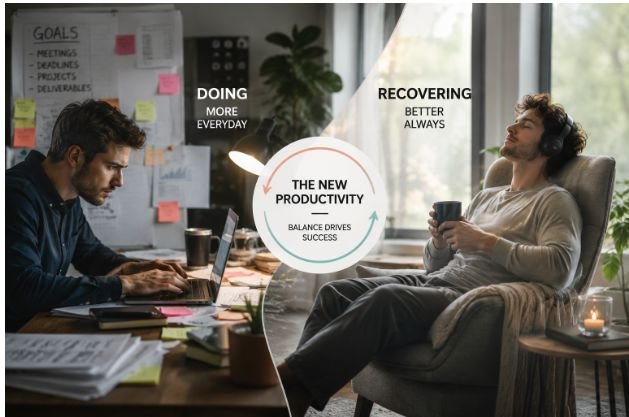

Sitting at my desk with a lukewarm mug of coffee and a mountain of unread messages, finding inner peace used to feel like an impossible dream. Everything shifted when discovering quick mindfulness exercises for busy people turned my chaotic schedule into small pockets of calm. Living a packed life does not mean you have to sacrifice your personal sanity.
Key Takeaways for Instant Daily Balance
- Micro-practices take under two minutes to restore mental clarity.
- Habit-stacking links awareness seamlessly to existing routine chores.
- Sensory grounding stops runaway anxiety instantly.
- Deep breathing triggers immediate physical relaxation.
- Daily consistency matters far more than exercise duration.
Quick Mindfulness Exercises for Busy People Are Necessary
Your brain is not a smartphone charging cable, so stop trying to run twenty mental apps at once on three percent battery! Practicing quick mindfulness exercises for busy people gives your overworked mind a fast reboot without requiring hours of total silence or fancy yoga pants. These simple micro-resets turn high-stress moments into quiet personal victories right when you need them most.
The Power of Micro-Meditations
Micro-meditation techniques allow your brain to rest without disrupting your workflow. Taking brief, thirty-second pauses throughout the day alters how your brain handles incoming pressure. When deadlines stack up, your nervous system often slips into a state of chronic alarm.
Stepping back for just a moment activates your parasympathetic nervous system, lowering your heart rate and soothing mental tension. According to research from Harvard Health, brief relaxation responses lower stress hormones and improve cognitive resilience over time.
Habit Stacking for Natural Awareness

Linking small pauses to existing habits creates effortless daily consistency. Trying to add brand-new routines to an already overwhelming calendar usually leads to frustration. Habit stacking solves this problem by pairing a new micro-practice with something you already do every single day.
You might practice intentional breathing while waiting for your morning coffee to brew or pay close attention to physical sensations while washing your hands. These small moments stack up, creating built-in peaceful pauses throughout your afternoon.
This same habit-stacking approach can also support self-care for stay-at-home moms, making it easier to build restorative pauses into childcare, meal preparation, and household routines.
Dispelling the Thirty-Minute Meditation Myth
Believing you need long quiet sessions often keeps you from starting at all. Many people believe that mindfulness only counts if you sit cross-legged on a cushion for half an hour. That common myth creates an unnecessary barrier for anyone juggling full-time work, family duties, or personal projects.
Studies highlighted by the American Psychological Association demonstrate that frequent, short bursts of present-moment awareness train your brain just as effectively as longer sessions. Small efforts made consistently produce sustainable mental well-being.
How to Practice Quick Mindfulness Exercises for Busy People

Applying these simple micro-habits turns everyday stress triggers into refreshing mental breaks.
Breathing and Grounding Practices
Simple physical focus routines quickly anchor your mind during overwhelming days.
Box Breathing takes just one minute to calm your nervous system. Inhale slowly for four seconds, hold your breath for four seconds, exhale completely for four seconds, and hold empty for four seconds. Repeating this simple box breathing cycle four times lowers your heart rate and restores steady focus.
The 5-4-3-2-1 Method takes two minutes to pull your brain back into the present room. Name five things you can see around you, four things you can physically touch, three things you can hear, two things you can smell, and one thing you can taste. This sensory grounding technique disrupts racing thoughts instantly.
For moments when sensory awareness alone is not enough, combining this exercise with grounding techniques for anxiety and stress relief can help settle racing thoughts and restore a stronger sense of emotional control.
Everyday Actions turned Mindful
Transforming routine daily habits creates built-in moments of true mental relaxation.
Mindful Hand-Washing takes thirty seconds to turn a routine chore into a soothing reset. Feel the warm water running over your hands, smell the fresh soap, and listen to the splashing water instead of rushing through the task. Treating this simple daily action with full attention refreshes your tired mind.
One Mindful Sip takes only fifteen seconds to bring total presence to your busy morning. Pause completely before gulping down your warm coffee or cold water. Notice the exact temperature, the weight of the cup, and the rich taste of a single swallow before returning to your busy day.
Science-Backed Mental Health Benefits
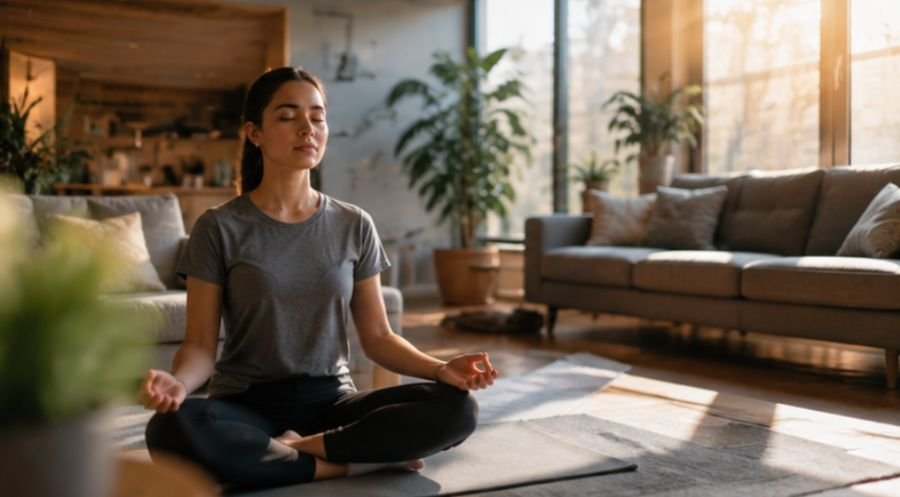
Exploring the physical changes in your body reveals why tiny breaks carry immense restorative power.
Lowering Cortisol and Daily Stress
Shifting your physiological state reduces stress hormones before they cause physical fatigue.
When you race through your day without resting, your body constantly pumps out cortisol, keeping you in an anxious state of high alert. Pausing for just sixty seconds signals safety to your nervous system, allowing elevated blood pressure and racing heart rates to settle naturally. Clinical insights from the Mayo Clinic show that regular relaxation practices reduce muscle tension and protect your long-term cardiovascular health.
Sharpening Focus and Reducing Fatigue
Giving your brain frequent brief breaks restores cognitive energy and sharpens concentration. Multitasking drains your attention reserves, leaving you exhausted by mid-afternoon.
Micro-practices serve as a gentle reboot for your brain, clearing away cognitive fatigue and improving task accuracy. By training your mind to return to the present moment, you boost your productivity while preserving energy for the things you enjoy after work.
Frequently Asked Questions
1. How to practice mindfulness when busy?
Attach short thirty-second pauses to existing daily routines like boiling water or waiting on hold. Focus completely on your breathing or physical surroundings during those brief gaps to stay grounded without adding extra appointments to your packed calendar.
2. What are some quick mindfulness exercises I can do with my group?
Try a one-minute collective silent breathing session before starting big meetings, or guide the team through a fast three-sound listening game. These quick exercises build authentic connection, reduce group stress, and focus collective attention in under two minutes.
3. What is the 5-4-3-2-1 mindfulness activity?
It is a sensory grounding exercise where you intentionally notice five things you see, four you can touch, three you hear, two you smell, and one you taste. This simple technique quickly pulls your focus out of anxious thoughts and back to reality.
4. What are some effective mindfulness exercises for busy professionals?
Box breathing during video calls, mindful walking between conference rooms, and single-tasking email processing are highly effective options. These simple routines regulate your nervous system while keeping your personal productivity steady throughout chaotic workdays.
Micro-Pauses, Mega-Peace: You Have Got This
Embracing brief micro-resets brings lasting peace to your daily routine. Finding inner peace does not require changing your entire schedule or sitting silently on a cushion for hours. Integrating quick mindfulness exercises for busy people into your regular day creates steady balance amidst surrounding noise. Take one deep breath right now and let your shoulders drop. Your journey toward a calmer, more present life starts with this single, simple moment today.