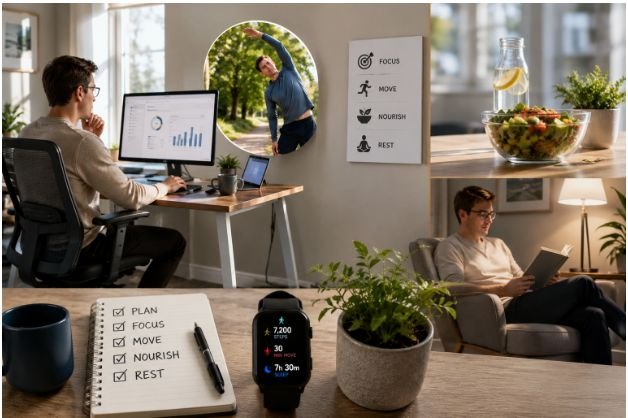
When I first started working remotely, I thought the hardest part would be staying productive. It turned out the real challenge was everything happening around work. My desk became my dining table, lunch breaks disappeared, and I found myself answering emails long after the workday should have ended. It took a while to realize that working from home doesn’t automatically create a healthier lifestyle. It simply gives you more freedom to build one.
I also noticed that the smallest habits had the biggest impact. A short walk before opening my laptop, drinking enough water, or stepping away from the screen for a few minutes made more difference than downloading another productivity app. Those simple routines didn’t just help me focus better. They made remote work feel sustainable instead of exhausting.
Why Healthy Habits Matter More When You Work From Home
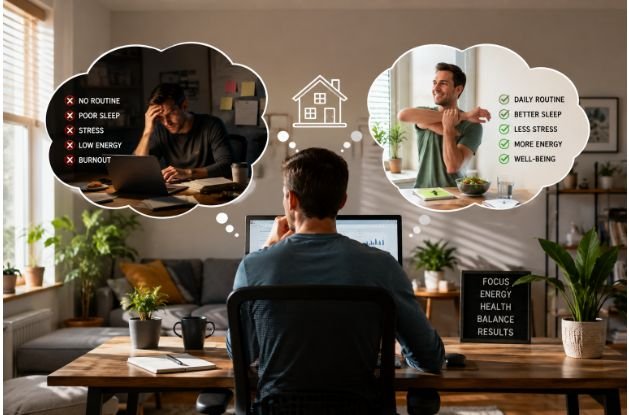
Remote work offers flexibility that many professionals appreciate, but it also removes the natural structure of a traditional office. Walking to meetings, commuting, chatting with coworkers, and taking lunch breaks often disappear without anyone noticing. Over time, those missing moments can affect posture, energy levels, concentration, and mental well-being.
That’s why healthy habits for remote employees aren’t about creating a perfect routine. They’re about replacing the healthy patterns that naturally existed before remote work became part of everyday life.
Create a Workspace That Helps You Stay Comfortable
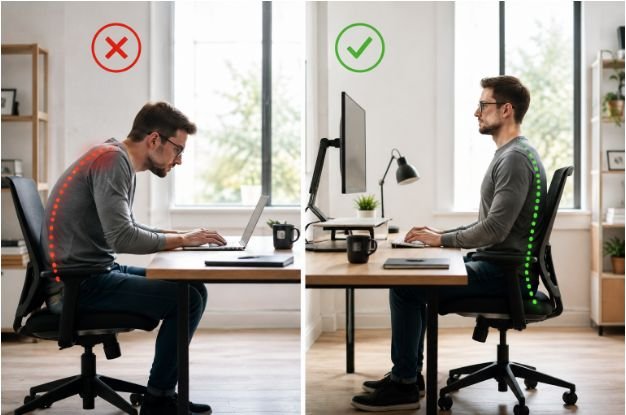
Your environment influences your focus more than you might expect. Sitting on the couch for a few hours may seem convenient, but it often leads to poor posture, neck pain, and constant distractions.
A dedicated workspace creates a mental boundary between work and personal life. It doesn’t need a separate office. Even a small desk in a quiet corner can help your brain recognize when it’s time to focus.
Good ergonomics also matter. Position your monitor at eye level, keep your feet flat on the floor, and allow your elbows to rest comfortably while typing. These adjustments reduce unnecessary strain during long workdays.
If possible, work near natural light. Sunlight supports your circadian rhythm, improves mood, and helps maintain healthier sleep patterns, making it easier to stay energized throughout the day.
Build a Routine Before Work Begins
Many people start their day by opening their laptop within minutes of waking up. While it saves time, it often creates a rushed mindset that lasts for the rest of the day.
Instead, create a short routine before logging in. A quick walk, stretching, reading a few pages of a book, or enjoying breakfast without checking emails can create a healthier transition into work.
Just as importantly, end your workday with another routine. Closing your laptop, changing clothes, or stepping outside for ten minutes helps your brain separate work from personal time. These transition rituals replace the commute many remote employees no longer have.
Protect Your Focus Throughout the Day
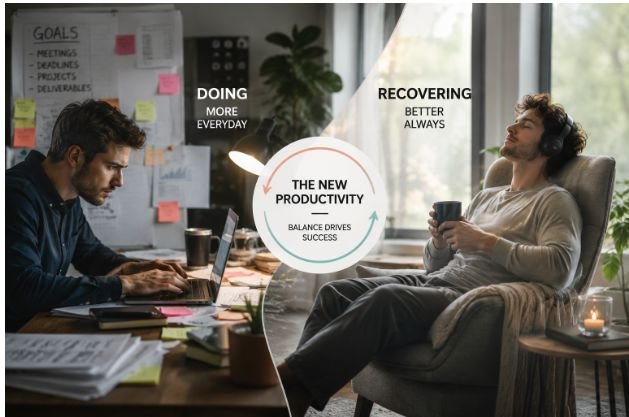
Staying busy isn’t the same as staying productive. Constant notifications, back-to-back meetings, and switching between tasks quickly drain mental energy.
Time-blocking helps by grouping similar tasks together instead of constantly changing focus. Many remote employees also find the Pomodoro Technique useful because it alternates periods of focused work with short breaks.
Eye health deserves attention as well. Following the 20-20-20 rule by looking at something about 20 feet away for 20 seconds every 20 minutes helps reduce digital eye strain during long hours in front of a screen.
Small breaks often improve concentration more than pushing through fatigue.
Keep Your Body Moving
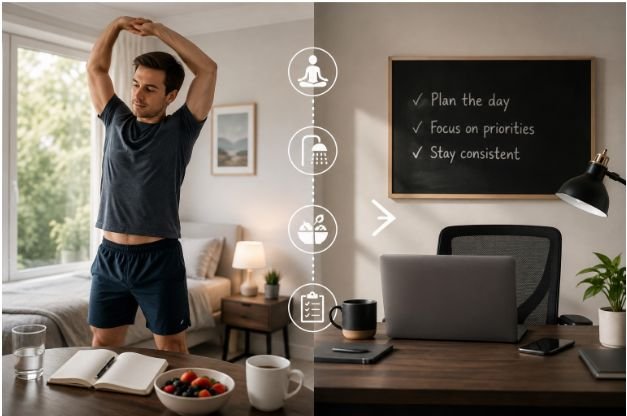
One of the biggest differences between office work and remote work is movement. Without realizing it, many people spend hours sitting in the same position.
You don’t need a long workout during the middle of the day to stay healthy. Standing for a few minutes every hour, walking while taking phone calls, or doing simple stretches between meetings improves circulation and reduces stiffness.
Regular movement also supports better concentration. A short walk can refresh your mind far more effectively than another cup of coffee.
Eat and Drink With More Intention
Working from home makes it easy to skip meals or snack constantly. Neither habit supports steady energy.
Keeping water nearby encourages regular hydration, while preparing balanced meals with lean protein, whole grains, fruit, vegetables, and healthy fats helps prevent the afternoon energy slump. Healthy snacks like nuts, yogurt, or fresh fruit are convenient options when hunger strikes between meetings.
The goal isn’t eating perfectly. It’s choosing foods that help you feel consistent instead of relying on sugar or caffeine for quick bursts of energy. Healthy Living Beyond Diet also means building sustainable habits such as staying active, managing stress, getting enough sleep, and making mindful food choices that support long-term well-being.
Don’t Let Remote Work Become Isolating
Working independently has benefits, but spending too much time alone can affect motivation and emotional well-being.
Scheduling occasional video chats that aren’t focused entirely on projects helps recreate the casual conversations people naturally had in an office. Even a quick check-in with a colleague or a walk with a friend after work can make a noticeable difference.
Strong social connections support mental health just as much as healthy eating or regular exercise.
Healthy Habits Grow Through Consistency
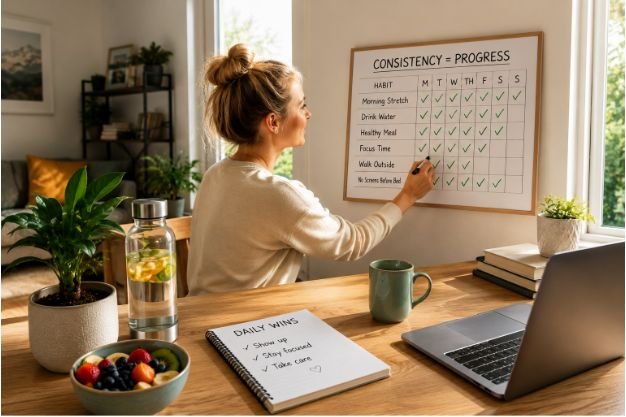
Many people believe they need a complete lifestyle reset to improve their work-from-home routine. In reality, lasting habits usually begin with small actions repeated consistently.
Instead of changing everything at once, focus on one or two improvements until they become automatic. A better workspace, regular movement, or fixed working hours may seem simple, but together they create a healthier, more balanced way of working.
FAQs: Healthy Habits for Remote Employees to Stay Focused and Feel Better
What are the most important healthy habits for remote employees?
A consistent schedule, regular movement, healthy meals, hydration, good posture, and screen breaks create a strong foundation for productive remote work.
How often should remote employees take breaks?
Short breaks every hour and following the 20-20-20 rule for eye health help reduce fatigue while improving focus throughout the day.
Can a home workspace really affect productivity?
Yes. An ergonomic setup, fewer distractions, and natural light make it easier to concentrate while reducing physical discomfort during long work sessions.
How can remote employees avoid burnout?
Set clear working hours, disconnect after work, stay socially connected, move regularly, and avoid working continuously without meaningful breaks.
Small Changes Often Outlast Big Resolutions
The healthiest remote work routines rarely happen overnight. They grow from everyday decisions that feel manageable enough to repeat tomorrow. Whether it’s stepping away from the screen for a few minutes, starting the morning with intention, or creating a workspace that supports your body, those small choices quietly shape better workdays over time.
Remote work gives you flexibility. The habits you build determine whether that flexibility becomes your greatest advantage.