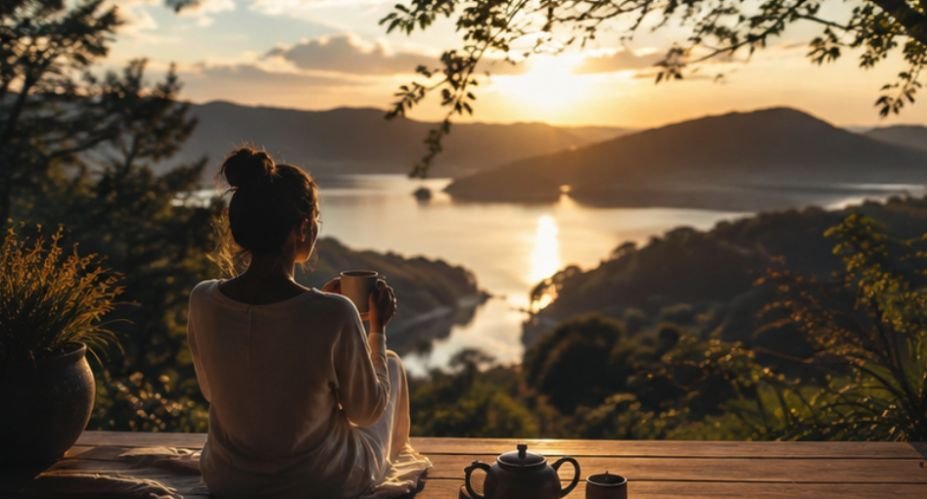
Stepping off the high-speed treadmill of daily busyness felt terrifying at first, but unlocking the true benefits of slow living in modern society completely transformed my daily health and sanity. We live in a world that treats constant hustle like a shiny badge of honor. We run on caffeine, chase endless deadlines, and scroll through screens late into the night. It leaves us feeling drained, disconnected, and perpetually exhausted.
Slow living is not about throwing away your smartphone or moving to an isolated cabin. It is a conscious choice to do things at the right speed so you can actually enjoy your life. When you slow down, you give your mind and body room to breathe. You start making space for what truly matters instead of reacting to every single notification on your device.
Key Takeaways
- Slow living reduces chronic stress by lowering cortisol levels and calming your nervous system.
- Unplugging restores focus, boosts creative output, and prevents severe daily burnout.
- Doing less deepens personal relationships and creates meaningful time for your passions.
- Embracing slowness improves physical health, aiding sleep quality, digestion, and heart health.
- Small intentional habits protect your mental boundaries without requiring you to quit your job.
Mindful Ways Slowness Unlocks Psychological Strength
Living in a constant rush forces your mind into a permanent state of high alert, draining your mental reserves and dulling your daily focus.
Overcoming Chronic Burnout
Resisting the urge to react to every urgent demand allows your nervous system to reset naturally. When you stop sprinting through your day, elevated cortisol levels drop, relieving the constant pressure on your mind. This intentional pause shields you from emotional exhaustion and keeps your mental health grounded for the long run.
Expanding Your Experience of Time
Rushing through life on autopilot compresses your memories, making years feel like brief blinks. Mindfulness stretches your perception of time by anchoring your focus firmly in the present moment. By fully experiencing each hour, your days feel richer, longer, and filled with memorable detail instead of blurring together.
Sharpening Focus and Creative Flow
Bouncing between multiple tasks fragments your attention span and clutters your thinking. Single-tasking allows your brain to process information deeply, improving short-term memory and sharp problem-solving skills.
Practicing quick mindfulness exercises for busy people between focused work sessions can calm mental overload and restore attention.
Creating unstructured pauses gives your mind the whitespace it needs for fresh, innovative ideas to surface effortlessly.
Surprising Ways Pacing Improves Physical Health
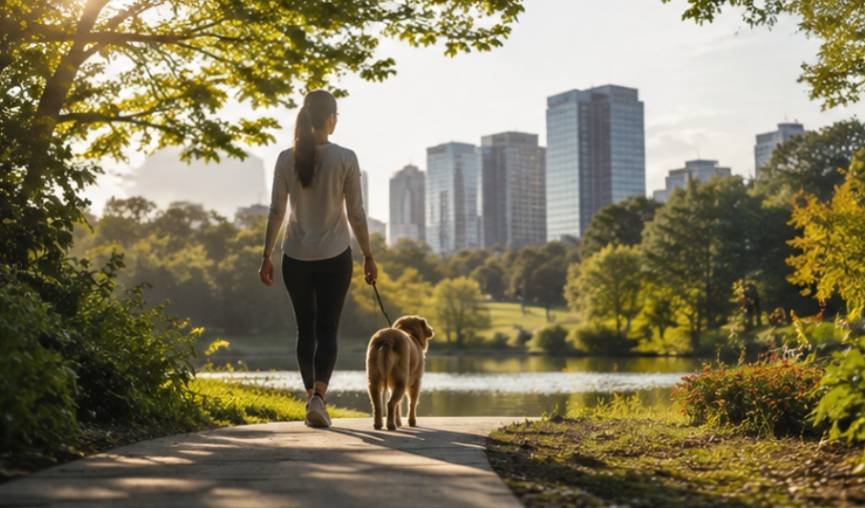
Your physical body pays a heavy price for constant hurry, but slowing your daily pace works wonders for your vital organs.
Supporting Heart Health and Blood Pressure
Consciously slowing down your breath and physical pacing directly calms your autonomic nervous system. This mindful shift lowers your resting heart rate and reduces elevated blood pressure naturally. Over time, giving your body these quiet moments protects your cardiovascular system from the cumulative damage of chronic daily stress.
Unlocking Deep Restorative Sleep
Distancing yourself from digital pings and frantic energy before bed sets the stage for genuine rest. Quieting your racing thoughts allows your body to transition smoothly into deep, uninterrupted sleep cycles. You wake up feeling truly restored, energized, and physically prepared to handle demanding days ahead.
Optimizing Digestion and Immune Defense
Gulping down meals while multitasking causes stress-induced gastrointestinal issues that disrupt nutrient absorption. Mindful eating patterns give your digestive system the space it needs to function smoothly without strain. Furthermore, minimizing physical exhaustion preserves your immune system, ensuring your body maintains a robust defense against everyday illnesses.
Building Stronger Connections and Sustainable Habits

Slowness creates a powerful ripple effect that enriches your personal relationships while protecting the surrounding environment.
Nurturing Authentic Relationships
Offering your undivided attention to the people around you transforms ordinary interactions into deep bonds. Active listening allows you to connect empathetically without the distraction of looming schedules or pending tasks. These meaningful exchanges build trust, strengthen family ties, and foster a warm sense of community belonging.
Embracing Intentional Consumption
Aligning your daily choices with slow fashion and minimalism significantly cuts down on household waste. By pausing before buying unnecessary items, you ease personal financial strain while treading lighter on the planet. Intentional consumption ensures you spend your time and resources only on things that add real value to your life.
Benefits of Slow Living in Modern Society: Practical Daily Steps
Applying the benefits of slow living in modern society requires simple, practical steps that fit seamlessly into your existing daily routine.
First, transform your morning by keeping your phone away for the first twenty minutes after waking up. Use this quiet buffer to sip water, stretch gently, or enjoy the sunrise before checking emails. This peaceful start protects your mental space from feeling instantly hijacked by external demands.
Second, practice dedicated single-tasking during your daily work hours instead of juggling multiple projects at once. Pick one core priority, close extra browser tabs, and work with full focus for forty-five minutes at a time. You can outbound link to structured resources like Mindful to learn guided breathing techniques that keep you centered during busy work sessions.
Third, establish clear digital boundaries each evening to give your mind a break from constant screen stimuli. Set a digital curfew two hours before sleep, silence non-essential notifications, and replace late-night scrolling with reading or relaxed conversation. Protecting your evenings allows your body to unwind naturally and prepare for deep rest.
Finally, guard your personal calendar by learning to say a polite, firm no to non-essential commitments. Curating your schedule ensures you reserve energy for true priorities, meaningful hobbies, and essential rest without feeling guilty.
Frequently Asked Questions
1. What are the benefits of living a slow life?
Living a slow life lowers cortisol levels, prevents mental burnout, improves sleep quality, and deepens personal relationships. It gives you the mental clarity needed to enjoy daily moments with genuine gratitude and focus.
2. Where is the most laid back place to live?
Coastal towns, rural mountain communities, and countries that prioritize work-life balance like Costa Rica, Portugal, or Denmark offer relaxed environments where communities naturally practice an unhurried, peaceful lifestyle.
3. What are the benefits of living in a modern society?
Modern society provides advanced medical care, rapid transportation, convenient technology, and broad access to information, which collectively keep us safe, comfortable, and seamlessly connected across the world.
4. What are the benefits of moving slowly?
Moving slowly lowers your heart rate, reduces muscle tension, prevents accidental physical injuries, and gives your mind the time required to process complex emotions effectively throughout busy days.
5. How do I start practicing slowness at work?
Start by blocking dedicated time for single-tasking, taking short screen-free breaks between meetings, setting firm end-of-day boundaries, and turning off desktop notifications during deep focus hours.
Stop Rushing, Start Living, and Win at Life
Unlocking the benefits of slow living in modern society is the ultimate cheat code for a healthier, happier life. You do not need to move to a quiet remote island to find peace; you simply need to make small, intentional choices right where you are. Take a deep breath, slow down your pace today, and reclaim the joy you truly deserve.
Leave a Reply