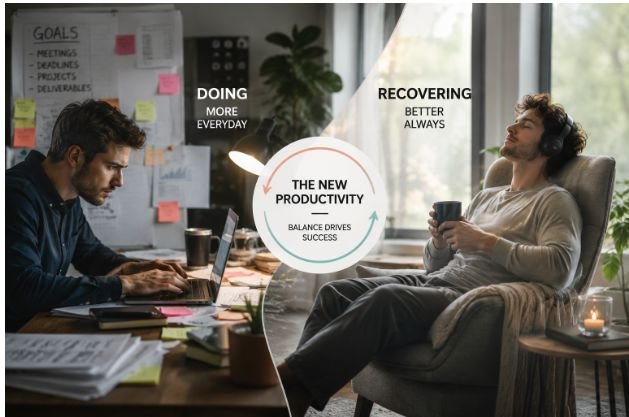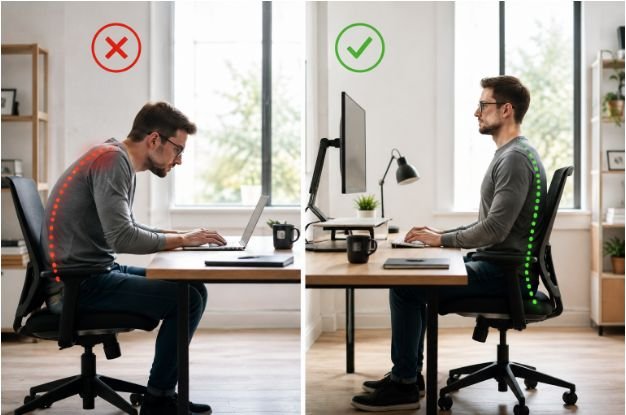
When I became a full-time caregiver, I learned that being home did not automatically create time to rest. That is why self-care for stay-at-home moms is not an indulgence. It protects the energy, patience, and steadiness that caregiving requires.
Long-term stress and inadequate sleep can affect mood, attention, and emotional regulation. The National Heart, Lung, and Blood Institute also links sleep deficiency with depression and other health concerns. Self-care cannot replace treatment, but consistent habits can reduce strain.
How Can a Stay-at-Home Mom Practice Self-Care in Under 10 Minutes?
I begin with micro-self-care because waiting for an uninterrupted afternoon rarely works. When possible, I wake 15 minutes before the children to drink hot coffee, pray, journal, or sit quietly. After a difficult night, I choose extra sleep instead.
I turn off social media notifications for one hour daily to reduce comparison and sensory overload. When the house feels noisy, I step outside and take five slow belly breaths.
I also keep an oversized water bottle in one place and prepare an easy, nutrient-dense snack before I become exhausted. Basic needs often help more than an elaborate wellness routine.
Which Daily Boundaries Help Prevent Mom Burnout?

Full-time parenting has no natural clock-out time, so I create my own boundaries. A flexible quiet hour gives everyone a reset. Younger children may nap, while older children can read, draw, build, or play quietly. I aim for a calmer rhythm, not perfect silence.
Changing out of pajamas also marks the start of my day. Comfortable daytime clothes help me feel mentally awake.
At night, I lower unrealistic housekeeping standards. Dishes do not always need to be washed at midnight. I work backward from bedtime, start the family routine earlier, and protect time for a shower, reading, stretching, or conversation. CDC guidance notes that most adults need at least seven hours of quality sleep, although parents of babies may need to pursue rest in shorter windows.
How Can I Restore My Identity Without Leaving Home?
I claim a small physical space that belongs to me, even if it is only a chair or shelf. I keep a favorite book, journal, candle, blanket, or craft there.
During chores, I listen to non-parenting podcasts, audiobooks, or music through one earbud when it is safe. I may also stream a free 20-minute yoga or home workout while the children play nearby, while maintaining healthy screen time habits for the whole family.
I encourage age-appropriate independent play too. Children do not need me to remove every moment of boredom. Safe independent play gives them room to create while giving me a brief chance to sit down.
How Do I Ask My Partner or Family for Real Help?
“Help more” is vague, so I make specific requests. When a partner is available, I create a predictable handoff after work or during a weekend window. During that time, the other adult takes full childcare responsibility.
I may also ask someone to own bath time, school lunches, grocery pickup, or bedtime from planning through completion. Sharing the mental load means another person notices and manages the task.
When support is reliable, I schedule a two-hour adult outlet each week. It might be a hobby, class, library visit, walk, faith gathering, coffee alone, or quiet grocery trip. Experienced mothers often emphasize that consistent weekly time away works better than waiting for a rare perfect break.
What If I Have Little or No Support System?
Advice centered on babysitters and partner handoffs does not work for every mother. When support is limited, I remove demands. I repeat simple meals, use grocery pickup when affordable, reduce optional commitments, and let nonessential housework wait.
I also fight stay-at-home isolation through text check-ins, playground meetups, library programs, community centers, parent groups, or neighborhood walks.
When Is Self-Care Not Enough for an Overwhelmed Mom?
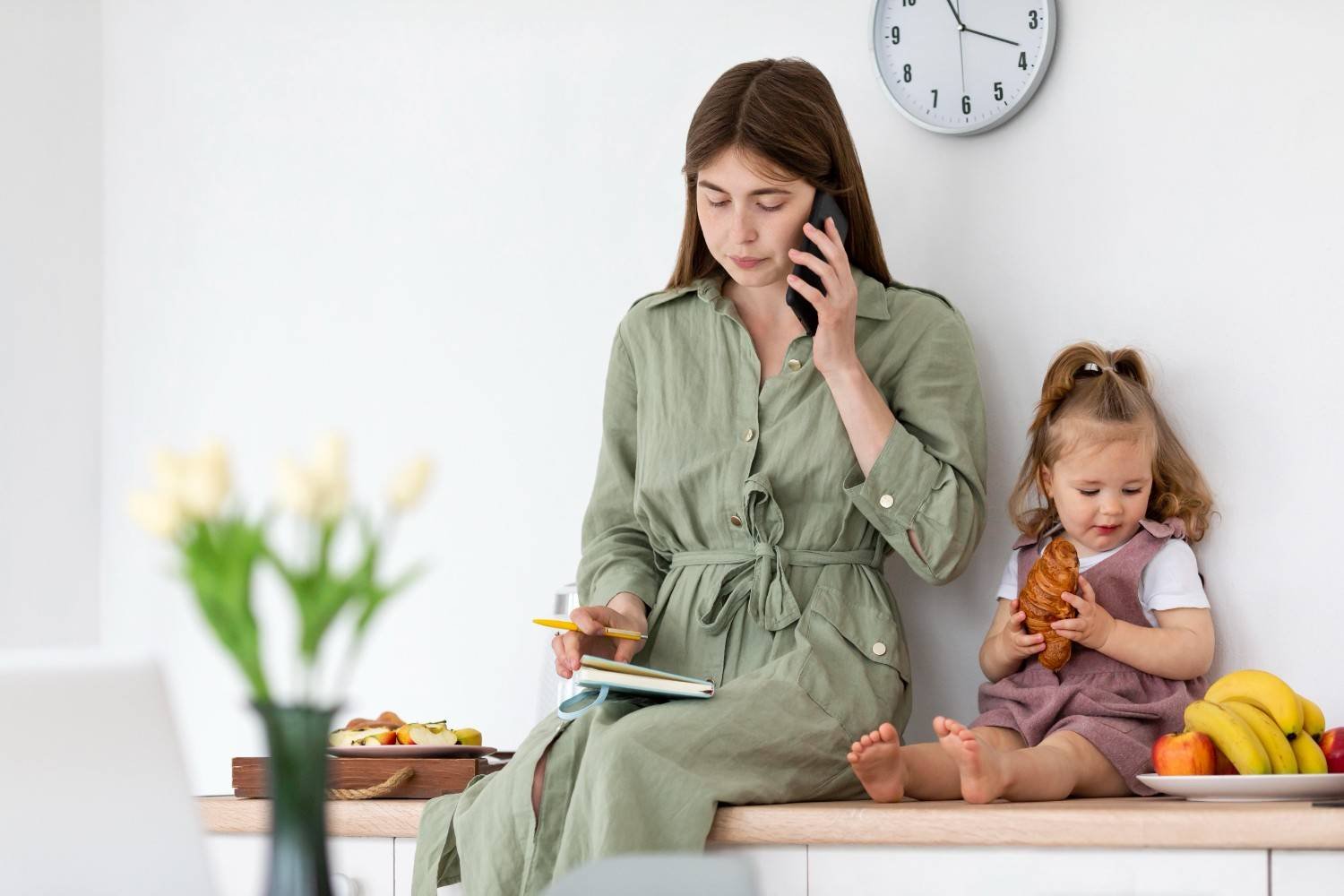
I pay attention when exhaustion becomes persistent hopelessness, severe anxiety, frequent rage, emotional numbness, ongoing sleep problems, or difficulty completing ordinary tasks. The CDC advises seeking professional support when a low mood lasts two weeks or longer and disrupts daily functioning. ACOG also identifies lack of support and stressful life events as risk factors for postpartum depression.
A primary care doctor, OB-GYN, or licensed mental health professional can help determine what support is appropriate.
Frequently Asked Questions (FAQs)
1. What Is the Best Self-Care for Stay-at-Home Moms With No Free Time?
Start with one repeatable action connected to an existing moment, such as drinking water after breakfast, breathing outside during quiet play, or taking ten screen-free minutes after bedtime.
2. How Do I Stop Feeling Guilty About Taking a Break?
I remind myself that rest supports caregiving rather than competing with it. Children also learn from watching adults communicate needs, accept help, and set healthy limits.
3. Should I Wake Up Before My Children for Alone Time?
Only when the extra quiet will not worsen sleep deprivation. Sleeping longer may be healthier after frequent nighttime waking.
4. How Can I Make a Self-Care Routine Flexible?
I choose one morning habit, one midday reset, and one evening boundary, then adjust the timing when naps, appointments, illness, or school schedules change.
A More Sustainable Way to Care for Myself
I no longer wait for a spotless house or a weekend away before meeting my needs. I use micro-breaks, protect sleep, lower unnecessary standards, encourage independent play, ask for specific support, and maintain interests that remind me who I am.
Real self-care is not about escaping motherhood. It is about building enough rest, nourishment, structure, connection, and personal space to remain present in my own life while caring for the people I love.