I never used to think much about how often I looked at a screen. It started with checking emails in the morning, replying to messages during lunch, scrolling through social media in the evening, and ending the day with one more video before bed. It didn’t feel excessive because every screen had a purpose. Still, I noticed I was finishing the day with tired eyes, a wandering mind, and less energy than I expected.
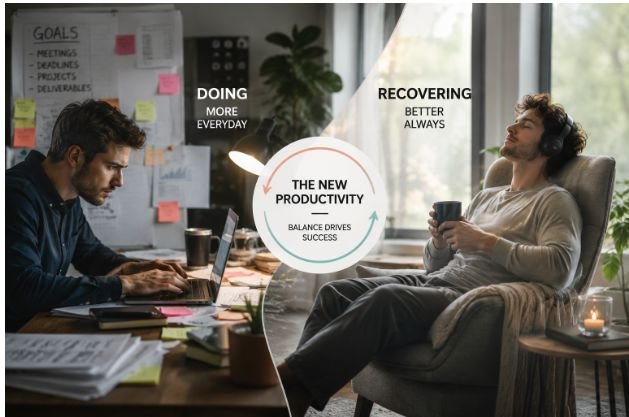
After making a few small changes, I realized the solution wasn’t giving up technology. It was learning how to use it more intentionally. That’s why healthy screen time habits have become such an important part of everyday life. They’re not about limiting productivity or avoiding devices. They’re about creating enough space for your eyes, your brain, and your body to recover throughout the day.
Why Digital Fatigue Feels More Common Today

Most people don’t spend hours looking at a single screen anymore. They move between laptops, phones, tablets, televisions, and smartwatches without much thought. By the end of the day, that constant switching demands more mental energy than many people realize.
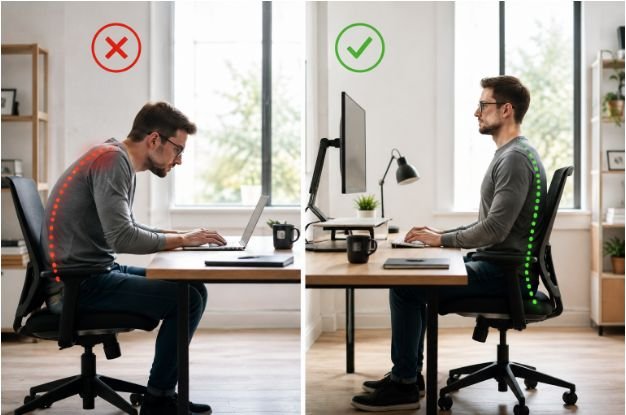
Digital fatigue goes beyond tired eyes. It can make it harder to concentrate, increase mental exhaustion, interrupt sleep, and even affect posture. While technology makes everyday tasks easier, uninterrupted screen time rarely gives the brain a chance to reset.
The good news is that improving digital wellness doesn’t require dramatic lifestyle changes. Small, consistent habits often make the biggest difference.
Give Your Eyes Regular Breaks
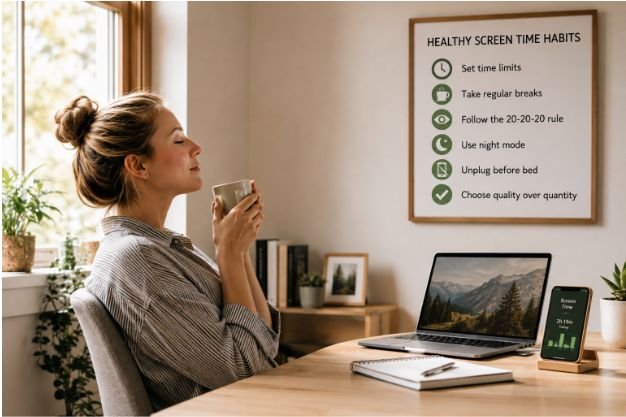
One of the simplest ways to reduce eye strain is by following the 20-20-20 rule. Every 20 minutes, look at something about 20 feet away for at least 20 seconds. That short pause allows your eye muscles to relax after focusing on nearby screens.
Another helpful habit is stepping away from your device after every 50 minutes of focused work. Even a brief walk, stretching for a few minutes, or getting a glass of water helps reduce physical tension while giving your mind a chance to recover.
These breaks often improve focus when you return instead of slowing you down.
Stop Letting Notifications Control Your Attention
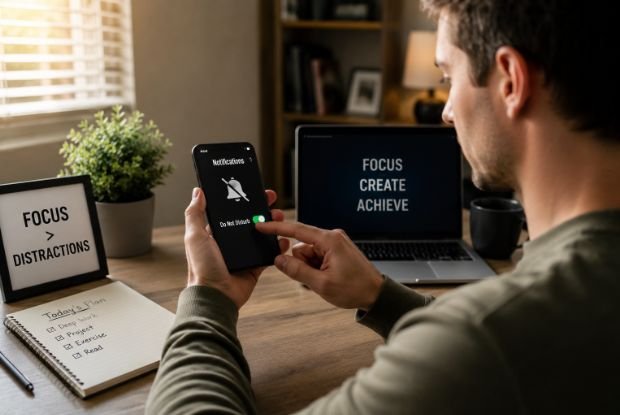
Notifications are designed to pull attention away from whatever you’re doing. Even if you don’t immediately respond, your brain still registers the interruption.
Turning off nonessential alerts creates longer periods of uninterrupted focus. Many people find they complete work more efficiently when they decide when to check messages instead of reacting every time a notification appears.
Checking emails and messaging apps at scheduled times also helps reduce the feeling of constantly being “on.”
Create Places Where Screens Don’t Belong
Healthy screen time habits become easier when your environment supports them.
Keeping phones away from the dining table encourages better conversations during meals. Leaving devices outside the bedroom helps create a stronger connection between bedtime and sleep instead of endless scrolling.
These physical boundaries gradually become automatic. Instead of relying on willpower every evening, your environment starts guiding your routine naturally.
Replace Screen Time Instead of Simply Reducing It

Many people struggle with digital detox because they focus only on what they’re giving up.
A better approach is replacing screen time with activities that feel equally rewarding. Going for a walk, reading a physical book, cooking, exercising, or meeting friends gives your brain different types of stimulation while reducing mental overload.
This is especially helpful for people working from home. Building healthy habits for remote employees often starts with finding simple offline activities that naturally fit between meetings and work sessions rather than reaching for another screen.
Protect Your Sleep From Evening Screen Use
The last hour before bed often determines how well you sleep.
Bright screens and constant digital stimulation can make it harder for the brain to prepare for rest. Setting a screen cutoff 30 to 60 minutes before bedtime gives your body more time to relax naturally.
Many people replace evening scrolling with quieter activities like light stretching, journaling, or reading. These routines create a calmer transition into sleep while helping reduce next-day fatigue.
Healthy Screen Time Is About Balance

Technology isn’t the problem. The challenge is using it without allowing it to fill every quiet moment of the day.
Whether you’re working, studying, or relaxing, regular breaks, intentional boundaries, and mindful screen use help protect both mental focus and physical comfort. These habits don’t require expensive tools or complicated routines. They simply encourage using technology with greater awareness.
Over time, those small adjustments often improve productivity just as much as they improve overall well-being.
FAQs: How Healthy Screen Time Habits Can Reduce Digital Fatigue
What are healthy screen time habits?
Healthy screen time habits include taking regular breaks, limiting unnecessary screen use, reducing notifications, creating tech-free spaces, and avoiding screens before bed to support better eye health and mental focus.
Does the 20-20-20 rule really help?
Yes. Looking at something about 20 feet away for 20 seconds every 20 minutes helps relax the eye muscles and may reduce discomfort caused by prolonged close-up screen use.
How can I reduce digital fatigue while working?
Schedule short breaks throughout the day, adjust screen brightness, maintain good posture, silence unnecessary notifications, and alternate screen tasks with offline activities whenever possible.
Should I completely avoid screens before bed?
Not necessarily. Reducing screen use 30 to 60 minutes before sleeping is often enough to help your brain unwind, making it easier to fall asleep and wake up feeling more refreshed.
Better Days Often Begin With Smaller Digital Choices
Healthy screen time habits aren’t about spending less time with technology for the sake of it. They’re about making technology work for you instead of demanding your attention every minute. Simple routines like taking eye breaks, protecting your sleep, and creating screen-free moments can make everyday life feel noticeably lighter without changing your entire schedule.
The smallest pause from a screen can sometimes be the biggest reset your mind needs.