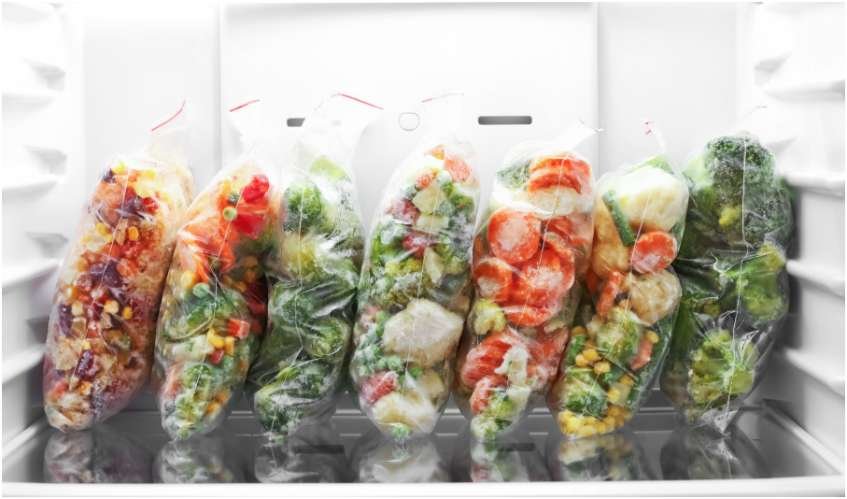
Frozen vegetables should not taste watery, limp, or like a last-minute compromise. When I explain how to make frozen vegetables taste good and healthy, I start with the real problem: surface moisture.
My method is “dry first, flavor second.” Use enough heat and space to remove moisture quickly. Then finish with acid, herbs, or a small savory boost. This creates better texture without heavy cream sauces or excessive butter.
Frozen produce can also be nutritionally comparable with fresh produce. Studies comparing fresh and frozen fruits and vegetables found similar levels of many vitamins, minerals, fiber, and phenolic compounds.
The FDA also states that freezing causes little nutrient change when food is stored and handled correctly.
The Quick Answer
The simplest way to make frozen vegetables taste good and healthy is to cook them straight from frozen. Roast, air-fry, or sauté them with a light coating of oil. Avoid crowding, keep wet sauces until the end, and stop cooking once the vegetables are tender and browned.
Use this table whenever you need a quick answer for how to make frozen vegetables taste good and healthy without guessing at the method.
| Vegetable | Best method | Heat | Approximate time | Healthy finish |
| Broccoli or cauliflower | Roast | 425°F | 18–24 minutes | Lemon and Parmesan |
| Green beans | Air-fry | 400°F | 10–14 minutes | Garlic and balsamic |
| Mixed vegetables | Sauté | Medium-high | 8–12 minutes | Lime and chili flakes |
| Corn or peas | Sauté | Medium-high | 6–9 minutes | Paprika and herbs |
| Spinach | Microwave or sauté | Medium | 4–7 minutes | Garlic and lemon |
Cooking times vary by appliance, vegetable size, and package directions.
Why Frozen Vegetables Become Soggy
Ice crystals melt as frozen vegetables heat. If the pan is cool or crowded, that water cannot escape quickly. The vegetables steam instead of developing browned edges. Freezing can also soften plant tissue, which makes moisture control especially important during cooking.
rarely recommend thawing broccoli, cauliflower, carrots, green beans, or stir-fry blends before cooking. Frozen spinach is an exception when a recipe requires squeezing out liquid.
The Best Cooking Methods for Crisp Frozen Vegetables
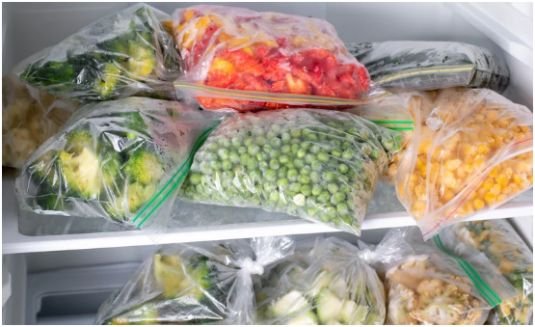
Choosing how to make frozen vegetables taste good and healthy depends on their size and water content. Large florets tolerate longer roasting. Smaller pieces cook faster in a skillet.
Oven roasting
Preheat the oven and an empty sheet pan to 425°F. Toss a 12-ounce bag of frozen vegetables with about two teaspoons of olive oil and dry seasoning. Spread everything in one layer.
Roast until the edges brown, turning once. The hot sheet pan starts evaporation quickly, while the open space prevents trapped steam.
Roasting, searing, and sautéing can bring out natural flavors and reduce the amount of salt needed at the table. g
Air-fry broccoli, cauliflower, Brussels sprouts, carrots, or green beans at 400°F for about 10–15 minutes. Shake the basket once during cooking.
Do not pack the basket tightly. Two smaller batches usually produce better texture than one crowded batch.
Sautéing and stir-frying
Heat a wide skillet before adding oil. Add the frozen vegetables and leave them undisturbed for about two minutes. Stir when the first side begins to color.
Keep the skillet uncovered so steam can escape. Add soy sauce, broth, or bottled sauce only after most visible water has evaporated.
Microwaving and steaming
Microwaving will not create roasted edges, but it is quick. Research comparing cooking methods found that microwaving often retained nutrients better than prolonged boiling. Steaming also performed well for several vegetables. no extra water. Stop when the vegetables are just tender, drain excess liquid, and season immediately.
Always follow the package directions. The FDA advises consumers to follow cooking instructions on commercially frozen foods to help ensure safety.
How to Season Frozen Vegetables Without Making Them Unhealthy
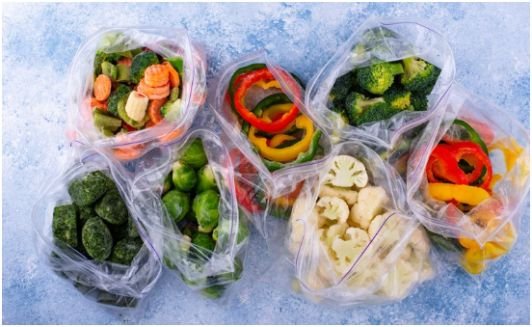
The best answer to how to make frozen vegetables taste good and healthy is not removing flavor. It is concentrating flavor so a small amount does more work.
Add dry spices before cooking
Garlic powder, onion powder, smoked paprika, cumin, curry powder, oregano, black pepper, and chili flakes work well with a thin oil coating.
For frost-heavy vegetables, I save most of the salt for the end. This gives me better control after the vegetables shrink and any salty sauce is added.
Try these simple combinations:
Broccoli works well with garlic powder, black pepper, and lemon.
Corn tastes sweeter with smoked paprika, cumin, and lime.
Green beans pair well with garlic, balsamic vinegar, and toasted almonds.
Cauliflower handles curry powder, turmeric, pepper, and lemon.
Add brightness and umami after cooking
Finish the vegetables with lemon, lime, balsamic vinegar, fresh herbs, citrus zest, ginger, nutritional yeast, or a light Parmesan dusting.
The American Heart Association recommends choosing frozen vegetables without salty sauces. It also suggests herbs, spices, onions, garlic, citrus, and vinegar as alternatives to excessive salt. Compare nutrition labels when using soy sauce, miso, chili crisp, teriyaki sauce, or bottled dressing.
These ingredients can add flavor quickly, but their sodium levels can vary widely between brands.
For a more complete meal, combine the vegetables with beans, lentils, tofu, fish, chicken, or ideas from High-protein breakfast ideas without eggs or protein powder.
My 1-1-1 Flavor Formula
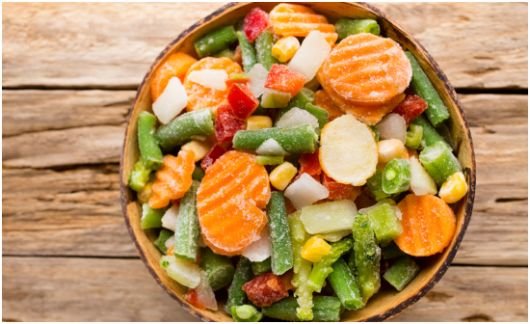
This is the shortcut I use when planning how to make frozen vegetables taste good and healthy:
Choose one dry seasoning, one high-heat cooking method, and one bright finishing ingredient.
For one 12-ounce bag of broccoli, add garlic powder, roast it at 425°F, and finish it with lemon juice. Add one tablespoon of grated Parmesan only when it needs more savoriness.
For green beans, use black pepper, an air fryer, and balsamic vinegar.
For corn, use smoked paprika, a hot skillet, and lime juice.
This formula keeps the process flexible. It also prevents every vegetable from tasting like the same bottled sauce.
Mistakes That Flatten the Flavor
Learning how to make frozen vegetables taste good and healthy becomes easier when you avoid four common errors: thawing most vegetables, crowding the pan, covering the skillet, and adding wet sauce too early.
Boiling works for soups, but it rarely creates a crisp side dish. Longer boiling can also allow water-soluble nutrients to move into the cooking liquid. When boiling is necessary, use less water and keep the liquid in the finished recipe when practical. vegetables onto a cold sheet pan. The vegetables begin releasing moisture before the pan becomes hot enough to encourage browning.
Do not keep stirring skillet vegetables. Constant movement reduces their contact with the hot surface.
Choose plain frozen vegetables whenever possible. USDA MyPlate notes that sauces and seasonings may add fat and calories. The American Heart Association also recommends comparing sodium and choosing frozen vegetables without salty sauces.
Frequently Asked Questions
1. How do I make frozen vegetables crispy without an air fryer?
Roast them from frozen on a preheated sheet pan at 425°F, leaving space between each piece.
2. Should frozen vegetables be thawed before cooking?
Usually not; cook them frozen for roasting or sautéing, but thaw and squeeze spinach for low-moisture recipes.
3. What healthy seasonings work best?
Try garlic, paprika, herbs, pepper, lemon, vinegar, ginger, or a salt-free seasoning blend.
4. How to make frozen vegetables taste good and healthy for kids?
Roast them until lightly browned, then add mild Parmesan, lemon, or a yogurt-based dip.
Your Freezer Vegetables Deserve Better
From comparing the cooking methods and nutrition evidence, I keep one rule: remove moisture before adding wet flavor.
Pick one plain bag tonight. Add one dry spice, cook it with high heat, and finish it with something bright. That is how to make frozen vegetables taste good and healthy without serving a bowl of sad, soggy peas.