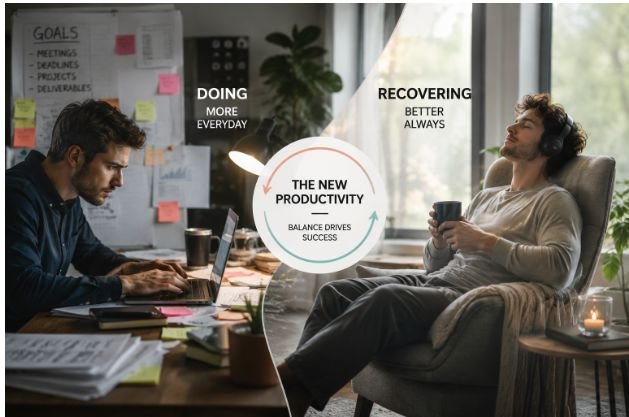

Public service can be meaningful, but strict procedures, heavy caseloads, long commutes, and shifting priorities can drain my energy. I need a self-care routine for federal employees that protects my health without weakening my commitment to the mission.
The best approach combines personal habits with federal wellness resources. I cannot fix understaffing with breathing exercises, but I can set boundaries, use agency benefits, and recover intentionally.
How Can Federal Employees Use Their Wellness Benefits?
I first check what my agency provides. A federal Employee Assistance Program generally offers free, confidential assessments, short-term counseling, referrals, and follow-up support. Depending on the provider, it may also include financial coaching or legal and financial referrals. OPM confirms that employees do not pay for services delivered directly through an agency EAP.
Federal Occupational Health provides behavioral health and work-life services to participating agencies. Its EAP operates 24 hours a day, 365 days a year and offers counseling, assessments, referrals, coaching, and resilience support. I verify access through my agency intranet or HR office.
I also ask HR about transit subsidies, fitness discounts, health screenings, wellness programs, and ergonomic services. Benefits vary by agency and location.
Can an Alternative Work Schedule Improve Work-Life Balance?

When my position allows it, I ask whether an Alternative Work Schedule fits mission needs. A 4/10 schedule uses four 10-hour days each week. A 5/4/9 plan generally includes eight 9-hour days, one 8-hour day, and one regular day off per pay period.
Approval depends on agency rules, staffing, bargaining agreements, job duties, and management authorization.
A predictable day off can support appointments, caregiving, and recovery. Because longer shifts may increase fatigue, I consider my commute, sleep, and family responsibilities before requesting one.
What Should I Do Before Starting Federal Work?
I spend five quiet minutes breathing, stretching, praying, or journaling before checking email. This mindful morning helps me begin deliberately instead of immediately reacting to messages and workplace demands.
I drink water, eat breakfast, and pack a nutritious meal when possible. Preparing clothes, credentials, food, and commuting essentials the night before reduces decision fatigue and return-to-office stress.
Choosing how to choose whole grain bread at the store can make packed breakfasts and lunches more filling and practical. I look for whole grain listed first, check fiber content, and pair the bread with protein to support steadier energy during long workdays.
I also choose one intention for the day, such as staying patient, communicating clearly, or focusing on what I can control.
How Can Government Workers Set Better Boundaries?
My first boundary is mental. I separate my identity from systemic problems I cannot solve alone. I can document concerns, recommend solutions, follow the chain of command, and complete my work without carrying every agency issue home.
At the beginning of my shift, I identify three realistic priorities. When deadlines conflict, I ask my supervisor which assignment should come first rather than silently accepting an impossible workload.
I also enforce a digital sunset. Unless my role requires after-hours availability, I log out of government systems and silence work devices when my shift ends. I record unfinished work and identify tomorrow’s first task before shutting down.
How Often Should Federal Employees Take Micro-Breaks?

For desk-based work, I pause or change position every 60 to 90 minutes when my duties permit. A two-minute stretch, short walk, or water refill can reduce continuous screen exposure.
OSHA recommends regular micro-pauses and suggests taking five minutes away from computer tasks each hour.
I also protect my designated lunch break whenever operations allow. Eating away from my desk, walking briefly, or sitting outdoors creates a physical boundary between work and recovery.
How Can I Create a Healthier Federal Workstation?
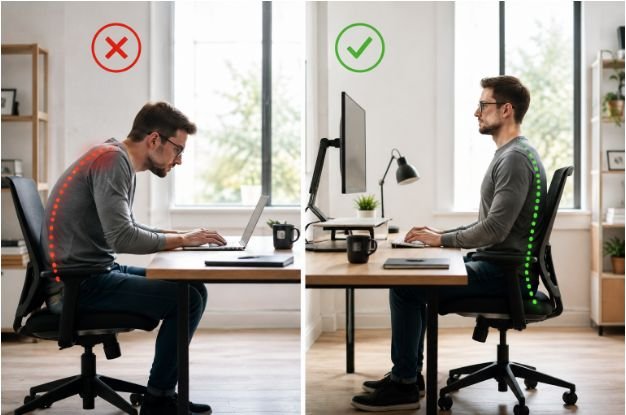
I adjust my chair, screen, keyboard, and mouse to support a neutral posture. If discomfort continues, I request an ergonomic assessment and ask about an adjustable task chair, monitor support, keyboard equipment, or sit-stand option.
OSHA recommends properly adjusted workstations, varied tasks, and recovery pauses to reduce awkward postures and physical strain.
What Should I Do After a Difficult Public Interaction?
After an angry call, distressed applicant, emergency, or sensitive case, I pause before moving to my next task. I relax my shoulders, breathe slowly, document the required facts, and follow agency procedures when safety, ethics, or operational concerns are involved.
That brief reset prevents one stressful encounter from influencing every conversation that follows.
What Is the Best Evening Recovery Routine?
At home, I create a clear transition away from government work. I may change clothes, walk, exercise, cook, listen to music during my commute, or connect with family and friends.
When teleworking, I close my laptop, clear the workspace, and leave the area when possible. These actions recreate the separation that a commute normally provides.
Federal employees who telework regularly can adapt ideas from a self-care routine for remote workers by using a fixed workspace, scheduling movement breaks, protecting lunch, silencing notifications, and creating a firm end-of-day shutdown ritual.
I keep a designated water container nearby as a hydration reminder throughout the day. I also protect a consistent sleep schedule. Most adults need at least seven hours of sleep, while many function best with seven to nine hours.
How Should I Structure My Day?
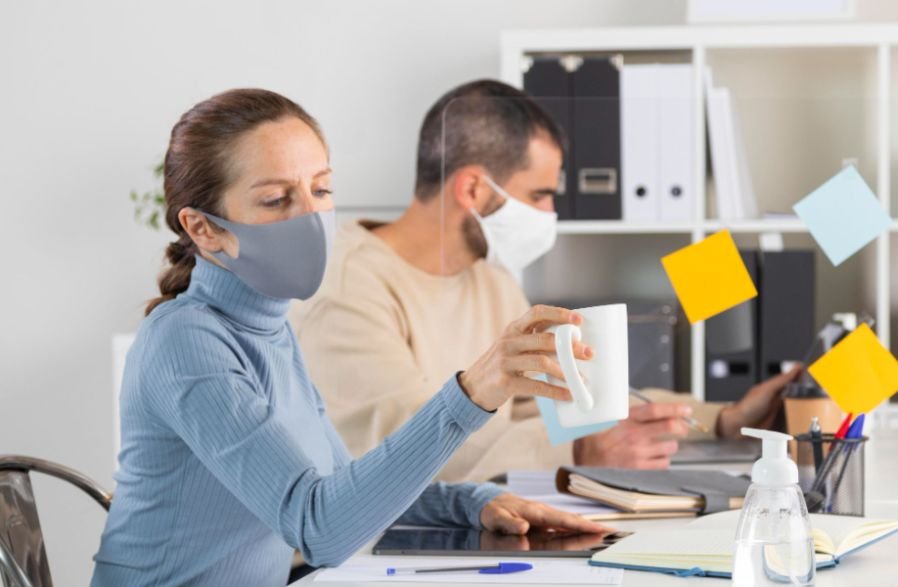
In the morning, I use mindfulness, hydration, movement, and meal preparation for cognitive grounding. At midday, I leave my desk, walk outside when practical, eat, hydrate, and schedule an EAP appointment if stress persists.
In the evening, I shut down government devices, reconnect socially, and protect my sleep. This pattern makes government employee self care predictable without turning wellness into another demanding checklist.
When Is Personal Self-Care Not Enough?
Self-care cannot correct harassment, unsafe conditions, chronic understaffing, or serious mental health concerns.
If anxiety, hopelessness, sleep disruption, emotional detachment, or difficulty functioning persists, I contact my EAP, review my Federal Employees Health Benefits mental health coverage, or speak with a licensed professional.
During an immediate crisis, I use emergency services or the 988 Suicide & Crisis Lifeline rather than relying solely on workplace wellness resources.
Frequently Asked Questions
1. Are EAP services free for federal employees?
Services delivered directly through an agency EAP are generally free and confidential. Outside treatment or specialist services may create additional costs.
2. Can every federal employee request a 4/10 or 5/4/9 schedule?
Employees may request one, but approval depends on agency policy, staffing, position requirements, labor agreements, and management authorization.
3. How can federal employees prevent burnout during busy periods?
I protect sleep, communicate priorities, take authorized breaks, maintain nutrition and hydration, use leave appropriately, and seek support before stress becomes unmanageable.
4. What is a realistic daily wellness routine for government workers?
A practical routine includes a calm morning, three priorities, movement breaks, lunch away from the desk, a secure shutdown ritual, social connection, and consistent sleep.
A Sustainable Way to Serve Without Burning Out
The best self-care routine for federal employees does not require perfect mornings or expensive wellness plans. I build it by using federal benefits, protecting lunch, improving my workstation, requesting workable flexibility, shutting down devices on time, and seeking support when needed.
When I practice these habits consistently, I support federal employee wellness while protecting my health, relationships, and identity outside work.