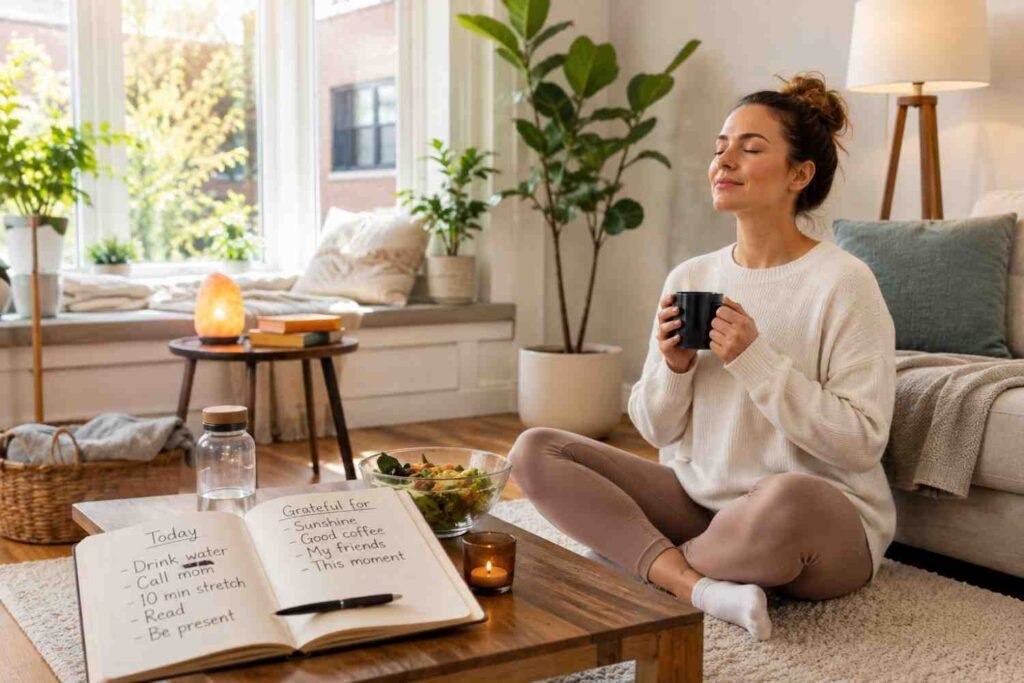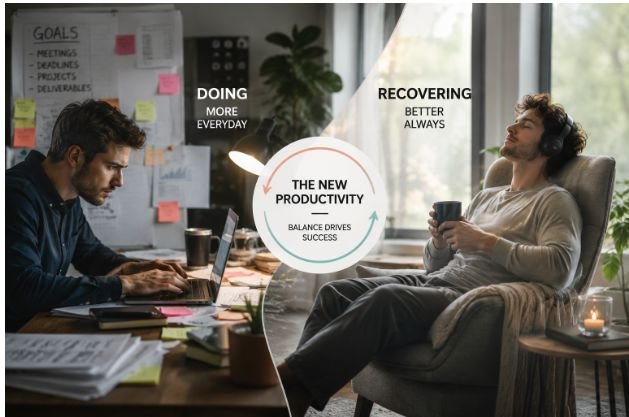
Teaching can consume every part of my day. Before the first bell, I may already be adjusting lessons, answering parent emails, and preparing materials. After dismissal, grading can follow me home. That is why self-care for teachers during the school year must rely on small, repeatable habits rather than waiting for weekends, holidays, or summer break.
This matters in US schools, where 84% of public K–12 teachers say regular work hours do not provide enough time for grading, lesson planning, paperwork, and email. Teacher burnout prevention requires daily recovery habits and firm workplace boundaries.
How Can Teachers Reset During a Busy School Day?
Effective self-care during the school day can take less than five minutes. I use a “60-second clear” after students leave the room. I wait one minute, breathe slowly, and avoid touching paperwork. This pause helps me begin the next task without carrying the previous class’s tension forward.
Square breathing offers another quick reset. I inhale for four seconds, hold for four, exhale for four, and hold again for four. The CDC recommends deep breathing, stretching, and other brief relaxation practices as practical stress-management tools.
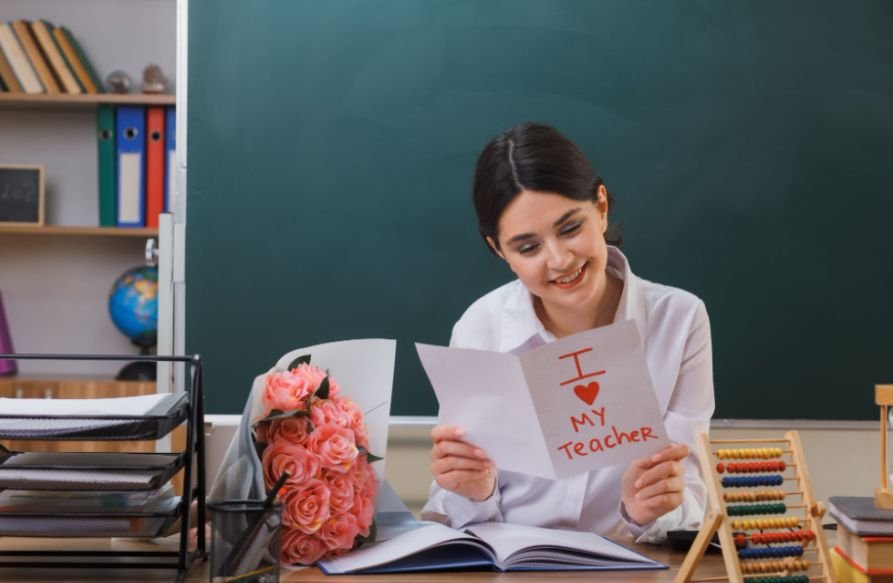
On difficult days, I open a “smile folder” filled with student notes, drawings, positive evaluations, or encouraging parent emails. It reminds me that one challenging period does not define my entire impact as a teacher.
I also use the 5-4-3-2-1 sensory grounding method. I notice five things I see, four I hear, three I feel, two I smell, and one I taste. A stress ball or lightly scented aromatherapy roller can provide additional physical re-centering, provided fragrances follow school policies and respect student sensitivities.
How Do I Protect My Evenings From Schoolwork?

Strong teacher boundaries begin with a stopping point. On two or three days each week, I leave the building about 15 minutes after contract hours end. I may not finish everything, but I protect enough recovery time to return with better focus.
I remove school email from my personal phone or disable notifications after 5:00 p.m. I also tell students and families when they can expect a response, such as within one or two school days. This supports work-life balance for teachers without reducing professionalism.
Batching prevents grading from taking over the entire evening. I schedule one focused grading block, set a timer, and stop when it ends—even when papers remain. Rubrics, completion checks, verbal feedback, peer review, and selective grading can also reduce unnecessary work while still supporting learning goals.
My commute becomes a transition out of “teacher mode.” An audiobook, podcast, playlist, or quiet drive creates distance between school and home. When I arrive, I may change clothes, shower, walk, or sit quietly before beginning household or family responsibilities.
Which Physical Habits Help Teachers Maintain Energy?
A realistic daily self-care routine for teachers begins with basic physical needs. I keep a labeled water bottle at my desk and connect drinking water to predictable transitions, such as attendance, lunch, or the end of each class period.
I also store protein-rich snacks such as nuts, seeds, or protein bars to reduce midafternoon energy crashes. Naturally, I follow classroom allergy policies and avoid bringing foods that could place students at risk.
After school, I aim for 20 to 30 minutes of walking, yoga, stretching, or another form of movement. The goal is not to complete an intense workout. I simply want to release the physical tension that builds after hours of standing, speaking, monitoring, and responding.
I also set a bedtime alarm instead of relying only on a morning alarm. The CDC says adults generally need at least seven hours of sleep, so I plan my evening backward from the time I must wake up.
Teachers who work evening programs, supervise late events, or manage irregular schedules may benefit from ideas used in a self-care routine for night shift nurses. Protecting sleep, timing caffeine carefully, planning light meals, and creating a clear wind-down routine can help reduce fatigue after unusually long school days.
How Can Teachers Build Emotional and Social Support?
Teacher mental health improves when I stop carrying every challenge alone. I maintain a small “vent circle” of trusted colleagues, but I limit venting to about five minutes. This creates space for validation without allowing every conversation to spiral into repeated negativity.
Before leaving my classroom, I write down exactly two positive moments from the day. A student may have asked a thoughtful question, a lesson may have worked, or a colleague may have offered help. This gratitude practice prevents difficult moments from becoming the only story I remember.
I also separate what I can control from what I cannot. I can control my reactions, lesson choices, communication, boundaries, and decision to ask for help. I cannot control district policies, staffing shortages, testing mandates, or a student’s home circumstances.
This mindset supports stress management for teachers without pretending that systemic problems are personal failures.
Which Teacher Self-Care Strategies Have the Greatest Impact?
| Strategy | Time Required | Impact | Why It Helps |
| Square breathing | 1–2 minutes | Immediate | Creates a quick pause during stress |
| Leaving work on time | No added time | Long-term | Protects evenings and reduces resentment |
| Removing phone email | About 1 minute | High | Ends constant psychological availability |
| Time-limited peer support | 5–10 minutes | Moderate | Validates stress without prolonged negativity |
The highest-impact teacher self-care strategies are often boundaries rather than additional wellness tasks. Breathing helps during an immediate stress response, while a protected exit time and email cutoff change how much work enters my personal life.
How Should Self-Care Change Across the School Year?
Back-to-school weeks, October fatigue, report cards, parent-teacher conferences, standardized testing, and the final weeks of school create different pressures. During these periods, I simplify before adding anything new.
I reuse proven resources, decline nonessential committees, reduce decorative classroom projects, and schedule recovery after conference nights or major school events. I also protect at least one evening or weekend period from grading whenever possible.
Personal habits cannot fix unsafe conditions, chronic understaffing, poor leadership, or unreasonable workloads. The CDC explains that school employee wellness also depends on coordinated programs, workplace policies, benefits, and environmental support.
When stress disrupts my sleep, health, relationships, or daily functioning, I contact an administrator, union representative, employee assistance program, counselor, or health care professional. Together, these habits and support systems create a sustainable self-care plan for teachers.
Frequently Asked Questions
1. What Is the Best Self Care for Teachers During the School Year?
The best approach combines brief daily resets, protected sleep and meals, limited after-hours email, efficient grading, supportive colleagues, and clear times when work ends.
2. How Can Teachers Avoid Burnout Without Adding Another Task?
Start by removing demands. Set an exit time, silence school notifications, simplify grading, decline optional commitments, and protect one evening or weekend period from work.
3. What Are Quick Teacher Self-Care Tips Between Classes?
Try the 60-second clear, square breathing, sensory grounding, shoulder stretches, drinking water, eating a protein-rich snack, or looking through a smile folder.
4. When Should a Teacher Seek Professional Support?
A teacher should seek help when stress, anxiety, sadness, exhaustion, or emotional detachment persists and interferes with sleep, relationships, health, classroom performance, or everyday life.
Final Thoughts
Teaching will always demand patience, energy, and emotional strength, but it should not require me to sacrifice my health to prove my dedication. By protecting small moments of rest, setting boundaries, caring for my body, and asking for support, I can stay present without running on empty.
The goal is not to create a perfect routine overnight. It is to choose one realistic habit, repeat it consistently, and build from there. When I protect my energy, I do more than prevent burnout—I create a healthier classroom, a stronger personal life, and a teaching career I can sustain with confidence.