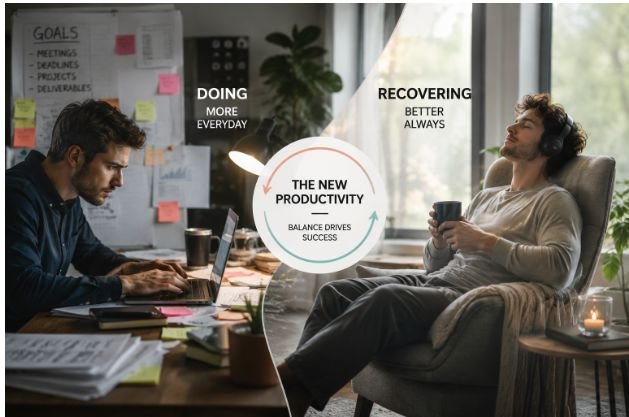

I used to reach for self-care only after stress had taken over. A quiet evening helped temporarily, but it did not explain why I felt overwhelmed, irritable, lonely, or emotionally drained.
I now see self-care for emotional health as the daily practice of noticing my feelings, protecting my energy, supporting my body, and responding before stress becomes burnout. Emotional well-being does not mean staying positive all the time. The CDC connects it with managing emotions, finding meaning, and maintaining supportive relationships.
How Can I Tell My Emotional Health Needs Attention?
I pay attention when ordinary problems feel unusually heavy. Warning signs may include irritability, emotional numbness, overthinking, trouble concentrating, disrupted sleep, appetite changes, social withdrawal, or guilt whenever I rest. Stress can affect sleep, appetite, energy, and emotional reactions.
What Daily Habits Support Better Emotional Well-Being?
1. Name and Journal My Feelings
I replace “I feel bad” with clearer words such as anxious, disappointed, lonely, resentful, or exhausted. I write what happened, what triggered me, what I needed, and what I can do next. The CDC recommends journaling to help people understand and work through feelings.
2. Practice Slow, Deep Breathing

When my thoughts race, I take slow breaths and make the exhale slightly longer than the inhale. This gives me space to respond instead of reacting. The CDC includes deep breathing, yoga, stretching, and meditation among useful relaxation techniques.
3. Challenge Negative Thoughts
I question thoughts such as “I always fail” or “Everyone is judging me.” Then I replace them with something balanced: “This was difficult, but one moment does not define me.”
This is not forced positivity. It is a realistic way to keep stressful situations in perspective and prevent harsh internal monologues from controlling my mood.
4. Keep a Specific Gratitude Log
Each evening, I write three specific things I appreciated, such as a supportive phone call, a good meal, or help with a difficult task.
Gratitude should not silence anger, sadness, or disappointment. I use it alongside emotional processing rather than as a way to avoid uncomfortable feelings.
5. Create a Personal “No” List
My “No” list may include routine work messages after hours, unnecessary commitments, one-sided relationships, or requests that exceed my capacity.
In a culture that often rewards constant availability, clear boundaries protect my time, sleep, health, and relationships. Saying no does not make me selfish. It helps me reserve energy for responsibilities and people that genuinely matter.
6. Take a 30-Minute Digital Detox Before Bed
I turn off phones, television, tablets, and work screens at least 30 minutes before bedtime. This keeps late emails, upsetting headlines, and social media comparisons from following me into sleep.
The CDC specifically recommends turning off electronic devices at least 30 minutes before bed as part of a healthy sleep routine.
7. Schedule “Nothing” Days

When possible, I reserve an occasional day or half-day without errands, productivity goals, or social obligations. Unstructured rest gives me space to recover without feeling guilty for not accomplishing something.
However, I do not use a “nothing” day to avoid a conflict, deadline, or decision that still requires action. Healthy rest should restore me, not create more stress later.
8. Spend Time With Supportive People
I choose people who respect my boundaries and allow honest conversation. When loneliness grows, I prioritize face-to-face contact through coffee, a walk, a family visit, a faith community, or a local group.
Loneliness and social isolation are associated with higher risks of depression and other health concerns. Quality matters more than having a large social circle.
9. Share Screen-Free Meals and Positive Moments
I put devices away during some meals so I can listen, make eye contact, and enjoy the experience. Technology-free meals give conversations room to develop without constant notifications.
I also share small wins, humor, memories, and enjoyable activities with people I trust. Emotional connection is not limited to discussing problems. Sharing positive experiences can also strengthen relationships.
10. Prioritize Quality Sleep
I aim for seven to nine hours of sleep and keep my bedtime and wake time consistent. The CDC recommends at least seven hours for adults ages 18 to 60 and seven to nine hours for adults ages 61 to 64.
A cool, quiet bedroom and a screen-free wind-down routine can make quality rest easier. When I am underslept, minor frustrations often feel much larger than they normally would.
11. Move My Body Every Day
I walk, stretch, dance, run, lift weights, garden, or complete active chores instead of waiting for a perfect workout.
NIMH notes that a 30-minute daily walk can support mood and overall health, while smaller amounts of activity still add up. Daily movement also gives me a healthy outlet when I feel restless, tense, or frustrated.
12. Eat Foods That Support Overall Health
I build regular meals around vegetables, whole grains, protein, healthy fats, and water. Leafy greens, nuts, seeds, beans, eggs, and fatty fish can contribute useful nutrients within a balanced diet.
I avoid describing any single food as a cure for anxiety, depression, or burnout. Nutrition creates a physical foundation for well-being, but it works alongside sleep, movement, relationships, emotional coping skills, and appropriate health care.
How Do I Match Self-Care to What I Feel?

The best response depends on the need beneath the emotion. When I feel overwhelmed, I reduce commitments and choose one manageable task. When I feel lonely, I contact someone instead of automatically isolating.
When I feel angry, I breathe, move, or journal before responding. When I feel emotionally numb, I use music, a warm shower, time outdoors, or another gentle sensory experience to reconnect with the present.
This emotion-to-action approach makes self-care more useful than randomly choosing a popular activity.
When Is Professional Mental Health Support Necessary?
Self-care cannot replace professional treatment. While practices such as healthy screen time habits may support emotional balance, I consider contacting a licensed therapist, counselor, primary care professional, or another qualified provider when emotional distress persists, disrupts sleep, interferes with work or relationships, or makes everyday tasks difficult.
NIMH advises seeking professional help when severe or distressing symptoms persist, including concentration problems, loss of interest, sleep changes, or difficulty completing usual activities.
In an immediate crisis or when self-harm is a concern, people in the United States can call or text 988 to reach the Suicide & Crisis Lifeline.
Frequently Asked Questions {FAQs)
1. What is a simple example of self care for emotional health?
I can pause, name the emotion, identify its trigger, and choose a matching response, such as resting, setting a boundary, walking, journaling, or contacting someone supportive.
2. Can emotional self-care prevent burnout?
Emotional self-care can help me notice stress earlier and reduce avoidable overload, but prevention may also require changes in workload, expectations, relationships, support, or professional care.
3. How long should a daily emotional-care routine take?
Even five to ten minutes can help. A quick emotional check-in, breathing exercise, journal entry, gratitude practice, or screen-free break is easier to repeat than an elaborate routine.
Final Thoughts
I no longer treat emotional care as a reward I earn after finishing everything else. I treat it as basic maintenance that helps me think clearly, communicate honestly, and recover before daily pressure becomes emotional exhaustion.
The best routine is not the most expensive or impressive one. It is the routine that helps me recognize what I feel, protect what matters, support my physical health, and take one realistic action each day.