I once believed staying active required long workouts and strict plans. Healthy movement habits for better aging may begin with standing more often, walking after meals and practising simple strength or balance exercises. When these actions become routine, they can support mobility, confidence and independence without making daily life feel demanding.
Why Everyday Movement Matters With Age
Muscle strength may decline, joints can become stiffer and balance may feel less reliable. Long periods of sitting can make these changes more noticeable. Regular movement can also support energy, sleep and confidence during ordinary routines throughout the day.
The aim is to preserve the ability to walk comfortably, climb stairs, carry shopping, rise from a chair and enjoy familiar activities. A ten-minute walk completed regularly can be more useful than an ambitious workout abandoned after a few days.
Begin the Morning With Gentle Mobility
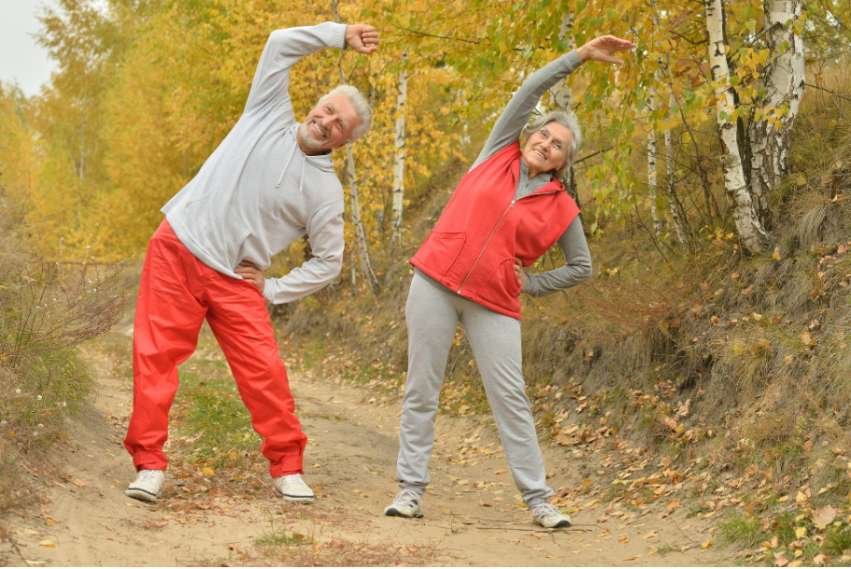
A few minutes of easy movement can reduce stiffness and prepare the body for the day. Try slow shoulder rolls, ankle circles, side bends and comfortable neck turns. Stay within a pain-free range.
Link the routine to something already done each morning. Connecting a new action to an established one makes it easier to remember.
Walk Briefly After Meals
Walking is an accessible way to add movement without creating a complicated schedule. Start with five or ten minutes at a comfortable pace. Gradually increase the duration. When outdoor walking is unsuitable, move around the home or march gently beside a stable support.
Break Up Long Periods of Sitting
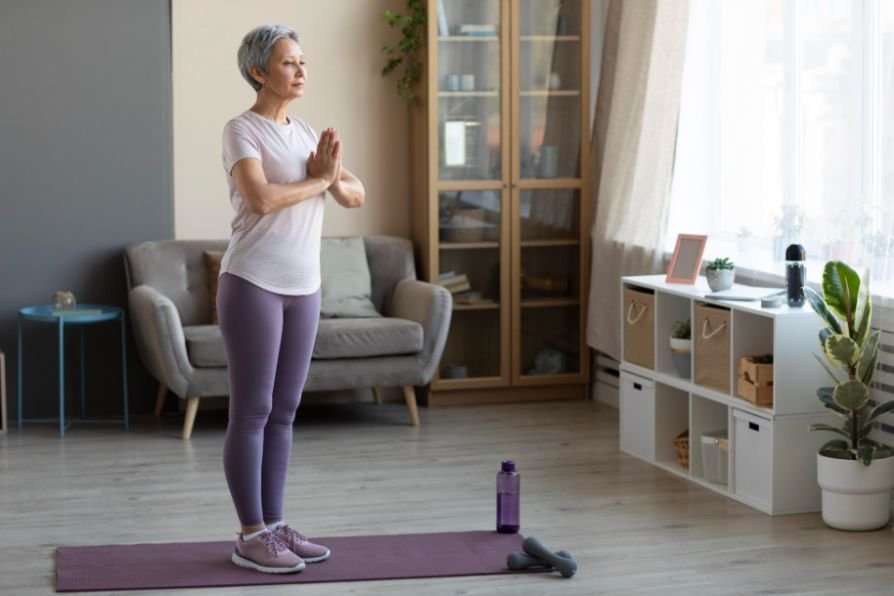
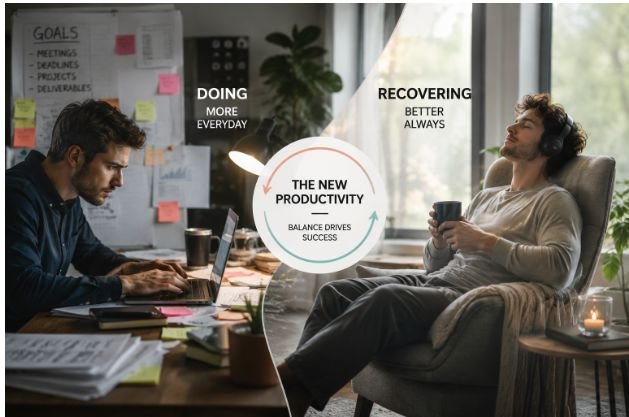
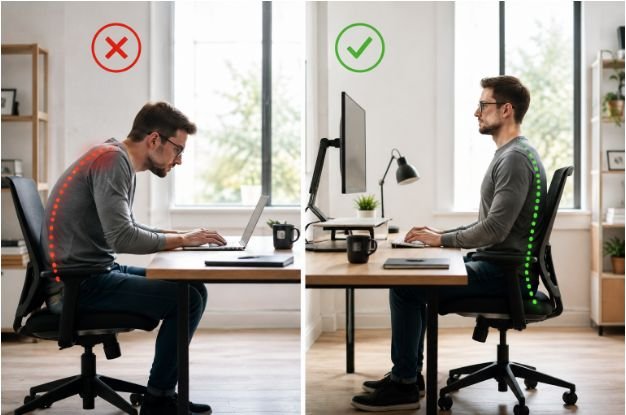
Several hours of uninterrupted sitting can leave the hips, back and legs feeling stiff. Set a reminder to stand or move every 30 to 60 minutes. Walk to another room, refill a glass of water or complete a few controlled chair stands.
Build Strength Through Daily Actions
Strength supports carrying bags, opening doors, getting out of bed and recovering after a stumble. A sit-to-stand exercise is a practical starting point.
Sit near the front of a stable chair, place both feet firmly on the floor and stand with control. Use the hands when needed, then gradually work towards less assistance.
Other useful options include wall push-ups, supported heel raises and carrying manageable household items.
Practise Balance Safely
Stand beside a secure worktop and place one foot slightly in front of the other. Hold briefly, then change sides.
Another option is standing on one leg while keeping a hand close to support. Pair the habit with brushing the teeth or waiting for food to cook. Stop when feeling dizzy or unwell.
Maintain Flexibility With Comfortable Stretching
Flexibility supports reaching, bending, dressing and walking naturally. Gentle stretches for the calves, chest, hips and back can be completed once the body feels warm.
Hold each position without bouncing and breathe normally. Sharp pain is a reason to stop.
Make Movement Enjoyable
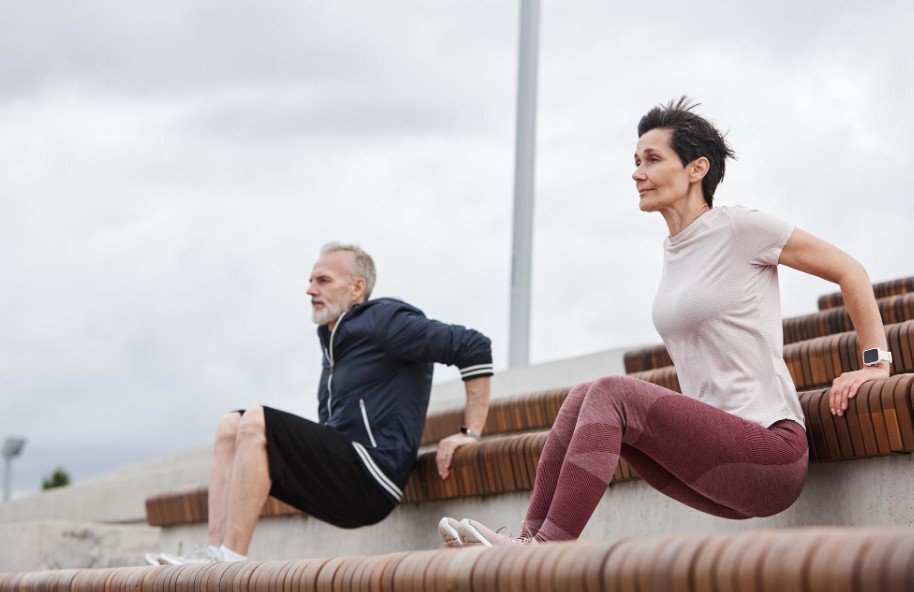
People are more likely to continue activities they enjoy. Walking with a friend, dancing to familiar music, gardening or joining a suitable group class can make movement feel less like a duty.
Supporting an active routine with simple food choices, such as learning easy ways to use canned beans in healthy meals, can also make healthy ageing feel more practical and sustainable.
Progress Gradually
Increasing activity too quickly can lead to soreness and frustration. Begin with an amount that feels manageable and add a little at a time.
Progress might mean walking for two additional minutes, completing one more chair stand or holding a balance position slightly longer. Rest and lighter days are also valuable.
Learning the signs your body needs a break from exercise can help you recognise when fatigue, persistent soreness or declining performance means it is time to reduce activity and recover.
Anyone returning to movement after illness, surgery or a long inactive period should consider professional guidance. New chest discomfort, faintness, severe breathlessness or persistent pain should be assessed.
A Simple Daily Movement Pattern
A realistic day could start with five minutes of mobility, include a short walk after one meal and use standing breaks during long periods of sitting. Strength exercises can be added two or three times a week, while balance practice can fit into an existing task.
Missing one activity does not ruin the routine. The next opportunity to move is simply a chance to continue.
Frequently Asked Questions
1. What are the best healthy movement habits for better ageing?
Useful habits include walking regularly, interrupting sitting time, practising chair stands, adding gentle mobility work and completing safe balance exercises. The best choices suit current ability and can be repeated consistently.
2. Is walking enough as I get older?
Walking supports endurance and general activity, but it does not fully replace strength, balance and flexibility work. A well-rounded routine should include all four areas when possible.
3. How much movement should a beginner do?
A beginner can start with five-minute sessions and build gradually. The starting level should feel achievable and should not cause unusual pain, dizziness or excessive breathlessness.
4. Can someone with limited mobility stay active?
Yes. Seated marching, ankle movements, supported standing and upper-body exercises can all be useful. A physiotherapist or qualified health professional can adapt movements to individual needs.
A More Active Way Forward
I have learned that ageing well is not built through occasional bursts of motivation. It develops through ordinary choices repeated with patience. A brief walk, a controlled chair stand or a few minutes of stretching may seem small, but these actions can help preserve the abilities that make daily life independent and enjoyable.
I would begin with one manageable habit, connect it to an existing routine and allow progress to develop gradually. Movement does not need to be perfect to be valuable. It only needs to remain safe, regular and realistic enough to continue.