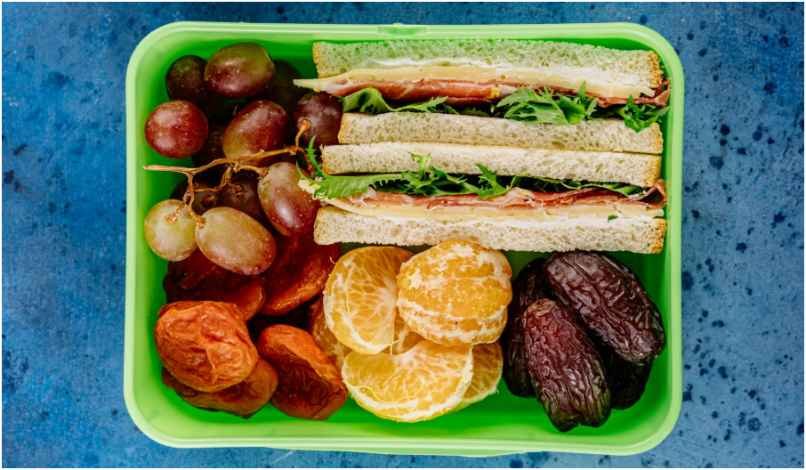
A satisfying lunch should not need a stove, microwave, or half your break. I rely on easy no-cook lunches with protein and fiber on packed days because they are fast, portable, and more substantial than crackers and a snack bar.
The method is simple: combine a protein anchor, a fiber-rich base, fresh produce, and one bold flavor. Most ingredients can come straight from the pantry or refrigerator.
Why Protein and Fiber Work Better Together
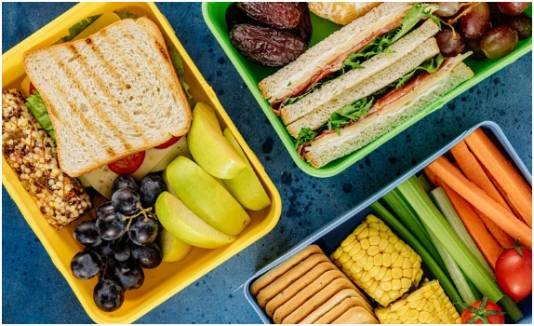
Protein gives lunch structure, while fiber adds volume and helps create a more complete meal. The 2025–2030 Dietary Guidelines for Americans encourage protein foods at each meal, including beans, lentils, nuts, seeds, soy, dairy, eggs, poultry, and seafood. They also recommend fiber-rich whole grains, vegetables, and fruits.
The FDA sets the Daily Value for fiber at 28 grams on a 2,000-calorie diet. Lunch does not need to supply all of it. However, adding beans, vegetables, seeds, or whole grains can make the daily target easier to approach.
I treat easy no-cook lunches with protein and fiber as a two-anchor system. One ingredient supplies concentrated protein. Another contributes fiber, although beans and lentils can cover both roles.
My Protein-Fiber-Crunch Formula
I use three checks rather than following a complicated recipe.
First, I choose a protein such as tuna, chicken, Greek yogurt, cottage cheese, tofu, or edamame. Next, I add fiber from beans, avocado, cabbage, berries, seeds, or whole-grain bread. I finish with crunch and acidity from cucumbers, slaw, herbs, lemon, vinegar, salsa, or pickles.
Here is my worked example: combine one cup of canned chickpeas with half a cup of cottage cheese, cucumber, herbs, and lemon. Using typical USDA food-composition values, that bowl can provide roughly 25 to 30 grams of protein and about 12 grams of fiber. Brand and portion differences matter, so check the Nutrition Facts label when exact numbers matter.
This formula keeps easy no-cook lunches with protein and fiber flexible. I can switch ingredients without rebuilding the whole meal.
Eight High-Protein Cold Lunch Ideas
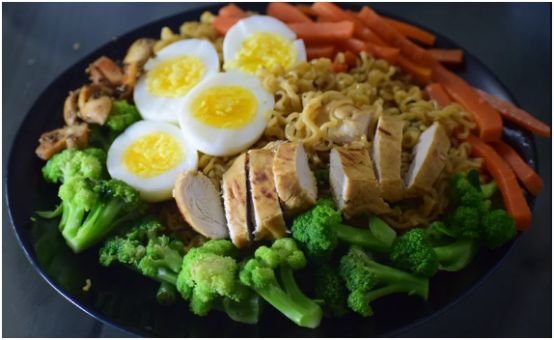
1. Caprese Chickpea Salad
Toss rinsed chickpeas with cherry tomatoes, mozzarella pearls, basil, olive oil, balsamic vinegar, and black pepper.
Chickpeas cover both the protein and fiber anchors, while mozzarella contributes more protein and a creamy contrast. Spoon the salad over shredded cabbage when you want more crunch and fiber.
2. Cucumber, Cottage Cheese, and Miso Sandwich
Whisk cottage cheese with a small spoonful of white miso. Spread it on sprouted whole-grain bread, then add cucumber, pepper, and sprouts.
This is one of my favorite easy no-cook lunches with protein and fiber because it feels fresher than a standard cheese sandwich. Miso can taste salty, so I use only enough to sharpen the cottage cheese.
3. Black Bean Taco Bowl
Layer black beans, canned corn, shredded cabbage, salsa, avocado, and plain Greek yogurt. Add pumpkin seeds for crunch.
The beans, cabbage, avocado, and seeds provide several fiber sources. Greek yogurt raises the protein without requiring meat. Lime juice and cilantro keep the bowl bright after several hours in the refrigerator.
4. Curried Chicken and Chickpea Wrap
Mix chopped rotisserie chicken with chickpeas, Greek yogurt, curry powder, diced onion, and a few raisins. Roll the mixture inside a high-fiber tortilla with spinach.
Chicken carries most of the protein load, while chickpeas and the wrap increase fiber. I mash several chickpeas into the dressing to thicken it and help prevent a soggy wrap.
5. Mediterranean Tuna and White Bean Bowl
Combine canned tuna, cannellini beans, cucumber, olives, feta, parsley, and fresh lemon juice.
These easy no-cook lunches with protein and fiber do not need to taste like clinical diet food. This bowl is briny, creamy, crisp, and filling without any reheating. Taste it before adding salt because the tuna, olives, and feta may already provide enough.
6. Edamame Slaw Crunch Box
Pack thawed shelled edamame, cabbage slaw, grated carrots, and pumpkin seeds. Add a dressing made from peanut butter, lime juice, and water.
Keep the dressing separate until lunchtime. Edamame carries the protein, while vegetables and seeds add fiber and texture. This option also works well in offices where opening a container of tuna may not make you popular.
7. Greek Yogurt Berry Chia Bowl
Stir chia seeds into plain Greek yogurt. Top it with raspberries, blueberries, walnuts, and cinnamon. Add whole-grain crispbread on the side.
I let the chia sit for about ten minutes before packing it. The seeds absorb moisture, creating a thicker bowl that travels better. Choosing unsweetened yogurt also lets the berries provide most of the sweetness.
8. Hummus, Turkey, and Vegetable Wrap
Spread hummus across a high-fiber wrap. Add sliced turkey, shredded carrots, cucumber, spinach, and bell pepper.
Hummus contributes chickpeas and tahini, while the vegetables keep the wrap crisp. Replace turkey with ready-to-eat tofu for a meatless version of these easy no-cook lunches with protein and fiber.
Budget-Friendly No-Cook Meal Prep
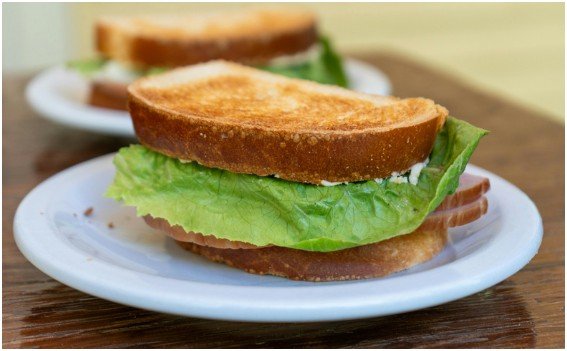
The cheapest easy no-cook lunches with protein and fiber often begin with canned beans, plain yogurt, seasonal produce, and store-brand whole-grain bread. I pay for convenience only where it saves real time, such as shredded cabbage or cooked chicken.
For a broader shopping plan, add the internal link to Healthy grocery list for one person on a budget. It can help readers purchase flexible staples instead of ingredients that work in only one recipe.
Keep tuna, beans, lentils, wraps, seeds, and shelf-stable flavor boosters together. In the refrigerator, rotate two proteins, two vegetables, and one sauce. These easy no-cook lunches with protein and fiber also scale well for two or three workdays without creating an overwhelming meal-prep session.
Choose no-salt-added or lower-sodium beans when possible. When standard canned beans are the available choice, USDA guidance recommends draining and rinsing them to reduce sodium.
Pack Easy No-Cook Lunches With Protein and Fiber Safely
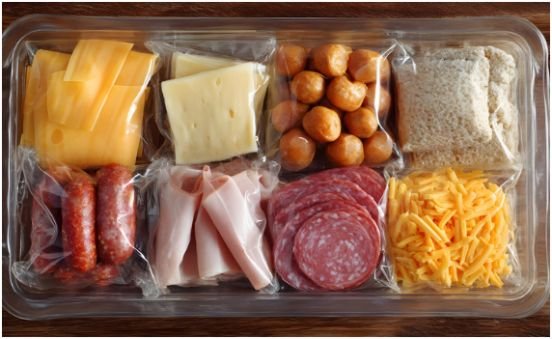
No-cook does not mean no refrigeration. Lunches containing yogurt, cottage cheese, poultry, tuna, or cut produce should stay cold.
USDA food-safety guidance says cold foods should remain at 40°F or below. Perishable food should not sit at room temperature longer than two hours, or one hour when temperatures exceed 90°F.
I use an insulated lunch bag with cold packs when a refrigerator is unavailable. I also keep dressings away from bread and wraps. That small step protects the texture and makes lunch much more appealing.
Frequently Asked Questions
1. What are the best no-cook high-protein lunches for work?
Bean-and-tuna bowls, chicken-chickpea wraps, cottage-cheese sandwiches, and edamame slaw boxes travel well without reheating.
2. How can I add more fiber to a cold lunch?
Add beans, lentils, avocado, cabbage, berries, chia seeds, whole-grain bread, or a high-fiber wrap.
3. Can easy no-cook lunches with protein and fiber be vegetarian?
Yes; pair Greek yogurt, cottage cheese, tofu, edamame, beans, lentils, nuts, or seeds with produce and whole grains.
4. How do I stop a no-cook wrap from getting soggy?
Dry the vegetables, use a thick spread, place greens against the wrap, and pack watery sauces separately.
Lunch Is Handled—No Microwave Drama Required
Easy no-cook lunches with protein and fiber solve the real midday problem: limited time, limited equipment, and the need for food that satisfies. I start with one protein, add one strong fiber source, then use crunch and acidity to make the meal worth eating.
Choose one idea for tomorrow and prepare only the components tonight. Five minutes of assembly beats another expensive, forgettable lunch grabbed in a rush.