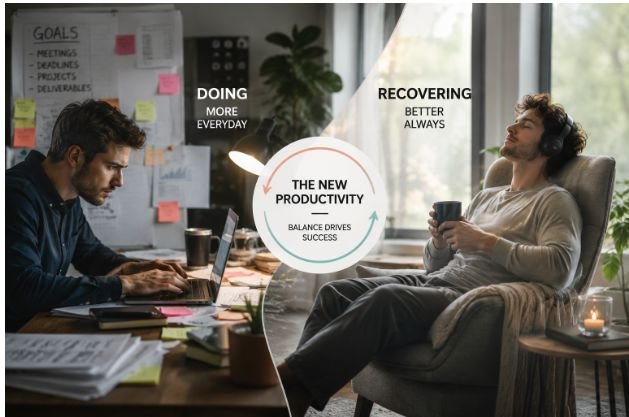

I’ve gone through phases where I believed staying productive meant staying busy. My calendar stayed full, breaks felt unnecessary, and finishing one task simply meant moving to the next. It worked for a while, but eventually I realized I was checking off more boxes without actually feeling accomplished. By the end of the day, I had less energy for the things that mattered outside of work.
What finally made a difference wasn’t finding another productivity trick. It was changing how I thought about my time. Once I started protecting my energy instead of constantly stretching it, work became easier to manage, and personal time stopped feeling like something I had to earn. That shift is what makes balancing productivity with personal wellbeing possible for so many people today.
Why Productivity Doesn’t Have to Come at the Cost of Wellbeing
For years, productivity was measured by how many hours people worked. Now, that mindset is changing. More professionals are discovering that working longer doesn’t always produce better results. In fact, constant pressure often leads to decision fatigue, lower creativity, and higher stress.
Personal wellbeing has become part of the productivity conversation because it directly affects focus, motivation, and performance. When people sleep better, move more, and create healthier routines, they often accomplish more in less time. That’s why organizations, health experts, and workplace researchers continue to encourage sustainable work habits instead of nonstop availability.
Boundaries Create Better Work
One of the simplest ways to improve productivity is by deciding when work begins and when it ends.
Without clear boundaries, emails, messages, and notifications can quietly fill every free moment. Over time, that constant connection makes it difficult for the brain to fully recover.
Setting work hours, saying no to unnecessary commitments, and protecting personal time create space for both productivity and relaxation. These habits don’t reduce ambition. They help people stay consistent without feeling overwhelmed.
A simple shutdown routine can also make a difference. Before ending the workday, spend a few minutes organizing tomorrow’s priorities, clearing the workspace, and turning off work notifications. That small habit signals that it’s time to shift attention elsewhere.
Work With Your Energy Instead of Fighting It
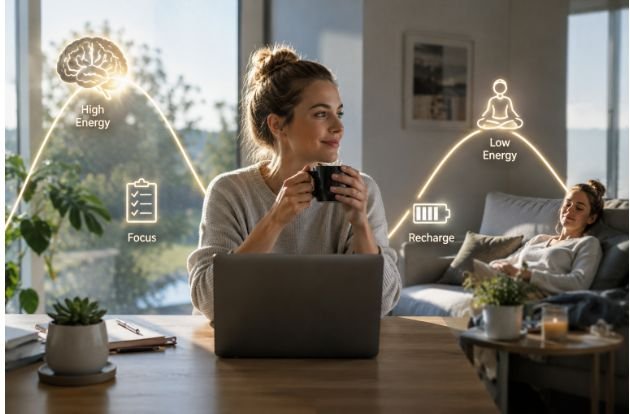
Everyone has certain hours when thinking feels easier, and distractions seem smaller. Those periods are often the best time for demanding work that requires concentration.
Instead of filling peak energy hours with meetings or routine tasks, reserve them for writing, planning, problem-solving, or creative projects. Less demanding work can be completed later when energy naturally begins to decline.
Working with natural energy patterns often feels more productive than trying to maintain the same pace throughout the entire day.
Small Breaks Have a Bigger Impact Than You Think
Many people assume taking breaks slows productivity. Research continues to show the opposite.
Stepping away from the screen for a few minutes helps reduce mental fatigue while improving concentration during the next work session. A short walk, light stretching, deep breathing, or simply looking away from digital devices can help the brain reset.
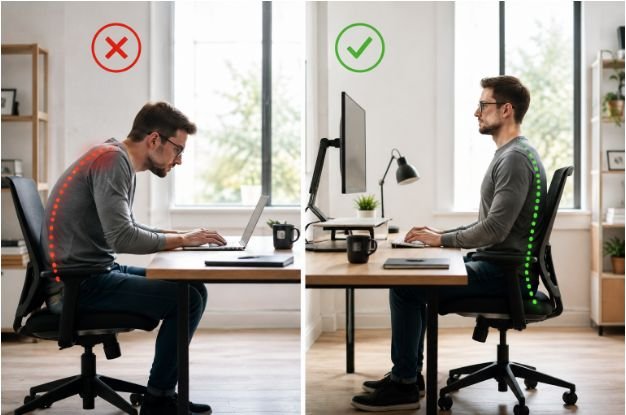
These short pauses also support healthier posture, improve circulation, and reduce eye strain, especially for people who spend most of their day using computers.
Rather than treating breaks as interruptions, successful professionals increasingly see them as part of the work itself.
Rest Is a Requirement, Not a Reward

One of the biggest changes in modern work culture is the growing understanding that recovery supports performance.
Quality sleep, regular exercise, balanced meals, and time spent with family or friends all contribute to better focus during working hours. They aren’t distractions from productivity. They’re the foundation that allows it to happen consistently.
People who make time for recovery often experience fewer energy crashes, better emotional resilience, and greater motivation throughout the week.
If you’re looking for practical habits that support long workdays without sacrificing your health, our how to stay healthy while working long hours resource explores simple routines that fit naturally into busy schedules.
Stop Measuring Success by Hours Worked
Busy schedules can create the illusion of productivity, but results tell a different story.
Completing meaningful work, making thoughtful decisions, and maintaining enough energy for life outside the office are stronger indicators of long-term success than simply spending more hours at a desk.
This perspective encourages people to focus on priorities instead of constant activity. It also creates room for hobbies, relationships, and experiences that improve overall wellbeing.
Productivity becomes much more sustainable when it supports life instead of replacing it.
Simple Habits That Make Every Day Feel More Balanced
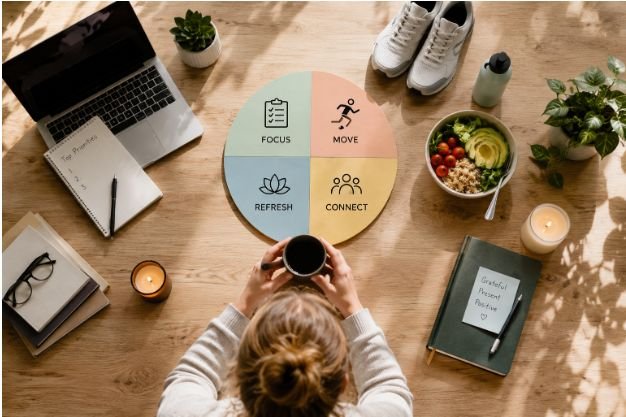
Balancing productivity with personal wellbeing doesn’t require dramatic lifestyle changes. Small habits practiced consistently often have the greatest impact.
- Plan your three most important tasks before starting work.
- Schedule short movement breaks every couple of hours.
- Protect your highest-energy time for focused work.
- Turn off work notifications after your workday ends.
- Make sleep and regular meals part of your daily routine.
These habits may seem simple, but together they create a routine that supports both performance and personal wellbeing.
FAQs: The Everyday Secret to Balancing Productivity With Personal Wellbeing
Why is balancing productivity with personal wellbeing important?
It helps reduce stress, improve focus, and maintain energy throughout the day. A balanced routine also supports better decision-making and long-term job satisfaction.
How can I stay productive without working longer hours?
Prioritize important tasks, protect your peak energy hours, limit distractions, and schedule regular breaks instead of extending your workday.
Do short breaks really improve productivity?
Yes. Brief pauses help reduce mental fatigue, improve concentration, and make it easier to stay focused during the next period of work.
What’s the first habit to build for better work-life balance?
Start by creating a clear end to your workday. A consistent shutdown routine helps separate work from personal time and allows your mind to recover.
The Best Workdays Usually Feel the Most Balanced
I’ve learned that productivity isn’t about squeezing more work into every hour. It’s about using time and energy wisely enough that work supports the rest of life instead of taking it over. The people who seem the most productive aren’t always the busiest. They’re often the ones who know when to focus, when to step away, and when to recharge.
Real productivity grows when personal wellbeing becomes part of the plan instead of an afterthought.